


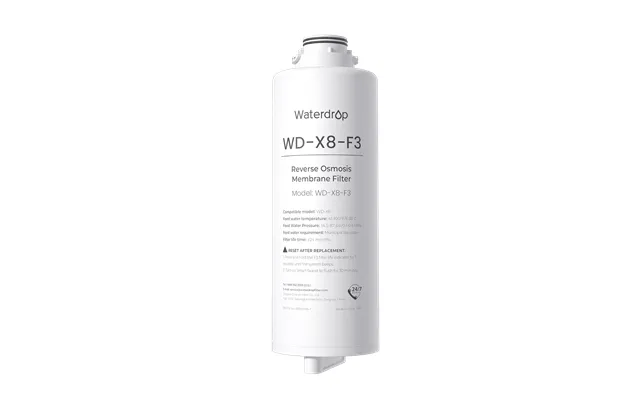
Waterdropfilter price list
Last updated Sunday, 27 Sept 2026



Loading...
Last updated Sunday, 27 Sept 2026
Clean water is something most of us expect from the tap. Turn the handle, fill a glass, and drink. Yet many people in the UK still dislike the taste, smell, or hardness of their tap water. Limescale on the kettle, cloudy ice cubes, and a faint chlorine flavour can quickly make bottled water seem tempting. That is where Waterdropfilter enters the picture.
Waterdropfilter is a specialist water filtration brand serving customers in the UK with products designed for kitchens, offices, caravans, and other everyday spaces. Its range includes under-sink filters, countertop systems, reverse osmosis units, water filter jugs, replacement cartridges, and dedicated solutions for appliances. The aim is simple: help you improve your drinking water without turning your home into a complicated plumbing project.
But which type of Waterdrop filter should you choose? Does a filter really make a difference in a hard-water area? And what should you check before buying? This guide explores the main benefits, product types, running costs, installation points, and practical considerations for UK households.
Waterdropfilter is an online water filtration store and brand offering domestic and commercial filtration equipment. The company focuses on making filtered water more accessible through compact designs, replaceable filters, and systems that fit modern kitchens.
Its products are made for different needs. A renter may prefer a simple jug or countertop unit. A homeowner planning a full kitchen upgrade might choose an under-sink system with a separate drinking-water tap. Someone looking for highly purified water may consider a reverse osmosis model. In other words, there is no single “best” Waterdrop filter for everyone. The right option depends on your water, your space, your budget, and how much maintenance you want to handle.
Waterdropfilter products commonly use several filtration stages. Depending on the model, these may include activated carbon, sediment filtration, carbon block media, and reverse osmosis membranes. Each stage has a different job. Sediment media can trap particles, while activated carbon is often used to reduce chlorine, odours, and unpleasant tastes. Reverse osmosis systems use a fine membrane to reduce a wider range of dissolved substances.
UK mains water is treated and regulated, so household tap water is generally considered safe to drink. Filtration is not usually about making unsafe water safe. Instead, it is often about improving taste, reducing unwanted substances, limiting limescale, and creating a more enjoyable drinking experience.
Water quality varies by region. Some areas receive softer water, while others have hard water caused by naturally occurring minerals, particularly calcium and magnesium. Hard water is not normally a health concern, but it can leave chalky deposits in kettles, coffee machines, showerheads, and taps. It may also affect the flavour of tea and coffee.
A water filter acts like a careful gatekeeper. It allows water through while reducing selected impurities. However, no filter removes everything, and no cartridge lasts forever. That is why it is important to match the filter to the problem rather than buying the most advanced system automatically.
Waterdropfilter offers several types of water filtration products. Each category has strengths and limitations. Before you choose, think about how much water your household uses, where you want the system installed, and whether you are happy to replace cartridges on a schedule.
Under-sink filters are a popular choice for busy households. The main unit sits inside the kitchen cabinet, keeping the worktop clear. Filtered water normally comes through a dedicated tap, although some models may connect differently depending on their design.
This setup gives you filtered water whenever you turn on the tap. There is no jug to refill and no large appliance taking up space beside the kettle. It can be especially useful for families, keen cooks, tea drinkers, and anyone who wants a neat, permanent-looking installation.
Many under-sink Waterdropfilter systems use carbon-based filtration. Some are designed to reduce chlorine, sediment, odour, and certain unwanted substances. More advanced models may include reverse osmosis technology. Check the individual product specifications carefully because performance differs between systems.
Installation can be straightforward for someone comfortable with basic plumbing, but not every kitchen is the same. You may need room inside the cabinet, access to the cold-water pipe, and a suitable position for the filtered-water tap. If you are unsure, using a qualified installer can save time and prevent leaks.
Countertop systems sit beside your sink or on a kitchen surface. They can be a useful middle ground between a jug and a permanent under-sink installation. Some units connect to the tap, while others use a refillable water tank.
These systems suit renters and people who do not want to modify their kitchen. They are also useful if you move home frequently. You can usually set them up with less effort than an under-sink system, although they do occupy worktop space.
A countertop reverse osmosis system can offer advanced filtration without requiring major plumbing work. It may include a tank, filter indicators, a dispensing button, or a digital display. These features can make daily use convenient, but remember that electronic controls do not remove the need for regular cleaning and filter changes.
A filter jug is one of the easiest ways to try filtered water. Fill the jug from the tap, allow the water to pass through the cartridge, and store it in the fridge if the design allows. This simple routine can improve taste and reduce some common tap-water concerns.
Jugs are affordable and portable. They work well for students, small flats, guest rooms, and households that want a low-cost starting point. The trade-off is capacity. If several people drink filtered water throughout the day, you may need to refill the jug often.
Cartridge replacement is also important. A filter that has reached the end of its useful life may work less effectively and could develop an unpleasant smell if it is neglected. Always follow the instructions supplied with the product.
Reverse osmosis, often shortened to RO, is a more intensive filtration method. Water is pushed through a very fine membrane that can reduce many dissolved substances. RO systems usually contain several stages, such as sediment filtration, carbon filtration, the reverse osmosis membrane, and sometimes a final polishing filter.
People often choose reverse osmosis when they want a high level of purification for drinking and cooking water. It can be attractive to households concerned about dissolved solids, strong mineral taste, or specific water-quality issues.
However, reverse osmosis systems require more space and maintenance than a basic jug. Some models produce wastewater during filtration, while others are designed to improve water efficiency. They may also need a storage tank, replacement membranes, or a power connection. Read the product information before buying so you know exactly what to expect.
The main benefit of a Waterdropfilter system is improved control over your drinking water. Instead of accepting the taste from the tap, you can choose a filtration method that suits your household.
Chlorine is added to public water supplies as part of the treatment process. It plays an important role, but some people notice its taste or smell. Activated carbon filters are commonly used to reduce chlorine and improve the flavour of water.
This can make a noticeable difference to tea, coffee, squash, and chilled drinking water. Sometimes the change is subtle. Sometimes it is the difference between drinking more water and reaching for a fizzy drink instead.
Hard water can leave mineral deposits in kettles and other appliances. A suitable Waterdropfilter product may reduce some substances linked to scale, depending on its technology and specifications.
That does not mean every filter will solve every limescale problem. A drinking-water filter is not necessarily a whole-house water softener. If your main concern is scale throughout the shower, washing machine, and plumbing system, you may need a different solution. For kitchen drinking water, though, filtration can help reduce visible deposits and improve flavour.
Buying bottled water regularly can become expensive. It also creates storage problems and adds packaging to your household routine. A home filtration system gives you access to filtered water from your kitchen, often at a lower ongoing cost than buying individual bottles.
You can refill a reusable bottle before work, school, travel, or exercise. There is no need to carry heavy packs from the supermarket. The tap becomes your refill station.
Some people dislike the sight of several plastic bottles beside the fridge or a collection of water containers on the worktop. An under-sink Waterdropfilter system can keep the equipment hidden while leaving your kitchen looking uncluttered.
Small details matter. A dedicated filtered-water tap can make the system feel like part of the kitchen rather than an extra gadget. Countertop models offer a similar benefit when you want advanced filtration but cannot install equipment inside a cabinet.
Buying a water filter should begin with a question: what do you want it to do? If you mainly want better taste, a carbon filter or jug may be enough. If you want to reduce dissolved solids, you may prefer reverse osmosis. If you need filtered water for a coffee machine, look for a product designed for appliance use.
Measure before you order. Under-sink systems need room for the filter housing, pipes, and sometimes a storage tank. Do not forget that your kitchen cabinet may already contain bins, cleaning products, or drawers that limit usable space.
Countertop units need a stable surface near the sink or a power socket, depending on the model. A jug needs less space, but you still need room inside the fridge if you prefer chilled water.
The purchase price is only part of the cost. Every filtration system needs replacement cartridges or membranes. Check how often the filters must be replaced and whether replacement parts are easy to order in the UK.
Filter life may be measured by time, litres, or both. A cartridge used by one person may last longer than one used by a family of five. Water quality also affects performance. Make a simple estimate of your weekly use so you can plan the ongoing expense.
Look at what the filter is designed to reduce. Do not assume that a product removes every contaminant simply because it has several stages. Read the technical details, performance claims, flow rate, capacity, and installation requirements.
If you have a specific concern about your water, such as lead from old plumbing, test the water first or seek advice from an appropriate professional. A general-purpose filter may not be the correct answer for every issue.
Flow rate describes how quickly filtered water is delivered. A low flow rate may be perfectly acceptable for filling a glass, but frustrating when you need a large pan of water. Reverse osmosis systems can be slower because the membrane works through a fine filtration process.
Ask yourself how you use water. Do you fill a bottle once in the morning, or do you cook for a large family every evening? Your routine should guide your choice.
A filter only works well when it is installed and maintained correctly. Even a high-quality system can perform poorly if cartridges are overdue, pipes are incorrectly connected, or the unit is not cleaned.
Start by reading the instructions from beginning to end. Check the fittings before shutting off the water supply. Place a towel under the connection points because a small amount of water may escape during installation.
After installation, flush the cartridge for the time recommended by the manufacturer. This step can remove carbon fines and prepare the filter for normal use. Inspect every connection for leaks, then check again after the system has been used for a day.
If your system requires electrical power, keep the cables and plug away from standing water. If you do not feel confident working with plumbing, ask a professional to install it. Paying for a proper installation is cheaper than repairing a damaged cabinet or leaking connection.
Filter cartridges gradually fill with the substances they capture. They are not designed to work indefinitely. Replace them according to the stated capacity or schedule, whichever comes first.
Some Waterdropfilter models include an indicator that helps you remember. For simpler products, write the installation date on the cartridge or set a calendar reminder. This small habit keeps maintenance from becoming guesswork.
Wipe the outside of the unit regularly and clean refillable tanks as directed. Do not use harsh chemicals unless the instructions specifically allow them. A jug or tank should not be left full of stagnant water for long periods, especially in warm conditions.
If you go away, follow the manufacturer’s storage instructions. Some systems need to be emptied, while others may need a fresh cartridge when you return. Good maintenance protects both water quality and equipment life.
Home filtration can support a lower-waste lifestyle by reducing your reliance on single-use plastic bottles. A reusable bottle filled from a household filter is a simple change, but repeated every day it can make your shopping routine lighter and less wasteful.
Still, filtration products have an environmental footprint. Cartridges need replacing, packaging is used, and reverse osmosis systems may discharge some water. The most sustainable approach is to choose a system that matches your actual needs, use it for as long as possible, and dispose of replacement parts according to local guidance.
Do not buy an oversized system simply because it sounds impressive. A small, well-maintained filter may be more practical than a complex model that uses extra energy, space, or replacement materials without offering a useful benefit for your household.
For many households, Waterdropfilter can be a worthwhile investment. The brand offers a broad range of options, from straightforward jugs to advanced reverse osmosis systems. That variety makes it easier to find a product that suits your home rather than forcing every customer into the same design.
The value depends on your priorities. If you dislike the taste of tap water, a simple filter may encourage you to drink more. If hard water leaves heavy deposits in your kettle, a suitable filtration system may make kitchen maintenance easier. If you already enjoy your tap water and rarely use bottled water, the financial benefit may be smaller.
Think of a filter as a daily-use appliance, not a magic box. Its value comes from consistent use, correct maintenance, and choosing the right technology. Compare the upfront price, replacement costs, installation needs, capacity, and warranty information before making your decision.
Waterdropfilter gives UK shoppers a practical route to better-tasting water at home. Whether you choose a jug, countertop unit, under-sink filter, or reverse osmosis system, the best result comes from matching the product to your water and your lifestyle. Start with the problem you want to solve, check the specifications, and keep the maintenance simple. When the right filter becomes part of your daily routine, clean-tasting water is always within reach.