

Motor Vehicle Subwoofers price list
Last updated Saturday, 17 Oct 2026



View 6 Offers
Loading...
Last updated Saturday, 17 Oct 2026
If you love music, a subwoofer is the missing puzzle piece that turns background tracks into a live show. Think of your car stereo like a bakery: the tweeters and midrange are the fine icing and sprinkles, but the subwoofer is the warm loaf of bread that fills you up. In plain terms, a subwoofer handles low-frequency bass that standard car speakers simply can't reproduce, giving punch to hip-hop, warmth to orchestral tracks, and weight to electronic music. Installing a sub can make the whole system feel more balanced and immersive, especially at highway speeds where road noise can mask bass details.
Not all subwoofers are created equal. You’ll see sealed, ported, and active (powered) subwoofers, each with a different personality. A sealed enclosure offers tight, accurate bass—great for rock and tight electronic beats. A ported box gives you louder output and a booming low end, ideal for bass-heavy genres. Active subwoofers come with built-in amplifiers, making installation simpler if you don’t want a separate amp. The right choice depends on the music you love, how much trunk space you have, and how loud you want things to get.
If you crave precision, sealed boxes are your friend. They deliver quick transient response—meaning bass hits start and stop cleanly. Ported enclosures, by contrast, are like megaphones for low frequencies: they push more air and produce louder bass, but at the cost of some tightness and speed. Imagine comparing a sprinter to a shot put athlete—both powerful, but suited to different tasks.
Subwoofer size matters. The most common sizes you’ll encounter are 8-inch, 10-inch, 12-inch, and 15-inch models. An 8-inch sub is compact and punchy—great for small cars or tight installs. A 10-inch hits a middle ground: fuller than an 8 but not overly large. The 12-inch is the most popular because it balances depth and impact, while a 15-inch is for those chasing earth-shaking lows and public-announcement-level volume.
Measure your trunk in inches before you buy. A 12-inch sealed box might need around 1 to 1.5 cubic feet of space, while a ported 12-inch could require more room for the port to breathe. If space is tight, look at slim or under-seat subwoofers that fit into narrow trunks and still deliver a respectable low end.
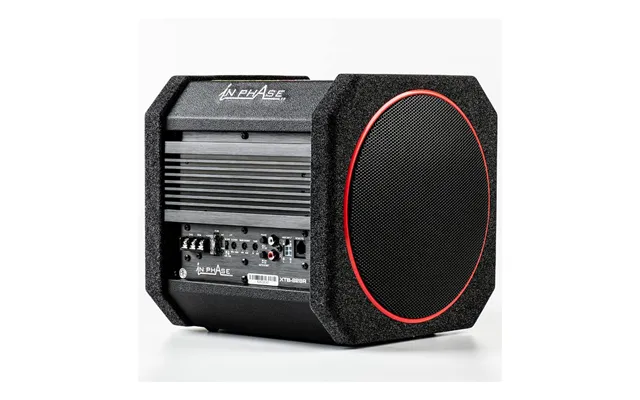
If you want a simple, plug-and-play solution, active or powered subwoofers are hard to beat. They pair a speaker with a built-in amplifier, so you skip the headache of matching an external amp and sub. On the flip side, component systems—separate subwoofer and amplifier—offer better flexibility, higher power handling, and often superior sound when properly set up. It’s like choosing between an all-in-one coffee maker and a professional espresso machine: convenience versus control.
Go external if you plan to run multiple subs, want higher output, or care about fine-tuning EQ and gain staging. An amp gives you room to grow your system and offers better thermal handling. Just make sure your wiring kit is beefy enough to carry the current—thin wires and big amps don’t mix well.
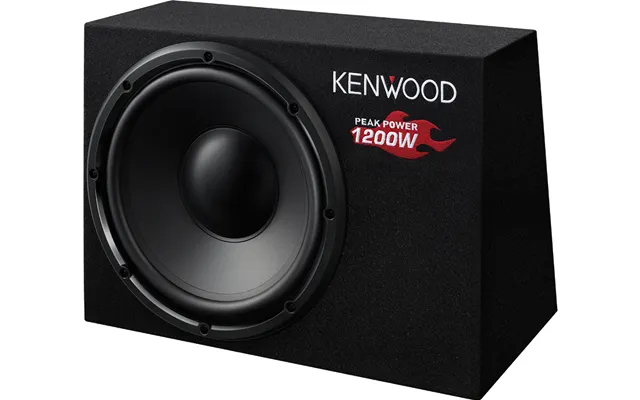
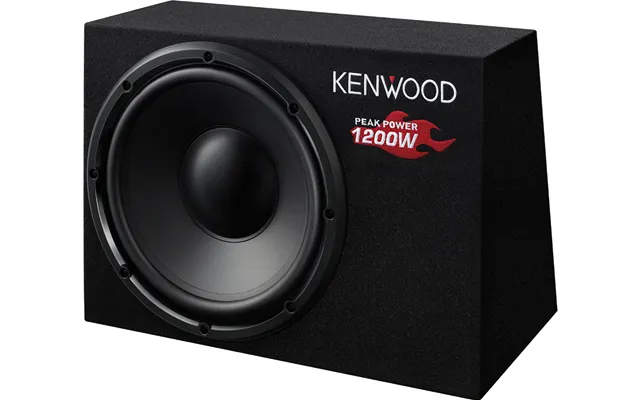
Enclosures shape the sound almost as much as the subwoofer itself. Prebuilt boxes are convenient and tuned for the driver they hold, but custom boxes let you optimize every inch of trunk space and tune the port for a specific frequency response. A well-built enclosure reduces distortion and keeps the driver safe under heavy use. If you're into DIY, building your own box gives great value, but if you want a hassle-free solution, select a prebuilt box matched to your chosen sub size.
MDF or high-quality plywood are common enclosure materials because they resist vibration and flex. Avoid thin plastic boxes unless they’re part of a well-engineered slim sub. The seal must be airtight for sealed boxes, and ports should be smooth and free of obstructions for ported enclosures. Good bracing inside the box prevents panel flex, which reduces unwanted noise and helps the subwoofer perform more efficiently.
Getting the install right matters. A decent wiring kit includes a power cable, ground cable, fuse holder, and remote turn-on lead. Match the gauge of the power wire to the amplifier’s requirements—thicker wire for more powerful amps. If your car stereo lacks RCA outputs, a line output converter (LOC) will convert speaker-level signals into preamp outputs for the amp. Proper grounding and a solid fuse near the battery will keep things safe and reliable.
DIY installs save cash, and many kits come with clear instructions. However, if you’re unsure about electrical work or custom enclosures, professional installation can prevent costly mistakes. Ask for a tidy wiring job, secure mounting, and correct gain settings—these seem small, but they’re the difference between a crisp system and one that hums or clips.
You don’t want an amp that’s too weak or overpowering for your sub. Instead of fixating on numbers, think of matching the amp’s recommended range to the subwoofer’s impedance—typically 2-ohm or 4-ohm stable. Many aftermarket amplifiers offer variable bass boost, adjustable crossover points, and low-pass filters so you can dial in only the frequencies the sub should play. A good amp powers the sub cleanly without distortion or overheating.
Mono amplifiers are optimized for subwoofers and usually provide the clean, deep bass you want, while multichannel amps can power subs and other speakers in a single unit. If your setup includes separate speakers and a sub, a multichannel amp simplifies the wiring. For pure bass systems, a mono block amp is the most efficient choice and often more reliable at producing low bass at higher volumes.
Shopping around pays off. Many comparison sites aggregate “popular offers” and create price lists to help you find the best deal on subwoofers, amps, and complete kits. Look for seasonal discounts, bundle deals that include a wiring kit or enclosure, and verified customer reviews that reflect real-world performance. A lower price can be tempting, but check return policies and warranty coverage—these matter if the sub develops problems.
Good value isn’t just the cheapest item. It’s the best combination of build quality, sound performance, and post-purchase support. A slightly pricier sub from a trusted brand with a two-year warranty and solid reviews may save you headaches and replacements down the road. Consider the total package: subwoofer, enclosure, amplifier, and wiring—all together—when comparing price lists.
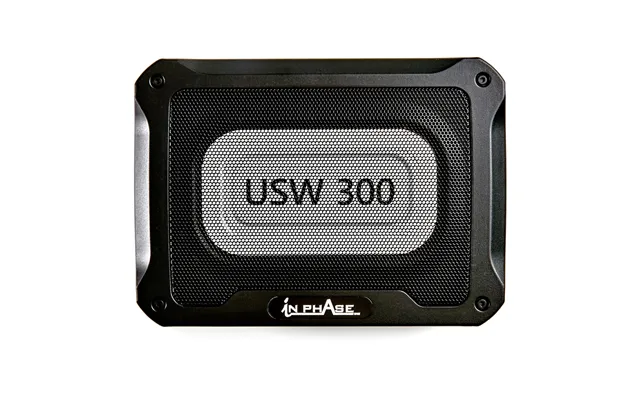
While brands and models rotate with new releases, a few categories consistently earn praise. Compact powered subs deliver great performance for small cars; 12-inch component subs remain the go-to for balanced bass; and 15-inch drivers are the pick for extreme SPL seekers. Look at models that emphasize excursion control, rigid cones, and robust voice coils—those technical features mean more reliable bass over time. Read user reviews to hear how a sub performs in real cars, not just lab tests.
On a budget? Aim for a well-reviewed 10-inch powered sub or a complete kit with a matched amp and enclosure. If you’re investing more, premium 12-inch or 15-inch component subs with heavy-duty cones, optimized motor structures, and high-quality surround materials will give cleaner, louder bass and longer life. Remember, a premium sub in a cheap box won’t perform as well, so budget for a proper enclosure or a premium prebuilt box.
Tuning is where a system goes from “meh” to “wow.” Start with your amplifier’s gain control—set it so the sub is loud but not distorted when a heavy bass track plays. Use a low-pass filter to keep the sub focused on bass frequencies and set the phase control so the sub and main speakers work together. If your receiver has a built-in equalizer or automatic room correction, run the setup mic and tweak from there. Small adjustments in crossover and gain can dramatically improve clarity and impact.
Avoid cranking the gain to compensate for missing bass; that leads to distortion and blown subs. Don’t under-power a sub with a tiny amp unless it’s a powered sub with a matched amp. Finally, resist the urge to place the sub loose in the trunk without an enclosure—most subs need a box to perform properly and avoid mechanical damage.
Treat your subwoofer like any other piece of gear: keep it dry, avoid extreme temperatures, and don’t push it into distortion for long periods. Inspect wiring for corrosion and loose connections annually, and re-seat screws if you hear rattles. If your car gets wet inside, remove the sub and dry it thoroughly to prevent voice coil damage. Proper care can add years to a sub’s lifespan.
Price ranges vary widely. Entry-level powered subwoofers and compact kits can start under a couple hundred dollars, mid-range component subs with solid enclosures and matched amps fall into the mid-hundreds, and premium setups—separate subs, high-end mono amps, and custom enclosures—can top a thousand dollars or more. Remember that a complete, well-matched system usually delivers better value than piecing together parts without attention to compatibility.
Watch for package deals that include the sub, amp, and wiring kit. Buying last year’s model can also save money while delivering nearly identical performance to the latest release. Comparison sites are particularly helpful for tracking price drops and bundling opportunities, letting you spot a deal that matches your needs and budget.
Before clicking “buy,” measure your trunk space, decide on the sub size and enclosure type, check amplifier compatibility, and confirm the wiring kit’s gauge. Read a mix of professional reviews and customer feedback, and consider how loud you want to get versus how clean you want the sound. If you’re unsure, start with an active sub or a matched kit—these options reduce guesswork and usually install faster.
Adding a motor vehicle subwoofer is one of the most transformative upgrades you can make to your car audio. Whether you want subtle warmth or stadium-level bass, there’s a solution that fits your vehicle, space, and listening style. Focus on the driver size, enclosure type, and amplifier match, and don’t forget the value of proper tuning. Shopping smart—using comparison tools and price lists—helps you find the sweet spot between cost and performance. With the right sub, every drive can feel like front-row seats to your favorite show.