All categories
Business & Offices
Electronics & Media
Fashion & Accessories
Groceries & Essentials
Health & Personal Care
Home & Living
Kids & Family
Sports & Outdoors
Search in ZoneOffer
Loading...
Ever been stuck on the side of the road watching your car’s gas gauge creep toward empty? A good portable fuel can is like a pocket-sized lifeline — small enough to stash in the trunk yet powerful enough to keep you moving. The right can reduces spills, prevents fumes, and lasts for years. Think of it as the difference between a paper umbrella and a heavy-duty tarp in a storm: both might cover you, but one actually does the job without falling apart.
Not all fuel cans are created equal. Depending on your needs — camping, boating, lawn care, or emergency backup — you’ll want a specific type. Choosing the wrong one is like trying to use a butter knife to cut a steak: technically possible, but messy and inefficient.
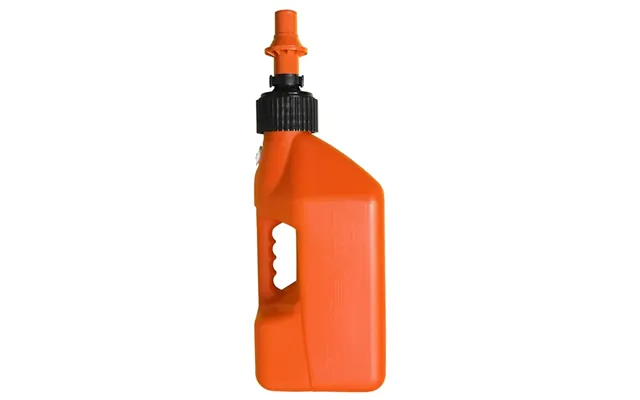
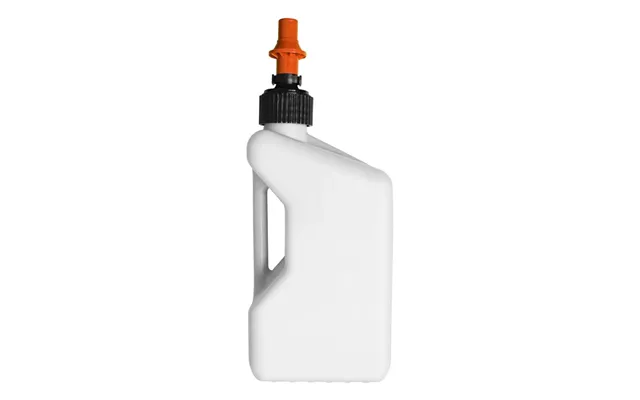
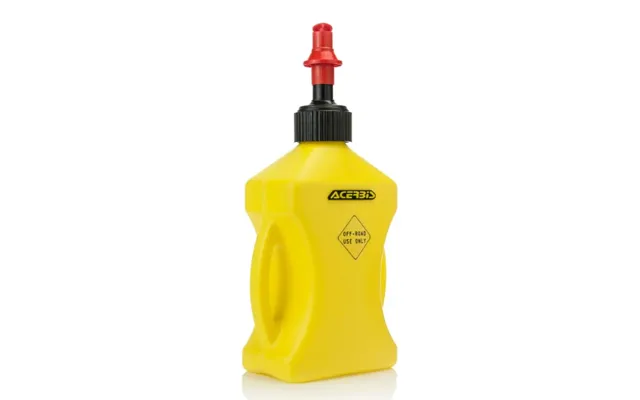
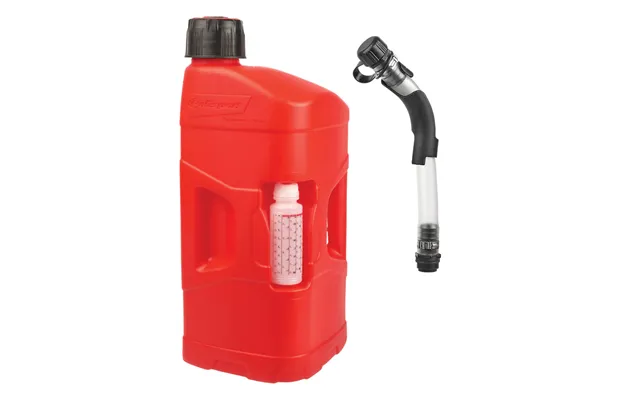
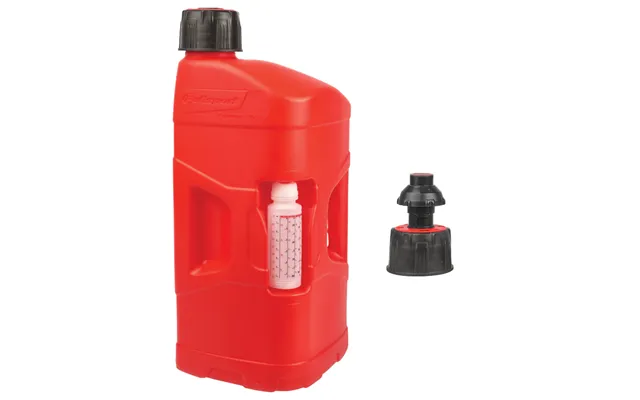
Plastic or polyethylene gas cans are lightweight, rust-proof, and usually less expensive. They commonly come in sizes from 1 gallon up to 5 gallons, which makes them great for cars, lawn mowers, and small boats. Modern designs often include built-in spouts and venting systems to reduce glugging and spills. Expect a 5-gallon poly can to weigh around 3 to 5 pounds when empty, making handling easier for one person.
Steel jerry cans are the classic, rugged option. They’re tougher when dropped and resist punctures, which makes them favorites for off-roaders and overlanders. A typical 4-gallon steel jerry can might weigh 8 to 12 pounds empty, but its durability often justifies the weight. Steel cans are ideal when you need to stack or strap containers to a roof rack and want resistance against abrasions and sharp objects.
Collapsible fuel bladders and soft-sided cans are lightweight and pack down flat when empty, which is handy when cargo space matters. These usually range from 1 gallon to 10 gallons in capacity and are excellent for boating or backpacking vehicles where saving inches of space is important. Just remember they require a little more care to avoid punctures and often need specialized caps or transfer pumps for safe pouring.
When comparing fuel cans, look beyond the price tag. Small design choices make a big difference in real-world use. Asking the right questions now saves you a headache later: Will it spill? Will it fit in my trunk? Is it legal and certified?
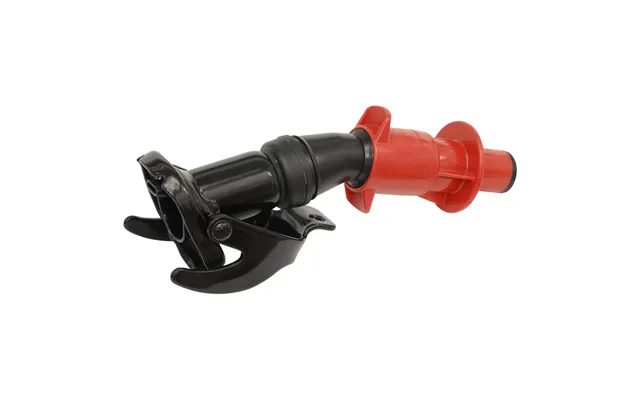
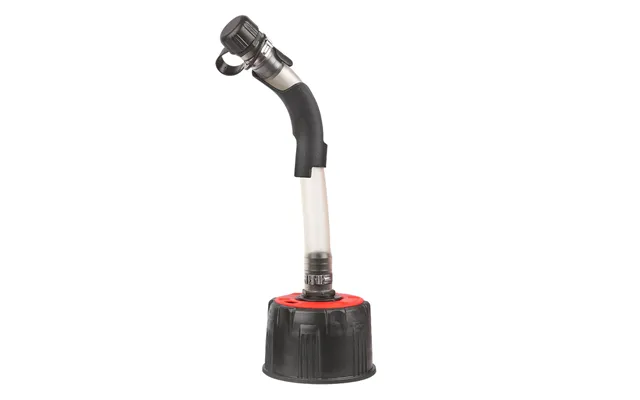
No-spill spouts are a game-changer. They channel gasoline smoothly without the “glug-glug” that causes spills and fumes. Auto-venting systems balance pressure inside the can, allowing fuel to pour like a steady stream instead of splashing. If you plan to refuel an ATV or lawn mower, a can with an integrated nozzle and vent will save time and cleanup.
Safety certifications like DOT, EPA, or OSHA-compliant markings matter, especially if you plan to transport fuel by road. Flame arrestors and child-resistant caps add protection against flashback and accidental openings. Look for cans that mention UN approval for transporting hazardous liquids — those are built to tougher standards.
Capacity affects portability and legality. A 5-gallon can is a common balance between carrying enough fuel and staying manageable; it typically weighs about 40 pounds when full. If you need more than one can, think about handles, grip locations, and whether two people will carry them. Also, consider the can’s footprint in your vehicle — a wide base may be stable but take more trunk space.
Below are practical recommendations that reflect what experienced users often choose. These aren’t brand endorsements but a breakdown of the best features to seek in each category so you can compare options quickly.
A 5-gallon poly can with no-spill spout and auto-vent is the all-around winner for most people. It’s light when empty, stackable, and usually includes a flexible spout for tight openings. This type is perfect for everyday drivers, homeowners with garden tractors, and weekend boaters. If you only want one can for general use, this size and style are hard to beat.
If you mount your cans on a roof rack or rear cargo carrier, steel jerry cans are the way to go. Their rigid shape makes them easier to tie down, and they withstand impacts better than soft options. A 4-gallon steel can offers a solid compromise between capacity and manageability for trail use.
For kayaks, sailboats, or minimalistic pack-outs, a 2-gallon collapsible bladder is ideal. It saves precious inches when not in use and is usually lighter than rigid cans. Just keep it away from sharp edges and don’t store it near heat sources for long periods.
If you need a cheap emergency can to keep in the trunk, a 1- or 2-gallon poly can will do. They’re easy to store and inexpensive, but the low price often means fewer advanced features, so expect basic spouts and limited venting. For occasional use and short trips, they’re perfectly practical.
Accessories can turn a good fuel can into a great one. From pumps to spouts, these add-ons reduce mess, speed refueling, and improve safety. They’re like the right pair of shoes: suddenly everything works better and feels more comfortable.
Manual squeeze pumps and electric transfer pumps speed up fuel transfer and reduce spills. For 5-gallon cans, a battery-powered pump is convenient and usually moves fuel in less than a minute. Manual siphon pumps are cheap and reliable, but they take more effort and can be slower.
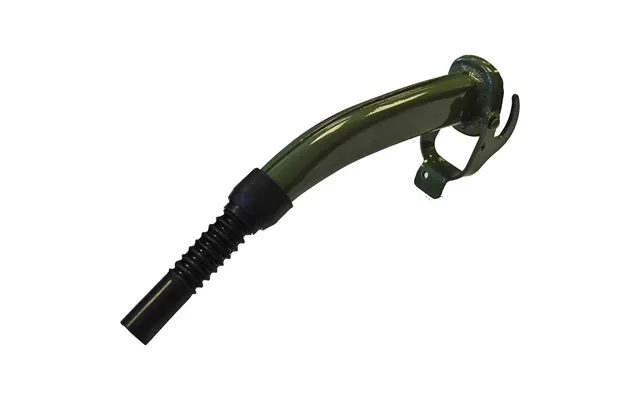
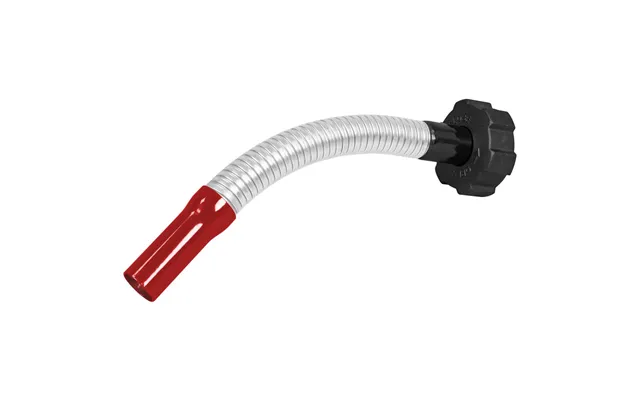
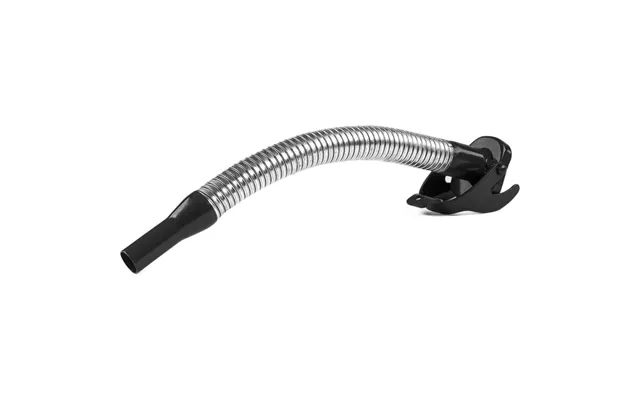
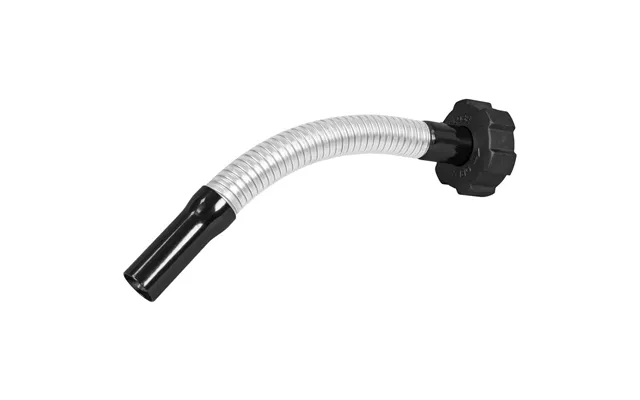
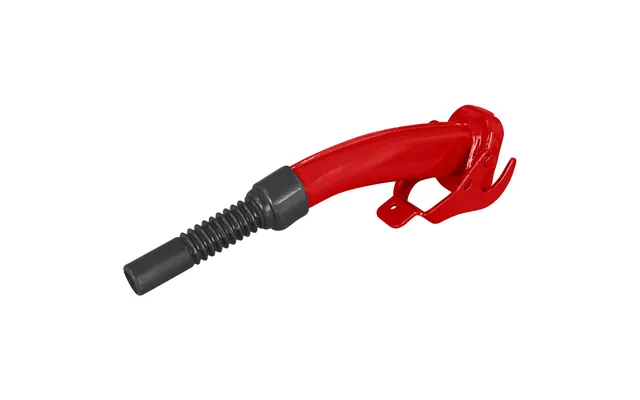
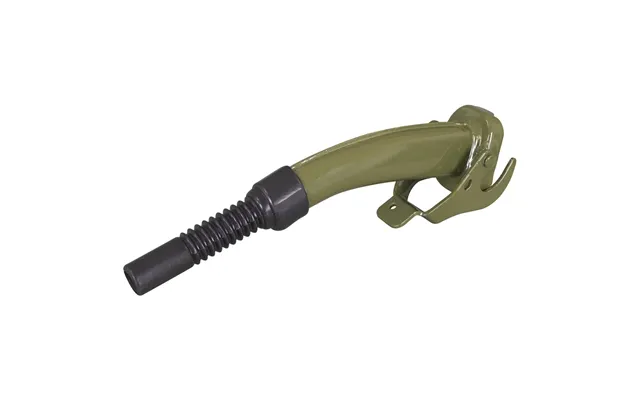
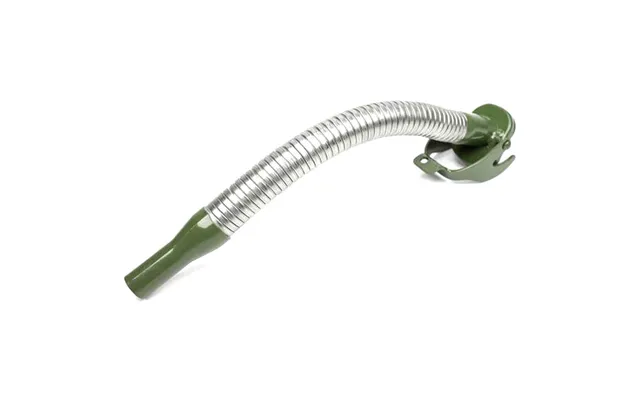
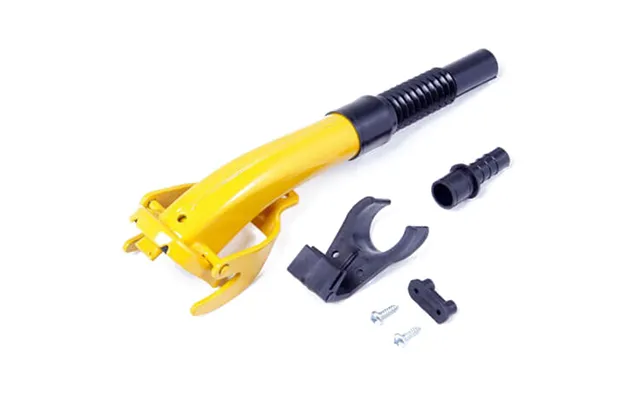
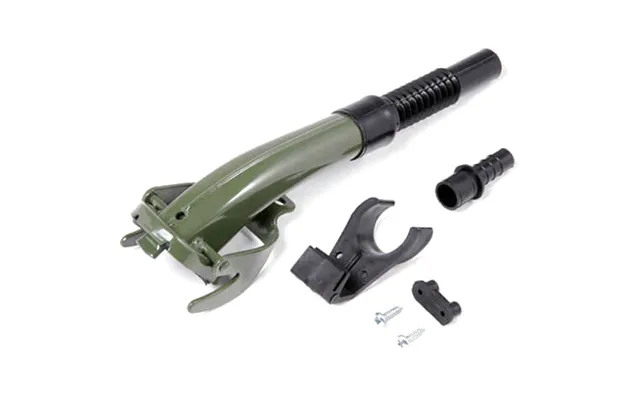
Extra spouts, funnel attachments, and locking caps are inexpensive but useful. A flexible spout helps reach recessed filler necks on lawn mowers, while a funnel with a built-in filter keeps debris out. Safety caps that lock prevent curious hands from opening the can, and vented caps help reduce pressure buildup during temperature changes.
Proper storage increases safety and helps your fuel stay usable. Think of storage as the aftercare that keeps your can ready for action, like oiling a hinge so it doesn’t squeak when you need it most.
For short-term storage, keep fuel cans in a cool, well-ventilated area away from direct sunlight and open flames. Store cans upright on a flat surface and secure them so they won’t tip. Avoid storing full cans in passenger compartments; the trunk or a lockable cargo area is better.
If you plan to store fuel for weeks or months, add a fuel stabilizer to prevent degradation. Gasoline can break down over time and gum up engines; a stabilizer preserves it for months. For long-term storage, rotate your fuel supply every few months and keep cans away from temperature extremes to avoid vapor pressure build-up.
Transporting fuel comes with responsibilities. Whether you’re carrying a single 1-gallon can or multiple 5-gallon cans, follow rules and common-sense safety to avoid fines, spills, or worse. Safety is a seatbelt for your fuel — don’t skip it.
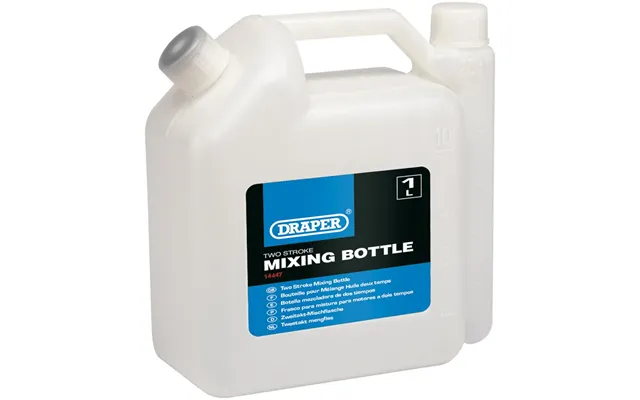
In many places, transporting gasoline in approved containers is legal, but limits may apply on the quantity you can carry inside a vehicle. Secure cans so they can’t tip or slide, and keep lids tightly closed. Never leave fuel cans in a hot car for prolonged periods, as pressure can build up and create leaks.
Always ground metal cans during transfer to reduce static electricity risks. Keep a fire extinguisher rated for flammable liquids nearby when transferring or storing fuel in garages and workshops. Wear gloves and eye protection if you’re handling fuel often — it’s simple protection that goes a long way.
Choosing the right can is a bit like picking the right tool for a job: you want balance, convenience, and reliability. Ask yourself how often you’ll use it, what you’ll carry, and where you’ll store it.
Smaller poly cans in the 1 to 2 gallon range are perfect for lawn mowers, chainsaws, and other small engines. The light weight and small footprint make them easy to lift and pour with precision, reducing overfills that ruin spark plugs.
Marine uses often call for fuel containers designed specifically for boats, with secure venting and UV-resistant materials. If you’re carrying a can on deck, choose one with a secure cap and a flame arrestor if required by local regulations. Collapsible bladders are also popular for kayaks and small sailboats because they won’t roll around and can fit into tight compartments.
Shopping smart matters when buying fuel cans. Price comparison sites, outdoor retailers, marine supply shops, and hardware stores usually stock a range of cans and accessories. Before you buy, compare specs like capacity, material, weight, and safety certifications. Think of it like window-shopping — a few minutes comparing features can save you money and frustration down the road.
Before you click “buy,” run through this quick checklist: Does the can meet safety standards? Is the capacity right for your needs? Does it have a no-spill spout and venting? Is the weight manageable when full? Does it come with a good return or warranty option if it leaks or fails? These simple checks keep you from buying the wrong can for the job.
Portable fuel cans are a small but essential part of vehicle ownership, boating, and outdoor adventures. Choosing the right can — poly or steel, rigid or collapsible — means balancing capacity, weight, safety, and convenience. Look for no-spill spouts, proper certifications, and the right accessories to make fueling fast and mess-free. With the right can in your trunk or on your rack, you'll feel a lot less anxious about empty tanks and a lot more ready for whatever the road, trail, or water throws at you.
| Portable Fuel Cans | Price | |
|---|---|---|
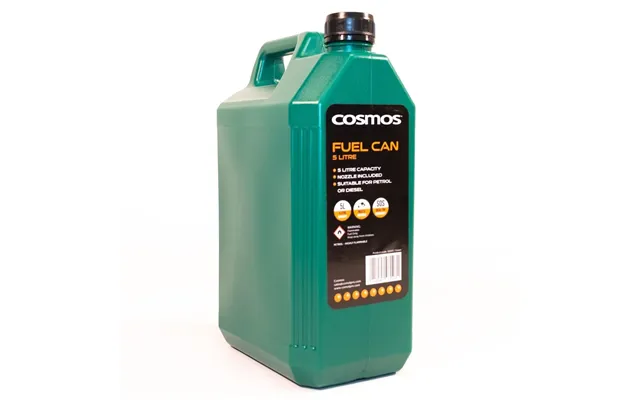
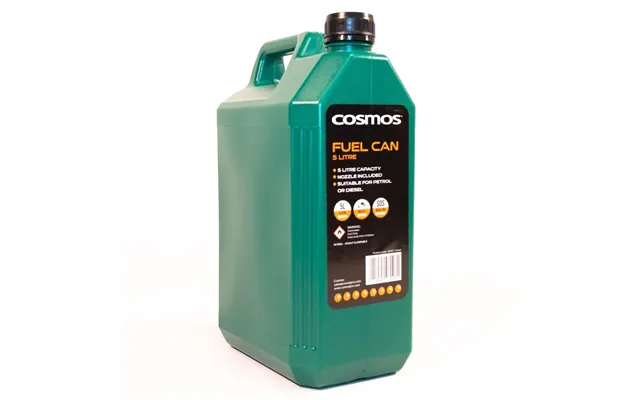
| Cosmos 5l Large Plastic Fuel Can - Green | £ 1,99 | |
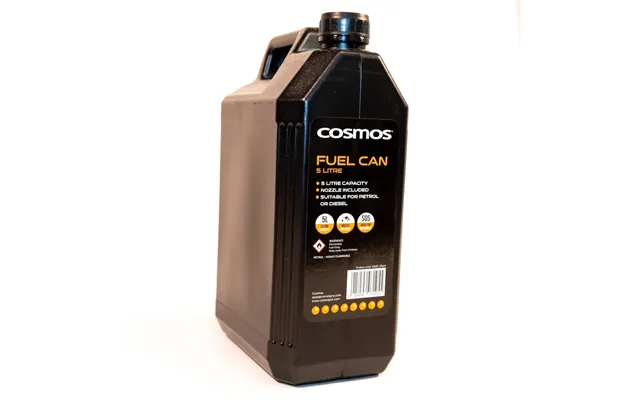
| Cosmos 5l Large Plastic Fuel Can - Black | £ 1,99 | |
| Cosmos 5l Large Plastic Fuel Can - Red | £ 8,99 |