All categories
Business & Offices
Electronics & Media
Fashion & Accessories
Groceries & Essentials
Health & Personal Care
Home & Living
Kids & Family
Sports & Outdoors
Search in ZoneOffer

Loading...
Think of a vehicle cover as a weatherproof blanket for your car, truck, or motorcycle — it shields paint, trim, and glass from rain, sun, bird droppings, and dust. If you park outside even a few nights a week, a good cover can save you the headache of buffing out swirls, repainting faded panels, or replacing cracked dashboards. Covers work like sunscreen and a raincoat combined: they block UV rays that fade paint and they shed water so moisture doesn’t sit and cause rust. For collectors, seasonal drivers, and everyday commuters alike, a cover is often the most cost-effective way to extend a vehicle’s life and preserve resale value.
Not all vehicle covers are created equal. Choosing the right type depends on where you park, how long you’ll store the vehicle, and what threats you want to defend against. Below I break down the most common styles so you can match a cover to your real-world needs.
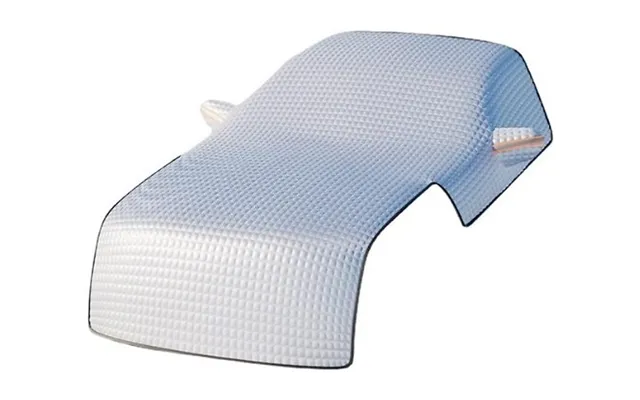
Full car covers wrap the entire vehicle from bumper to bumper and usually include mirror pockets, elastic hems, and tie-down straps. These are the go-to choice when you want maximum protection — ideal for long-term storage or vehicles kept outdoors. Full covers come in universal sizes, but for the best fit you can buy a cover tailored to your vehicle’s make and model. A tight fit prevents flapping in windy weather, which can cause abrasion on paint.
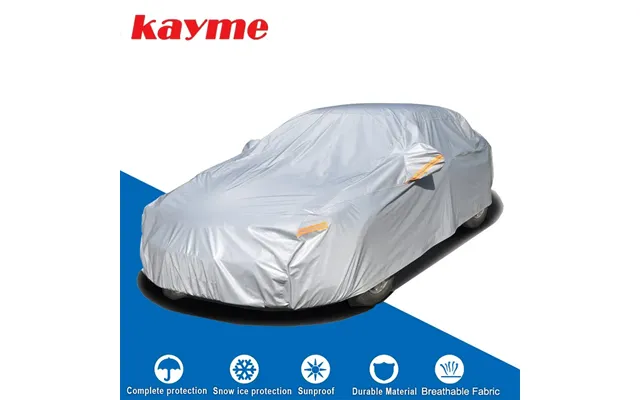
If your vehicle faces rain, snow, sun, and wind, look for all-weather outdoor covers made from layered, breathable fabrics with water-repellent coatings. These covers are designed to resist heavy downpours and occasional snow loads without trapping moisture underneath. Ventilation panels prevent condensation, which is crucial if temperatures swing from freezing nights to warm, sunny days.
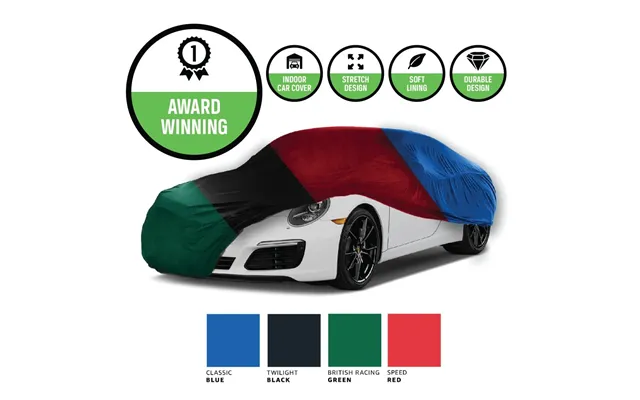
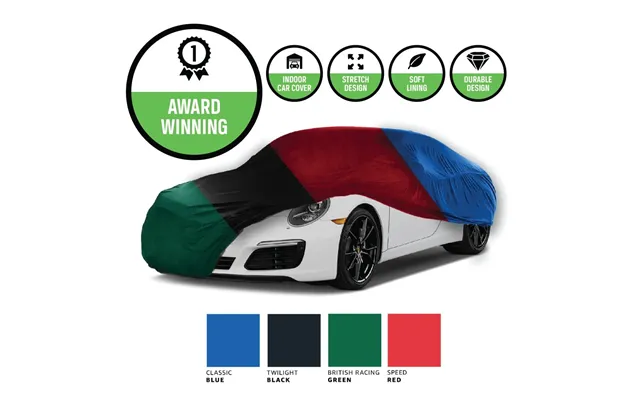
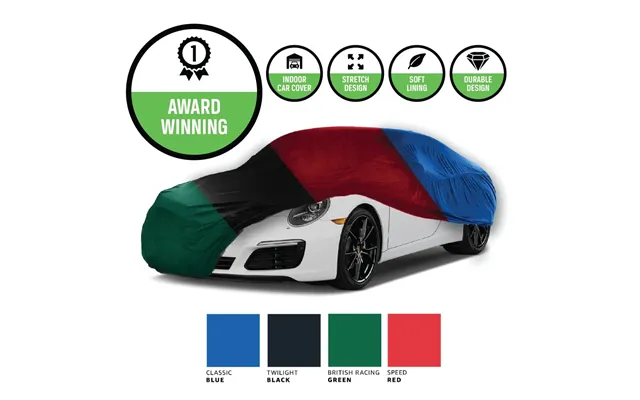
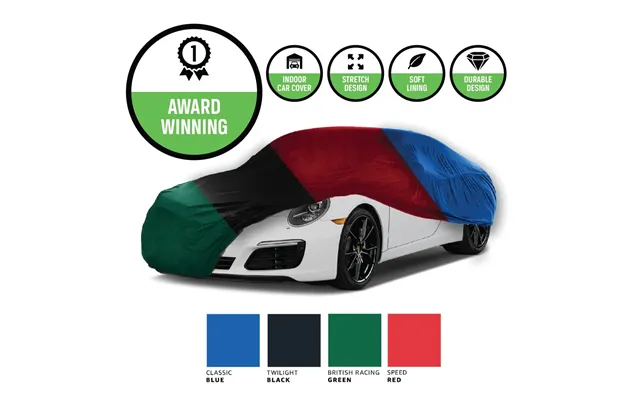
Indoor covers are lighter, softer, and less bulky than outdoor covers. Their job is simple: keep dust, cobwebs, and garage grime off the paint. If you store a collectible in a climate-controlled garage, a lightweight cotton or microfiber cover is perfect. These covers are gentle on paint and are a breeze to put on and take off.
Custom-fit covers are tailored to the exact dimensions of a vehicle — they hug contours, doors, and mirrors, delivering the most protective, low-drag solution. Universal covers are more flexible and usually cheaper, but you’ll want to choose the correct size band (small, medium, large, XL) to avoid flapping and gaps. If you’re unsure, measure your vehicle’s length in feet and compare with the manufacturer’s sizing chart.
Material choice dictates how well a cover performs. Some fabrics prioritize waterproofing, others favor breathability, and higher-end covers combine both with a soft inner lining to prevent scratches. Here’s a closer look at the most popular materials and why they matter.
Waterproof covers keep rain out, but if they’re not breathable, trapped moisture can cause condensation and surface corrosion. Look for multi-layer covers with a waterproof outer layer and a breathable middle layer that lets water vapor escape while keeping liquids out. Vent panels help too — they allow airflow without letting rain in. Think of it like a rain jacket with vents: dry outside, breathable inside.
Sunlight is one of the most damaging forces on a vehicle’s finish. UV-resistant coatings and reflective outer layers reduce heat buildup and bleaching. Lighter-colored covers reflect sunlight and help keep interiors cooler, while darker covers absorb heat but may offer other stylistic options. If you park in full sun for hours, prioritize UV protection even if it costs a bit more.
A soft inner layer — usually cotton or non-woven microfiber — prevents the cover’s outer fabric from rubbing against the paint. This is essential for daily use or when the cover will be put on and taken off frequently. Think of the inner lining as a pillowcase for your car; it keeps surfaces cushioned and scratch-free.
Getting the size right is half the battle. An oversize cover can flap and abrade, while an undersized one won’t offer full protection. Always measure your vehicle’s length from bumper to bumper in feet and compare with product sizing charts. For most sedans, you’ll want a cover in the 14 to 16 foot range, while SUVs and full-size trucks may need 16 to 20 feet. If you’re buying a universal cover and you’re between sizes, choose the larger size if you park in windy conditions — just make sure it has secure tie-downs.
Small features can have a big impact on performance and convenience. When shopping, check for items like elastic hems, mirror pockets, reinforced grommets, and storage bags. These features increase usability and protect the cover itself from damage.
Tie-down straps and elastic hems keep covers snug in wind. Mirror pockets prevent stretching across mirrors and provide a neater fit. Reinforced seams and double stitching add durability around stress points. If you live in an area with frequent gusts, prioritize covers with strong straps and buckles that can anchor under the vehicle.
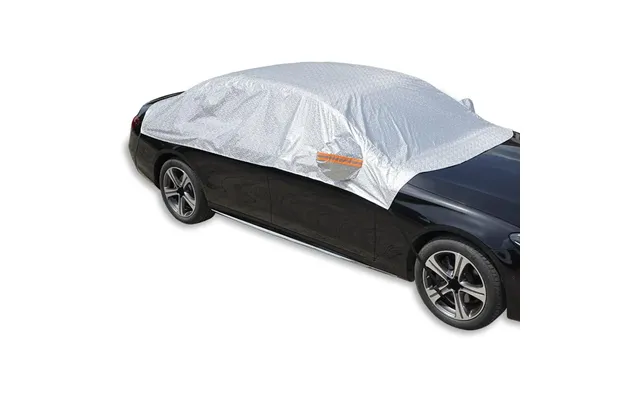
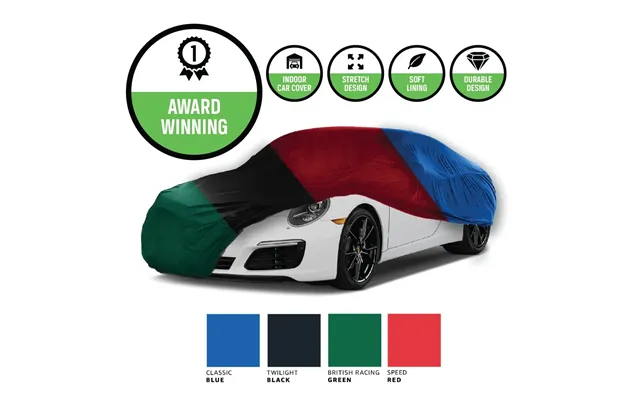
Zippers and access panels allow you to reach the door lock, antenna, or gas cap without removing the entire cover — super handy for frequent-use vehicles. Ventilation ports stop condensation from building up, which is especially important if your region swings between cold nights and warm days. Look for easy-to-reach zippers with pulls designed to avoid scratching paint.
Accessories can boost your cover’s effectiveness. A few inexpensive add-ons make life simpler and protect the car and cover from premature wear.
Most covers come with a storage bag, but you’ll want a durable, weatherproof bag for outdoor storage when the cover isn’t on the car. Locking kits — small cable locks that thread through grommets — deter opportunistic theft of the cover. A proper storage bag also keeps the cover clean when not in use, extending its lifespan.
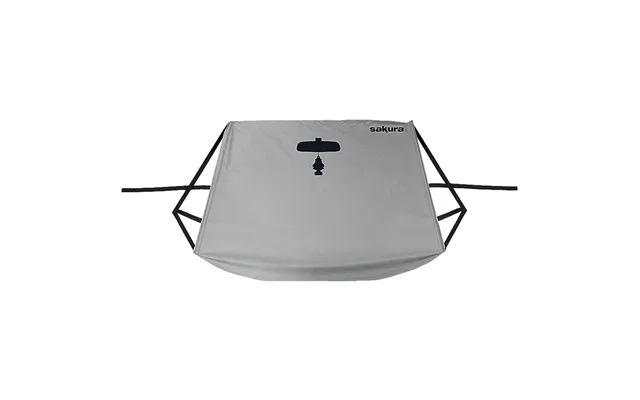
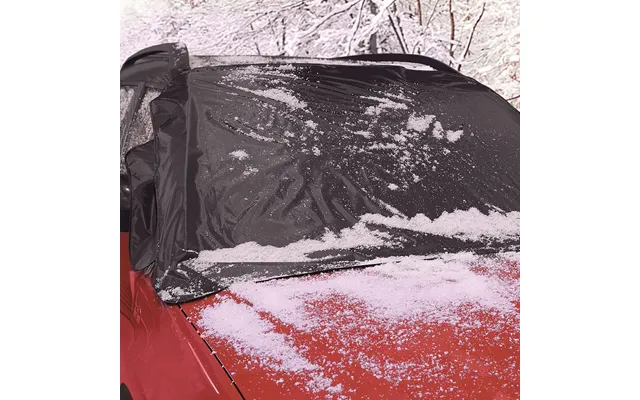
Heated covers are a niche but clever solution for those who need to prevent ice and frost buildup on windshields. For windy regions, windproof straps with quick-release buckles make a huge difference, stopping the cover from blowing off and preventing abrasion. These straps typically run a few feet and cinch tightly under the vehicle.
One size does not fit all when it comes to vehicles. Cars, SUVs, trucks, and motorcycles have different shapes and vulnerabilities, so covers are tailored accordingly.
Sedans and coupes usually require covers in the 14 to 16 foot range. If you own a sports car with low clearance, look for covers with softer hems and low-ground tie systems to avoid scraping. For convertibles, choose covers with mirror pockets and extra ventilation to prevent mildew on the soft top.
SUVs and full-size trucks often need 16 to 20 feet of coverage. Pay attention to length and height — bed covers for trucks are a different category. If you have a truck with a lift kit or oversized mirrors, seek out covers specifically designed for lifted vehicles and extended mirrors to ensure proper fit.
Motorcycle covers are compact but must account for exhaust heat and fuel tank shape. Heat-resistant panels near the exhaust prevent melting, while tie-down loops keep the cover in place. If you store a bike outside, choose a breathable, water-resistant option with soft inner lining to protect painted tanks.
A cover is only as good as the care it receives. Regular cleaning, proper storage, and occasional inspections will extend its life and maintain protection. Most covers can be hand-washed or machine-washed on a gentle cycle; always follow the manufacturer’s care instructions. Dry thoroughly before storing to prevent mildew. Inspect seams and straps periodically and patch any small tears before they grow. Treat the cover like a piece of outdoor gear — clean it after heavy storms or mud exposure, and store it in a dry place between seasons.
Price is important, but think of value instead of the lowest sticker. A cheap cover that fails after one season costs more in the long run than a durable mid-priced cover that lasts five years. Compare features, materials, and user reviews. Look at warranty length and what it covers. If you’re unsure where to start, comparison sites can help you line up spec sheets and prices side-by-side so you can evaluate features like waterproof ratings, layer construction, and custom fit options without jumping between a dozen product pages.
On a tight budget? Entry-level covers are fine for short-term outdoor use or indoor dust protection but expect trade-offs in durability and water resistance. For a higher upfront cost, premium covers offer multi-layer protection, lifetime warranties, and a closer fit. If you plan to keep your vehicle for several years, or you own a classic or high-value car, a premium cover is often the smarter investment — it pays back by preventing costly cosmetic and mechanical damage.
Before you click buy, run through a quick checklist: measure your vehicle in feet, decide indoor vs outdoor use, pick a material with UV and waterproof protection, verify ventilation, and confirm straps and mirror pockets are included. Check reviews for real-world fit and durability, and compare prices across retailers and comparison sites to get the best deal without sacrificing the features you need.
Choosing the right vehicle cover doesn’t have to be overwhelming. Think of it as choosing a guard for your vehicle — the better the guard, the less time and money you’ll spend fixing avoidable damage. Whether you need a lightweight indoor cover, a rugged all-weather shield, or a custom-fit protector, prioritize fit, breathable waterproofing, and protective inner lining. With the right cover and a little maintenance, your vehicle will look better, hold value, and stay protected through sun, rain, and snow. Shop smart, measure carefully, and treat your car to the right kind of shelter — it will thank you with years of good looks and dependable performance.

| £ 42,- |
| Plush Seat Cushion With Backrest Universal Seat Cushion Seat Cover | £ 79,29 |
| Car Winter Wool Front Single Piece Universal Seat Cover Plush Cushion | £ 87,43 |