

Watercraft Exhaust Parts price list
Last updated Saturday, 17 Oct 2026





View 16 Offers
Loading...
Last updated Saturday, 17 Oct 2026
Think of your watercraft’s exhaust like the lungs of an athlete — if they’re clogged or tired, performance suffers. Upgrading or maintaining exhaust parts isn't just about sound; it's about power, fuel economy, and reliability on the water. Whether you cruise at 30 mph or push for a top speed, a well-chosen exhaust system helps your engine breathe easier and perform better.
Manifolds collect exhaust from the cylinders and funnel it into the riser and system. Risers often combine water and exhaust to cool gases and prevent overheating. Look for corrosion-resistant materials and designs that reduce backpressure — you’ll see parts described in sizes like 2.5-inch outlets or risers that fit into 6-inch mounting spaces.
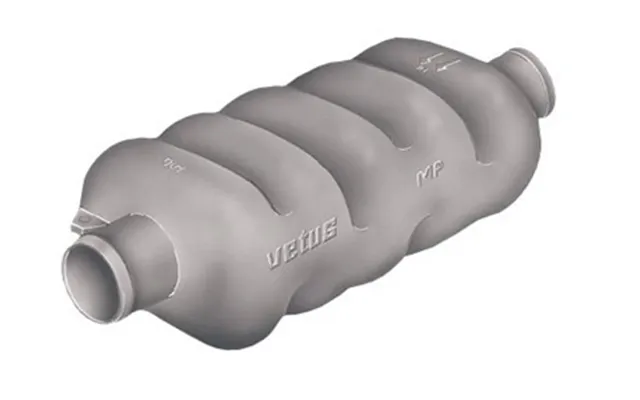
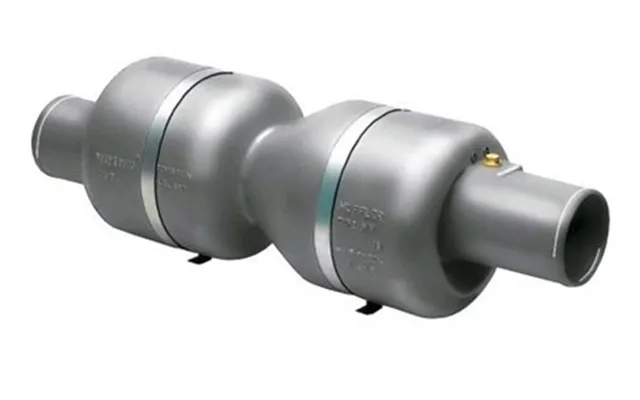
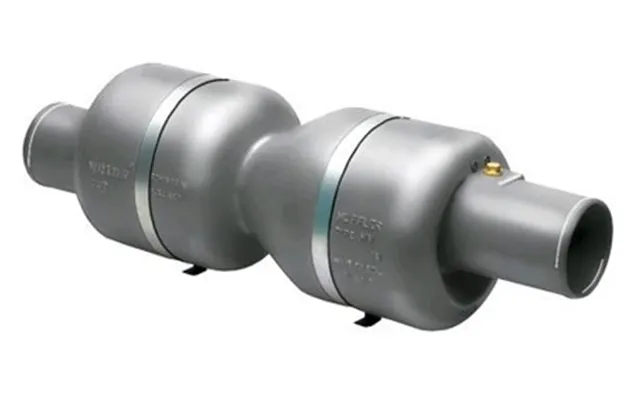
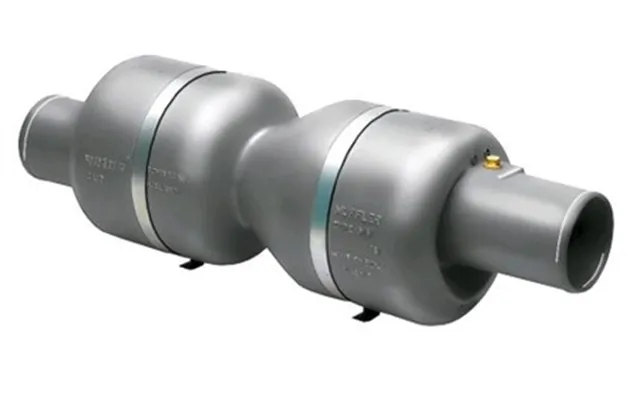
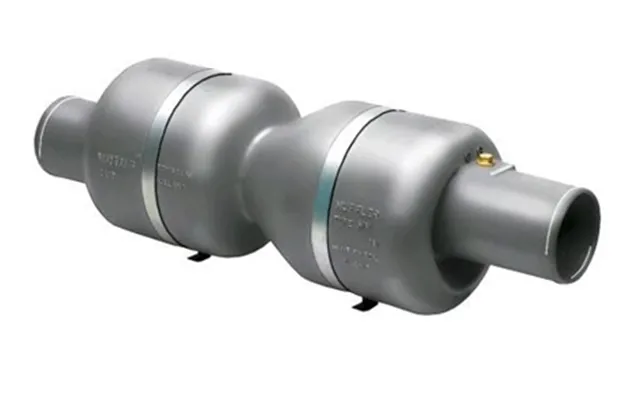
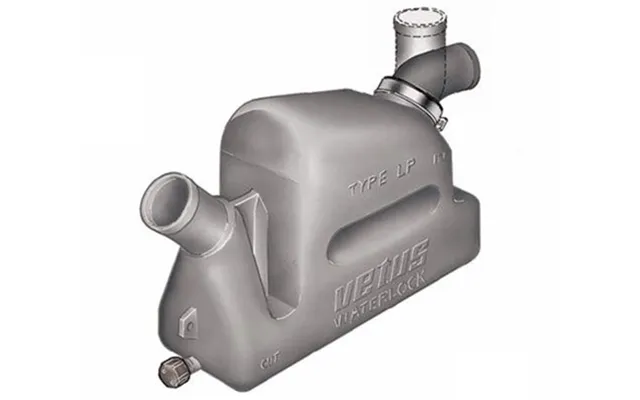
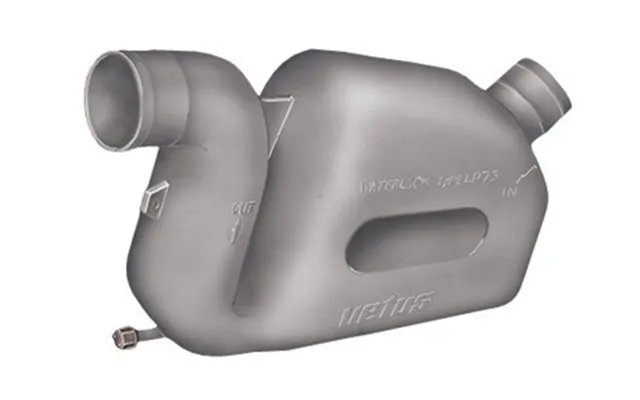
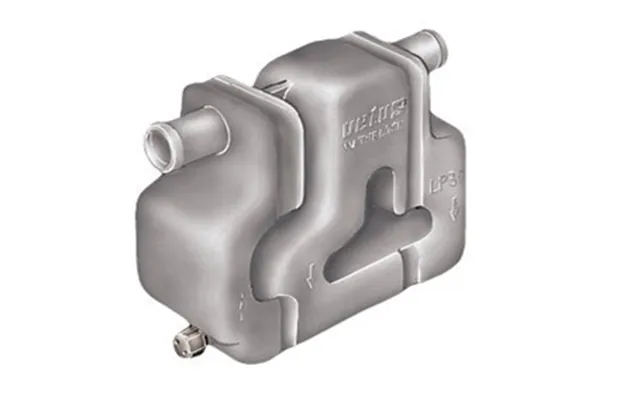
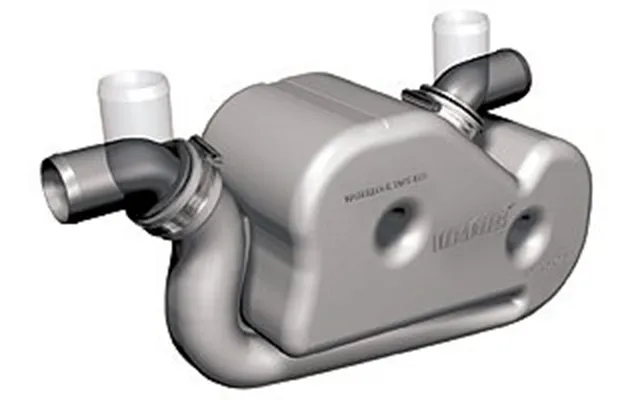
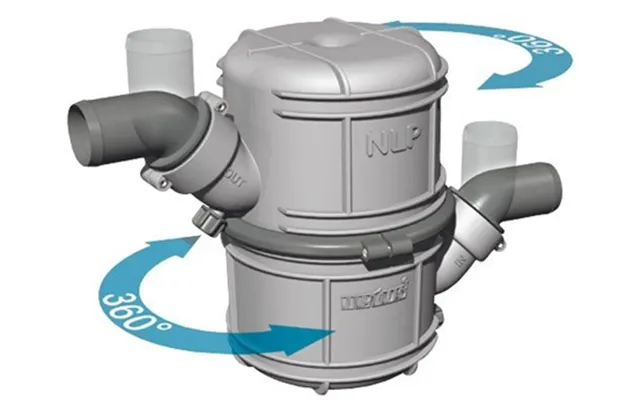
Mufflers tame noise and sometimes improve throttle response. Marine mufflers are different from car mufflers because they often integrate water paths to cool the exhaust. If noise is a concern where you ride, a well-designed muffler can be the difference between a friendly cruiser and a nuisance-maker.
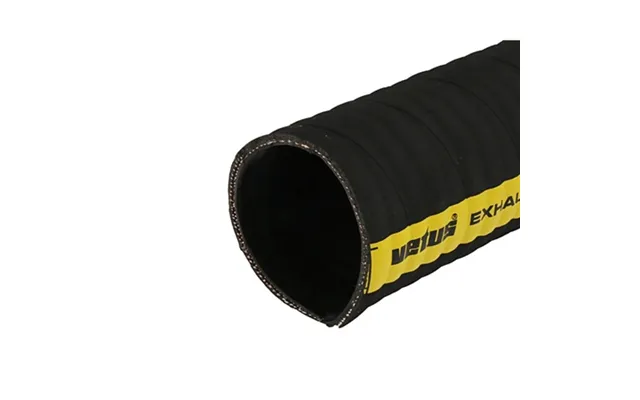
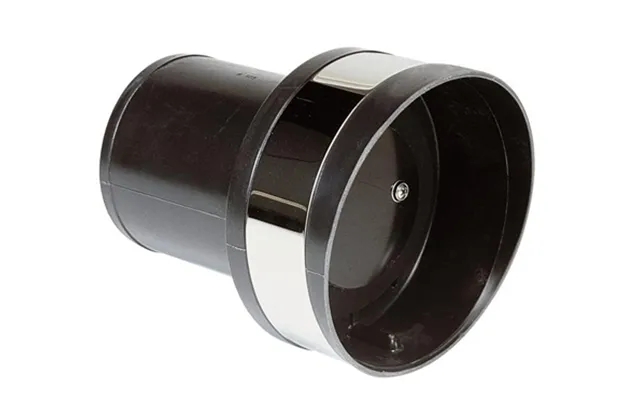
Elbows change direction while maintaining flow; hoses connect rigid components. In the marine world you’ll find elbows in common diameters like 2 inch and 3 inch, and reinforced exhaust hoses rated to handle heat and saltwater exposure. Flexibility matters — a hose that can flex an inch or two without kinking will save you headaches.
These small parts are the unsung heroes. Flex joints absorb engine movement, clamps provide secure seals, and gaskets prevent leaks. Don’t skimp — a tiny leak in the exhaust can mean major power loss or water ingestion into the engine.
Some modern watercraft use catalytic converters and wet exhaust systems to reduce emissions and control noise. Wet systems mix water with exhaust to cool and quiet the discharge, so look for components that resist internal pitting and handle both heat and corrosion well.
Marine exhaust parts live in a brutal environment: salt spray, wet heat, and constant vibration. Stainless steel — especially marine-grade 316 — is a go-to for durability. Aluminum and coated steels can be lighter and cheaper but may corrode faster. If weight matters to you, titanium is light and strong but costs more. When possible, choose parts with high-quality welds, reinforced hose ends, and corrosion-proof finishes.
There are established OEM options and a lively aftermarket. Brands like Mercury, Yamaha, BRP/Sea-Doo, and Kawasaki supply factory-fit parts specifically matched to their engines. Aftermarket specialists such as Riva Racing and Blowsion are popular for personal watercraft performance upgrades. If you’re shopping for a 3-inch muffler or a 2.5-inch elbow, comparison sites and reviews can help you spot the best value without losing quality.
How do you pick the right part? Start with the engine type: two-stroke and four-stroke engines have different needs. Consider the hull and whether you run in shallow water or rough seas. Also, think about what you want most — more top-end speed, quicker throttle response, quieter operation, or simply replacement for a failed part. Measure the space in feet and inches before ordering, and match flange patterns and bolt spacing to avoid surprises.
Want more power? Performance exhausts can free up horsepower by reducing backpressure, much like clearing a clogged drain improves water flow. But gains aren’t automatic — you’ll typically see modest increases unless you tune the engine or change intake and fuel mapping too. OEM parts focus on reliability and fit, while performance parts chase flow and weight savings. Balance your goals: if you race, aftermarket parts with larger diameters and freer-flowing mufflers make sense; if you fish quietly, OEM might be your best bet.
If you’re handy, many exhaust replacements are straightforward. Always support the engine and secure the hull before removing parts. Use anti-seize on bolts, and replace gaskets and clamps with new units sized in inches to ensure a tight seal. Tighten clamps evenly and avoid over-torquing — snug and secure beats stripped threads. Keep a clean workspace and label hoses so reassembly is painless.
Complex manifolds, hard-to-reach risers, and systems integrated with the cooling loop are best handled by a pro. If you suspect internal corrosion or water has entered the engine, call a certified marine technician. A trained eye can prevent costly mistakes, like cross-threading a manifold bolt or misrouting a hose that leads to cavitation at high speed.
Routine checks are simple but effective. Inspect clamps, hoses, and welds every season or every few hundred miles — whichever comes first. Look for cracks, pitting inside the pipes, and loose hardware. Flush freshwater through systems after saltwater outings, and apply corrosion inhibitors to exposed metal. Replace hoses every few years or sooner if they show signs of wear. Think of maintenance like oil changes: small investments now prevent emergency repairs later.
Listen and feel for trouble. A change in exhaust tone, rattles, or strange backfiring are red flags. Performance drops, higher fuel consumption, or white smoke can indicate water intrusion or leaks. If your watercraft hesitates at mid-range throttle or surges unexpectedly, the exhaust path might be partially blocked. Catching these signs early is like changing a clogged air filter before it ruins the engine.
Fixing marine exhaust issues ranges from swapping out a muffler to replacing a corroded riser. Small leaks often need new clamps and gaskets. A rusty elbow may require cutting out the old section and welding in a replacement, which is a job for a metalworker with marine experience. For hoses, choose marine-grade reinforced types and secure them with two clamps per end when possible to prevent slippage at high RPMs.
Noise matters. Some lakes and marinas have rules limiting how loud you can run your craft. Even if local authorities aren’t strict, being courteous to fellow boaters makes for better days on the water. If you’re aiming for a louder, race-style exhaust, consider whether you’ll be welcome in your usual spots. A quieter muffler can be the difference between a peaceful afternoon and a complaint-filled return home.
Prices vary widely. A basic exhaust hose or clamp might cost under $50, while a full stainless steel manifold or performance exhaust can run into the hundreds or even low thousands of dollars. Factor in labor if you’re not installing it yourself; a professional install can take a few hours depending on access. Think of it this way: investing in a quality part now can save you pounds of hassle and hundreds in repair bills down the line.
Online marketplaces, marine shops, and authorized dealers all stock exhaust components. If you want to compare prices quickly, consider using a comparison site to see deals across vendors — that can save time when you need a quick replacement for a 2-inch exhaust hose or a specific gasket set. Read reviews, check fitment charts, and confirm return policies before you click buy.
Don’t chase shiny upgrades without a plan. Match diameter increases to your engine’s capacity; too large and you can lose low-end torque, too small and you create backpressure. If you’re unsure, speak to a tuner or mechanic and ask about dyno-tested combos. Think about the whole system — intake, exhaust, and fuel — as a chain; the weakest link limits performance.
Modern systems aim to reduce emissions and prevent water contamination. Keep catalytic converters and wet exhaust components in good shape, and never discharge oil or coolant into the water. Also, be mindful of carbon monoxide risks in enclosed spaces; proper exhaust routing and functioning parts keep you safe on the dock as well as at sea.
Buying the right watercraft exhaust part is part science, part art. Prioritize corrosion resistance, proper fitment in feet and inches, and a trusted brand or well-reviewed aftermarket supplier. Remember: a smart upgrade or timely replacement can make your watercraft feel like new — more responsive, quieter when you want it, and more reliable when the weather turns. Ready to shop? Measure twice, read reviews, and choose quality over a quick bargain.
Conclusion: Upgrading or maintaining your watercraft exhaust system pays off in more than horsepower. It’s about longevity, safety, noise control, and enjoying cleaner, smoother rides. Treat the exhaust as a system, not just a part, and you’ll get the most from every hour on the water.