All categories
Business & Offices
Electronics & Media
Fashion & Accessories
Groceries & Essentials
Health & Personal Care
Home & Living
Kids & Family
Sports & Outdoors
Search in ZoneOffer

Loading...
Bandanas aren’t just a small square of fabric; they’re a mood, a statement, and a quick style fix. Have you noticed how a folded bandana can instantly turn a basic tee into a curated look? Whether you’re going for retro cool, festival-ready, or a polished neck-tie under a blazer, women’s bandanas are back and more versatile than ever. Think of them like a Swiss Army knife for your wardrobe — compact, useful, and surprisingly classy.
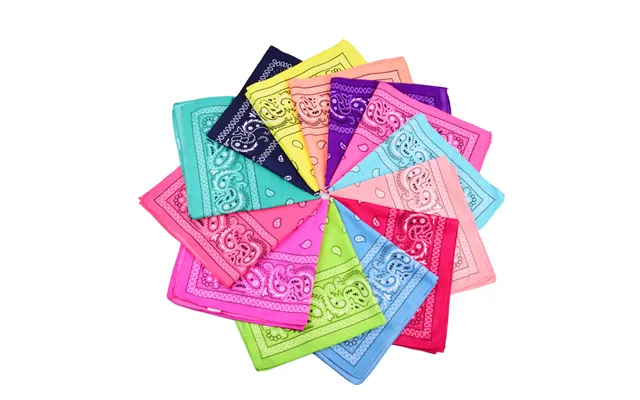
Cotton is the classic choice for bandanas. It breathes, holds color well, and is durable enough for daily wear. Most traditional paisley bandanas are 100% cotton and typically come in a 22-inch square, which is big enough for head wraps and neck ties but small enough to fold neatly into a pocket.
For a touch of glamour, silk or satin is the way to go. These fabrics slide smoothly and add an elegant sheen to your outfit. Expect silk bandanas to measure around 21 to 27 inches square, giving you more drape for neck scarves or headwraps. They’re delicate, so handle them like heirlooms — gentle washing and cool ironing.
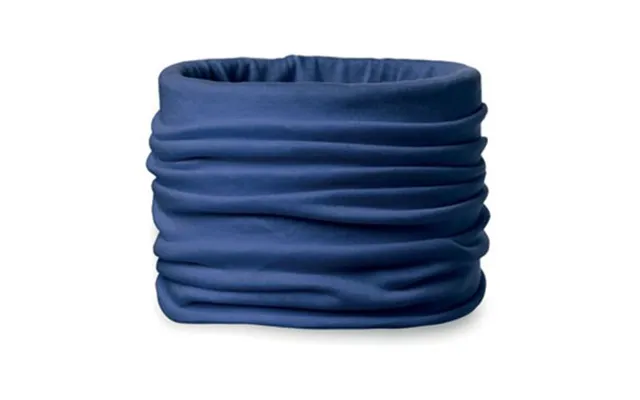
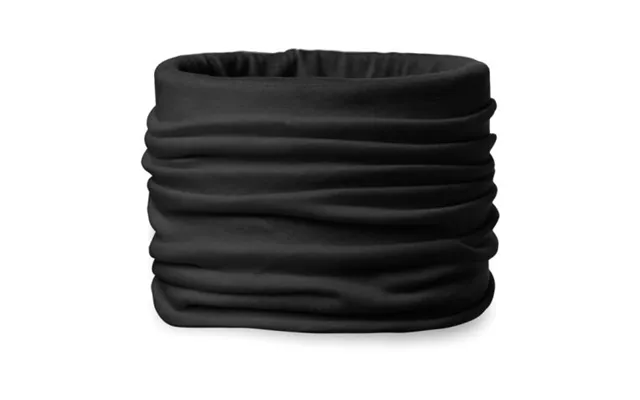
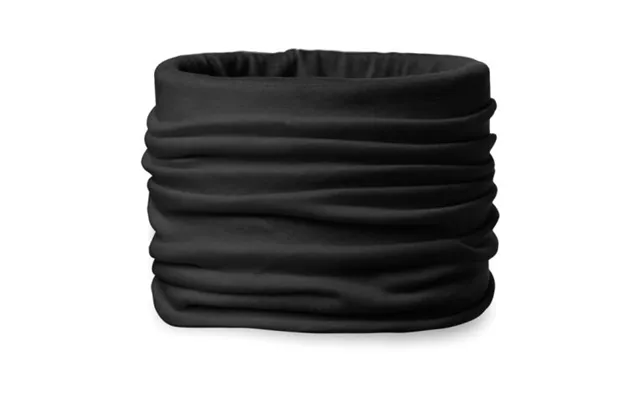
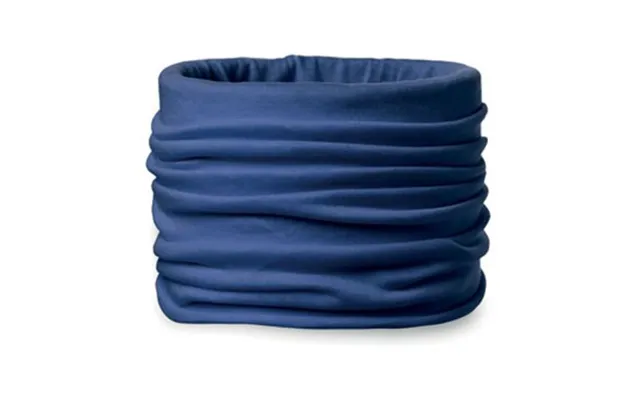
If you’re active or prefer a snug fit, bandanas in jersey or stretch blends hug the head and stay put during movement. They work great as sweat-absorbing headbands or low-key hair ties and often come in oblong cuts rather than traditional squares.
Linen bandanas are breezy and age beautifully, developing a lived-in charm over time. They’re perfect for warmer months because they wick moisture and keep the skin cool. Sizes vary, but many linen blends follow the standard 22-inch format or come slightly larger for more versatility.
Size matters with bandanas, and picking the right one depends on how you plan to wear it. The most common size is 22 inches by 22 inches — handy for folding into headbands, neckerchiefs, or pocket squares. For fuller headwraps or chic hair turbans, look for 27 inches by 27 inches or larger. If you need a narrow neckerchief, a 14-inch by 14-inch triangle or a rectangular scarf around 10 inches by 36 inches might suit you better. Always measure in inches to make sure what you buy will drape or knot the way you want.
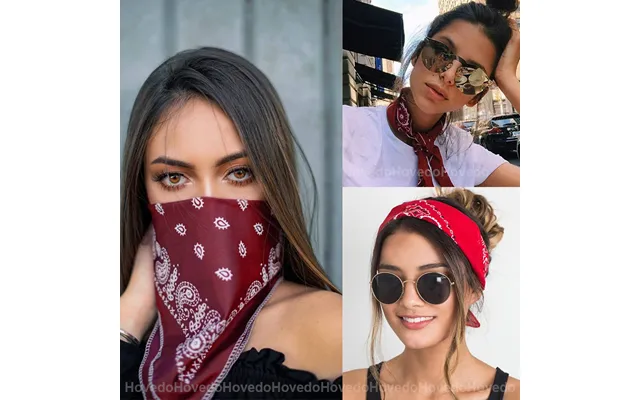
Fold the square into a long strip and tie at the nape of your neck or on top for a retro knot. It keeps hair off your face and instantly gives a vintage vibe — like putting a cherry on a sundae.
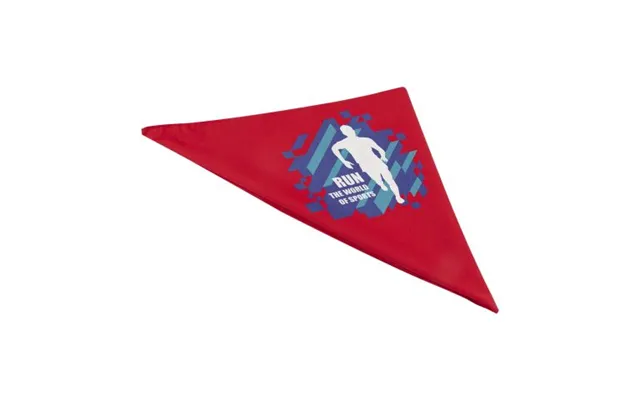
Fold the bandana into a triangle, place the long edge along your hairline, and knot at the top or side. This look adds personality without shouting for attention, perfect for summer festivals or a quick coffee run.
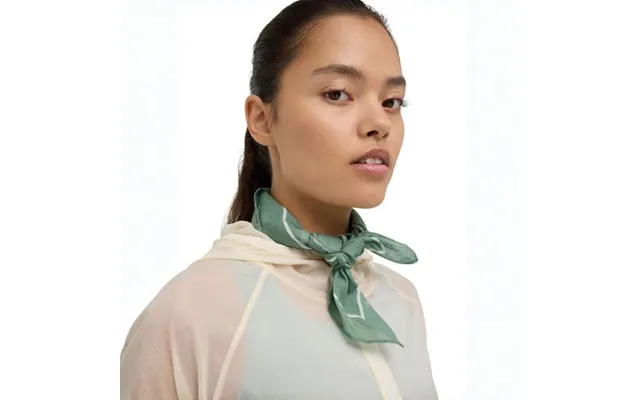
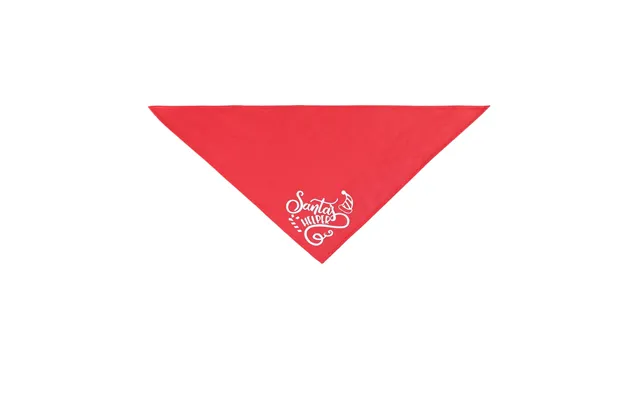
Fold into a triangle and tie loosely at the front with the point facing down. It’s small, refined, and elevated when paired with a blazer or a button-down. Think of it as jewelry that breathes.
When you need a quick layer for wind or dust, a bandana doubled up over the face can work in a pinch. Fold it into a triangle and tie behind the head; just remember it’s not a medical-grade mask but a practical barrier for casual use.
Fold a colorful bandana and tie it to a handbag handle or around your wrist for an accessory boost. It’s like adding a sticker to a laptop — small, personal, and instantly recognizable.
Bandanas are season-chameleons. In spring and summer, pick lightweight cottons, linens, or silks in florals and pastels to brighten outfits. When the weather cools, swap to deeper hues, tartans, or suede-like textures and layer bandanas under coats or with chunky sweaters. For formal events, a silk neck scarf tucked under a collar can act like a minimalist tie, while patterned cottons keep weekend wardrobes playful. The key is balancing patterns with solids — if your outfit is busy, choose a solid or subtly printed bandana; if your clothing is plain, a loud paisley or geometric print can be the showstopper.
Slip a folded bandana under a beanie for insulation and a pop of color, or wear it as a base layer under a sun hat to keep hair smooth. It’s a clever way to add depth without buying a new hat.
Match a bandana’s dominant color to your earrings or sunglasses frame for a cohesive, styled look. You don’t need to match everything exactly — think “color family” rather than a twin set.
Tie a bandana to the strap of a bag or a belt loop to add motion and texture. When you walk, the bandana becomes a little flag that tells your style story.
Paisley remains the timeless choice — vintage, slightly rebellious, and endlessly wearable. Florals read feminine and playful, while animal prints shout confidence and edge. Geometric and striped designs feel modern and minimal. Solids and tonal prints are the quiet achievers that pair well with loud outfits. Choose a pattern that reflects your mood; bandanas are small canvases, and you get to curate the art.
To keep bandanas looking fresh, wash according to the fabric. For cotton, machine wash cold on a gentle cycle and tumble dry on low heat or line dry to avoid shrinkage. Silk or satin should be hand-washed in cool water with mild detergent, then laid flat or hung to dry away from direct sun. If ironing is needed, use a low heat setting and iron on the wrong side for silk to maintain sheen. Store bandanas folded neatly in drawers or rolled in a small box to prevent creases — treat them like little treasures, because they are.
When shopping online in the UK, you’ll find countless options. Comparison sites can help you weigh price, materials, and seller ratings without clicking through endless pages. Look for clear fabric descriptions (cotton vs. cotton blend), exact dimensions in inches, and multiple product photos. Reviews often reveal how true-to-size a bandana is and whether colors match the pictures. Don’t forget to check shipping times if you need a bandana for a specific event — and remember that the cheapest option isn’t always the most durable.
Bandanas are surprisingly useful beyond aesthetics. They make quick potholders in an emergency, double as sun protection for your neck, and can be folded into a compact pillow on a long trip. Outdoorsy types use them for trail dust or as a makeshift sling. In a pinch, a clean bandana serves as a reusable napkin or a no-fuss head cooling wrap when dampened with cool water. They’re tiny multitaskers — a pocket-sized toolkit.
Picking colors can feel daunting, but the rule of thumb is simple: warm skin tones pair well with earthy hues like mustard, olive, and terracotta, while cool skin tones glow in jewel tones like sapphire, emerald, and deep berry. Neutral tones like black, navy, and cream are universal and safe bets if you’re experimenting. If you’re unsure, pick a bandana with small multicolored patterns so one shade is likely to complement your complexion.
If sustainability matters to you, seek bandanas made from organic cotton, recycled materials, or deadstock fabric. Natural dyes and low-impact manufacturing are other green indicators. These choices reduce waste and often mean the bandana will soften and improve with time rather than lose its charm after a few washes.
Not every bandana needs to be a collector’s item. For everyday use and trend-driven looks, inexpensive cotton bandanas are perfect. For timeless centerpieces — think silk scarves you’ll wear to lunches and weddings — it's worth investing in higher-quality fabric and craftsmanship. Imagine the difference between a paperback you discard after one read and a hardcover you pass down; both have value, but they serve different purposes.
Bandanas are small but mighty additions to any wardrobe. From classic 22-inch cotton squares to luxurious 27-inch silk scarves, they offer endless styling possibilities, practical uses, and a fun way to refresh outfits without a full wardrobe overhaul. Whether you’re shopping in the UK for your first paisley print or hunting for a silky neck scarf for date night, use comparisons, check dimensions in inches, and think about fabric and care. With a few bandanas in rotation, you’ll have quick access to looks that feel intentional, playful, and completely you.