All categories
Business & Offices
Electronics & Media
Fashion & Accessories
Groceries & Essentials
Health & Personal Care
Home & Living
Kids & Family
Sports & Outdoors
Search in ZoneOffer

Loading...
Shoe accessories are the secret weapons your footwear never told you about. From a gel insole that makes a pair of heels feel like slippers to a waterproof spray that keeps leather looking sharp after a rainy commute, the right add-ons extend life, boost comfort, and solve everyday shoe problems. Think of accessories as small investments that pay back in fewer blisters, less waste, and more wearing days. Why toss a favorite pair when a cheap insert or protector can revive it?
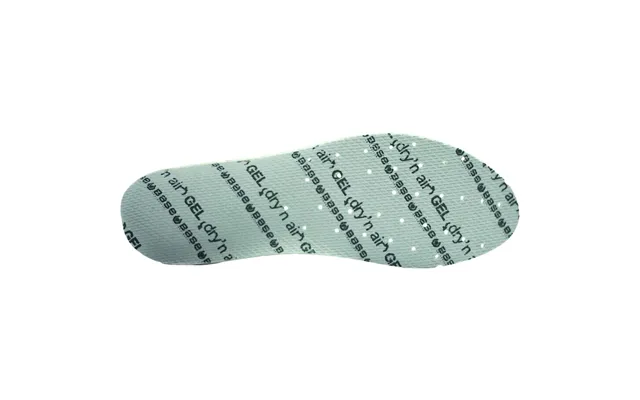
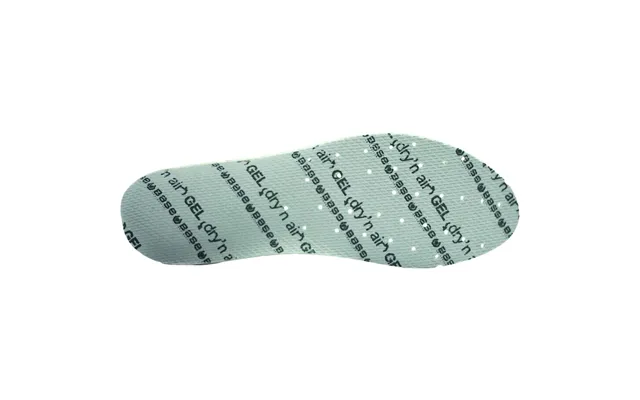
Insoles are the first stop for anyone seeking better comfort. They come in foam, gel, cork, and molded orthotic styles, and each material has its perks. Memory foam molds to your foot for immediate plush comfort, while orthotic inserts give arch support to correct overpronation. Gel pads are great for high-impact activities or standing jobs because they absorb shock—imagine landing on a mini trampoline with every step but without the bounce. When choosing insoles, pay attention to thickness: a thin 1/8-inch layer fits snug shoes, while thicker 1/4-inch to 1/2-inch options add serious cushioning but may require a size up in roomy shoes.
Ever wondered which insole suits your needs? If you run or walk long distances, look for high-rebound foam or gel with heel cups about 1/2 inch deep to stabilize your foot. Dress shoes benefit from thin leather or foam insoles that keep form without making the toe box tight. For flat feet or plantar fasciitis, orthotic inserts with structured arch support—usually about 3/8 to 1/2 inch high at the arch—can be a game-changer. And remember, you don’t have to buy one size fits all; many insoles are trimmable to your shoe’s interior shape.
Heel slip is not just annoying—it's a blister waiting to happen. Heel grips and cushions stick to the inside back of a shoe and reduce movement that causes chafing. They’re ultra-thin, often around 1/16 to 1/8 inch, and can instantly make a shoe that’s just a touch big feel like it was tailored to your heel. Prefer a non-sticky option? Look for silicone heel cups which are removable and washable—perfect if you swap shoes throughout the week.
For leather dress shoes, choose suede-lined heel grips to prevent additional slipping. For athletic footwear, opt for breathable, moisture-wicking pads to keep sweat from reducing adhesive strength. If you wear shoes with high heels, consider heel stabilizers that raise the base of the heel slightly—about 1/8 to 1/4 inch—to prevent the foot from sliding forward and compressing toes.
Shoe horns and shoe trees may feel old-school, but they’re timeless for a reason. A long-handled shoe horn—roughly 12 to 18 inches long—is a blessing for anyone who doesn’t want to bend to shove feet into snug shoes. It protects the heel counter from crushing and helps shoes last longer. Shoe trees, typically made of cedar or plastic, maintain shape, prevent creases, and absorb moisture. A cedar tree also imparts a fresh scent while wicking dampness away, keeping leather supple and stretching shrinkage fears away.
Full-length shoe trees are essential for leather dress shoes and boots. Insert them immediately after wearing—when shoes are warm and damp—to help them dry in the correct shape. If you’re storing shoes for long periods, cedar shoe trees are your best bet. They prevent the leather from collapsing, which keeps heels and soles aligned. For seasonal footwear like winter boots, a tree can stop long-term creasing and preserve the boot’s fit for the next season.
If a shoe pinches or rubs, a stretcher can rescue it without expensive cobbler visits. Stretchers expand widthwise or target a specific tight spot—think of them as a gentle chiropractor for footwear. Many models allow you to increase width by fractions of an inch, around 1/8 to 1/4 inch, which can transform a painful pair into a wearable one. Repair kits are also handy for quick fixes: glue for sole repairs, leather repair paste, and replacement heel taps can add months of life to a favorite pair.
Suede and soft leather respond well to stretching; you can often expand them slightly without damage. For patent leather or very stiff synthetics, proceed cautiously—heat and professional stretching might be safer. A little patience goes a long way: stretch for short intervals, measure fit, and repeat if needed. For pinpoint trouble spots, small toe or bunion plugs attached to a stretcher can create targeted relief where you need it most.
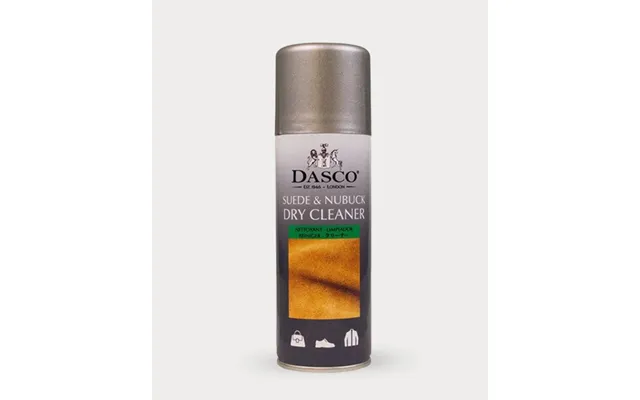
Waterproof sprays, beeswax, and silicone-based protectors repel moisture and stains. For suede and nubuck, use a special spray that maintains texture and doesn’t darken the material. For smooth leather, a beeswax or silicone rub-in restores water resistance and adds a subtle sheen. Regular application—every few weeks in wet seasons or after heavy exposure—creates a barrier that prevents water from soaking into stitching and leather, extending life and keeping colors vibrant.
Adding sole protectors, heel guards, or toe caps can prevent premature wear. Thin rubber sole protectors, applied by a cobbler, add a layer about 1/8 inch thick that takes the brunt of walking. Toe protectors shield the front from scuffs and are great for commuters who walk a mile or more daily. Think of these as armor for your shoes: light, nearly invisible, and incredibly effective at preventing slow-motion destruction.
Foot odor is often caused by bacteria thriving in sweat—simple fixes include breathable insoles, sprays, and charcoal-based deodorizers. Activated charcoal or bamboo charcoal insoles soak up moisture and odors without chemical fragrances. Spray deodorizers with antimicrobial ingredients can eliminate odor at the source, while sachets placed overnight—about the size of a small matchbox—help maintain freshness during storage. Combine these with regular airing and sock choices for the best results.
In a hurry? Toss shoes outside for a few hours or use a portable UV sanitizer for about 10 to 15 minutes to reduce bacterial load. For long-term care, rotate shoes so each pair has at least a day to air out between wears. Insoles with ventilation channels also help moisture escape—look for channels around 1/8 to 1/4 inch in depth to encourage airflow.
Never underestimate the power of a good lace or buckle. Waxed laces slide easily through eyelets and stay tied longer. Elastic no-tie laces convert runners and kids’ shoes into slip-ons—perfect for quick travel or school mornings. Metal buckles and hardware can be replaced to restore a shoe’s appearance, and anti-slip lace grips prevent lace loosening during long runs or commutes. Length matters: standard adult laces range from about 36 to 72 inches—measure your current laces to find the perfect match.
For trainers and running shoes, choose flat woven laces for better grip and less stretch. Dress shoes look best with round waxed laces that tuck in neatly and resist fraying. If you’re replacing laces on boots, aim for longer lengths—about 63 to 72 inches—so you can use different lacing techniques for comfort and ankle support.
There’s an accessory for almost every niche need. Cleats, spikes, and turf studs can be swapped depending on field conditions. Insoles with metatarsal pads help ball-of-foot pain common in dancers and runners. Reflective trims enhance visibility for night runners, while anti-slip gels improve traction on icy sidewalks. These specialist items turn shoes into performance tools tailored to the activity, much like adding the right lens to a camera for a specific scene.
If you spend a lot of time on your feet for work or sport—say, walking several miles daily or standing a 10-hour shift—specialist accessories are worth every cent. They reduce fatigue, prevent repetitive strain, and enhance safety. Consider what your feet need: cushioning for high-impact sports, support for heavy lifting or standing, and traction for slippery work environments.
Choosing the right accessory comes down to three questions: What’s the problem? What activities do you do in the shoes? What’s the material of the shoe? Start by identifying the main issue—blisters, odor, poor fit, or wear. Then match the accessory: heel grips for slips, charcoal insoles for odor, shoe trees for shape, and sole protectors for wear. Finally, pick materials compatible with your shoe: avoid wax on suede and skip heavy inserts in tight dress shoes. It’s like matchmaking, but for footwear.
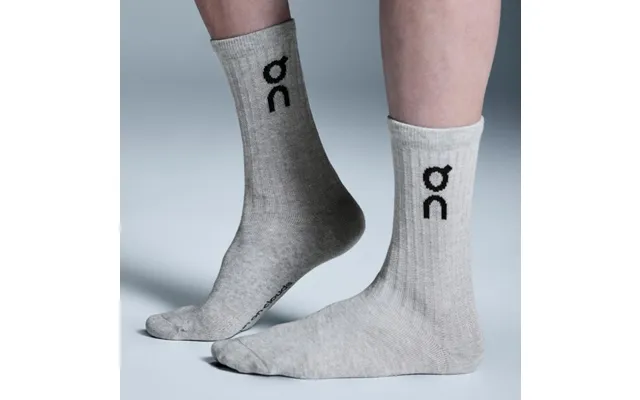
Some accessories are cheap and effective; others are small investments with big returns. Budget-friendly items like heel pads and laces can solve immediate problems for under ten dollars, while high-quality orthotics or cedar shoe trees might cost more but last for years. Consider replacing disposable solutions annually, while sturdier items pay for themselves in longevity and reduced shoe replacement costs.
Popular offers and price lists pop up frequently across comparison platforms, helping you find the best value for insoles, sprays, and repair kits. Comparison sites let you scan brands, read reviews, and check current discounts so you can buy wisely without hunting every retailer. When shopping, cross-check specs—thickness in inches, materials listed, and sizing recommendations—to avoid surprises when the accessory arrives.
Shopping smart means balancing price, quality, and fit. Opt for trusted brands for orthotic inserts and waterproofing sprays, but don’t shy away from lesser-known names for everyday items like laces and heel grips—many offer excellent performance at a fraction of the price.
Consistent care beats occasional miracles. Rotate shoes, dry them thoroughly after wet conditions, and use shoe trees after wear to lock in shape. Clean suede with a suede brush and use leather cleaner for smooth leather. Reapply waterproofing every few weeks in wet seasons and replace insoles when cushioning feels flattened—typically every 6 to 12 months depending on use. Small habits add up: think of maintenance as regular oil changes for your footwear.
Accessories are the unsung heroes of footwear. They address fit, comfort, protection, and longevity without requiring you to buy a new pair every season. Whether you’re reviving an old favorite with a repair kit, adding comfort with an insole, or prepping boots for winter with a waterproofing treatment, the right accessory can transform your experience. Start small, experiment, and you’ll be amazed how a few simple upgrades change the way your shoes feel and perform.
Shoes carry us through life—literally—so giving them proper support and care makes sense. From insoles and heel grips to waterproofing sprays and shoe trees, there’s an accessory designed to fix almost any shoe problem. The right choices save money, prevent discomfort, and keep your favorite pairs looking and feeling great. Next time a shoe nags at your foot or the forecast calls for rain, remember: a smart accessory is often the easiest and most cost-effective fix.
| Shoe Accessories - Other | Price | |
|---|---|---|
| Promotional Shoe Polish Kit In Tin Box Shiny Silver Branded With Your Logo | £ 2,81 | |
| Heel Repair Patches | £ 3,99 | |
| Devor Odor Insole Work Shoes 1 Pair | £ 8,10 | |
| Tuli's Standard Heel Cup L Yellow Women | £ 9,- | |
| Tuli's Standard Heel Cup M Yellow Women | £ 9,- | |
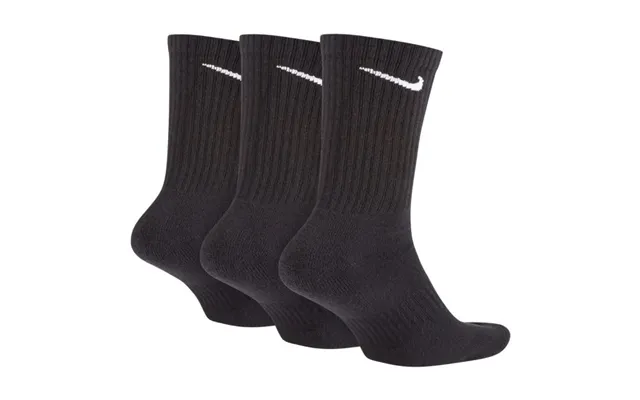
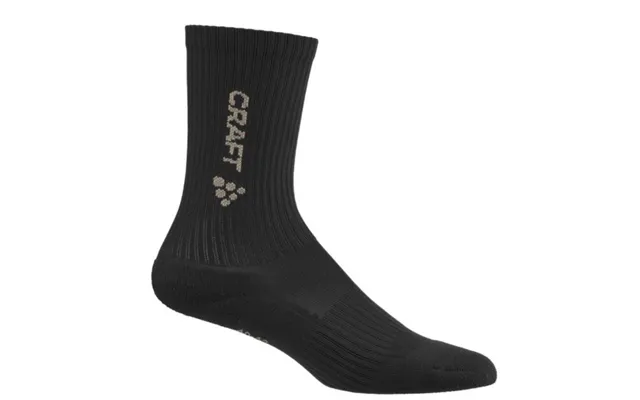
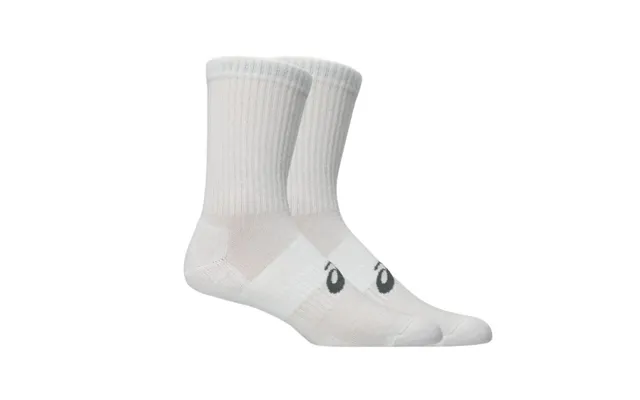
| Socks Crew - Black Fom Size 7-11 | £ 9,- | |
| Prosteel 2 Pcs Personalize Name Shoe Buckle For Men Women - Custom Shoe Decoration Charms | £ 15,49 | |
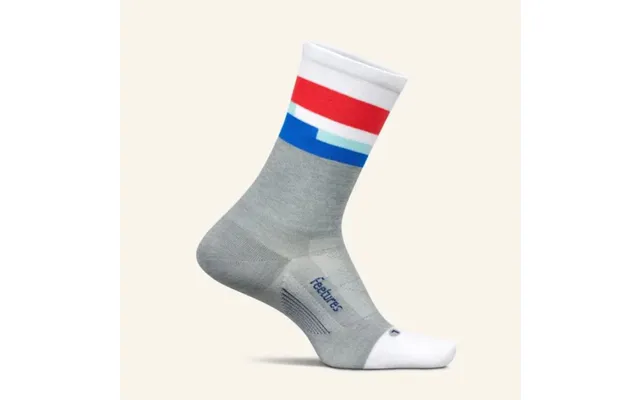
| Ms. Teresa - Travel Socks | £ 16,60 | |
| Zone Denmark A-shoehorn Skohorn 45 Cm Black | £ 19,30 | |
| Zone Denmark A-shoehorn Skohorn 45 Cm White | £ 19,52 |