
Hakama Trousers price list
Last updated Thursday, Sep 3, 2026
| Hakama Trousers | Price |
|---|---|
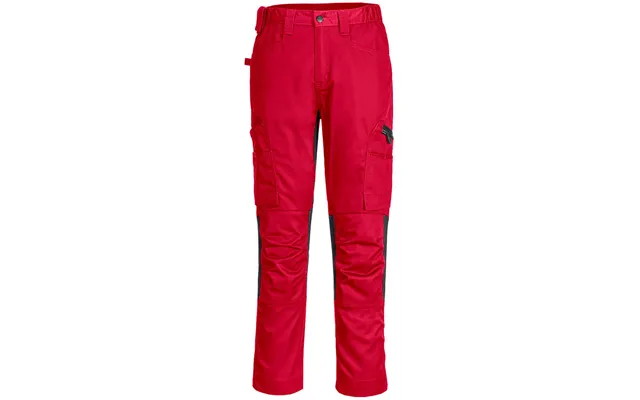
| Portwest Wx2 Eco Stretch Trade Trousers - Deep Red | £37.80 |
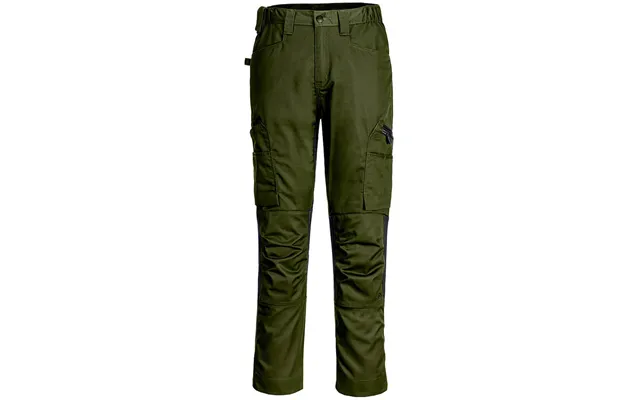
| Portwest Wx2 Eco Stretch Trade Trousers - Olive Green | £37.80 |




Loading...
Last updated Thursday, Sep 3, 2026
| Hakama Trousers | Price |
|---|---|
| Portwest Wx2 Eco Stretch Trade Trousers - Deep Red | £37.80 |
| Portwest Wx2 Eco Stretch Trade Trousers - Olive Green | £37.80 |
Hakama trousers are the wide, pleated pants traditionally worn in Japan, instantly recognizable by their full silhouette and skirt‑like panels. Think of them as a blend between a skirt and roomy trousers — they flow like a skirt but allow the Freedom Of Movement of pants. Originally part of samurai and court attire, hakama have moved into modern wardrobes and martial arts dojos, and they now appear in weddings, graduations, and street fashion. If you’re curious about adding a touch of elegant tradition to your closet, hakama are a great place to start.
Why do hakama keep showing up in trends, ceremonies, and training halls centuries after they were designed? Because they combine heritage, function, and drama. They offer a flattering, modest silhouette that works for many body types, and their deep pleats and wide legs make for striking movement — ideal for both formal events and dynamic activities like aikido or kendo. Whether you’re chasing a vintage vibe or a contemporary twist on traditional wear, hakama are surprisingly versatile.
Hakama have roots in the Heian and Edo periods, where they served both symbolic and practical roles. Samurai wore them as part of official dress, while court nobles donned more elaborate versions for ceremonies. Over time, the meaning expanded: certain pleats and colors have held symbolic value, and hakama became standard attire for rites of passage like university graduations. Understanding that background enriches how we wear and appreciate them today.
Not all hakama are the same — there are distinct cuts and styles that change how they look and move. The two major categories are divided (umanori) and undivided (andon bakama). Divided hakama resemble wide culottes with a clear separation for the legs, while undivided hakama hang more like a skirt. Beyond that, you’ll find variations in pleat arrangements, waist construction, and how they fasten, each suited for different uses from formal ceremonies to martial arts training.
Umanori hakama are the go‑to for martial artists and anyone who needs maximum mobility. Each leg gets its own panel, so you can step, kick, and pivot without the fabric pulling awkwardly. They usually sit at the natural waist and tie with long straps. If you practice aikido, kendo, or iaido, this is the functional style you’ll encounter most often.
Andon bakama hangs like a skirt and gives a more formal, flowing silhouette. This style is common in traditional ceremonies, tea ceremonies, and wedding attire because it presents a clean, elegant line. The undivided panel can also feel more stable when you’re standing or walking for long periods.
Formal hakama often use finer fabrics and more structured pleats, sometimes featuring family crests or decorative stitching for occasions such as weddings and graduations. Casual hakama prioritize comfort, using lighter blends and softer finishes for everyday styling or modern streetwear. Your choice depends on whether you want to honor tradition or lean into fashion experimentation.
Fabric choice makes a big difference in how hakama look and behave. Traditional hakama may be woven from silk or heavy cotton twill, which drapes beautifully and holds sharp pleats. Modern reproductions often use polyester blends for durability and easier care. When shopping, check fabric weight and weave: heavier fabrics (measured in ounces per square yard) will hold pleats better, while lighter blends feel breezier for warmer days.
Cotton‑polyester blends are a practical compromise: they combine breathability with wrinkle resistance. These blends are popular for everyday wear and training because they’re affordable, washable, and keep a neat look with minimal effort. If you’re planning to wear hakama frequently or take them to classes, a blend around a medium fabric weight in ounces per square yard will last longer and look sharper.
Silk hakama exude luxury. The sheen and drape create an impressive formal presence, perfect for ceremonial roles or bridal wear. However, silk requires delicate care and often professional cleaning. There are also high‑quality wool and wool‑blend hakama that provide warmth and structure for cooler months while still maintaining a refined appearance.
Women’s hakama are tailored to accommodate feminine proportions and the way kimono are worn, but many contemporary brands also offer unisex cuts. When choosing a size, focus on two measurements: waist circumference and desired length. Hakama typically sit at or just above the natural waist and can be adjusted with long straps that wrap and tie. Because hakama are forgiving in hip area, the key is getting the waist and length right.
To find the right fit, measure your waist where you prefer the hakama to sit — usually the natural waist — and note that number in inches. Next, measure from that waist point down to the ankle or where you want the hem to fall; common lengths range from about 36 to 44 inches depending on height and style. If you’re buying a divided style and you plan to wear it with tall shoes, add a couple of inches to the length for clearance. When in doubt, check the sizing chart for each brand and aim for a half‑inch to one inch of wiggle room at the waist for comfort.
Hakama can be surprisingly contemporary. Try them with a fitted turtleneck and ankle boots for a chic autumn look, or pair them with a cropped jacket and sneakers for a striking streetwear outfit. The pleats add visual interest, so keep tops relatively simple to let the trousers shine. Color choice matters too: deep navy and black read as classic, while soft pastels or patterned hakama can feel playful and avant‑garde.
For traditional occasions, wear a kimono top and obi belt with your hakama. Women often pair hakama with a shorter kimono called a hakama‑gi and a wide obi that is tied differently than everyday obi. The combination creates a balanced silhouette that respects traditional proportions. If you’re unfamiliar with tying techniques, many sellers include guides or video tutorials — or you can visit a local kimono specialist for hands‑on help.
Want a more casual vibe? Swap the kimono for a simple blouse or graphic tee tucked into the waistband. Add platform sneakers or ankle boots and minimal jewelry. This approach keeps the dramatic shape of the hakama but makes it feel wearable in everyday settings like brunch or gallery visits. Remember: proportion is your friend. Because hakama are wide, keep your top streamlined to maintain balance.
In aikido, kendo, and iaido, hakama symbolize rank, tradition, and respect. Martial artists often wear dark indigo or black hakama for practice and may own special ceremonial hakama for demonstrations and formal events. The pleats are said to embody virtues such as courage and honesty in some schools, and maintaining tidy pleats is part of dojo etiquette. If you’re buying hakama for training, prioritize durable fabrics and reinforced stitching at the tie points.
To keep hakama looking their best, treat them according to the fabric. Polyester blends typically tolerate machine washing on a gentle cycle, but always use cold water and a mild detergent. Silk and wool should be hand washed or professionally cleaned. To preserve pleats, fold along the crease lines when storing or hang them on a wide hanger. If ironing is needed, use a pressing cloth and a steam iron on a low setting; for stubborn creases, professional pressing is safest. Proper care can extend the life of a good hakama for years.
If you’re shopping in the UK, you’ll find a range of options from specialist Japanese clothing retailers to general apparel stores and martial arts suppliers. Comparison websites and marketplaces can help you find the best price, gauge shipping times, and compare customer reviews. Look for sellers that provide clear measurements in inches, fabric weight, and return policies to avoid surprises. Handmade and bespoke options are also available if you want a perfect fit or unique fabric.
Hakama prices vary widely depending on material, craftsmanship, and whether they’re mass‑produced or bespoke. Expect basic polyester hakama for everyday wear or dojo use to start in the lower price range, while cotton twill and higher‑grade blends fall in the mid range. Silk and custom‑made hakama can be several times more expensive. Think of hakama like a suit: a budget pair will get you started, but a well‑made garment will retain shape and pleats longer and can become a cherished piece.
If the traditional silhouette isn’t quite your thing, there are modern alternatives that capture the spirit of hakama while offering different fits. Wide‑leg trousers, pleated culottes, and high‑waisted palazzo pants mirror the flow and drama of hakama without the ties and pleats. Designers have also experimented with hybrid garments — hakama‑inspired skirts with elastic waists, or cropped hakama pants that play nicely with contemporary footwear. These options are great for experimenting before committing to a truly traditional pair.
As with any garment purchase, consider the sustainability and ethics behind your hakama. Natural fibers like organic cotton and responsibly sourced silk have lower environmental footprints than some synthetic alternatives. Look for artisans who disclose their production practices or offer transparency about sourcing. Buying a well‑made hakama that you’ll wear for years is also a sustainable choice compared to frequently replacing cheaper, lower‑quality pieces.
Before you click “add to cart,” run through a quick checklist: measure your waist and desired length in inches; decide between divided or undivided styles; choose material based on how you’ll use the hakama; and check the return or exchange options. If you’re buying for a specific event, allow time for alterations or breaking in. With the right prep, a hakama can be a timeless addition that moves seamlessly between tradition and contemporary style.
Hakama trousers are more than a garment — they’re a bridge between culture, function, and fashion. Whether you’re stepping onto a dojo floor, walking down an aisle, or making a bold streetwear statement, the right hakama can transform posture, movement, and confidence. Take the time to choose the correct style, measure carefully in inches, and treat the fabric with respect, and your hakama will reward you with timeless elegance and comfort.