



AKKO price list
Last updated Sunday, 27 Sept 2026




| Store | Status | today | distance |
|---|
Loading...
Loading...
Last updated Sunday, 27 Sept 2026
AKKO began as a company focused on mechanical keyboards and accessories. It built a reputation for colorful designs, thoughtful switches, and compact layouts that appealed to hobbyists and everyday typists alike. The brand didn’t come out of nowhere; it grew from a tight loop of designers, engineers, and fans who wanted something different from the bland, one-size-fits-all keyboards that dominated the market.
AKKO’s path to the United Kingdom came through a mix of direct sales, distributors, and online retail partners. Instead of relying on brick-and-mortar only, AKKO embraced online channels to reach UK customers quickly. Social media, enthusiast forums, and collaborations with local vendors helped the brand find a foothold. The UK crowd — curious about tech and design — proved receptive to a brand that offered value, style, and a community angle.
To scale in the UK, AKKO worked with established distributors and e-commerce platforms. These partnerships reduced shipping times, simplified returns, and gave the UK customer the reassurance of local support. It also meant that AKKO’s products could appear alongside other international and local keyboard makers, making side-by-side comparisons easy for buyers.
AKKO didn’t just sell keyboards; it connected with the community. Meetups, giveaways, and sponsored streams raised awareness. Online, the brand maintained active social channels, which made customers feel they were buying from people, not a faceless corporation. That kind of presence matters in the UK market where word of mouth spreads fast.
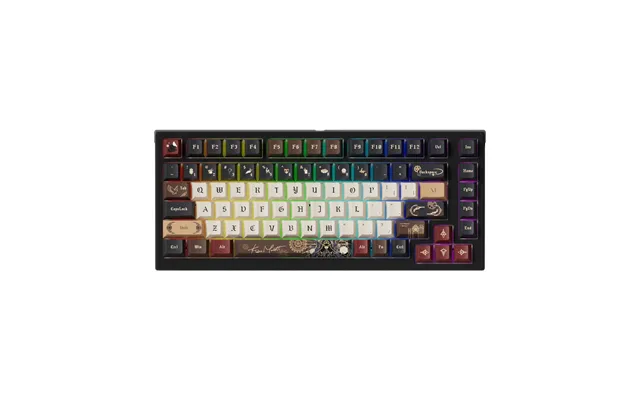
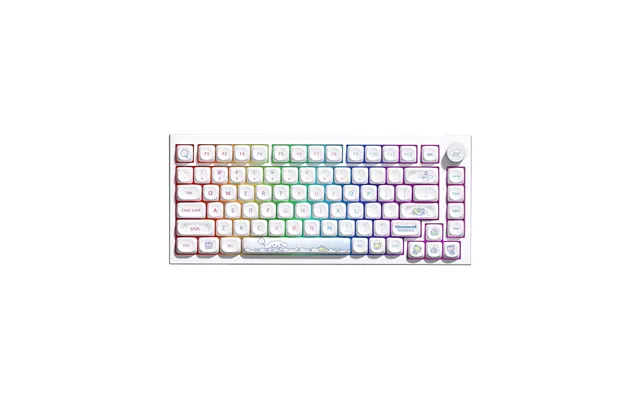
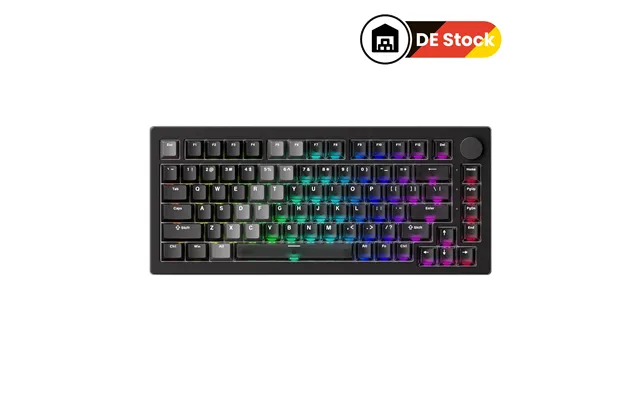
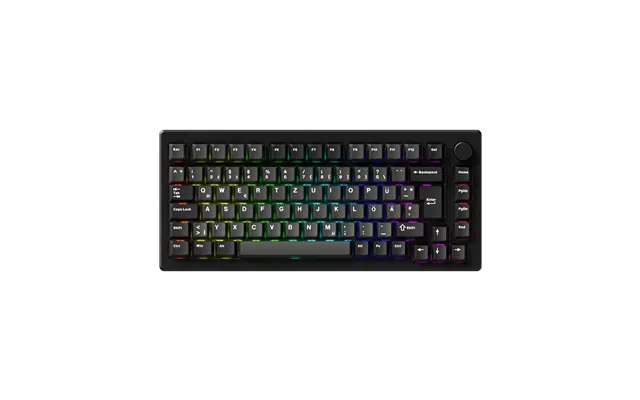
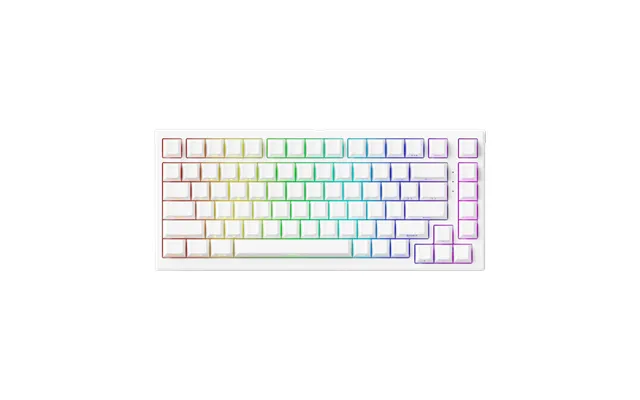
AKKO’s product line blends form and function. The company focuses on compact layouts like 60% and 65% keyboards, but also offers full-size options. Bright themes, custom keycap sets, and a range of mechanical switches are common. The design language tends to be playful—pastel colors, anime-inspired sets, and themed collaborations are part of the offer. Yet below the surface, quality materials and solid build quality back the playful looks.
AKKO often uses both proprietary and third-party mechanical switches. This mix offers a variety of tactile and linear options. Typing feel is a key selling point: AKKO aims for smooth travel, clear actuation, and satisfying feedback. They lean into sound profiles too—some kits are tuned to be quieter, while other models celebrate a louder, thocky sound that enthusiasts chase.
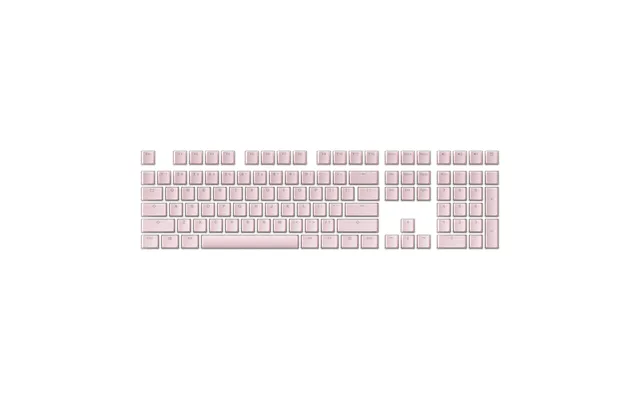
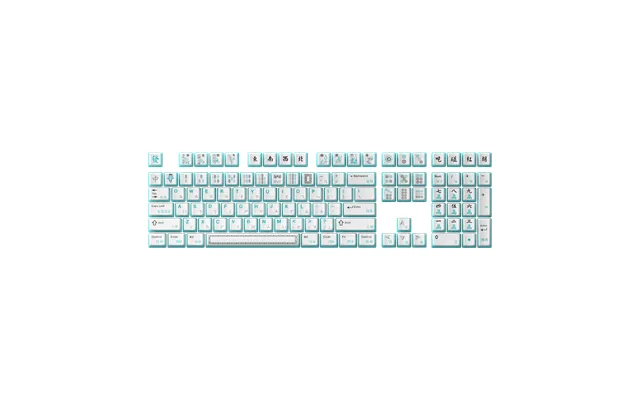
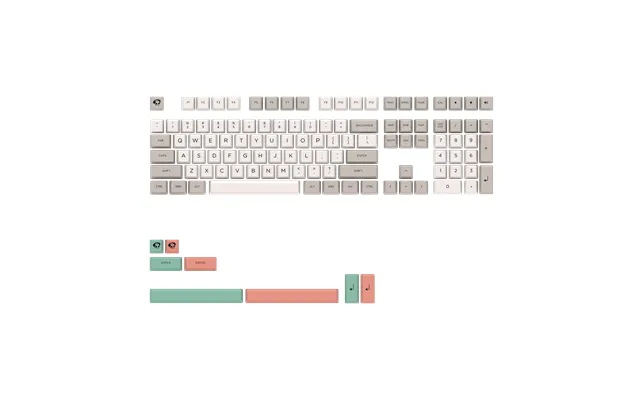
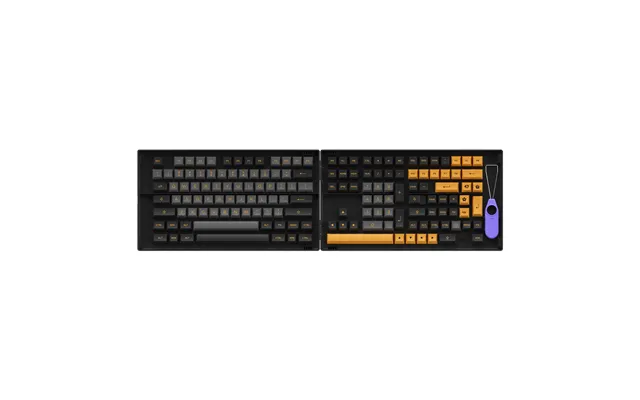
One of AKKO’s strongest suits is its keycap design. The brand releases themed keycap sets and collaborates with artists and IP holders. These sets let buyers personalize keyboards easily. In the UK, these visual touches became a conversation starter in offices, student halls, and streaming setups.
For UK buyers, warranty and support can make or break a purchase. AKKO’s approach has been to provide warranty coverage through the local distributor or the vendor from which the buyer purchased. That setup simplifies repairs and replacements. However, the exact terms can vary by seller, so informed buyers read the fine print. In practical terms, this system generally led to quicker resolutions compared with direct overseas shipping for service.
One advantage of working with UK partners is logistics. Returning a faulty keyboard becomes a local shipping matter, often faster and cheaper than sending units back to Asia. Local warehouses also made seasonal sales and restocks more predictable, reducing the waiting time for limited-edition keycaps and special runs.
Where does AKKO sit among UK keyboard brands and retailers? It positions itself as a mid-range to premium option that values design and community. AKKO isn’t trying to be the cheapest option. Instead, it balances price, aesthetics, and quality to appeal to enthusiasts and everyday users who want personality without an extreme price tag.
Think of AKKO as the sensible stylist: more design-forward than mass-market brands, yet more affordable than boutique custom shops that charge a premium. It attracts buyers who want a distinct look and good typing feel without building a custom board from scratch or spending prohibitive sums.
To understand AKKO better, it helps to compare it with other players in the UK market. Several companies overlap with AKKO in product range, community focus, or price. These comparisons highlight the differences and help buyers pick what suits them.
Keychron is a global name known for wireless features and solid out-of-the-box ergonomics. Compared with Keychron, AKKO leans heavier into aesthetic variety and custom keycap sets. Keychron often targets hybrid users — people who need both Mac and Windows compatibility, Bluetooth connectivity, and a straightforward typing experience. AKKO targets enthusiasts who want more customization and themed designs. If you want wireless convenience and plug-and-play compatibility, Keychron is a strong pick. If you want personality and color-first designs, AKKO stands out.
Ducky has a loyal following for its build quality and signature typing feel. Ducky keyboards are straightforward, well-built, and often feature high-end keycaps. AKKO brings more variety in design and collaboration sets, often at comparable prices. Ducky tends to appeal to purists who prioritize typing feel and understated design. AKKO appeals to those who want flair and novelty without sacrificing performance.
NovelKeys is more of a marketplace and switch designer with niche appeal. It offers rare switches, keycap drops, and group buys. AKKO, by contrast, is a manufacturer and brand that offers finished products as well as keycaps. If you enjoy hunting for one-off switches and participating in group buys, NovelKeys is a playground. If you prefer a ready-to-use, nicely themed keyboard with curated parts, AKKO is a convenient option.
Small boutique builders and shops like KBDfans or individual builders emphasize full customization. They sell parts and DIY kits for people who want to assemble hand-built boards. AKKO provides an easier route: pre-assembled boards and official keycap sets that still feel special. Boutique shops are for enthusiasts who enjoy the build process and want absolute control. AKKO is for those who want the look and feel without the labor and fiddling.
Big retailers or general electronics stores in the UK may stock mainstream keyboard options, but they rarely offer the niche designs AKKO does. AKKO fills the gap between mass-market keyboards and expensive custom builds. It offers an accessible middle ground with personality, which generic stores often lack.
Pricing matters, and AKKO tends to price competitively. Standard models often fall into the mid-range bracket, while limited editions and collaboration sets can climb into higher territory. Availability varies: some themed runs sell out quickly in the UK market. Limited editions drive anticipation and bring customers back to the brand’s site or partner stores, a tactic that works well with the collector mentality among keyboard enthusiasts.
Limited runs create urgency. They make buyers choose quickly and foster a sense of ownership among those who snag rare sets. For AKKO, limited editions serve dual goals: they boost sales, and they fuel community buzz. The downside is occasional frustration for buyers who miss out. But scarcity also elevates the perceived value of those sets.
UK customers often praise AKKO for its design, value, and the fun factor. People like the keycap themes and variety of switch options. However, some buyers report minor issues: firmware quirks, limited programmer-level customization compared with some competitors, and occasional scarcity on popular items. These are normal growing pains for brands balancing global demand and regional logistics.
Buyers frequently applaud AKKO’s aesthetics, the sound profile of certain models, and the tactile options. The brand’s collaborations often receive high marks for creativity. UK shoppers also appreciate local availability when AKKO partners with nearby distributors.
Criticisms center on firmware complexity for advanced tweaking, limited availability of certain niche parts locally, and inconsistent reseller warranty terms. These issues aren’t unique to AKKO, but they can influence a buyer’s choice when comparing brands.
AKKO’s future in the UK looks promising if the brand continues to listen to its audience. Expansion of local stock, clearer warranty processes, and more UK-specific collaborations could push the brand further into mainstream awareness. The community will play a big role — user reviews, streamers, and UK-centric content creators can amplify the brand’s presence quickly.
Potential growth areas include expanding wireless options, improving firmware tools for deeper customization, and launching UK-exclusive keycap sets. Partnerships with UK designers and limited runs tied to local events could also generate buzz and loyalty.
Challenges include balancing supply and demand, keeping prices reasonable as shipping costs fluctuate, and ensuring consistent customer service across all UK partners. The UK’s competitive keyboard scene means AKKO must keep innovating to stay relevant.
In short, AKKO offers a strong mix of style, performance, and accessibility. It’s not the cheapest, nor the most bespoke, but it fills a sweet spot that appeals to many UK buyers. For anyone just starting in mechanical keyboards or someone who loves themed aesthetics, AKKO is worth a look.