


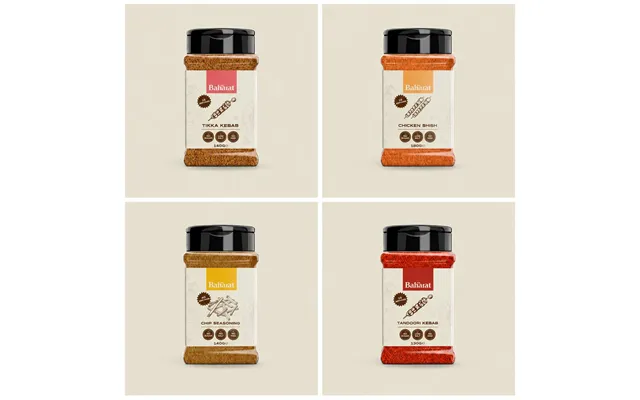
Baharat price list
Last updated Sunday, 18 Oct 2026
| Baharat | Price |
|---|---|
| Kebab Chilli Sauce | £6.99 |
| 180g Chicken Shish Kebab | £9.99 |
| 160g Adana | £9.99 |
| Chicken Shish & Kofte | £18.99 |
| Turkish Kebab Dinner Collection 3 Flavours | £27.99 |
| Meat Spike Free Doner | £44.99 |





| Store | Status | today | distance |
|---|
Loading...
Loading...
Last updated Sunday, 18 Oct 2026
| Baharat | Price |
|---|---|
| Kebab Chilli Sauce | £6.99 |
| 180g Chicken Shish Kebab | £9.99 |
| 160g Adana | £9.99 |
| Chicken Shish & Kofte | £18.99 |
| Turkish Kebab Dinner Collection 3 Flavours | £27.99 |
| Meat Spike Free Doner | £44.99 |
Walk into a well-stocked international food shop and you may notice something straight away: the shelves tell stories. A packet of Turkish tea points to family breakfasts. A jar of chilli paste suggests a lively kitchen. A bag of fragrant Baharat spice can turn a simple meal into something warm, rich and memorable. In the United Kingdom, Baharat has become associated with that experience: a store and food brand built around Middle Eastern, Turkish, Mediterranean and wider international flavours.
The history of Baharat in the UK reflects a much bigger change in British food culture. What was once a small specialist market has become part of everyday shopping. Customers now look for ingredients from around the world, whether they are cooking a traditional family recipe, following a social media trend or simply searching for better flavour. Baharat sits within this changing market by offering products that connect heritage with modern convenience.
It is important to note that the name “Baharat” can refer to different businesses and product ranges. The word itself means “spices” in Arabic and is also used for a popular Middle Eastern spice blend. In the UK, stores and online retailers using the name may differ in ownership, location and product range. This article focuses on Baharat as a UK international grocery concept while avoiding claims that cannot be confirmed across every business using the name.
The word Baharat has deep roots in the food traditions of the Middle East and surrounding regions. In simple terms, it means spices. In many kitchens, baharat also describes a fragrant blend made with ingredients such as black pepper, paprika, cumin, coriander, cinnamon, cardamom and cloves. The exact recipe changes from country to country, and often from one family to another.
That flexibility makes the name a natural fit for an international food store. It suggests variety, aroma and discovery. It also communicates the purpose of the business without needing a long explanation. When shoppers see the word Baharat, they may expect Turkish pantry staples, Arabic ingredients, herbs, sauces, grains, sweets and fresh foods linked to the eastern Mediterranean.
Food shops often mean more than shelves and tills. For many people, they provide a link to home. A customer living in Manchester, London, Birmingham or another UK city might visit Baharat to find the same tea, olives, rice or spice blend used by their parents. Another shopper may arrive with no family connection to the region but leave with ingredients for a new recipe.
This gives a store like Baharat a special role. It can serve a community while also welcoming curious cooks. The shop becomes a meeting point between familiar tastes and fresh ideas. That balance has helped international supermarkets grow across the UK.
Before international groceries became widely available online, shoppers often depended on small independent shops. These businesses appeared in areas where immigrant communities settled and grew. A local store might begin with a narrow range of imported staples, then expand as customer demand increased.
In the early days, buying food from another country was not always simple. Products could be difficult to source, import routes were less developed and customers sometimes had to visit several shops to complete one shopping list. A specialist retailer earned loyalty by carrying the right brands and understanding what its customers actually cooked.
Stores connected to Turkish, Kurdish, Arab, North African, South Asian and Mediterranean communities played an important part in this development. They introduced British shoppers to ingredients that later became common in mainstream supermarkets. Hummus, tahini, couscous, pomegranate molasses, flatbreads and numerous spice blends gradually moved from specialist shelves into ordinary kitchens.
Baharat belongs to this broader story. Its appeal is not limited to one nationality. A customer might buy sumac for a salad, bulgur wheat for a quick lunch, rose water for baking or Turkish coffee for a weekend ritual. The range works because modern shoppers enjoy mixing traditions. One evening they may cook a classic British roast; the next, they may prepare a rich lentil soup with cumin and chilli.
The growth of international grocery retail also came from changing cities. Britain became more culturally diverse, and younger generations often remained interested in the food of their families. At the same time, travel, television and the internet made global cooking more visible. A dish that once seemed unfamiliar could become a popular weeknight meal within a few years.
The identity of Baharat is closely tied to product discovery. A traditional supermarket usually organises shopping around broad categories such as dairy, household goods and packaged food. An international store creates a different experience. It may organise products by cuisine, country, meal type or customer habit. The result feels more like a journey through a food culture.
Baharat’s identity is strengthened by the ingredients it places at the centre of the shop. Spices are an obvious foundation, but the wider offer can include rice, pulses, noodles, sauces, preserves, pickles, dried fruit, nuts, bakery products, confectionery and chilled foods. Depending on the location and business model, customers may also find halal meat, fresh bread and imported drinks.
Authenticity matters in international food retail, but it does not mean that every product must be rare or difficult to use. For many shoppers, authenticity means trust. They want a brand that families recognise, a flavour that tastes right and clear information about how to use an ingredient.
A store such as Baharat can build trust by offering products that reflect real cooking habits rather than focusing only on novelty. A shelf filled with attractive but unfamiliar items may look impressive. A shelf that also contains everyday staples is more useful. Customers return when they know they can buy the basics as well as discover something new.
Packaging also plays a role. Labels in several languages can help shoppers identify products, while English cooking guidance can make them easier for new customers to try. Good staff knowledge adds another layer. A simple suggestion, such as using sumac over grilled vegetables or adding baharat to minced meat, can turn hesitation into a purchase.
The strongest international food stores combine breadth with purpose. They do not simply sell thousands of items. They help customers understand how those items fit into everyday cooking. Baharat’s appeal comes from this practical side of food shopping.
Spices remain the natural starting point. Customers may look for cumin, coriander, turmeric, cinnamon, allspice, saffron, dried mint, pul biber or sumac. Blended seasonings can be especially useful because they bring several flavours together in one packet. They are ideal for busy cooks who want depth without measuring many separate ingredients.
Freshness is vital in this category. Ground spices lose strength over time, and customers quickly notice when an ingredient lacks aroma. A good retailer therefore needs sensible stock rotation, reliable suppliers and packaging that protects flavour. The product may be small, but the quality difference can transform a dish.
Rice, lentils, bulgur, chickpeas and beans form the backbone of many Middle Eastern and Mediterranean meals. They are affordable, filling and flexible. A customer can use them in soups, salads, stews, pilafs and meat-free dishes. These products also appeal to shoppers who want more plant-based meals without giving up flavour.
Other popular products include tahini, tomato paste, pepper pastes, olives, pickles, grape leaves, filo pastry and pomegranate molasses. Each one offers a shortcut to a particular style of cooking. The shopper does not need to create every ingredient from scratch. Instead, a few well-chosen products can build a meal quickly.
Where available, fresh food gives an international store a major advantage. Fresh flatbreads, pastries, herbs, fruit, vegetables and chilled products create a stronger sense of place than packaged goods alone. The smell of warm bread can do more marketing than a large sign ever could.
Special occasions also drive demand. Customers may shop for Ramadan, Eid, Christmas gatherings, weddings, family celebrations or weekend meals. During these periods, products such as dates, sweets, nuts, coffee, tea and large packs of rice become especially important. A store that understands these moments can plan its stock and create a more helpful experience.
Baharat competes with several types of retailer, but it does not compete in exactly the same way as a large supermarket. The difference is similar to choosing between a large department store and a specialist workshop. One offers scale and convenience; the other offers depth and knowledge.
Large UK supermarkets have improved their international food sections. Tesco, Sainsbury’s and Asda often stock popular products such as couscous, hummus, harissa, olives, flatbreads and selected spice blends. Their main advantage is convenience. Customers can buy these products while completing a general household shop, and many branches offer delivery or click-and-collect services.
However, the range is usually narrower than that of a specialist store. A mainstream supermarket may carry one or two brands of tahini, while Baharat may offer several textures, origins and price points. A large chain might sell a basic chilli sauce but not the specific pepper paste used in a regional recipe. For shoppers seeking depth, the specialist usually wins.
Price can vary. Supermarkets often run promotions and use their buying power to keep popular lines competitive. Baharat may offer better value on larger packs, specialist brands or products that are expensive in mainstream shops. The best choice depends on the item, pack size and current offer.
Morrisons has a strong fresh-food reputation and can appeal to customers looking for produce, meat and bakery items. Waitrose tends to focus on presentation, premium products and curated ranges. Both may stock high-quality international ingredients, but their selection is often designed for a broad audience.
Baharat is more likely to provide products chosen for people who already understand a cuisine or want to explore it in greater detail. Its shelves can feel less polished in a formal retail sense, yet more useful for a specific cooking tradition. This is an important distinction. A specialist store may not try to make every product familiar. It allows customers to shop beyond the most popular choices.
The UK market includes many strong competitors in international food retail. Turkish supermarkets, Middle Eastern grocers, Asian food halls, halal retailers and online world-food shops all overlap with Baharat. The competition is healthy because it gives customers more choice.
Large Turkish supermarkets often offer an impressive combination of fresh meat, bakery goods, dairy, produce and imported groceries. Their advantage may be scale, especially in cities with established Turkish and Kurdish communities. Some have cafés, hot-food counters or extensive chilled sections.
Baharat can stand out through a focused identity. Rather than trying to serve every category equally, it may appeal to shoppers who want a carefully selected range of seasonings and pantry products. A smaller format can also feel more personal. Staff may know regular customers and remember the products they usually buy.
Online stores have changed the way people buy international groceries. They offer wide catalogues, product searches and home delivery. This is useful for customers who live far from a specialist shop or need a particular brand. Online shopping also makes price comparison easier.
Physical stores still have advantages. Customers can inspect packaging, compare sizes, ask questions and discover products they did not plan to buy. They can also purchase fresh items that may not travel well through a delivery network. For spices and packaged goods, online shopping is convenient. For bread, herbs and impulse discoveries, a shop visit remains more satisfying.
Independent stores are important competitors because they understand local demand. One shop may specialise in Turkish ingredients, another in Arabic products and another in a mix shaped by the neighbourhood. These retailers often compete through personal service, flexible ranges and community reputation rather than expensive advertising.
Baharat’s success depends on building the same kind of trust. Customers want accuracy, fair prices and a store that feels welcoming. They also appreciate retailers that listen. If several shoppers ask for a certain tea, flour or regional product, a responsive business can adjust faster than a national chain.
Modern customers want more than low prices. They want convenience, but they also want identity, quality and inspiration. Baharat can answer all four needs when its range is well managed.
First, the store makes unfamiliar cooking feel possible. A customer who has never made lentil soup can buy the lentils, spices, stock ingredients and yoghurt in one visit. Second, it supports experienced cooks who know exactly which brand or ingredient they need. Third, it creates a sense of connection for customers whose families have links to the region.
There is also a growing interest in affordable flavour. Spices, pulses and grains can stretch a budget while keeping meals interesting. As food prices rise, shoppers often look for ingredients that work hard. A bag of bulgur can serve as a side dish, salad base or stuffing. A jar of tahini can become a sauce, dip or baking ingredient.
Cooking programmes, recipe websites and social media have brought international food into the mainstream. Short videos show how to make flatbreads, roast vegetables with za’atar or prepare a colourful mezze spread. The visual appeal is powerful. Food becomes both a meal and a form of expression.
Baharat benefits from this interest, but it also faces a challenge. Customers may arrive expecting instant results. In reality, good food often depends on balance, patience and technique. Retailers can help by offering recipe cards, clear product information and simple serving ideas. Even a small explanation can make a new ingredient less intimidating.
Running an international food store in the UK is not easy. Import costs, transport delays, changing regulations and currency movements can affect prices and availability. Products that once arrived regularly may become harder to source. Retailers must manage these pressures without losing the character that attracts customers.
Food safety and labelling are also essential. Imported products need suitable information for the UK market, including allergen details and storage guidance. This is especially important for nuts, dairy, meat and products with several ingredients. Trust can disappear quickly if a customer feels that information is unclear.
Competition creates another challenge. Supermarkets continue to expand their world-food ranges, while online retailers offer convenience and frequent discounts. Baharat cannot win every price comparison. Its stronger route is to offer a distinct experience, a useful range and genuine product knowledge.
A specialist store must respect tradition while adapting to modern habits. Younger shoppers may want smaller packs, healthier options and quick recipes. Older customers may value familiar brands and larger family sizes. Some shoppers prefer in-store advice; others want a fast online order.
The most successful retailers respond without losing their roots. They keep trusted staples, add new products carefully and use digital tools to stay visible. A clear website, active social media page and accurate opening information can make a big difference. The store does not need to become something else. It simply needs to remain easy to find and easy to use.
The future looks promising for specialist international food retailers. Britain’s population is diverse, and interest in global cooking continues to grow. Consumers are also more willing to experiment at home. This creates space for stores that combine cultural knowledge with practical service.
Baharat could develop further through online ordering, local delivery, recipe content and curated cooking boxes. A “starter kit” for Turkish breakfast, Middle Eastern mezze or a simple spice-led dinner could help new customers begin. Loyalty schemes could reward regular shoppers, while seasonal displays could highlight Ramadan, summer grilling or festive baking.
Sustainability will matter too. Customers increasingly notice packaging, food waste and sourcing. Retailers can respond with refill options, larger economical packs, recyclable materials and better stock planning. These changes may also reduce costs over time.
Most importantly, Baharat must continue to make food feel personal. Technology can support the business, but it cannot replace the pleasure of finding a favourite product, smelling fresh bread or receiving a useful cooking tip from someone behind the counter. That human element remains one of the strongest reasons to visit a specialist store.
Baharat’s story is part of the wider history of food in modern Britain. It reflects migration, entrepreneurship, family tradition and a growing appetite for global flavours. Compared with large supermarkets, Baharat offers greater specialist depth. Compared with online retailers, it offers a more direct and sensory experience. Compared with other independent grocers, its strength lies in the power of its name and its spice-led identity.
For shoppers, the choice is not always either-or. You may buy everyday essentials from a supermarket, order rare products online and visit Baharat when you want inspiration or a taste that feels familiar. That is the real value of the store. It brings together ingredients, memories and new ideas, proving that a small jar of spice can open the door to an entire food culture.