All categories
Business & Offices
Electronics & Media
Fashion & Accessories
Groceries & Essentials
Health & Personal Care
Home & Living
Kids & Family
Sports & Outdoors
Search in ZoneOffer

Loading...
If you've ever wondered why your darts don't fly like your favorite pro's, it usually comes down to the parts. The barrel, shaft, flight, and tip all team up to shape the trajectory, feel, and consistency of every throw. Choosing the right combination is like tuning a guitar — small changes can make a huge difference. Whether you're just starting out or you're chasing that elusive 180, understanding dart parts helps you play smarter and score higher.
Before we dive into recommendations and combos, let's break down the core components you'll be dealing with: barrels (the main body), shafts (sometimes called stems), flights, tips/points, and accessories like cases and mats. Each part has its own set of materials, shapes, and sizes, and each choice affects balance, grip, and flight path. Knowing what each part does gives you control — and confidence — at the oche.
The barrel is where you grip the dart, so its shape, length, and weight are critical. Most competitive barrels are made from tungsten or tungsten alloys because they let manufacturers pack weight into a small, dense package. That gives you tighter groupings on the board. Barrel lengths commonly range from about 1 to 1.75 inches, and typical weights are between roughly 0.6 and 1.0 ounces depending on player preference.
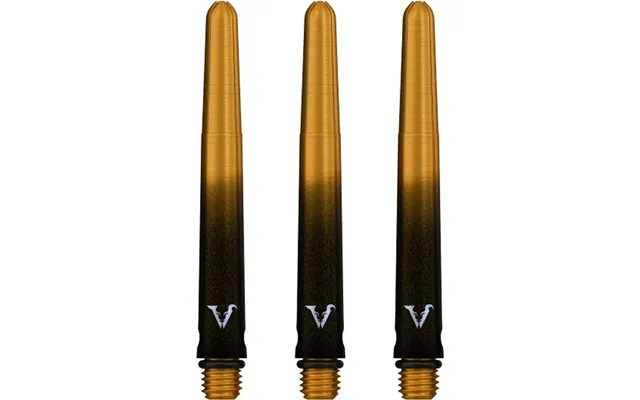
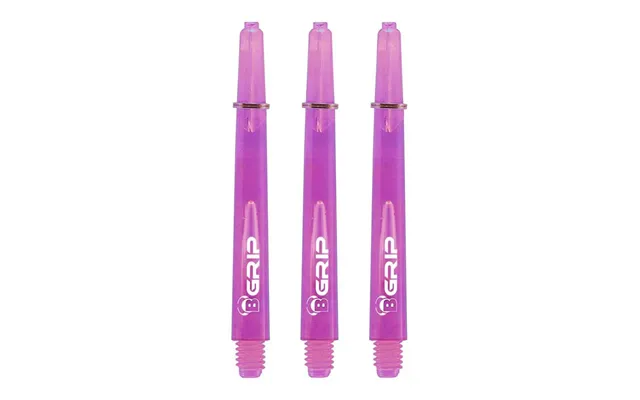
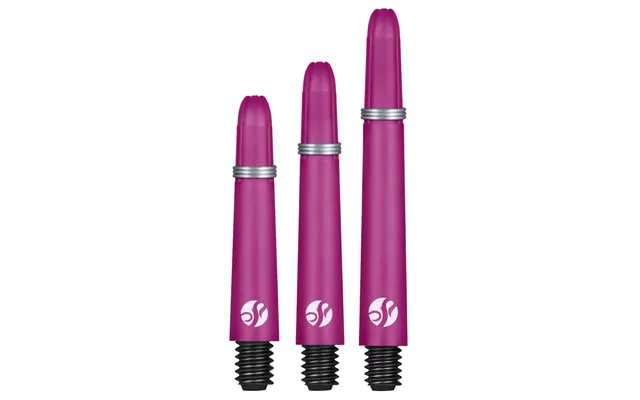
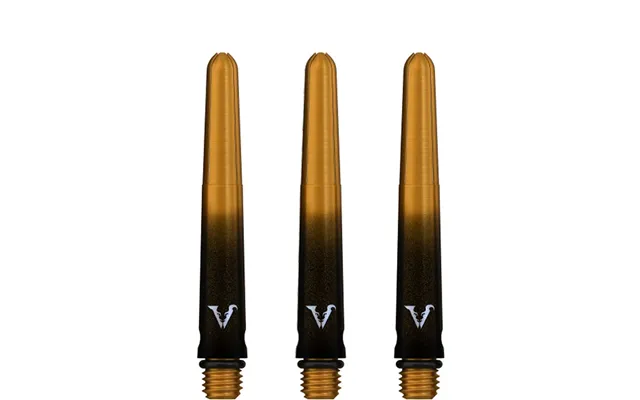
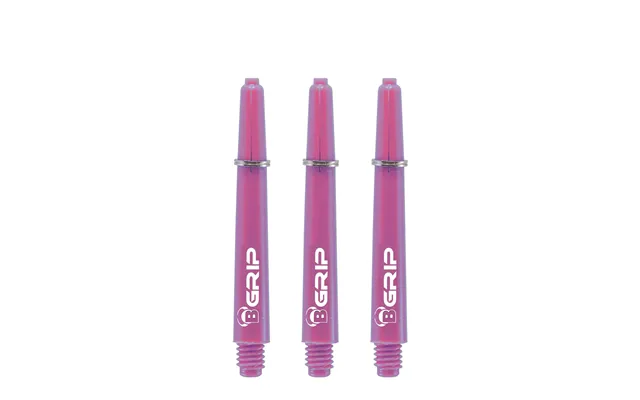
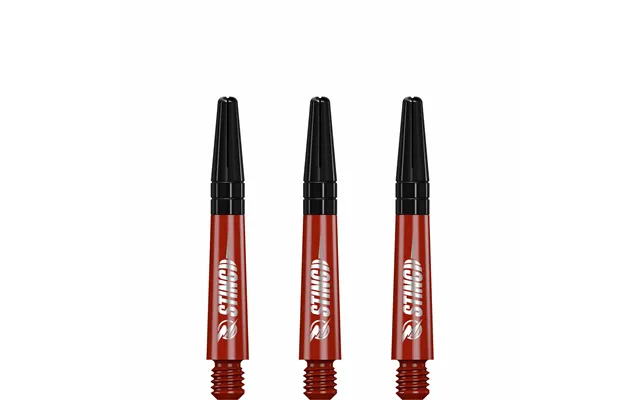
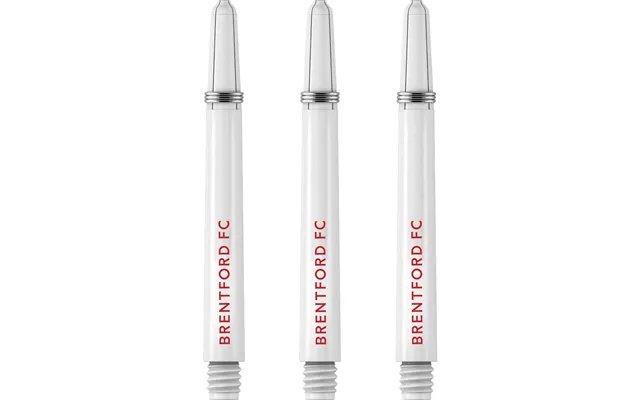
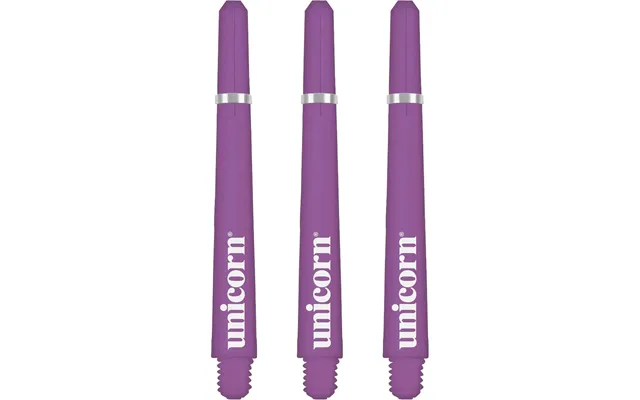
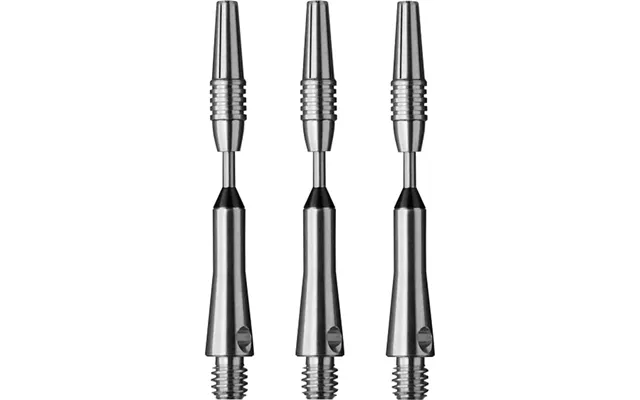
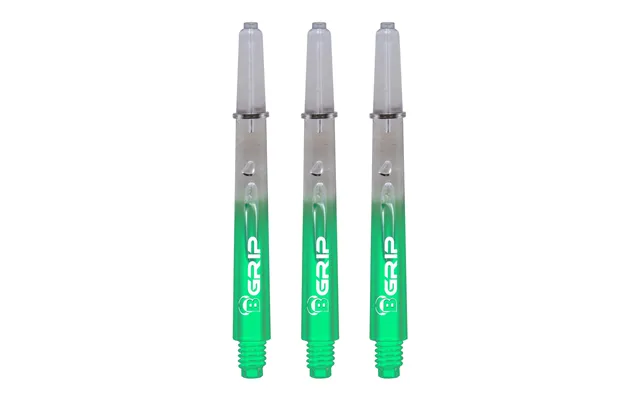
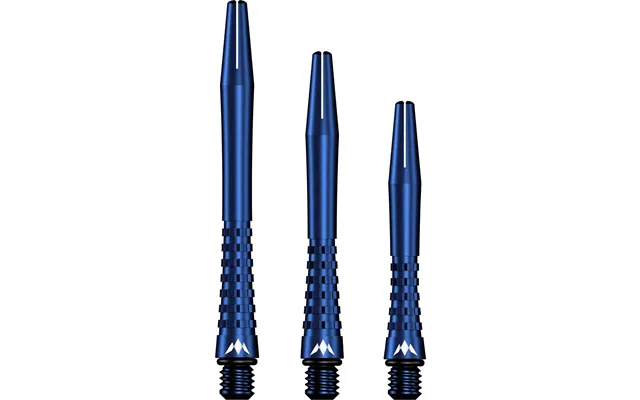
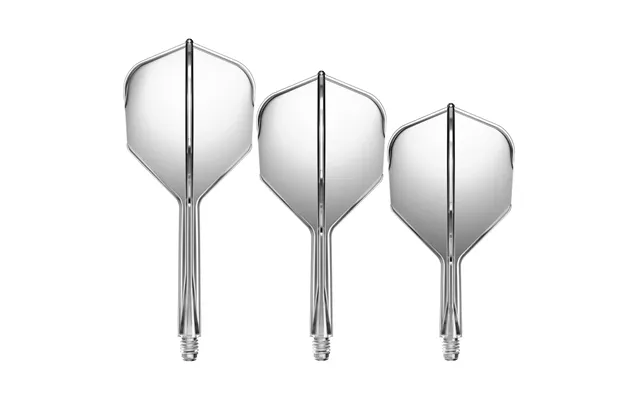
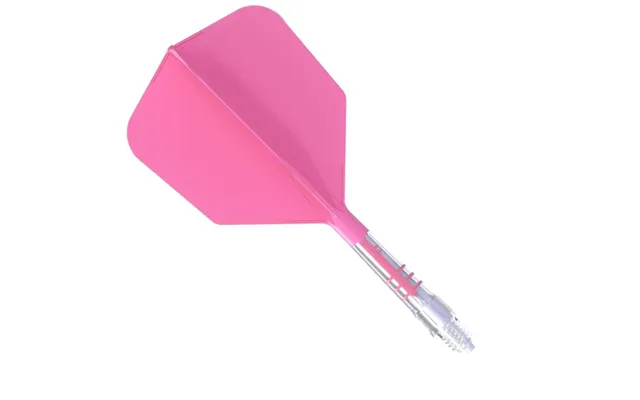
Shafts, or stems, determine the distance between the barrel and flight. They come in different materials and lengths — shorter shafts help stabilize a dart for a tighter grouping, while longer shafts can slow the dart’s rotation and increase lift. Shaft lengths often span from short to extra-long, and materials include aluminum, polycarbonate, and carbon fiber blends. Swapping shafts is one of the easiest and most affordable ways to tweak feel.
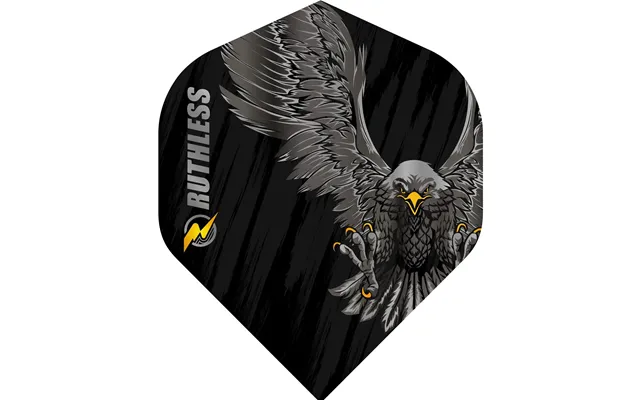
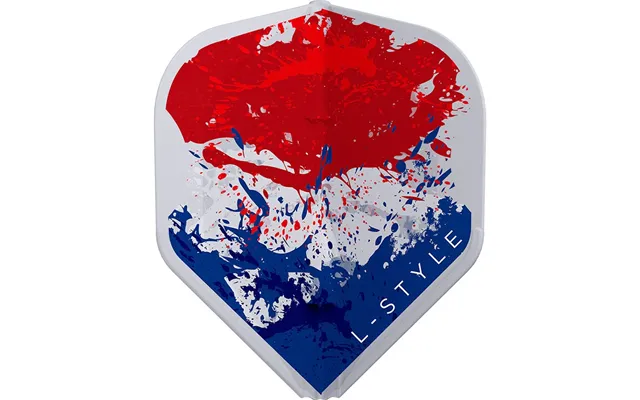
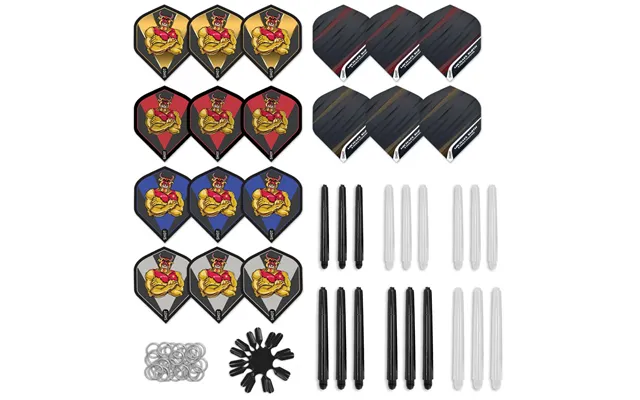
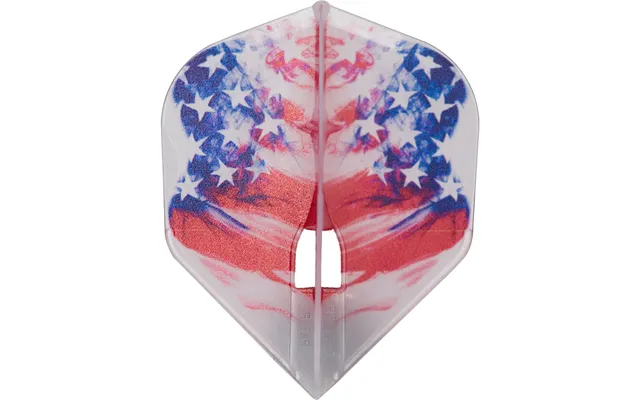
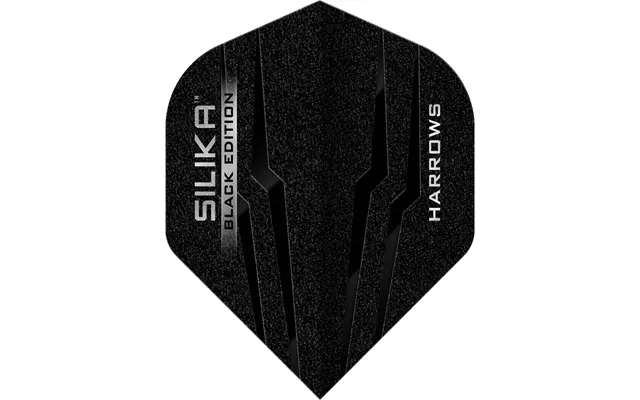
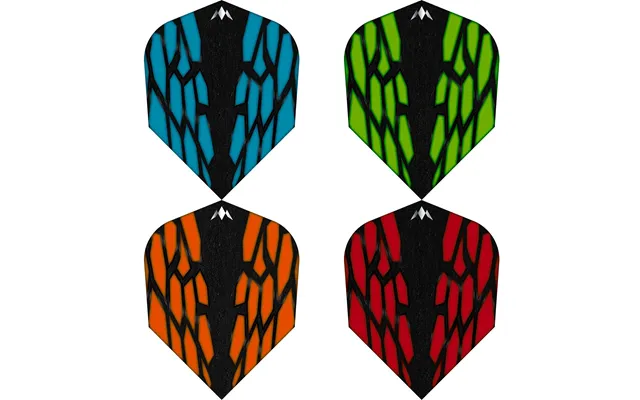
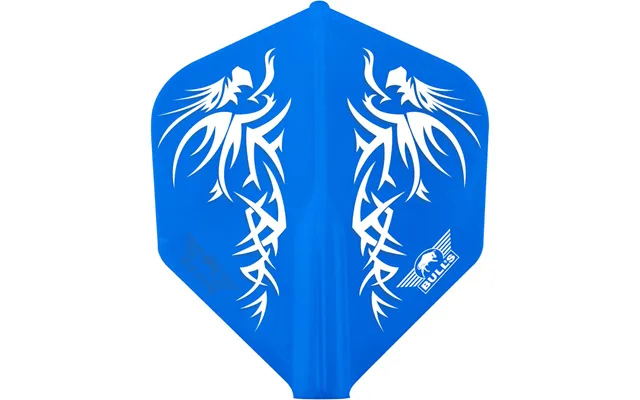
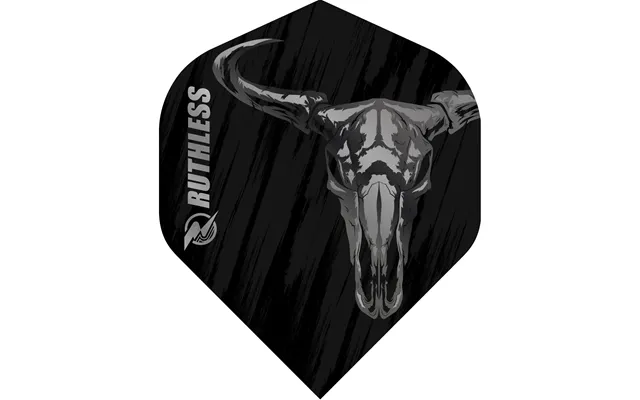
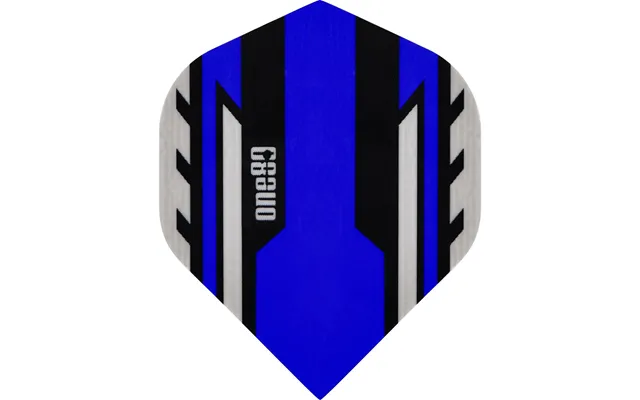
Flights are the wings at the back of the dart and are responsible for aerodynamics. Standard flights offer stability and are great for heavier throws, while slim flights reduce drag for faster, more direct shots. Shapes like kite, teardrop, and pear provide different lift and spin characteristics. Most flights measure around 1.5 inches or so at their widest point, but shape matters more than exact size.
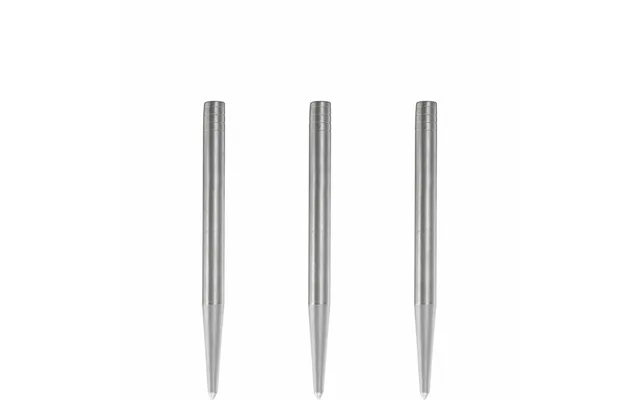
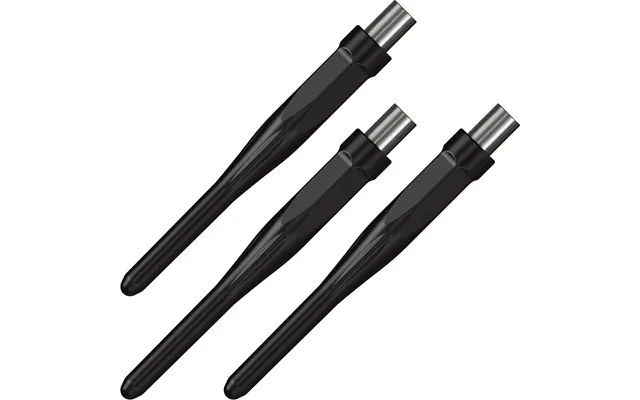
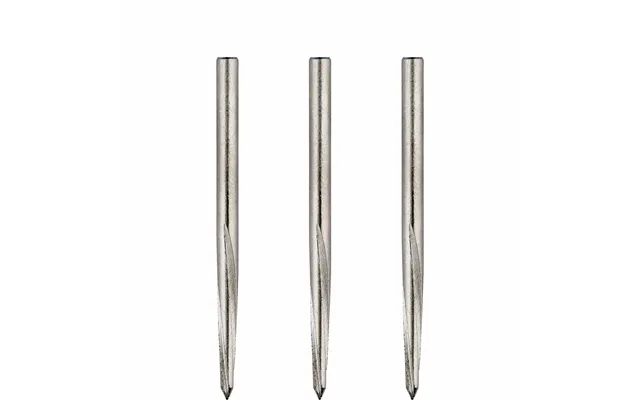
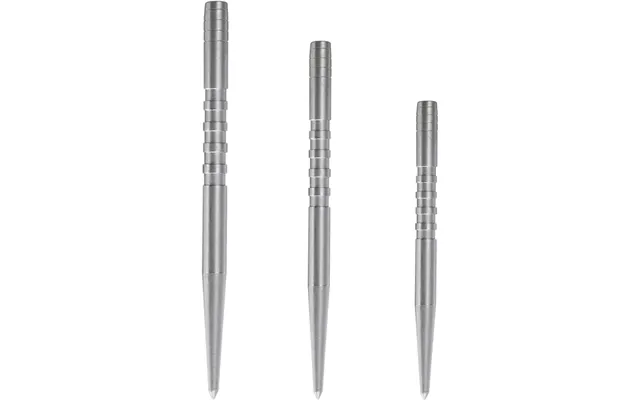
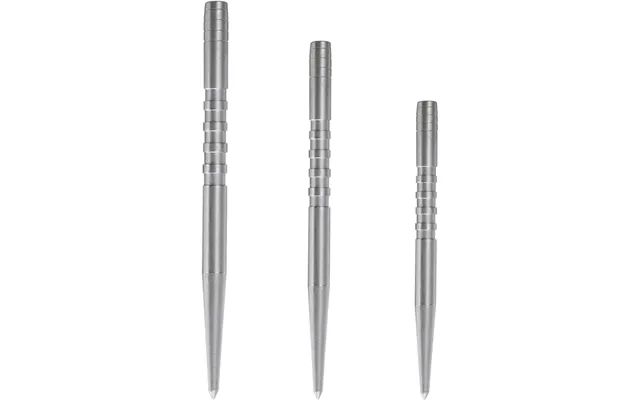
Tips come in two main categories: steel tips for traditional bristle (sisal) boards and soft tips for electronic boards. Steel points are usually threaded and replaceable; you can swap lengths to change balance subtly. Soft tips are often plastic and designed to flex on impact to reduce bounce-outs on electronic boards. The right tip type is non-negotiable: choose steel for a bristle setup and soft for electronic machines.
Picking barrels is a personal journey. Some players love short, straight barrels that sit tightly in the fingers; others prefer longer, tapered barrels with aggressive knurling for extra grip. If you're unsure, start with a medium length around 1.2 to 1.4 inches and a weight near 0.8 ounces. Tungsten barrels give you the slim profile and center-weighted balance favored by many serious players, while brass barrels are cheaper and bulkier — not ideal for tight groups but fine for casual play.
Your shaft choice changes everything from a dart's center of gravity to how it cuts through the air. Let's look at common materials and what they do for your throw.
Aluminum shafts are durable and offer precise lengths without flex. They're heavier than plastic, which can shift the dart’s balance toward the back. If you like a steady, no-nonsense feel and you tend to jam darts together closely, aluminum shafts are worth a try. Just remember they can bend if dropped, so keep a spare on hand.
Polycarbonate shafts are lightweight, inexpensive, and forgiving. They flex on impact and tend to reduce breakage. Most recreational players start here because the feel is comfortable and the price is low. If you're experimenting with different flight shapes or dart weights, polycarbonate allows quick swaps without upsetting the feel too much.
Carbon and composite shafts aim to combine the best of both worlds: stiff like aluminum but light like polycarbonate. They’re designed for players who want durability without sacrificing balance. These shafts often come with a higher price tag, but they last and keep your darts aligned shot after shot.
Flights may be small, but they matter a lot. The right shape can reduce wobble and help your darts land point-first. Standard flights give you maximum lift, while slim flights slice through the air for a quicker hit. Materials range from thin polyester to thick, textured plastics with added rigidity. If you find your darts wobble or rotate, try switching flight shape before changing barrels — it's an inexpensive fix that often produces immediate improvement.
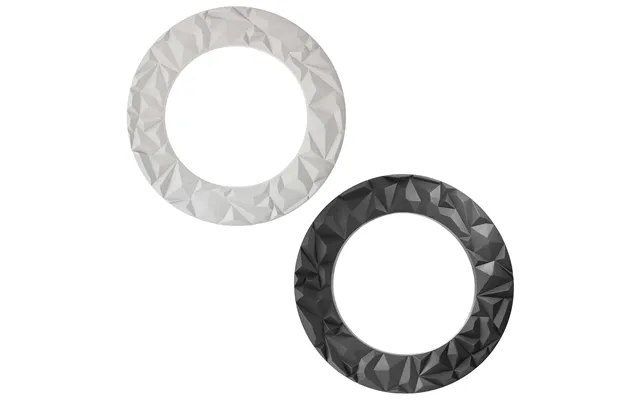
Flight protectors are tiny, inexpensive add-ons that keep flights from tearing when darts stick into each other. They also help stabilize flight orientation. Paired with a sturdy shaft, a protector can extend flight life and reduce the number of replacements you need to buy.
Steel tips vary in length and point profile. A longer point can change the dart’s landing angle and sometimes reduce bounce-outs on older boards. Soft tips, used with electronic boards, come in rounded or sharper profiles and can be replaced quickly at home. If your board setup attracts a lot of bounce-outs, try slightly longer steel points or consider mixing in a different flight shape to change the dart's entry angle.
Good accessories protect your investment and make practicing easier. A padded case or wallet keeps barrels and spare parts organized. Dart mats mark your throw line and protect floors — most mats are between 6 and 9 feet long to fit typical room setups. O-rings and thread protectors prevent shafts from loosening or stripping, and spare points let you keep playing between shopping trips.
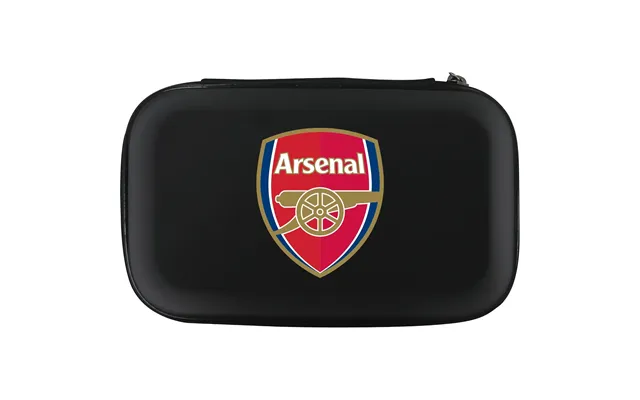
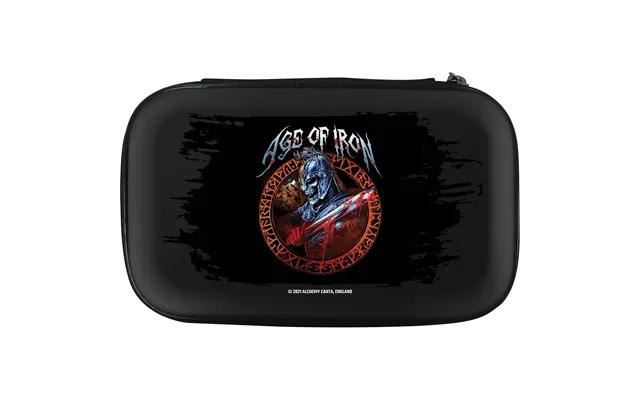
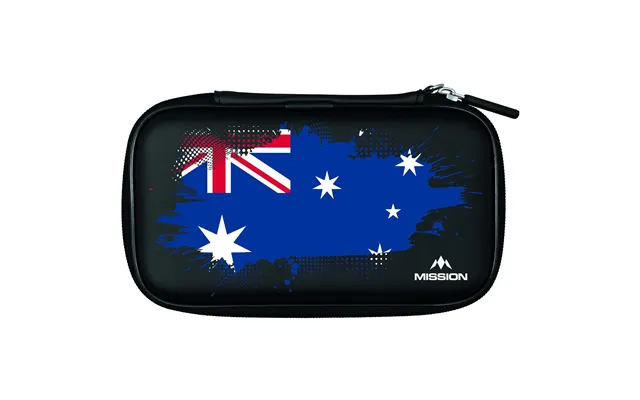
Cases come in foam wallets for light travel or hard-shell cases for frequent transport. Foam wallets hold a few complete sets and a handful of spare shafts and flights, while larger cases offer compartments for tools, points, and accessories. Choose a case based on how often you move your kit; if you're hauling to leagues, a hard case pays off.
A quality mat does two things: it protects your floor and gives you a consistent toe-line. Most mats measure about 7 to 8 feet in length — long enough to place your throw line properly for standard 7 foot, 9.25 inch distances to the board for steel darts. Look for mats with a non-slip backing and printed distance markers to speed setup and improve practice sessions.
Choosing between an electronic and a bristle board affects the parts you buy. Electronic boards require soft-tip darts and slightly more flexible tips to avoid damage, while bristle boards pair with steel-tip darts and often benefit from sharper points for cleaner entry. Bristle boards can be paired with boards like the Blade or Eclipse models, and they generally need stray-wire maintenance and occasional wedge replacements. Electronic boards reduce bounce-outs but need soft tips and sometimes different flight shapes to perform optimally.
Several brands consistently show up in top player kits: Winmau, Unicorn, Target, Harrows, and Red Dragon. Winmau and Unicorn excel in boards and high-end barrels, while Target and Harrows offer innovative shaft and flight systems. For beginners, look for starter sets that include spare shafts and flights. For serious players, tungsten barrels from reputable manufacturers provide the slim profile and durability needed to tighten your grouping.
Think of dart parts like Lego: you can build a comfortable setup by swapping a few pieces at a time. If your dart keeps tilting, try a shorter shaft. If your throws feel heavy at the front, move to a lighter shaft or slimmer flights. Keep changes incremental — swapping two things at once makes it hard to know what caused the improvement. Track adjustments in a simple notebook: shaft length, flight shape, and barrel weight. After a few sessions you'll spot patterns and dial in a setup that fits your style.
Prices for dart parts vary widely. Individual flights and shafts can cost under $5 for basic packs, while high-end tungsten barrels can run from $50 up to several hundred dollars depending on weight, alloy, and brand. Cases and mats typically range from $15 to $80. If you’re shopping in the UK, compare product specs, customer reviews, and warranties across comparison platforms to find the best match for your budget. Remember: cheaper isn’t always better if parts wear out quickly; longevity can save money long-term.
Parts don’t last forever. Flights that tear or lose stiffness, shafts that crack or bend, and tips that blunt are all signs it’s time for a swap. A quick inspection before each session — look for frayed flights, loose shafts, or stripped threads — keeps surprise failures at bay. Replace flights every few weeks if you play often, and keep a stock of spare points and O-rings in your case. Regular tuning keeps performance steady and reduces frustration during matches.
Start simple: pick a reliable barrel at a mid-range weight, a medium-length shaft, and standard flights. Practice with that setup for a few weeks before making changes. Use video or a practice partner to observe flight paths and dart groupings, and make one adjustment at a time. Keep spares and small tools in your case, and treat your setup like an athlete would treat their gear — small investments yield consistent, measurable gains.
Conclusion: Upgrading or fine-tuning your dart parts is one of the most direct ways to improve your scores. From barrels to flights and tiny O-rings, each component shapes the feel and flight of your dart. Spend time experimenting, keep a log of changes, and use durable accessories to protect what you buy. With the right parts, a little practice, and a mindset for learning, you'll see faster progress than you might expect.

| £ 15,95 |