




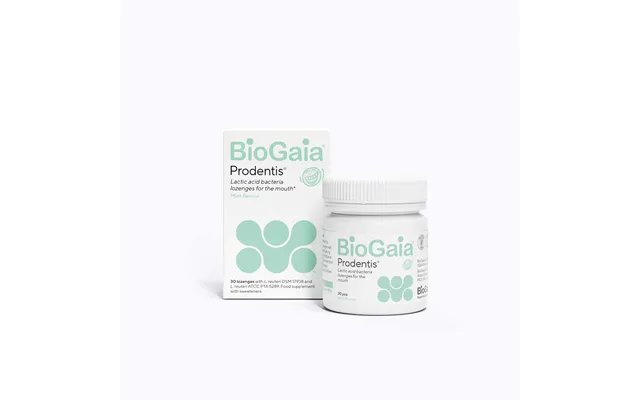
BioGaia price list
Last updated Monday, 19 Oct 2026
| BioGaia | Price |
|---|---|
| Biogaia Protectis Baby Drops | £16.49 |
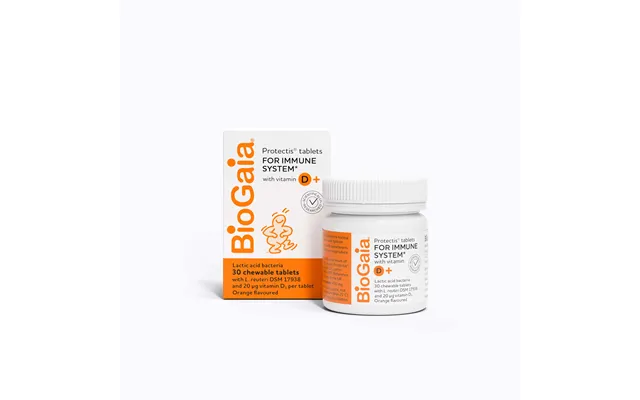
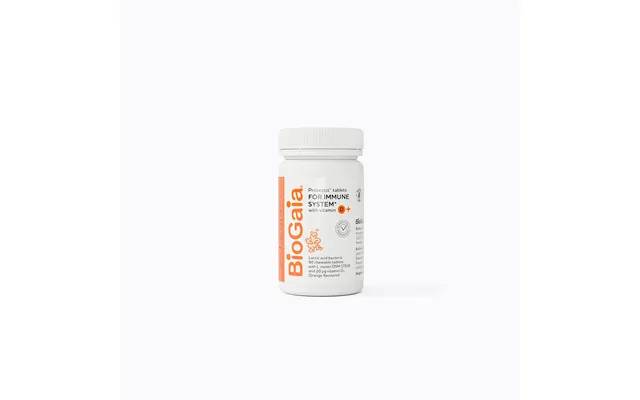
| Biogaia Protectis D 30 Pack | £17.49 |
| Biogaia Pharax Kids With Vitamin D | £19.99 |
| Biogaia Prodentis | £24.99 |
| Biogaia Protectis D 90 Pack | £32.49 |






| Store | Status | today | distance |
|---|
Loading...
Loading...
Last updated Monday, 19 Oct 2026
| BioGaia | Price |
|---|---|
| Biogaia Protectis Baby Drops | £16.49 |
| Biogaia Protectis D 30 Pack | £17.49 |
| Biogaia Pharax Kids With Vitamin D | £19.99 |
| Biogaia Prodentis | £24.99 |
| Biogaia Protectis D 90 Pack | £32.49 |
BioGaia started as a company known for probiotics and gut health solutions. While its roots are Scandinavian, the brand found a ready audience in the UK hungry for science-backed supplements. The UK presence began as a distribution and retail strategy rather than a brick-and-mortar chain—BioGaia focused on making its probiotic formulas available through pharmacies, health shops, and online stores. If you’ve ever seen BioGaia on a pharmacy shelf, that’s the result of deliberate moves to align with trusted healthcare retail channels.
What sets BioGaia apart is its research-first approach. The company invested early in clinical studies that tested specific probiotic strains for targeted uses—infant colic, digestive comfort, and immune support. The UK market responded well to that evidence-based story. Retail buyers liked that BioGaia offered products backed by trials. That credibility smoothed the path into mainstream retailers and niche health stores alike.
Unlike chains that expand by opening dozens of physical outlets, BioGaia pursued a different route: partnerships. It worked with pharmacies, online marketplaces, and health product distributors. The result? Widespread availability without the overhead of running store fronts. This is important to understand—BioGaia’s strategy emphasized product integrity and scientific messaging rather than flashy retail experiences.
BioGaia’s timeline in the UK isn’t a list of store openings. Instead, it reads like a series of strategic placements: agreements with pharmacy chains, approvals and endorsements from healthcare professionals, and expansions of product lines. Each milestone marked deeper consumer trust. Getting stocked by a national chain or being recommended by a GP or health specialist often acted as a turning point for sales and brand recognition.
Certain products helped BioGaia gain momentum—droplets and chewable probiotic tablets aimed at infants and families, for example. These items filled a concrete need: parents seeking safe, evidence-backed probiotic options for newborns and toddlers. The clarity of purpose in those product launches helped retailers understand where to place BioGaia in their assortment—near baby care, digestive health, or pharmacy counters.
The internet accelerated BioGaia’s UK story. An online presence meant people could buy directly through Amazon, specialist e-retailers, and sometimes the brand’s own channels. This e-commerce strategy made BioGaia accessible beyond the reach of physical retailers, especially in areas with fewer specialist stores. Reviews and online discussions further spread the brand’s reputation, often driven by parents and health-conscious adults sharing experiences.
Walk into a pharmacy or click into an online listing and you’ll notice BioGaia focuses on a concise product line with specific health goals. Rather than a huge shelf of different vitamins and blends, BioGaia tends to offer targeted formulations centered around particular probiotic strains. That’s appealing to customers who want a straightforward, clinically-tested option instead of experimental blends with unclear benefits.
BioGaia’s appeal comes from clarity. Each product often targets a single issue: infants’ gut comfort, adults’ digestive support, or immune system help. The product labels usually include references to the studied strain and the condition it was tested for. For shoppers, that reduces guesswork and builds confidence—knowing the product is designed for a specific outcome makes the buying decision easier.
Parents and busy adults appreciate packaging that’s simple to use and understand. BioGaia’s droppers, chewables, and tablets are typically straightforward—clear instructions, measured doses, and child-friendly formats. Simple packaging helps drive repeat purchases. If taking a supplement is easy and the results are noticeable, customers return.
Trust matters in supplements, and BioGaia benefits from trust signals: published clinical research, endorsements from healthcare professionals, and consistent product quality. In the UK, where consumers often rely on NHS or pharmacist recommendations, these signals matter even more. BioGaia’s visibility in pharmacy and professional circles helped convince shoppers that the brand is reputable.
Many supplement brands make bold claims with little data. BioGaia stands out because it emphasizes clinical studies. For UK shoppers who want evidence, that matters. When a product’s packaging and marketing reference specific trials, you feel like you’re making an informed choice—not just hoping for the best.
Beyond lab reports, real-world endorsements from parents and healthcare practitioners pushed the brand forward. A busy mum recommending BioGaia for her baby’s colic on a parenting forum or a pharmacist suggesting it for digestive issues can be more persuasive than advertising. These organic endorsements often drive steady, long-term growth.
Holland & Barrett is a large high-street and online retailer known for a vast selection of vitamins, supplements, and natural products. Compare that to BioGaia: one is a retailer with thousands of SKUs, and the other is a specialized probiotic brand. Holland & Barrett sells many brands including probiotics, but BioGaia offers focused, research-led formulas that appeal to customers seeking clinically-backed probiotics.
Holland & Barrett wins on variety. If you want options, alternatives, or a one-stop-shop, it’s ideal. BioGaia wins on specialization. For shoppers who want a narrow set of proven probiotic products, BioGaia simplifies choices and reduces decision fatigue. It’s the difference between a supermarket and a boutique: both have value, but they serve different shopper needs.
Holland & Barrett often runs promotions, discounts, and loyalty benefits. That can make probiotics more affordable, especially if you’re open to different brands. BioGaia’s pricing tends to reflect its research investment; it’s not always the cheapest option, but many customers are willing to pay a premium for perceived reliability and results.
Boots and Superdrug are national pharmacy chains with strong high-street presence. These stores are trusted for everyday health needs and often carry a range of supplements. BioGaia products appear in these outlets sometimes, but the chains offer many alternatives. Boots and Superdrug rely on broad appeal while BioGaia leans on targeted solutions.
Boots and Superdrug are convenient and familiar. You can pop into a local store and pick up vitamins or probiotics while doing other errands. BioGaia’s strength lies in depth within a niche. If you’ve been told a specific probiotic strain will help, BioGaia is the kind of brand that matches that prescription. For general health shoppers, Boots and Superdrug are convenient; for targeted probiotic needs, BioGaia is precise.
Both Boots and Superdrug have on-site pharmacists who can give advice. That’s a huge benefit compared to buying online. BioGaia benefits when pharmacists recommend it, but those recommendations depend on pharmacists being aware of BioGaia’s research and product benefits. That’s why BioGaia invests in professional education alongside retail presence.
Independent health shops often stock niche, artisanal, or hard-to-find supplements and can be curators of quality. Online competitors—marketplaces and specialist e-retailers—offer convenience and wider reach. BioGaia fits into both worlds by being a brand that independent shops respect for its science and that online sellers carry to meet demand.
Independent shops curate and sell based on a personal relationship with customers. That’s a great fit for BioGaia’s narrative. Online distribution gives reach and reviews—critical for building national recognition. Between the two, BioGaia benefits from curated trust in physical shops and broad visibility online.
Many online retailers offer subscription discounts for repeat purchases. BioGaia customers with chronic needs (like ongoing digestive care) may value subscription models for better pricing and convenience. Independent shops might not offer the same automated discounts, but they provide personalised advice—another trade-off to consider.
BioGaia’s strengths are clear: clinical focus, targeted products, and trustworthiness. It’s a brand that appeals to parents, people with specific digestive concerns, and shoppers who value science. Weaknesses? Limited product breadth and sometimes higher price points. If you want a one-stop vitamin shop or the cheapest option, BioGaia might not be the first stop.
Pick BioGaia if you want a probiotic grounded in trials, if you need a product for a particular condition, or if you trust professional recommendations. It’s especially attractive for parents and people seeking well-documented probiotic strains. If you prioritize broad supplement selection or bargains, check bigger retailers.
If you’re experimenting with general wellness blends or trying to save money, larger retailers and private-label options may offer more choice and lower prices. Also, if you prefer in-store loyalty points and constant promotions, chains may be more rewarding.
Want to try BioGaia? Here’s how to make a smart purchase. First, identify the health goal you want to address—baby colic, adult digestion, or immune support. Then check product labels for the specific strain and recommended use. Buy from reputable sellers: national pharmacies, trusted e-retailers, or well-reviewed independent health shops. Finally, look for evidence of freshness and storage instructions—some probiotics need cool storage to stay effective.
Don’t be swayed by marketing alone. Look for product names tied to strain IDs and clinical claims. If a product references a study, search for it or ask the pharmacist. That small step separates educated choices from impulse buys.
Compare prices across Boots, Holland & Barrett, Amazon, and specialist retailers. If you plan long-term use, consider subscription models that offer discounts. Be wary of counterfeit or gray-market sellers offering steep discounts—cheaper isn’t better if it risks product quality.
BioGaia’s path in the UK isn’t a dramatic retail takeover. It’s a steady build of credibility, product clarity, and trusted partnerships. The brand didn’t try to become a large retailer; instead, it became a focused supplier of probiotic solutions. That strategy worked because UK shoppers responded to scientific proof and accessible formats for everyday use. Today BioGaia sits in a comfortable niche—trusted by parents, recommended by professionals, and present across the mix of high-street, independent, and online channels. If you want proven probiotic strains in simple formats, BioGaia remains a reliable option among the many choices in the UK market.