



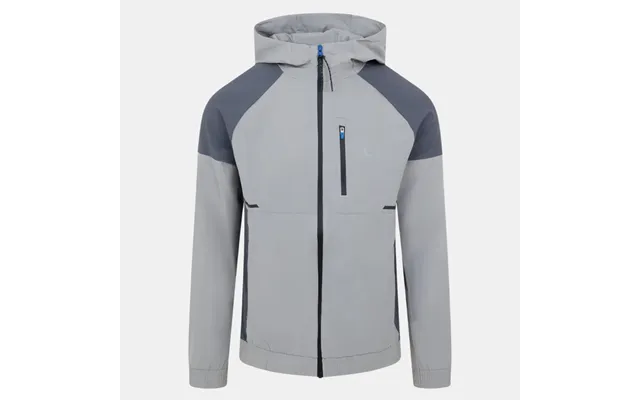
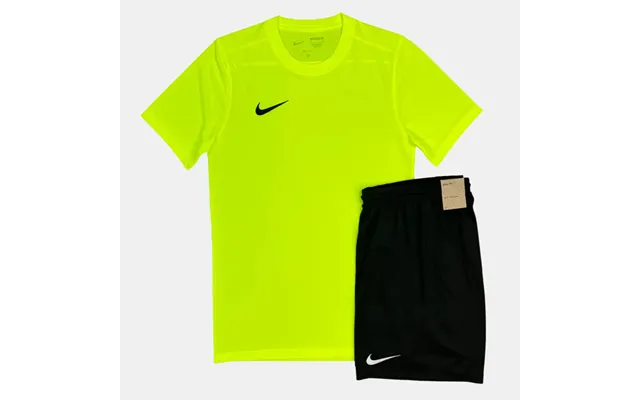
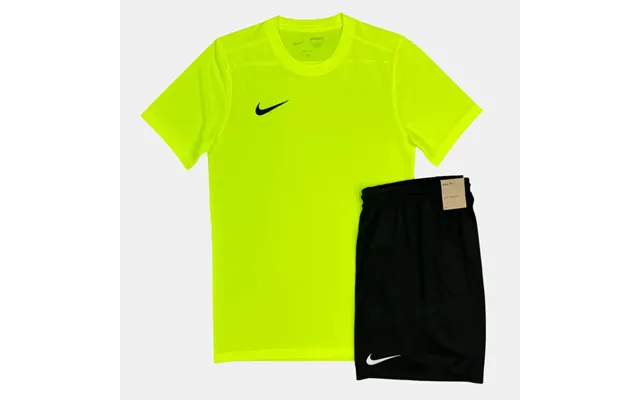
Drip Union price list
Last updated Monday, 19 Oct 2026





| Store | Status | today | distance |
|---|
Loading...
Loading...
Last updated Monday, 19 Oct 2026
Drip Union has become a name worth watching in the UK fashion scene. Built around the energy of streetwear, sneakers and everyday self-expression, the store speaks to shoppers who want more than a plain outfit. They want personality. They want limited pieces, strong graphics and clothing that feels connected to music, sport and youth culture.
Yet the story of Drip Union is slightly different from the history of a large high-street chain. Public information about its exact launch date, founders and early business milestones is limited. That matters. Rather than inventing a neat timeline, it is better to look at what can reasonably be understood: Drip Union’s place in the growth of UK streetwear, its likely digital-first identity, and the way it compares with better-known stores such as size?, END., Footasylum and JD Sports.
This article explores the history and development of Drip Union, its style, its customer appeal and its position in the UK market. It also asks a useful question: can a smaller independent store compete with major retailers that have bigger budgets, wider stockrooms and famous brand partnerships?
Drip Union appears to belong to a newer generation of UK fashion retailers. These businesses often grow through online communities, social media and direct contact with customers rather than relying on hundreds of physical shops. Their names are designed to feel close to the audience. “Union” suggests connection, while “drip” is modern slang for personal style and confident clothing.
This kind of branding fits the present fashion market. Shoppers no longer wait for seasonal catalogues or depend only on the high street. They discover products through short videos, creator recommendations, outfit posts and online conversations. A small label can attract attention quickly if it understands the mood of its audience.
Drip Union’s identity can therefore be viewed as part of a wider shift. UK streetwear has moved from specialist shops and underground scenes into the mainstream. Hoodies, oversized T-shirts, tracksuits, caps and statement trainers now sit comfortably beside traditional casualwear. The old wall between sports clothing and fashion has become much thinner.
Streetwear has always been more than fabric. It is a visual language. A graphic tee can reference music. A tracksuit can show football loyalty. A pair of trainers can signal knowledge, taste or nostalgia. Drip Union operates in that space, where clothing becomes a quick way to tell the world who you are.
The UK has a particularly strong streetwear culture. London, Manchester, Birmingham, Leeds, Liverpool and other cities have developed their own style codes. Grime, drill, football culture, skateboarding and American hip-hop have all influenced the way British shoppers dress. A store that understands these influences can feel more relevant than a generic fashion website.
Drip Union’s appeal is likely linked to this sense of belonging. The customer is not simply buying an item. They are joining a style conversation. That is a powerful idea, especially for younger shoppers who value identity and community as much as price.
There is no widely documented corporate history for Drip Union in the same way there is for JD Sports or Sports Direct. Large retailers publish annual reports, investor updates and detailed company timelines. Smaller independent stores often do not. Their history lives in product drops, social posts, customer reviews and word of mouth.
That does not make the story less interesting. In fact, it reflects how modern retail works. Many emerging fashion businesses begin with a simple idea: find products that a specific audience wants, present them with a strong visual identity and build trust one order at a time.
Drip Union’s development can be understood through three broad stages. First comes identity, when the business defines its name, visual style and target customer. Second comes discovery, when social content and word of mouth help shoppers find the store. Third comes trust, when delivery, customer support, product quality and clear policies turn first-time buyers into returning customers.
Traditional retailers usually grow by securing prime locations and increasing their shop network. Modern independent stores can take a different route. They may launch online, test products in small quantities and use customer feedback to decide what comes next. This approach lowers some costs, but it also creates new challenges.
An online store must earn attention every day. A customer cannot touch the fabric, try on the item or speak to a shop assistant before ordering. Product photography, sizing information, delivery details and returns policies become essential. If these elements are weak, a stylish brand can quickly lose credibility.
For Drip Union, the online experience is therefore part of its history. The website, social channels and customer interactions are not just sales tools. Together, they create the shop floor. Every new drop becomes a small event, and every customer review adds another line to the brand story.
Drip Union’s strongest point is its independent feel. Large retailers offer convenience, but they can sometimes feel predictable. Their product ranges are built for wide appeal. An independent store can take more risks, focus on a sharper style and create a stronger emotional connection with a smaller audience.
The name itself has energy. It sounds less formal than a traditional clothing company and more like a community or movement. That makes it suitable for a generation that enjoys relaxed language and visual confidence. The tone feels personal. It does not sound like a distant department store.
Another difference is curation. Shoppers often become tired of scrolling through thousands of products. A focused store can save time by selecting clothing that matches one clear direction. If the edit is strong, customers feel that the retailer understands them before they even make a purchase.
A streetwear customer usually looks for a mix of comfort and impact. The ideal product can be worn on a normal day but still has enough character to stand out. Hoodies, sweatshirts, cargo trousers, graphic T-shirts, jackets and accessories all work well because they can be mixed and layered.
Drip Union’s appeal is likely strongest among shoppers who want flexible pieces rather than formal clothing. A hoodie can work with jeans, cargos or shorts. A statement T-shirt can be worn under an open shirt or beneath a bomber jacket. This versatility gives streetwear a practical advantage.
Price also plays a central role. Not every shopper can afford luxury labels or limited designer collaborations. Independent retailers can attract customers by offering a stronger visual look at a more accessible cost. The challenge is to balance affordability with fabric quality, reliable printing, accurate sizing and durable stitching.
size? is one of the best-known names in the UK sneaker and streetwear market. It has a long retail history, a wide physical presence and strong relationships with major sportswear brands. Its product range often includes Nike, adidas, New Balance, Vans and other familiar names.
Compared with size?, Drip Union is likely to feel more independent and focused. size? benefits from scale, exclusive footwear releases and established customer trust. It is a strong choice for shoppers searching for recognisable trainers, launch information and official brand stock.
Drip Union may appeal more to customers who want a distinct store identity rather than a large catalogue. The experience can feel more personal and less corporate. However, size? usually has an advantage in product availability, physical locations, delivery infrastructure and access to major releases.
The comparison is similar to choosing between a specialist coffee shop and a national café chain. One offers scale and predictable access. The other may offer more personality and a closer connection to its local or online community.
END. occupies a more premium position. The retailer is known for carefully selected menswear, contemporary fashion, designer labels, sneakers and high-profile collaborations. Its presentation is polished, editorial and international. END. has built a strong reputation among shoppers who care about design, exclusivity and brand storytelling.
Drip Union appears to sit closer to accessible streetwear. Its likely customer is looking for everyday style, bold pieces and a direct shopping experience rather than luxury-level curation. This can make it less intimidating and more approachable for shoppers who are still developing their personal style.
END. has advantages in premium stock, international reach and collaboration history. Drip Union’s possible advantage is emotional closeness. A smaller store can speak in a more direct voice and respond to a niche audience without the same corporate distance.
Neither model is automatically better. It depends on what the shopper wants. If you are looking for a rare designer trainer, END. may be the natural destination. If you want an easy-to-wear streetwear look with an independent edge, Drip Union may feel more relevant.
Footasylum is a major UK retailer with a strong youth focus. It sells sportswear, footwear and streetwear from leading brands and has become highly visible online and on the high street. Its marketing often uses music, entertainment and creator culture to connect with younger customers.
There is clear overlap between Footasylum and Drip Union. Both operate in a market shaped by trainers, tracksuits, hoodies and popular culture. Both understand that customers want clothing that works across social life, leisure and everyday wear.
The difference is scale. Footasylum can offer a large selection, regular promotions and a broad range of established labels. Drip Union can potentially offer a tighter edit and a more distinctive independent personality. Footasylum is useful when shoppers want multiple brands in one place. Drip Union may be more attractive when shoppers already connect with its particular look.
Footasylum also benefits from strong name recognition. A newer store must work harder to reassure customers about service, returns and product quality. This is where reviews, transparent policies and consistent communication become crucial for Drip Union.
JD Sports is one of the biggest names in UK sports fashion. Its broad store network, online platform and relationships with major sportswear brands give it enormous reach. For many shoppers, JD Sports is the first stop for trainers, sports clothing and branded streetwear.
Drip Union cannot compete with JD Sports on physical coverage or overall stock volume. It does not need to. Smaller retailers succeed by being sharper, more personal or more specialised. They offer a different experience rather than attempting to copy a national chain.
JD Sports is a strong option for shoppers who want mainstream brands, easy store access and familiar service. Drip Union can attract people who prefer discovery. They may enjoy finding a product that feels less obvious or supporting a smaller UK fashion business.
The future of independent stores depends on this difference. If they offer the same products, at the same prices and with less convenience, they struggle. If they deliver a clear point of view, they can build loyalty even when larger competitors dominate search results.
Style may bring a shopper to Drip Union, but service determines whether that shopper returns. A strong customer experience starts with accurate product descriptions. Customers need to know the material, fit, measurements, colour and care instructions before they order.
Clear delivery information matters just as much. UK shoppers want to understand dispatch times, postage costs and tracking options. If an item is made to order or released in limited quantities, the store should say so clearly. Surprises can damage trust faster than a high delivery fee.
Returns must also be simple to understand. A customer may love the design but find that the fit is wrong. A clear returns process removes much of the risk. It shows that the store respects the buyer after payment, not only before it.
Independent fashion stores depend heavily on social proof. Customers want to see real photographs, honest comments and evidence that orders arrive as promised. A brand can publish beautiful campaign images, but everyday customer content often feels more believable.
For Drip Union, reviews can help answer practical questions. Does the hoodie fit true to size? Is the print as bold as it appears online? How fast does delivery take? Is customer support responsive? These details can matter more than a clever slogan.
Social media also gives the brand a chance to show its character. Behind-the-scenes content, styling ideas, new product previews and customer features can make the store feel alive. The strongest independent retailers do not simply advertise. They participate in the culture their audience cares about.
The UK fashion market is crowded. Customers have more choice than ever, while advertising costs continue to rise. A new retailer must compete not only with shops but also with marketplaces, resale platforms and fast-fashion websites.
Price pressure is another challenge. Large retailers can negotiate bigger orders and spread costs across a large customer base. Smaller businesses may pay more for production, packaging, fulfilment and marketing. Drip Union must make sure that its pricing reflects real value without becoming inaccessible.
Stock management can be difficult too. Too much stock ties up cash. Too little stock can disappoint customers and create missed opportunities. Limited drops can create excitement, but they need careful planning. A sold-out product may strengthen demand, yet repeated shortages can frustrate loyal shoppers.
There is also the issue of sustainability. Customers increasingly ask where products are made, how materials are sourced and what happens to unwanted clothing. No retailer can solve every problem overnight, but honest information is better than vague claims. Durable products, sensible packaging and responsible production can help build long-term trust.
Drip Union’s future will depend on its ability to remain clear about what it stands for. The brand does not need to become the next JD Sports to succeed. It needs a recognisable identity, dependable service and products that customers cannot easily find elsewhere.
Community will probably remain important. The word “union” carries a useful promise: people coming together around shared taste. That could lead to local pop-ups, collaborations with artists, limited collections, styling events or partnerships with musicians and creators. Each activity could deepen the relationship between the store and its audience.
Digital storytelling will also matter. A product page can sell an item, but a strong story can sell the reason behind it. Why was the design created? Who inspired it? How should it be worn? These questions turn clothing into something more memorable.
The store may also benefit from carefully chosen collaborations. Working with a local creative can create a product with a genuine UK connection. The key is authenticity. Customers can usually tell when a partnership feels natural and when it exists only to generate attention.
For shoppers who enjoy independent streetwear, Drip Union is worth exploring. Its main appeal lies in its identity, accessibility and connection to modern UK style. It may not offer the enormous range of JD Sports or the premium selection of END., but comparison is not the whole story.
A smaller store can offer something different: a more focused edit, a less predictable look and the feeling that your purchase supports an emerging business. That can be valuable in a market filled with identical product pages and repeated trends.
Before ordering, customers should check the latest sizing details, delivery terms, returns policy and product information. This is sensible advice for any online retailer. When those details are clear and the clothing matches the promise, Drip Union has the opportunity to build lasting loyalty.
Drip Union represents the changing shape of UK fashion retail. Its story is not defined by a century-old shopfront or a huge national chain. It is shaped by online discovery, streetwear culture, community and the search for a personal look. Against larger competitors, it may lack scale, but it can compete through character. In modern fashion, that difference can be the spark that turns a small store into a trusted name.