




Geepas price list
Last updated Thursday, Sep 3, 2026




| Store | Status | today | distance |
|---|
Loading...
Loading...
Last updated Thursday, Sep 3, 2026
Have you ever wondered how a brand like Geepas found its place on UK shelves? The story begins in the mid-1970s. Geepas was launched in 1974 and quickly built a reputation for offering affordable home appliances and small electronics. The brand focused on bringing practical, everyday products to families who wanted good value without flashy branding. That clear mission helped Geepas become known in markets across Europe and later the Middle East.
The initial vision was simple: deliver useful household items at prices people could afford. Geepas concentrated on core categories—kitchen appliances, personal care, audio devices, and small household electronics. Instead of chasing premium design trends, the brand emphasised reliability, accessibility, and broad distribution. That approach made it a go-to choice for shoppers looking to replace broken items or to outfit a home on a budget.
Growth for Geepas followed traditional retail channels. The brand was stocked in general merchandise stores, independent retailers, and later in chain stores across the UK. Distribution widened through partnerships with wholesalers and retailers, which helped Geepas appear in different corners of the market—from high street shops to online marketplaces. Over time, Geepas extended beyond the UK into the Middle East and Europe, adapting ranges slightly to meet local tastes and climates.
Like many consumer electronics brands, Geepas shifted parts of its manufacturing and sourcing overseas to remain competitive on price. This move allowed the company to keep costs down while maintaining acceptable quality levels. The balance between cost and quality became a defining characteristic of the brand—reasonable durability at budget-friendly prices.
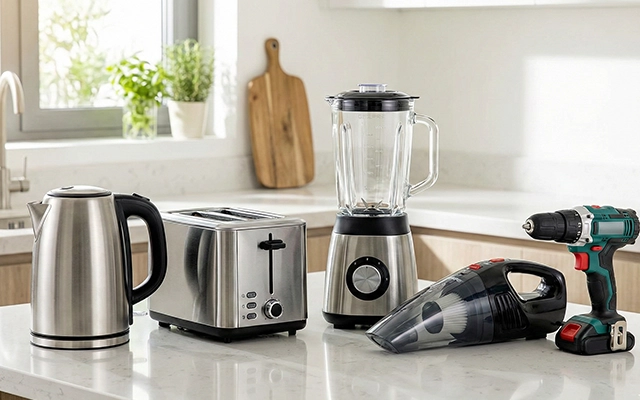
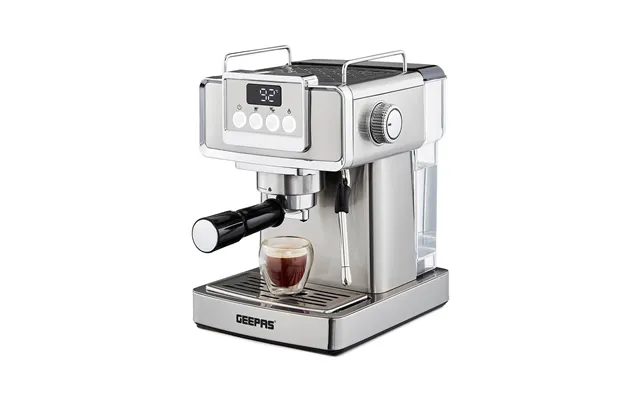
What does Geepas sell today in the UK market? The range includes kitchen appliances like kettles and toasters, personal care items like trimmers and hairdryers, home comfort products such as fans and heaters, and an assortment of gadgets—Bluetooth speakers, power banks, and LED lights. The portfolio is intentionally broad. That breadth helps Geepas appear in many shopping occasions: new home setups, gift purchases, or quick replacements when something breaks.
Geepas products are designed to offer practical features rather than luxury extras. Think multiple heat settings on a kettle, basic safety functions, or simple cordless trimmers. This keeps manufacturing costs lower, and shoppers often get exactly what they need without paying for bells and whistles. It’s a pragmatic approach that appeals to price-sensitive buyers and those who prioritise function over fashion.
Geepas built recognition the old-fashioned way: presence. For years the brand relied on in-store visibility and word-of-mouth. But as retail shifted online, Geepas also strengthened its digital footprint. Today, you’ll find Geepas products on major e-commerce platforms, specialist online shops, and international marketplaces. The brand adapted its listings, product descriptions, and pricing strategies to match online shoppers’ behaviours.
Partnerships with major UK retailers and online marketplaces improved reach. Geepas listings are often optimised for search terms like “affordable toaster UK” or “budget hairdryer.” The brand’s e-commerce strategy focuses on competitive pricing, clear product specs, and user reviews to drive conversions. This mix helps Geepas stay visible among thousands of competing items.
Let’s be honest: the UK market for home appliances and budget electronics is crowded. To understand Geepas’ place, it helps to compare it with familiar names: Argos, Currys, Russell Hobbs, and Beko. Each of these players serves slightly different shopper needs, and Geepas sits in a unique middle ground—more budget-oriented than the big appliance specialists, but broader and more accessible than many niche budget brands.
Argos is a retail giant with an enormous product range, strong nationwide distribution, and an emphasis on convenience. Argos sells big and small appliances, from budget to premium. Geepas products are often among the lower-priced options you’ll find at Argos. While Argos provides hefty support—warranties, delivery options, and in-store returns—Geepas contributes value by offering cost-effective choices within Argos’ extensive catalog. If you want a no-frills, cheap replacement item, Geepas competes well inside Argos’ ecosystem.
Currys is a specialist electrical retailer. It leans toward branded appliances and electronics that come with more advanced features and stronger after-sales service. Geepas doesn’t usually aim to match that premium level of aftercare or advanced tech. Instead, Geepas is attractive when shoppers need simple, affordable items that do the job. Compare a high-end coffee maker at Currys with a basic Geepas kettle—their customers often don’t overlap much. Currys targets tech-savvy buyers looking for features; Geepas targets practical shoppers who want reliable basics.
Russell Hobbs and Morphy Richards are heritage brands in the UK kitchen appliance segment. They emphasise design, branded trust, and a step-up in perceived quality. Geepas can undercut these brands on price while delivering similar basic functionality. But if you want a stylish design, lifetime brand reputation, or premium finishes, those heritage names often win. Geepas competes by offering more affordable alternatives for budget-conscious buyers who prioritise function over brand prestige.
Beko is a large appliance manufacturer that often focuses on larger kitchen and laundry appliances with competitive energy ratings and modern features. Geepas isn’t a direct rival in the large appliance arena. Where Geepas shines is in small appliances and accessories—items that people may buy as a secondary product or for quick replacement. Beko sells performance and efficiency; Geepas sells availability and affordability.
What makes Geepas stick around in a tough market? Several strengths stand out. First, price: Geepas typically offers lower price points than branded alternatives. Second, product breadth: the range is wide, so consumers can buy multiple household items from the same brand. Third, availability: with distribution across online marketplaces and retail partners, it’s easy to find Geepas items when needed. These strengths add up to a clear value proposition for budget-minded shoppers.
Geepas positions itself as the practical option. The brand’s appeal is simple: if you need something that works and doesn’t cost a fortune, Geepas is likely on your radar. This is particularly true for students, first-time renters, or anyone looking to kit out a home without breaking the bank.
No brand is perfect. For Geepas, weaknesses include perception of quality and limited premium features. Buyers who prioritise durability, long-term performance, or high-end design may choose other brands. Also, after-sales support and warranty terms can be less comprehensive than those from major retailers or well-known appliance manufacturers. These limits sometimes make Geepas a second choice for long-term investments in the home.
The market remains competitive. Discount brands, supermarket own-label products, and direct-to-consumer startups push prices down and offer alternative value propositions. Geepas must constantly adjust product specs, prices, and channel strategies to stay relevant. That’s a lot of pressure, but it’s also an opportunity to sharpen what the brand does best: low-cost essentials.
Customer reviews of Geepas are often mixed but mostly consistent: many buyers appreciate the price-to-performance ratio, while others note variable longevity. For everyday items that don’t undergo heavy use, users report satisfactory experiences. When appliances face frequent or intensive use, some customers report earlier wear compared to more premium brands. Still, for its intended market segment, Geepas generally delivers acceptable performance and a pleasant surprise now and then.
Customers who come back to Geepas tend to do so because the brand meets expectations for price and function. Repeat buyers often recommend Geepas for student accommodation, temporary setups, or as backup appliances. When a product is simple, affordable, and does the job, loyalty follows—especially when a retailer keeps stocking familiar models.
What’s next for Geepas in the UK? The brand can grow by improving two areas: perceived quality and digital presence. Small improvements in product durability and clearer warranties can boost shopper confidence. On the digital side, stronger SEO, richer product content, and targeted online advertising can help Geepas stand out within crowded marketplaces. There’s also room for more eco-friendly and energy-efficient models—an area where consumers are increasingly focused.
Geepas could explore collaborations with UK retailers for exclusive ranges, limited-time offers, or bundled deals. Another smart step is targeted social media campaigns aimed at students and new homeowners. These moves would leverage the brand’s affordability while building stronger emotional connections with key buyer groups.
Geepas has carved out a clear place in the UK market: the dependable, budget-friendly brand for everyday household electronics and small appliances. It won’t replace top-tier brands for shoppers seeking premium features, but it fills an important niche—affordable reliability when you need it most.
Whether you’re fixing up a student flat, replacing a broken kettle, or buying a simple gift, Geepas offers practical choices that won’t hurt your wallet. The brand’s continued success will depend on striking a balance between cost, quality, and modern shopper expectations. If Geepas can tighten quality and sharpen digital visibility without losing its value edge, it may keep winning over the cost-conscious customers who make up much of the UK’s market.