




Gini London price list
Last updated Monday, 19 Oct 2026






| Store | Status | today | distance |
|---|
Loading...
Loading...
Last updated Monday, 19 Oct 2026
Gini London is part of a new generation of UK fashion retailers built around online shopping, fast-moving trends and accessible prices. Unlike long-established department stores with detailed archives, grand buildings and a clear founding date, Gini London has a more modern story. Its identity is closely linked to digital retail, social media and the changing way British shoppers discover clothing.
That makes the history of Gini London especially interesting. The store reflects a major shift in the UK fashion market. Customers no longer need to visit a high street to find a party dress, a tailored blazer or a seasonal outfit. They can browse on a phone, compare prices in seconds and order from home. Gini London operates within this fast, visual and highly competitive environment.
In this article, we will explore the development of Gini London, its place in British online fashion, the type of customer it attracts and how it compares with similar stores such as Boohoo, PrettyLittleThing, ASOS, Missguided, River Island and Next. We will also look at the advantages and possible drawbacks of shopping with a digital-first fashion brand.
Gini London does not have the same publicly documented heritage as Marks & Spencer, Next or River Island. Those companies have decades of retail history, widely reported milestones and a large network of physical shops. Gini London belongs to a different business model. Its growth is associated with online fashion retail, where a brand can reach customers without building hundreds of stores across the UK.
The name itself suggests a London-inspired identity. London has long been used as a fashion signal because the city combines traditional tailoring, streetwear, nightlife style and multicultural influences. For a contemporary clothing store, “London” can suggest confidence, energy and a cosmopolitan attitude. Gini London uses that broad image to appeal to shoppers who want current looks with a polished edge.
As with many independent and online fashion retailers, the brand’s public history is less about one dramatic launch and more about gradual development. A digital store can begin with a focused range, test which products attract attention, and then expand its collection. This approach is very different from the traditional department store model, where a retailer may plan large seasonal ranges many months in advance.
Gini London’s development fits the rise of online fashion in the United Kingdom. British consumers became comfortable buying clothes online during the 2000s and 2010s. Better payment systems, mobile websites, home delivery and simpler returns helped remove much of the uncertainty that once surrounded internet shopping.
Social media then changed the process again. Customers began discovering outfits through Instagram posts, short videos, influencer content and online adverts. A fashion brand no longer needed a famous high-street address to gain attention. A striking product photograph could reach thousands of potential buyers in a few hours.
For Gini London, this kind of environment creates both opportunity and pressure. The store can present a focused visual style and respond quickly to trends. At the same time, shoppers can move instantly to a competitor if they find a lower price, faster delivery or more generous returns policy.
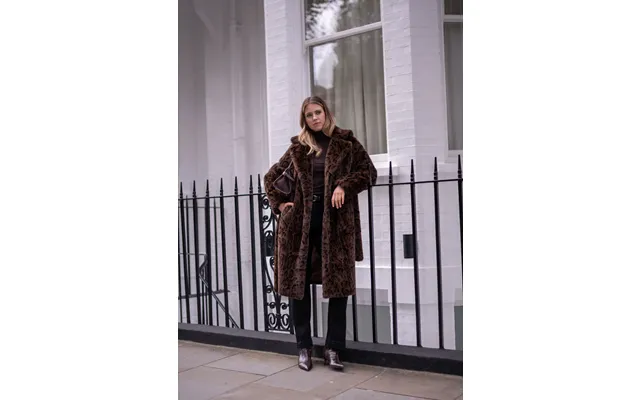
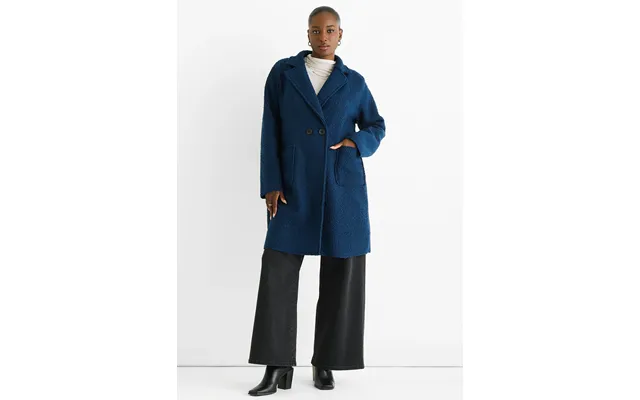
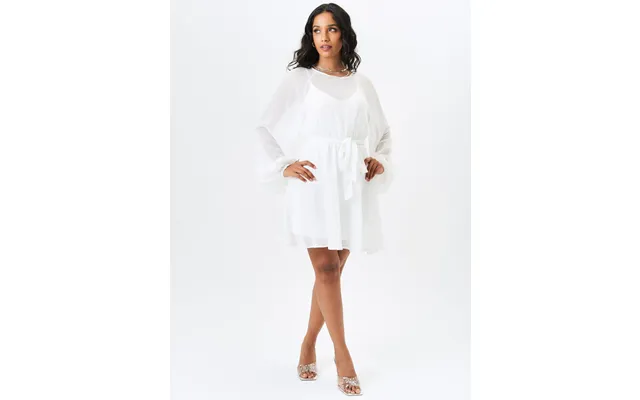
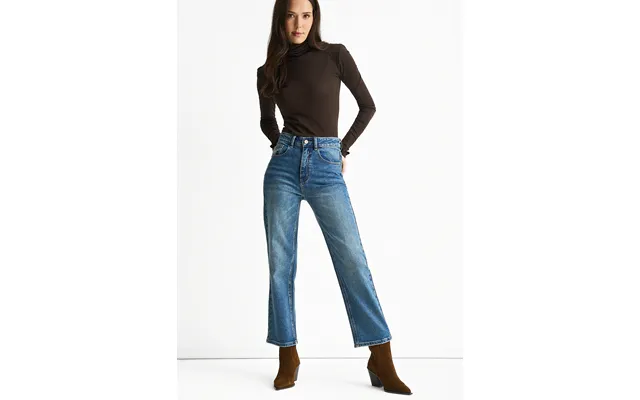
Gini London is associated with women’s fashion that combines trend-led design with a dressed-up feel. Its collections commonly appeal to customers looking for clothing for evenings out, celebrations, holidays, social events and everyday outfits with extra impact. The overall style sits between occasionwear and contemporary high-street fashion.
That positioning is important. Many shoppers do not want a formal department-store look, but they also do not want clothing that feels too casual. They may be searching for a fitted dress, a statement top, a jumpsuit, a skirt or a coordinated outfit. Gini London’s appeal lies in helping customers create a complete look without paying luxury prices.
Fashion brands often grow by identifying a clear emotional benefit. For Gini London, that benefit is confidence. A customer may visit the website because she needs a dress for a birthday, a wedding guest outfit or a night out. She is not only buying fabric and stitching. She is buying the feeling of being ready, stylish and noticed.
Occasionwear has played a strong role in the UK online fashion market. Customers often shop with a specific date in mind, which makes them more open to browsing new brands. They may search for terms such as “party dresses UK”, “wedding guest outfits”, “women’s jumpsuits” or “going out clothes”. A retailer that displays these categories clearly can turn a general visit into a focused purchase.
Gini London’s style also works for shoppers who want to add a sharper touch to everyday clothing. A simple outfit can change with a structured jacket, a satin blouse, a bold colour or a well-cut pair of trousers. This versatility helps the brand reach beyond one event. It gives customers more reasons to return throughout the year.
Trends naturally influence the range. Popular details may include body-conscious shapes, bright colours, metallic finishes, mesh panels, tailoring, floral prints and coordinated separates. Trends create excitement, but they also move quickly. A store must constantly balance newness with reliable pieces that customers can wear more than once.
The history of Gini London cannot be separated from the broader rise of e-commerce in Britain. The UK has one of Europe’s most active online retail markets. Shoppers are used to comparing several websites before placing an order. They expect clear product photographs, size information, delivery choices, secure payment and a practical returns process.
This has changed the relationship between a store and its audience. A traditional retailer speaks to customers through shop windows, sales assistants and printed signs. An online brand communicates through product images, descriptions, emails, social media and customer reviews. Every part of the website becomes part of the shop floor.
For Gini London, presentation matters enormously. A customer cannot touch the material or try on the garment before buying. Photography must show the shape, colour and fit as clearly as possible. Product descriptions need to answer simple questions: Is the fabric stretchy? Is the item lined? Does it run small? Is the model wearing a particular size?
Many fashion purchases now begin on a smartphone. Customers scroll during a lunch break, on public transport or while watching television. This makes convenience a central part of the Gini London experience. A mobile-friendly website can turn inspiration into a sale within minutes.
However, mobile shopping also encourages quick decisions. A product may look attractive in a social media image but disappoint if the fit is unclear. Good online retailers understand this gap and try to close it with detailed measurements, multiple photographs, model information and honest descriptions.
The mobile market also increases the value of repeat customers. If a shopper receives an item that matches the photograph, arrives on time and feels good to wear, she may return directly to the brand. Trust becomes a powerful asset. In online fashion, one positive experience can be worth more than a short-lived advertising campaign.
Boohoo is one of the best-known names in UK online fashion. It has built a large digital operation around affordable clothing, frequent product launches and aggressive trend response. Compared with Boohoo, Gini London generally feels more focused rather than as broad. Boohoo offers an enormous choice across many styles, categories and customer needs.
Gini London may appeal to a shopper who wants a more edited collection. Instead of moving through thousands of products, she may prefer a store with a clear emphasis on fashionable women’s clothing and occasion-led pieces. This can make browsing feel less overwhelming.
Boohoo’s scale can bring advantages in price, stock depth and promotional activity. It often runs major sales and offers a huge selection of sizes, colours and designs. Gini London competes not by matching that scale, but by offering a distinct visual identity and a more concentrated shopping experience.
Both brands operate in a fast fashion environment, so customers should check product details carefully. Price is only one part of value. Material quality, garment construction, delivery charges and return conditions can influence the real cost of an order.
PrettyLittleThing, often known by its shortened name, is another major UK online fashion retailer. It is strongly associated with celebrity influence, social media marketing, bold trends and affordable prices. Its clothing often targets shoppers who want attention-grabbing looks for nights out, holidays and social events.
Gini London shares some of this audience. Both stores can attract customers searching for party dresses, fitted shapes, statement pieces and current styles. The difference may come down to brand atmosphere. PrettyLittleThing is a very large, high-energy platform with a powerful promotional machine. Gini London can feel like a smaller, more selective alternative.
Shoppers who enjoy constant newness and a very wide product range may prefer PrettyLittleThing. Customers who want to browse a less crowded selection may find Gini London easier to navigate. Neither approach is automatically better. It depends on whether you value maximum choice or a more edited experience.
PrettyLittleThing often competes heavily on discounts and promotional codes. This can make its headline prices attractive, although customers should always read the terms of a promotion. Gini London may also use competitive pricing, but the comparison should include delivery and returns rather than focusing only on the item price.
Product choice is another major difference. Large retailers can offer more categories, from lingerie and accessories to beauty products and footwear. A focused store may have fewer products but a stronger sense of direction. If you already know the kind of outfit you want, a smaller range can save time.
ASOS is one of the most important online fashion retailers in the UK. It acts as both a retailer and a marketplace, offering its own products alongside clothing from many other brands. ASOS has a broad customer base and sells everything from casual basics to formalwear, sports clothing, accessories and beauty items.
Compared with ASOS, Gini London is more specialised. ASOS is useful when you want to compare multiple labels on one website. You can search by brand, size, colour, price and style. Gini London is more suitable when you already like its particular fashion direction.
ASOS also has the advantage of scale. It usually provides extensive filters, customer reviews, model information and many delivery choices. These tools can make online buying easier. Gini London’s strength is the personality of a single-brand store. The customer receives a more consistent visual message from one product page to the next.
For shoppers who want a quick outfit for a particular event, both stores can be useful. ASOS offers more comparison. Gini London offers more focus. Imagine ASOS as a large fashion market and Gini London as a carefully arranged boutique within the same city.
Missguided became widely recognised for its bold online fashion and strong connection with younger shoppers. It helped shape the style of digital-first UK retail by using social media, influencer marketing and fast trend movement. Its influence can be seen in the wider market, where online stores compete to release new looks quickly.
Gini London operates in a similar part of the market, particularly when it comes to women’s occasionwear and going-out fashion. The key distinction is brand scale and presentation. Missguided became a major name with a large digital presence, while Gini London has a more independent and boutique-like profile.
Customers comparing the two should look beyond brand recognition. Check current stock, size availability, material composition and delivery information. Online fashion retailers can change their ranges often, so yesterday’s comparison may not be accurate today. A smaller brand can sometimes offer an item that a larger competitor no longer carries.
River Island brings a strong high-street heritage to the comparison. It has operated as a recognisable UK fashion name for many years and combines physical stores with online shopping. Customers can often benefit from the reassurance of a familiar brand, established sizing and the possibility of visiting a shop.
Gini London is more digital in character. It does not compete through a national network of large high-street stores. Instead, it can focus on online presentation, direct customer communication and a trend-led product range. This may appeal to shoppers who prefer the speed and convenience of internet shopping.
River Island may be the better choice for customers who want to see clothing in person or return an item through a shop, depending on the current policy. Gini London may suit shoppers who already feel comfortable buying online and enjoy discovering less traditional fashion retailers.
There is also a difference in shopping mood. River Island feels like an established high-street destination. Gini London feels more like an online fashion find. One offers familiarity; the other offers discovery.
Next is another major UK retailer with a long-established reputation. Its range covers women’s, men’s and children’s clothing, as well as homeware and other products. Next is known for practical shopping systems, delivery options and a broad customer base.
Compared with Next, Gini London is more fashion-specific and more focused on trend-led women’s clothing. Next often balances modern style with dependable basics, workwear and family shopping. Gini London has a stronger opportunity to create a sharper, event-ready look.
Customers who want wardrobe staples, children’s clothing or home products may find Next more convenient. Someone looking for a striking party outfit may prefer the narrower focus of Gini London. This is a useful reminder that “best store” depends on the shopping mission. A retailer designed for family convenience will naturally feel different from one built around fashion impact.
Gini London’s main point of difference is its combination of accessibility and style. It does not present itself as a luxury fashion house, yet it aims to make customers feel polished and confident. That middle ground is valuable. Many people want clothing that looks special without spending designer prices.
The brand also benefits from the flexibility of the online model. Digital retailers can refresh products, create themed edits and respond to seasonal demand without the same limitations as a physical shop. If a certain colour becomes popular, an online business can highlight it across its website and social channels.
Another strength is convenience. A customer can browse from home, compare products at her own pace and order outside normal shop hours. There is no queue, no crowded changing room and no pressure from a sales assistant. For many people, that freedom makes online fashion more enjoyable.
Online shopping still requires care. Before ordering from Gini London or any similar store, read the size guide rather than relying only on your usual size. Clothing measurements can vary between brands, and fitted garments may feel very different from loose styles.
Look at the fabric description too. Polyester, viscose, elastane and cotton each create a different feel and level of stretch. Product photographs can make a fabric appear heavier, softer or more luxurious than it feels in real life. A clear description helps set realistic expectations.
You should also review delivery fees, estimated dispatch times and the returns policy. Ask yourself whether return postage is free, how long you have to send an item back and whether sale products have different conditions. These details matter, especially when ordering an outfit for a fixed event date.
The future of Gini London will depend on how well it builds trust while remaining current. Trend-led fashion can attract attention, but long-term success requires more than attractive images. Customers return when products fit well, arrive as promised and match the expectations created by the website.
Sustainability will also shape the next stage of online fashion. British shoppers are becoming more interested in garment quality, responsible production, recyclable packaging and the environmental cost of frequent returns. Retailers that provide useful product information can help customers make better choices and reduce unnecessary orders.
Personalisation may become more important too. Online stores can use browsing behaviour, saved items and previous purchases to show more relevant products. Yet personalisation should support the shopper rather than make the website feel intrusive. The best experience feels helpful, not watched.
Social commerce is likely to keep growing. Customers increasingly discover clothes through videos and creator recommendations before visiting a retailer’s website. Gini London can benefit from this trend if it develops content that shows real movement, realistic styling and different ways to wear each piece.
The history of Gini London matters because it reflects a wider transformation in British retail. Fashion no longer belongs only to famous high-street chains or luxury boutiques. A digital-first store can create a recognisable identity, reach customers across the country and compete through speed, imagery and convenience.
Gini London also shows how modern shoppers think. They want choice, but not always endless choice. They want affordable prices, but they also care about how clothing looks and feels. They want convenience, but they need information before committing to a purchase. Online retailers must answer all of these needs at once.
When compared with Boohoo, PrettyLittleThing, ASOS, Missguided, River Island and Next, Gini London occupies an interesting position. It is smaller and more focused than the major online platforms. It is more digital and less traditional than established high-street names. Its opportunity is to offer a clear point of view and turn first-time visitors into loyal customers.
Gini London represents the modern UK fashion store: visual, flexible, accessible and closely connected to online culture. Its story is not built on a century of shops or a famous department-store building. It is built on the changing habits of British consumers and the desire to find stylish clothing with less effort.
For shoppers, the best way to judge Gini London is to look at the complete experience. Consider the design, price, fit, fabric, delivery and returns policy together. Compared with large competitors, the store may offer a more focused route to occasionwear and trend-led women’s fashion. It may not suit every customer or every shopping need, but it adds another distinctive voice to the crowded UK fashion market.