






Living and Home price list
Last updated Sunday, 18 Oct 2026






| Store | Status | today | distance |
|---|
Loading...
Loading...
Last updated Sunday, 18 Oct 2026
Living and Home has become a familiar name for UK shoppers looking for affordable furniture, home accessories, lighting, storage and garden products. Unlike traditional high-street retailers with a long chain of shops, the brand is best known as an online-focused store. Its appeal comes from a simple idea: make it easier to refresh a home without spending a fortune or visiting several different shops.
The company operates in a retail market that has changed quickly. People once planned a homeware shopping trip around department stores, furniture showrooms and local retailers. Today, many customers begin with a search on their phone. They compare prices, scan reviews, check delivery details and place an order before they have even left the sofa. Living and Home fits neatly into that new pattern of shopping.
Its history is therefore linked not only to the brand itself but also to the rise of online retail in the United Kingdom. The business reflects a wider shift towards convenient shopping, broad product ranges and frequent online promotions. It has built its presence by offering products for everyday living rather than focusing on one narrow design style.
The exact early milestones of Living and Home are not as widely documented as those of major British retailers such as John Lewis or Dunelm. That is not unusual. Many digital-first retailers grow quietly through websites, online marketplaces, search engines and social media rather than through a highly publicised store launch.
Living and Home appears to have developed during a period when online home shopping was becoming a normal part of British life. Customers were becoming more comfortable buying beds, cabinets, garden furniture and decorative goods online. Better product photography, clearer measurements and improved delivery systems helped remove some of the uncertainty that once surrounded online furniture purchases.
The brand’s name also communicates its purpose clearly. “Living” suggests the everyday spaces where people relax, work and spend time with family. “Home” adds warmth and familiarity. Together, the words create a broad identity that can cover a lamp, a bookcase, a garden chair or a small decorative item. This gives the retailer room to serve different rooms, tastes and budgets.
Running mainly through e-commerce allows a retailer to display more products than a small physical shop could hold. A showroom may have space for only a few sofas or dining tables. An online store can list many designs, colours, sizes and materials in one catalogue. That variety is useful, especially for shoppers with limited space or a strict budget.
The online model can also reduce some of the costs linked to a large retail estate. Those savings may support competitive prices, although the final value depends on delivery fees, assembly needs, product quality and after-sales service. This is an important point for shoppers. A low headline price is only part of the buying decision.
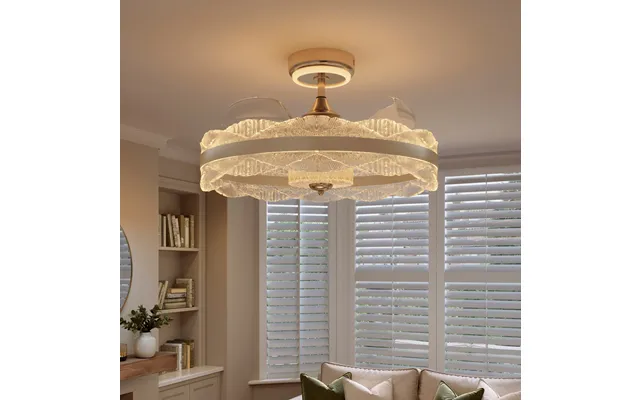
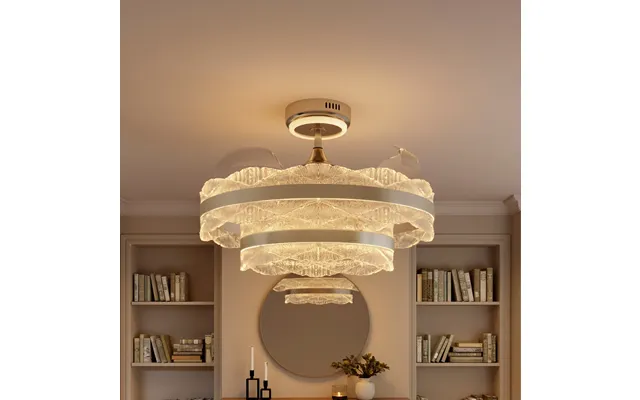
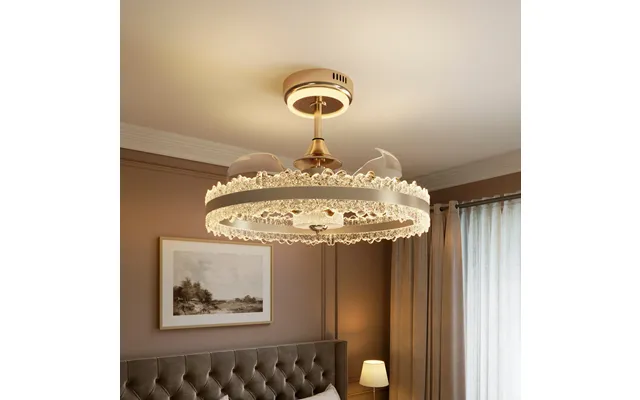
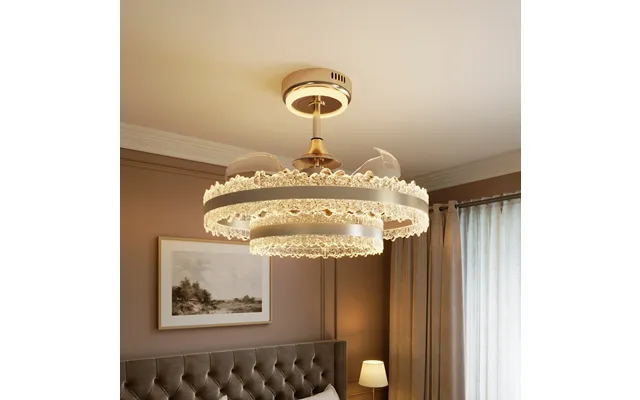
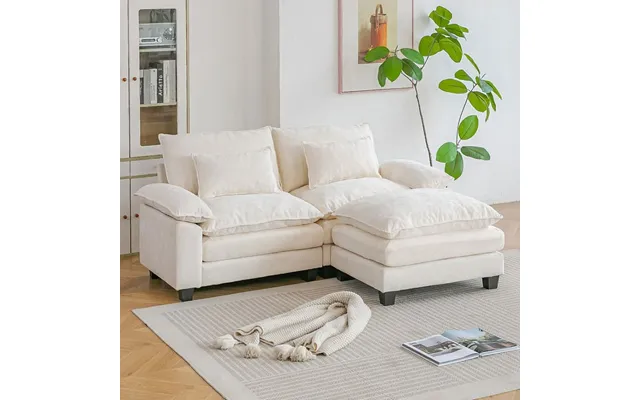
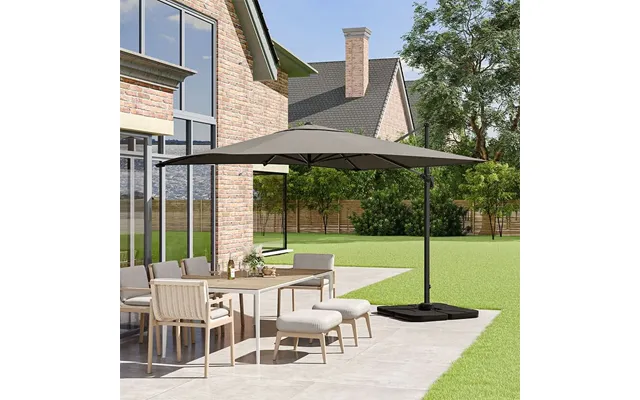
Living and Home is associated with a wide selection of household goods. Its product range typically covers furniture, storage, lighting, soft furnishings, home decoration, kitchen items, bathroom accessories and outdoor living products. The mix can change over time, which is common in online retail.
Furniture is an important part of the offer. Customers may find items such as side tables, shelving units, TV stands, desks, chairs, cabinets and beds. These products are aimed at practical needs. They help people organise a flat, furnish a first home or make a room look more complete without turning the project into a major interior design exercise.
Storage is another strong category. Modern UK homes often have to do more with less space. A hallway may need to store shoes, coats and bags. A bedroom may need an extra chest of drawers. A home office may require shelves for books and equipment. Products that combine storage with a compact footprint can be especially attractive to renters and families.
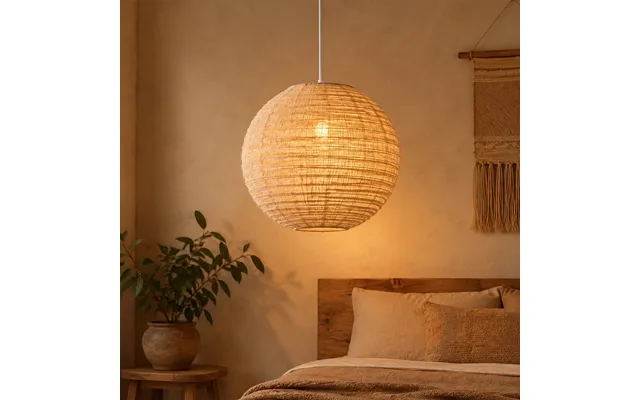
Decorative products add a different layer. Mirrors, ornaments, wall art, clocks, vases and artificial plants can change the mood of a room without requiring structural work. Think of them as the finishing touches on an outfit. The basic furniture creates the shape, while the accessories add personality.
Living and Home benefits from selling products that respond to popular interior trends. Neutral colours, clean lines, industrial details, natural textures and space-saving designs regularly appear across the UK homeware market. Customers often want a modern look, but they do not necessarily want to follow a rigid design rule.
This broad approach helps the retailer reach more shoppers. One person may be searching for a simple white storage unit. Another may want a dark metal coffee table or a garden seating set. The store’s strength is its ability to place these different needs within one online destination.
Dunelm is one of the best-known competitors in the UK homeware sector. It has a strong high-street and out-of-town presence, alongside a large website. Its physical stores allow customers to see fabrics, curtains, bedding, cushions and furniture before buying. That tactile experience is a major advantage.
Living and Home, by comparison, is more closely associated with online convenience and product variety. It can appeal to shoppers who prefer browsing from home or who are looking for a particular type of furniture quickly. Dunelm may feel more reassuring for customers who want to touch a fabric, compare colours in person or collect an item from a store.
Price comparisons can vary from product to product. Dunelm often competes strongly on everyday home textiles and practical household goods. Living and Home may stand out when a shopper wants a wide range of furniture and decorative items in one online catalogue. Delivery, stock and promotions can change the result, so customers should compare the complete basket rather than one advertised price.
IKEA has a distinctive position in the UK. Its products are recognised for Scandinavian-inspired design, flat-pack construction and efficient use of space. The brand has large stores where customers can walk through room displays, try furniture and collect ideas. It also has strong brand recognition and a clear visual identity.
Living and Home is less tied to one design language. Its catalogue can feel more varied, with products that suit traditional, contemporary and mixed interiors. This flexibility may help shoppers who do not want every room to look like an IKEA showroom.
IKEA can be highly competitive for modular storage, desks, wardrobes and basic furniture. However, customers must consider collection, delivery and assembly. Living and Home may be more convenient for people who want to order a finished item online and have it delivered, although assembly can still be required for many products. The right choice depends on whether the shopper values a familiar design system or a broader, less uniform selection.
Argos remains an important UK retailer because it combines online browsing with collection from stores and local branches. Its catalogue includes furniture, electrical goods, toys, garden products and home accessories. For shoppers who need an item quickly, click and collect can be a powerful benefit.
Living and Home has a more focused home and lifestyle identity. Its website is aimed at customers who are already thinking about furnishing, organising or decorating a property. Argos offers more product categories, while Living and Home can feel more specialised in the homeware journey.
Argos may be the better choice when speed and collection are the main priorities. Living and Home may suit customers who want to browse a broader online selection of furniture and interior products. In both cases, the shopper should check dimensions carefully. A product that looks compact on a screen may be surprisingly large in a narrow hallway.
B&M and The Range compete strongly on value. Both offer a broad selection of household products, seasonal items, furniture, garden goods and decorations. Their stores can be useful for spontaneous shopping because customers often visit without a precise plan and discover something that catches their eye.
Living and Home shares this value-led appeal but delivers it through a more online-centred experience. B&M and The Range offer the advantage of physical browsing. A customer can inspect a lamp, compare storage boxes or judge the feel of a cushion before buying. Online shopping offers greater convenience, but it depends on accurate descriptions and photographs.
The Range is particularly visible in home, garden and craft categories. B&M is known for low prices and a fast-changing product mix. Living and Home competes by offering an organised online destination where customers can search by room, product type or purpose. It is less like walking through a treasure-filled shop and more like using a digital catalogue.
Wayfair is one of the largest online furniture and homeware platforms available to UK customers. It offers an enormous range from many brands and sellers. This scale gives shoppers plenty of choice, but it can also make the buying process feel overwhelming.
Living and Home operates with a more manageable retail identity. Customers may find the catalogue easier to understand when they want a practical item without searching through thousands of similar listings. Wayfair can be stronger for specialist furniture, unusual styles and extensive filtering. Living and Home can be attractive for straightforward home updates and everyday value.
Both retailers require careful checking of dimensions, materials, colour descriptions and delivery information. Online furniture shopping is a little like buying shoes without trying them on. The measurements are available, but the fit still depends on how well you read them.
Delivery is central to the experience of buying furniture online. A small parcel is simple. A large cabinet, bed frame or garden set is different. Customers want clear delivery estimates, sensible packaging and useful tracking. They also need to understand what happens if an item arrives damaged or does not suit the room.
For Living and Home, delivery information is therefore part of the brand experience. A good product can leave a poor impression if the customer cannot follow the order or receives unclear instructions. The same applies to returns. Before ordering, shoppers should review the retailer’s current policies, especially for large, assembled or made-to-order products.
Product reviews can also help. They may reveal whether assembly is easy, whether the colour matches the images and whether the item feels sturdy in everyday use. Reviews are not perfect, but they offer a useful second opinion. Look for repeated comments rather than relying on one very positive or very negative response.
The main attraction is convenience. Customers can browse furniture and accessories at any hour, compare several styles and place an order without travelling. This matters to busy households, people without a car and shoppers who live far from large retail parks.
Affordability is another reason. Many people want to improve their home while managing rent, mortgages, energy bills and other rising costs. A retailer that offers accessible prices can make a room update feel achievable. A new mirror, shelving unit or side table may not transform a property completely, but it can make daily life feel more ordered.
Choice also matters. Some customers want a single item. Others are furnishing a new flat or preparing a garden for summer. A broad store can save time because the shopper does not need to visit several websites.
Smart shopping starts with measurements. Measure the available space, then measure doorways, staircases and lifts. A cabinet may fit the wall but fail to pass through the entrance. For outdoor furniture, check the size of the patio and consider storage during winter.
Read the materials and care instructions. “Wood effect” does not mean solid wood, and “velvet feel” may describe a synthetic fabric. Neither is automatically bad. It simply tells you what to expect. Clear expectations usually lead to better purchases.
Check the total cost, including delivery and any optional services. Compare the retailer’s price with similar products from Dunelm, IKEA, Argos, The Range, B&M and Wayfair. Also consider the warranty, return terms and availability of replacement parts.
The future of online homeware looks competitive. Customers now expect attractive websites, fast answers, reliable delivery and honest product information. They also want more sustainable choices. Packaging, materials, product lifespan and responsible sourcing are becoming more important in buying decisions.
Living and Home can continue to grow by making online shopping feel less uncertain. Detailed measurements, practical photographs, assembly guides and clear returns can build trust. Personalised recommendations may also help shoppers discover items that suit their space without making the catalogue feel confusing.
The UK homeware market will remain crowded. Large chains have physical stores, established brands and strong buying power. Online platforms have huge catalogues. Discount retailers attract value-conscious shoppers. In that environment, Living and Home’s opportunity lies in combining convenience, useful choice and competitive pricing with a reliable customer experience.
Living and Home represents the modern side of UK home shopping: broad, digital and focused on everyday value. It does not replace every advantage offered by Dunelm, IKEA, Argos, B&M, The Range or Wayfair. Instead, it occupies a useful middle ground for people who want accessible home products without spending hours in physical stores.
Its story is still developing, and its importance comes from how closely it matches current shopping habits. We want choice, but not endless confusion. We want affordable design, but we still care about quality. We want delivery to our door, but we also expect clear service when something goes wrong. If Living and Home continues to meet those needs, it can remain a relevant name in the UK homeware market.