

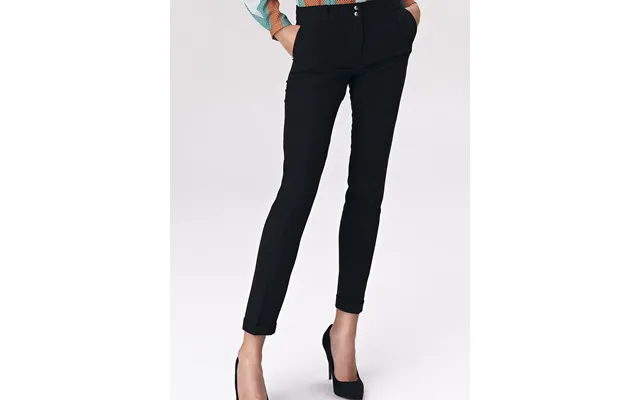
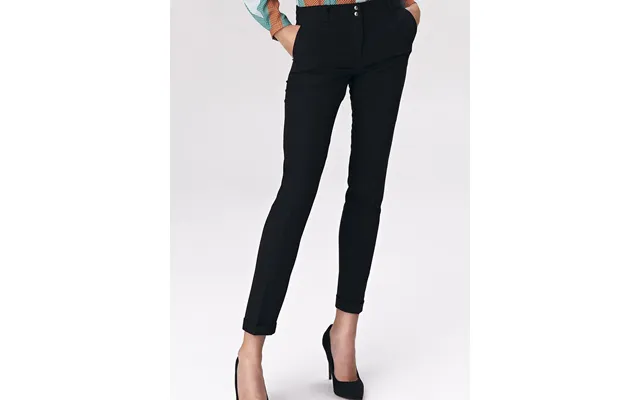
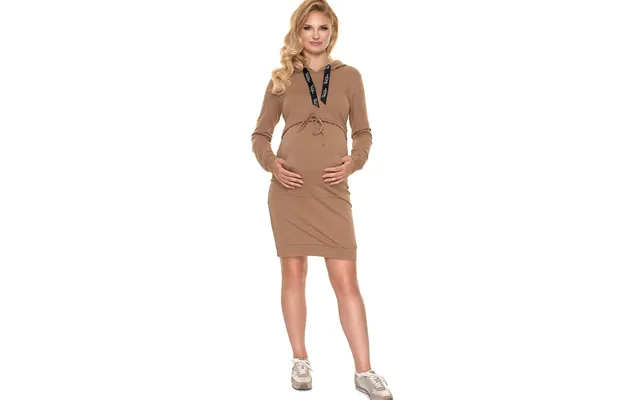
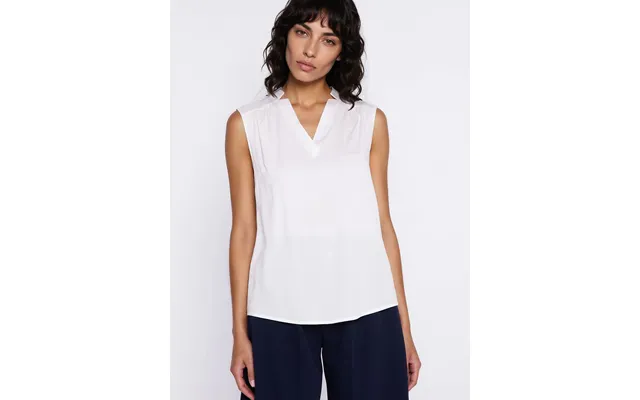
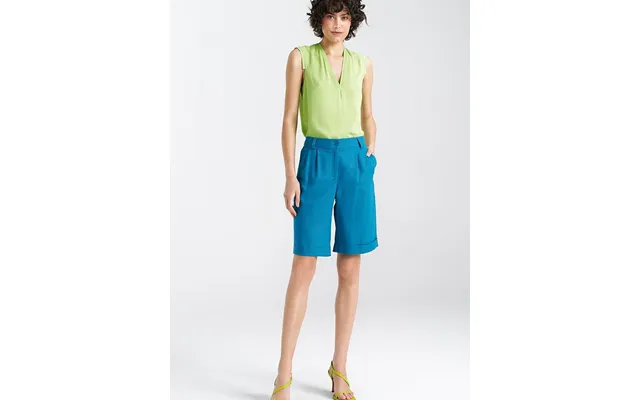
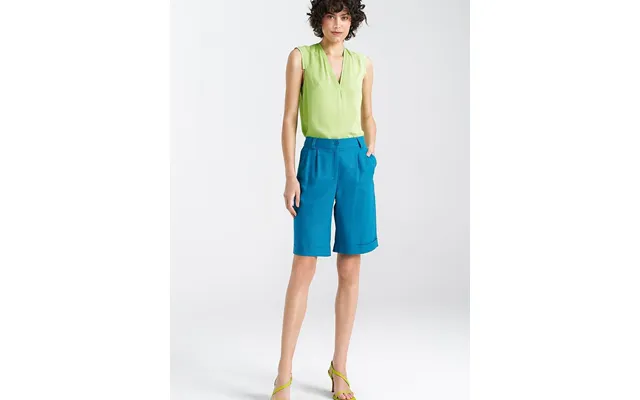
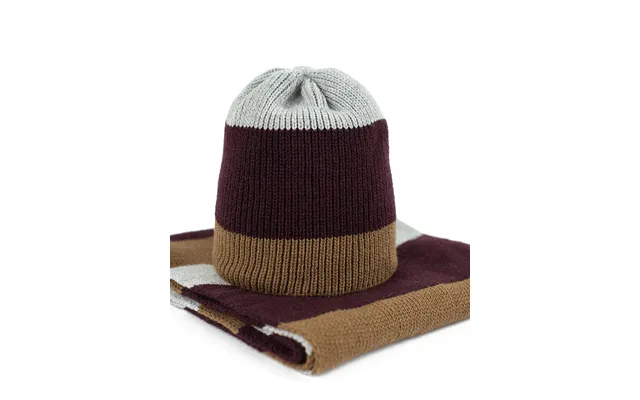
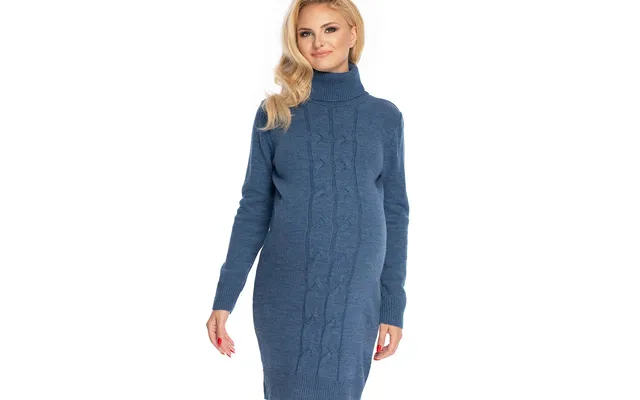
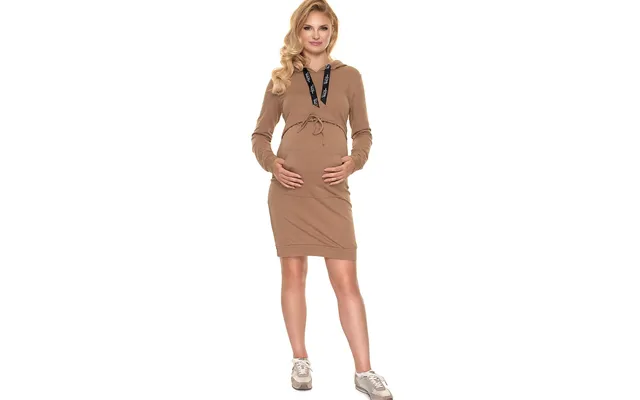
Luxefashion Clothing price list
Last updated Thursday, Sep 17, 2026


| Store | Status | today | distance |
|---|
Loading...
Loading...
Last updated Thursday, Sep 17, 2026
Luxefashion Clothing started as a small concept with a big idea: make curated, stylish pieces that feel luxurious without the stuffy price tags. Founded in the UK in the early 2010s by a team of fashion-forward entrepreneurs, the brand aimed to bridge the gap between high-street trends and designer sensibility. Think of it as a boutique born to serve everyday wardrobes with a touch of runway polish. From its first collection to its recent online expansion, Luxefashion has grown steadily, riding shifts in shopping habits and evolving customer expectations.
The founders were a mix of retail veterans and creative minds. They understood fabrics, fit, and the power of a strong visual identity. Their goal? Create a brand that felt personal and premium. Early decisions—like focusing on limited drops, quality control, and bold social media storytelling—set Luxefashion apart from one-off fast-fashion labels. Those moves helped the store build a faithful following quickly, especially among city shoppers looking for a modern, elevated look.
The first physical store opened in a trendy UK neighborhood, a compact space with tasteful displays and a friendly staff that made shopping feel like meeting a style-savvy friend. The online store followed soon after, designed to mirror that in-person experience. Smooth navigation, strong imagery, and clear size guides were part of the early online strategy. The brand didn’t just want to sell clothes; it wanted to sell confidence and accessibility.
Growth for Luxefashion was steady, not meteoric—and that was deliberate. The brand avoided splurging on rapid expansion. Instead, it focused on product quality, customer service, and a consistent brand voice. Over the years, Luxefashion introduced seasonal capsules, collaborated with emerging designers, and expanded its size ranges. Each step added to the store’s credibility, helping it move from a local boutique to a recognizable UK presence.
Luxefashion’s design philosophy is simple: wearable elegance. The collections include tailored pieces, relaxed staples, and statement items. Fabrics are chosen for comfort and longevity, not just appearance. This approach appeals to shoppers who want garments that last and look better over time. From knitwear to outerwear, the brand balances trend-led items with timeless staples so shoppers can mix and match without regret.
Like many modern brands, Luxefashion introduced sustainability measures as part of its evolution. It started small—better packaging, transparent sourcing notes, and limited-run collections to reduce waste. Over time, they shifted to better fabrics and vetted suppliers. It’s not perfect, but the brand’s approach is practical: incremental changes that are measurable. Customers who care about sustainability often appreciate this candid, step-by-step improvement model.
Luxefashion built community through genuine customer engagement. They used social media not just to advertise but to listen: styling questions, fit feedback, and customer photos influenced new designs. Pop-up events, styling workshops, and collaborations with local influencers strengthened that connection. The store’s tone is conversational—friendly staff, helpful size guides, and easy returns contribute to a shopping experience that feels human in a digital world.
Clear policies helped Luxefashion win repeat customers. Their returns process is straightforward, with free returns on many orders and fast refunds. Good customer service is more than policy, though: trained staff who can recommend sizes and styles make a difference. For many shoppers, that friendly human touch is the reason they return.
Luxefashion’s marketing voice is confident but not arrogant. It speaks like a trusted friend—direct, clear, and occasionally witty. The brand uses lifestyle photography, honest product descriptions, and user-generated content to build authenticity. That tone helps the store stand out against louder, more aggressive competitors who focus only on discounts.
The UK fashion market is crowded, with big players and nimble boutiques. How does Luxefashion compare? Let’s look at three common rivals: high-street chains, designer outlets, and independent boutiques. Each has strengths; Luxefashion sits in the middle, offering a blend of quality, price, and personality.
High-street giants like Zara and H&M move quickly, churning out trend-led items at low prices. They win on volume and variety. Luxefashion differs by focusing on curated collections and better fabric choices. Expect fewer impulse buys but pieces that feel more considered. Where Zara might refresh a style every week, Luxefashion prioritizes consistency and fit. If you value quality over constant novelty, Luxefashion will feel like a calmer, more refined option.
Designer retailers carry high-end names and luxury price tags. They are about prestige and rare finds. Luxefashion doesn’t compete on celebrity labels or runway exclusives. Instead, it offers a slice of that elevated look at friendlier prices. You won’t find a couture gown, but you will find well-crafted pieces that evoke luxury without the financial strain. It’s a practical choice for shoppers inspired by high fashion but living a real-world budget.
Local boutiques often emphasize uniqueness and hyper-local curation. They might stock one-of-a-kind items or niche designers. Luxefashion mirrors this personalized feel but on a larger scale. Its collections are curated with an eye for wearability and broader appeal. For shoppers who like boutique vibes but want reliable sizing and consistent availability, Luxefashion fills that sweet spot.
Price matters, but value is what keeps customers. Luxefashion positions itself as affordable-luxury. Prices are higher than fast-fashion but lower than designer stores. The value comes from fit, materials, and service. Customers often see it as an investment in their wardrobe. Add accessible sales and seasonal promotions, and the brand becomes easy to justify—especially when a favorite piece becomes a go-to for months or years.
Inclusivity has been a growth area. Luxefashion expanded its size range gradually, adding more options without compromising fit. The store also invests in clear size guides and fit descriptions. While not every size or body type is perfectly covered yet, the trend is toward broader representation—something shoppers increasingly demand.
Online accessibility is strong: clear product pages, mobile-friendly checkout, and responsive customer service. Stores are typically located in accessible urban areas, though not every town has a physical presence. Pop-ups and events are used to reach more communities, ensuring people can experience the brand in person when possible.
No brand is immune to market pressures. Luxefashion faces competition from fast-fashion incumbents, rising shipping costs, and shifting consumer priorities around sustainability. Yet these challenges also open doors. By committing to transparency, steadily improving sustainability, and refining customer experience, Luxefashion can strengthen loyalty and attract new shoppers tired of one-size-fits-all offerings.
Trends come and go, but smart adaptation matters. Luxefashion’s strength is its agility: smaller runs, quick customer feedback loops, and targeted collaborations. These allow it to pivot faster than big retailers while avoiding the chaos of ultra-fast fashion. Expect the brand to double down on capsule collections, modular wardrobe pieces, and responsible sourcing.
Technology is another growth lever. Improvements in virtual try-on, better AI-driven recommendations, and stronger CRM systems can enhance the shopping experience. Luxefashion has already invested in web improvements and social commerce. Continued tech investment could make shopping smoother and increase conversion rates, especially for mobile shoppers.
People pick Luxefashion for a few clear reasons: curated style, reliable fit, and an upscale feel without designer prices. It appeals to professionals, style-conscious young adults, and anyone who prefers fewer but better-quality pieces. The brand’s voice—direct, friendly, and honest—also builds trust. When you want clothes that work for real life and still feel special, Luxefashion delivers.
Look at customer reviews and you’ll find a common line: pieces that integrate seamlessly into everyday life. Jackets that dress up a casual outfit, dresses that fit both work and weekend plans—these are the kind of wins that turn first-time buyers into regulars. It’s less about headline trends and more about wardrobe confidence.
Retention is built on consistency. Luxefashion focuses on predictable sizing, friendly service, and a reliable return policy. These practical touches matter. When you can trust a brand to deliver what the photos promise, shopping becomes less stressful and more enjoyable—which is precisely the repeatable value Luxefashion offers.
In a crowded UK market, Luxefashion Clothing occupies a comfortable, deliberate niche. It’s not the cheapest, nor the most exclusive. It’s a mid-level champion of style, quality, and customer care. For shoppers wanting a refined look without designer prices—and for those tired of the churn of fast fashion—Luxefashion provides a steady, approachable alternative.