

MBT price list
Last updated Thursday, Sep 3, 2026



| Store | Status | today | distance |
|---|
Loading...
Loading...
Last updated Thursday, Sep 3, 2026
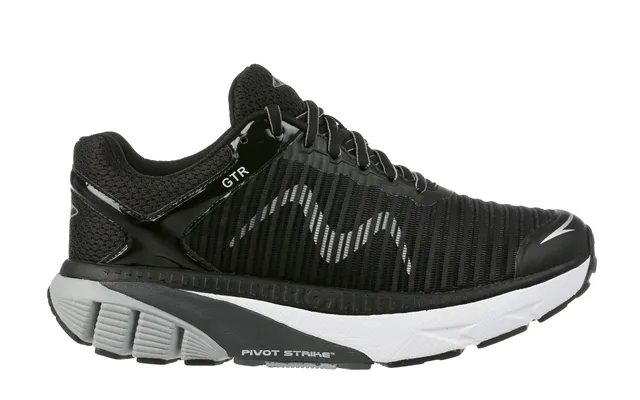
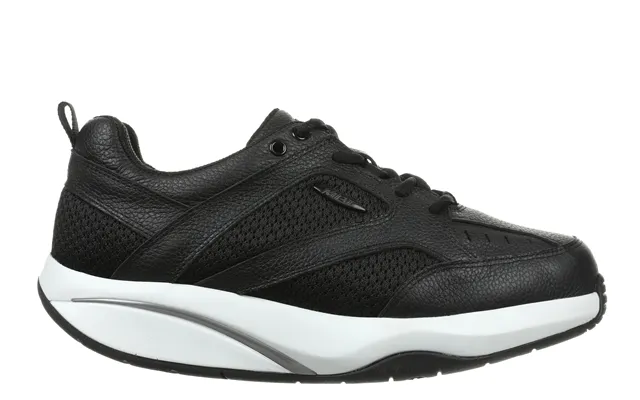
MBT, short for Masai Barefoot Technology, started as an idea to change how people walk and feel in their shoes. The brand traces its roots back to Switzerland in the mid-1990s when designers and health-minded entrepreneurs experimented with a rounded sole that mimics walking on soft, uneven ground. They wanted to bring some of that natural, barefoot-like movement into everyday shoes. The result was a distinctive, slightly curved sole that promised posture benefits, improved muscle engagement and a different kind of comfort.
MBT entered the UK market through a mix of specialist independent retailers, orthopaedic shops and later through selected department stores and its own branded outlets. At first, the shoes were a niche item—appealing to people with foot or back concerns, to health professionals and to shoppers curious about new comfort technologies. Word of mouth and recommendations from podiatrists helped MBT grow a loyal customer base. Over time, the brand expanded its model range and colours to appeal to a broader audience while still keeping its distinctive tech-focused identity.
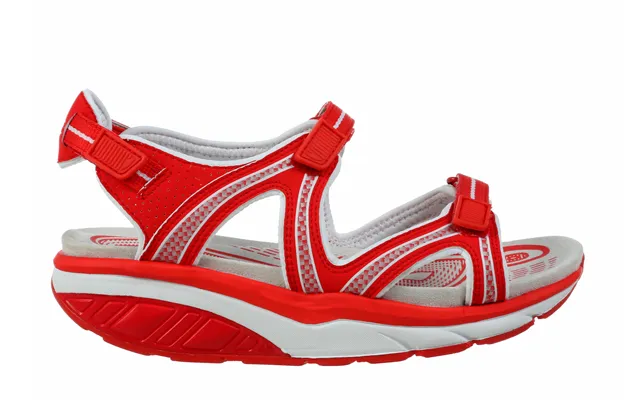
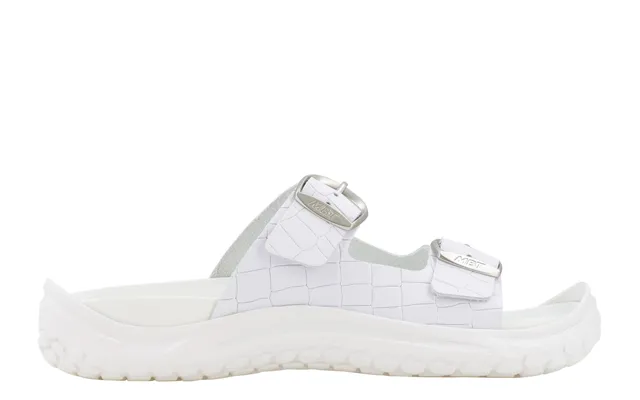
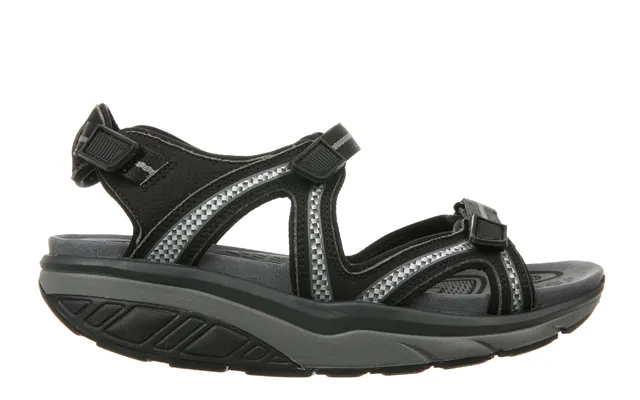
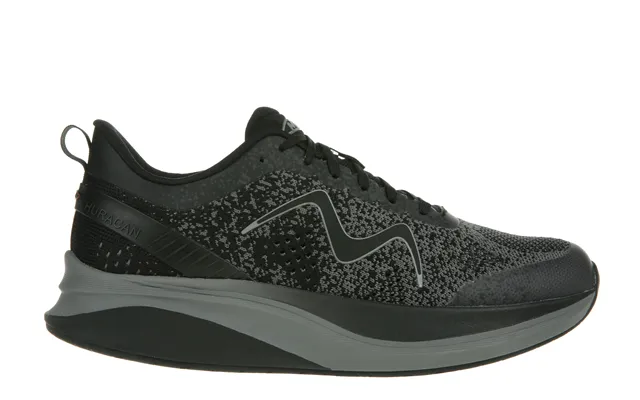
The early MBT shoes were focused squarely on the unique sole technology. But the brand didn’t stay static. It adapted. Newer models introduced lighter materials, more fashionable silhouettes, athletic versions and sandals. They tried to keep the original benefits—better posture and active muscle use—while improving everyday wearability. Seasonal collections appeared. Collaborations with designers and tweaks to fit and cushioning helped pull MBT from medical niche into mainstream comfort footwear.
In the UK, MBT relied on a hybrid retail approach. Specialist shops and health stores offered personalized fitting and advice, which worked well for customers seeking solutions to pain or posture issues. At the same time, MBT tested pop-up stores, branded concessions within larger retailers and online channels. The brand’s website and later e-commerce partners became essential as more people looked for comfort shoes from home. This mixed strategy allowed MBT to reach both clinical buyers and fashion-minded customers.
People’s perception of MBT has been split. Some customers praise the shoes for delivering real back and joint relief. Others find the unique sole odd at first and need time to adapt. That’s reality with any innovation—some love it immediately, others need convincing. MBT’s identity rests on being different. It’s not trying to be a mass fashion brand. Instead, it promotes health and walking mechanics. That focus attracted a specific, loyal following in the UK.
No brand grows without bumps. MBT faced competition from comfort-focused rivals, changing retail habits, and mixed reviews in media and online forums. The curved sole, while revolutionary for some, was polarizing. Some consumers questioned the clinical claims, and a few studies debated the extent of the benefits. Meanwhile, the rise of fast-fashion footwear and aggressive pricing from mass-market brands put pressure on MBT’s retail margins. Yet the brand maintained presence by staying true to its tech story and targeting the right customer segments.
MBT’s distribution strategy in the UK emphasized trained staff and fitting expertise. That was smart. Customers often needed guidance to choose the right model or size. Many MBT stockists offered follow-up advice and returns policies geared to people trying the unique sole for the first time. That aftercare helped reduce buyer hesitation and built trust with health-conscious consumers.
How does MBT stack up against other stores and brands you see on UK high streets or online? Let’s compare MBT with several well-known names that target comfort, style, or both: Clarks, Ecco, FitFlop, Skechers and independent orthopaedic retailers. Each presents a different angle on comfort footwear, and MBT sits somewhere in the middle—health-focused but available in everyday styles.
Clarks is a British institution. It’s known for solid construction, classic styles and long-standing high-street presence. Clarks focuses on everyday comfort but leans more on traditional cushioning and shaping than on movement-altering sole tech. MBT’s USP is the rounded sole that alters posture and gait. So, if you want a classic, reliable shoe for office or casual wear, Clarks is a safe bet. If you want to actively change how you walk or target specific muscle engagement, MBT offers something different.
Ecco brings Scandinavian design and high-quality leathers to the comfort market. The brand focuses on softness, flexible soles and minimal aesthetics. Ecco often appeals to customers who want technical comfort without dramatic visuals. MBT, by contrast, is louder in its tech claim and in how the sole feels. If you prefer understated design and soft leather, Ecco might suit you better. If you’re curious about therapeutic walking effects, MBT may be more intriguing.
FitFlop competes more directly on the comfort-tech front. Their midsole cushioning and ergonomic designs target the same “feel better on your feet” market. FitFlop tends to have more fashion-forward, lightweight sandals and casual styles aimed at everyday wear. MBT typically markets itself with a stronger health narrative and a more pronounced sole profile. FitFlop can win on trendy summer styles and lighter price points, while MBT appeals to customers seeking a unique walking experience and posture claims.
Skechers is mass-market, price-friendly and covers a huge range—from athletic trainers to memory-foam casuals. They offer accessible comfort and trendy silhouettes. Skechers sells well because it’s affordable and ubiquitous. MBT is more niche and tends to be priced higher due to unique sole engineering and targeted marketing. If you want budget-friendly, instantly comfy shoes, Skechers is likely the go-to. If you’re willing to invest in a specific walking-tech shoe, MBT may be your pick.
Independent orthopaedic retailers sell specialist brands and offer personalized fittings, often recommended by healthcare professionals. MBT often appears in these shops because of its perceived therapeutic benefits. The difference is that orthopaedic retailers will compare multiple therapy-focused brands and tailor solutions—including custom orthotics—that MBT alone cannot replicate. So, while MBT is an option in these stores, patients seeking bespoke interventions may prefer a store that offers a wider clinical toolkit.
Shopping at an MBT store—or an MBT concession—feels different from a big-box retailer. Staff are usually trained on the product’s technology and can explain the transition period needed for the curved sole. That's a plus if you want guidance. Larger chain stores like Clarks or Skechers offer broader ranges and easier price promotions. Specialist orthopaedic shops will dig into your gait and medical concerns. MBT’s sweet spot is customers who want an alternative to standard cushioning and who appreciate one-to-one advice.
Many MBT shoppers buy online after trying on a pair in-store. The unique feel means returns are common, so flexible return policies matter. Competitors often offer free returns and extensive customer reviews that help decision-making. If you buy MBT online without trying, expect to rely on size guides and seller support. In short: try before you commit, especially with MBT’s distinctive sole.
MBT tends to sit at a mid-to-upper price point for comfort footwear. You pay for the sole engineering and the brand’s niche positioning. Competitors range from budget-friendly (Skechers) to premium (Ecco). Value depends on your needs. If MBT’s claims about posture and muscle engagement matter to you, the price can feel fair. If you just want soft cushioning, cheaper alternatives might deliver similar day-to-day comfort. Durability varies by model; leather MBTs can last well with care, while lighter textile versions may show wear sooner.
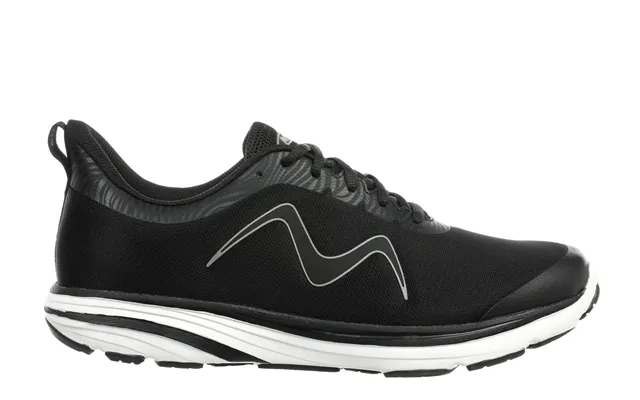
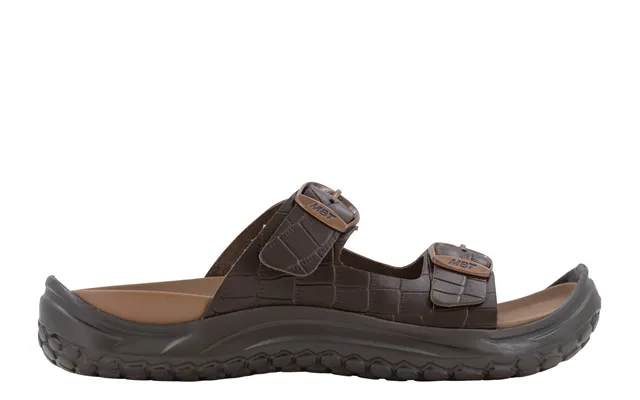
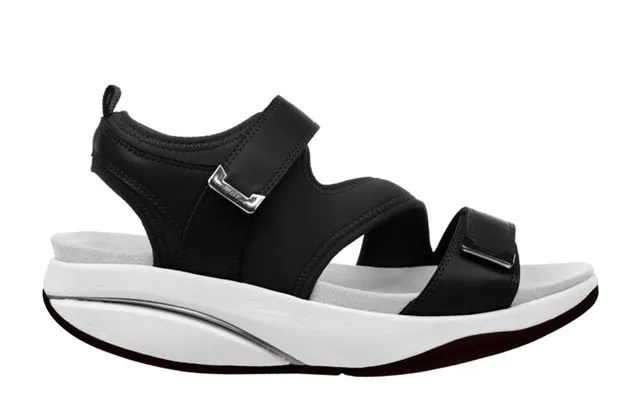
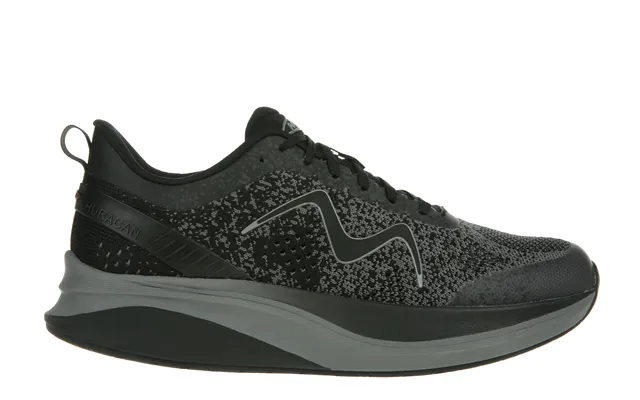
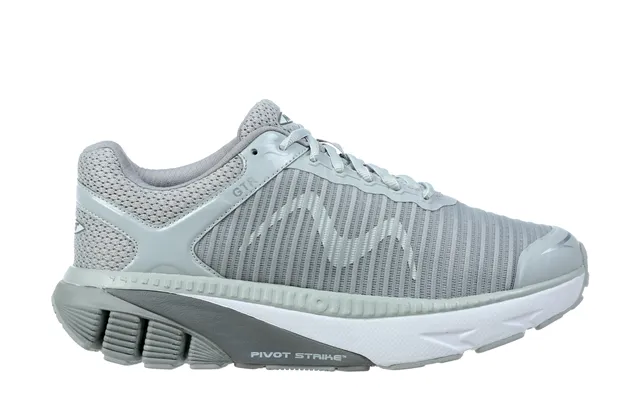
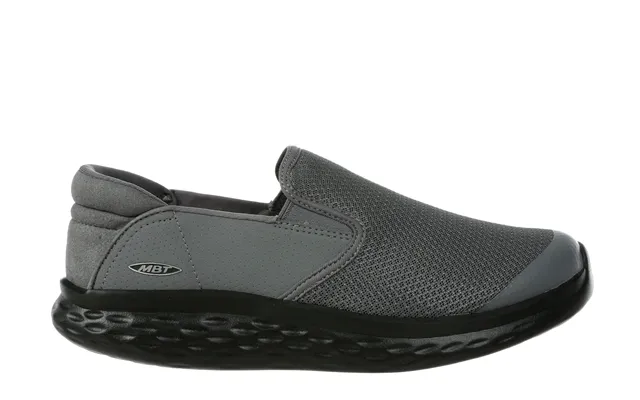
MBT has broadened its design language. Early models emphasized function over fashion. Today, you’ll find sportier trainers, smart-casual wedges and even sandals that look more modern. Competitors often win on variety and trend-led designs—Clarks and Skechers produce seasonal styles quickly. MBT’s advantage is standing out: when you wear MBT, the sole shape is noticeable. That can be a statement or a turn-off, depending on your taste.
MBT is a good fit for people who want to experiment with how footwear affects posture and muscle use. It appeals to walkers, people with certain back or joint complaints (after consulting a healthcare professional), and shoppers tired of ordinary comfort claims. It’s not for everyone. If you dislike a pronounced sole or need a shoe that looks exactly like mainstream sneakers, MBT may not match your expectations. But if curiosity, posture and distinctive walking feel interest you, MBT is worth a try.
If you’re thinking about MBT, try these steps: visit a store that stocks the brand, ask for guidance on sizing, wear the shoes around the shop to feel the sole, and plan a gradual break-in period—your muscles may need time to adapt. Also, check the return policy if you buy online. Simple steps like these make the experience smoother.
MBT’s marketing leans on health benefits, but it’s important to be realistic. Some users report genuine relief and improved comfort; others notice little difference. Studies vary, and results depend on individual biomechanics. Always treat footwear as one factor among many in joint and back health. Consult a physiotherapist or podiatrist if you have chronic pain. MBT can be a tool, not a cure-all.
The UK footwear market is crowded. MBT retains a steady niche thanks to its unique technology and loyal customers. It doesn’t dominate high-street shelves like Clarks, nor does it flood discount channels like some mass brands. Instead, it positions itself as a specialist choice—one that offers an alternative to conventional sprung soles and foam cushions. For shoppers who want something different and are prepared to invest time in adapting, MBT remains a distinctive option.
Walking through MBT’s history in the UK shows a brand that built its identity on innovation and kept evolving. It adapted its ranges, broadened distribution and worked with retailers who could explain its benefits. Against competitors, MBT stands out for its tech and niche focus. Against giants like Clarks or Skechers, it’s smaller and more specialised. Against other comfort-tech brands like FitFlop, it’s comparable but different in core mechanics. Your choice depends on what you value most: classic comfort, fashion, affordability, or a new way to walk.
If you’re curious, try a pair. The experience is personal. For some, MBT changes the way they move. For others, it’s an odd sensation. Either way, it’s a conversation starter about the role shoes play in our posture, comfort and daily movement.