


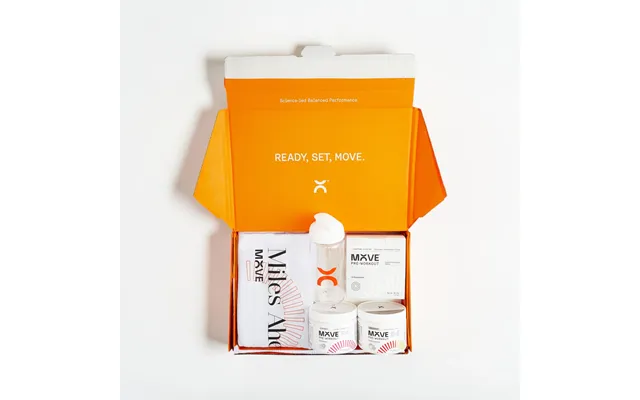
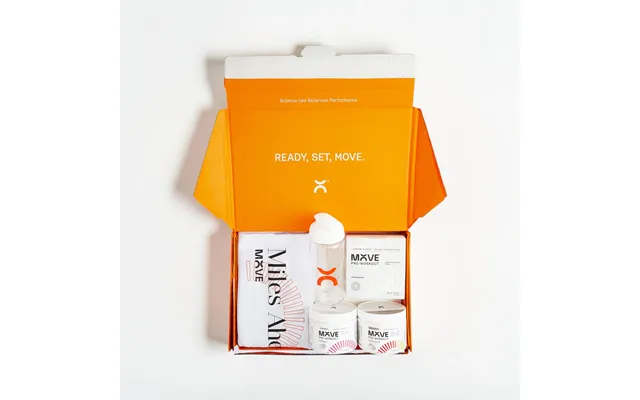


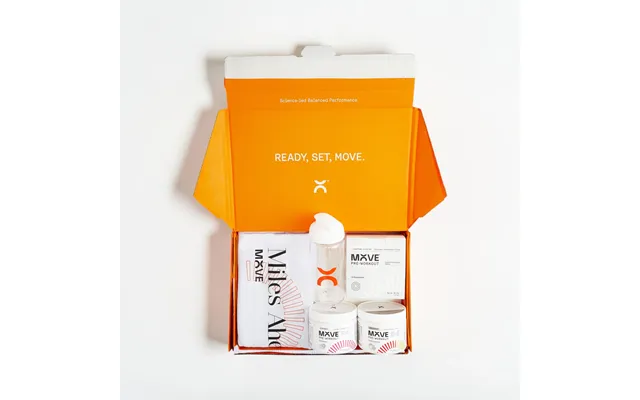
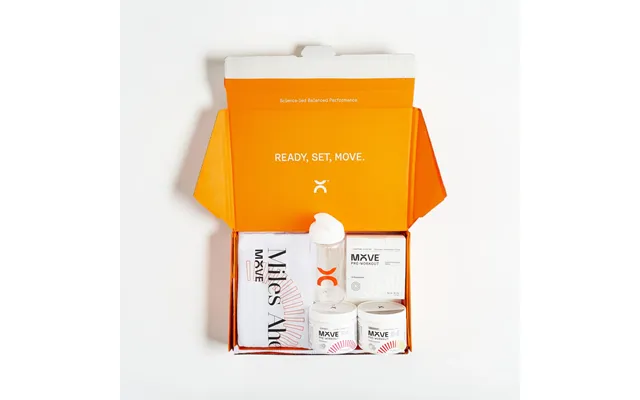

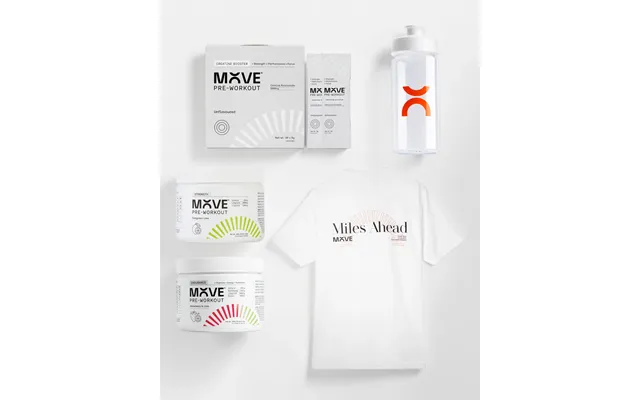
Move Pre-Workout price list
Last updated Monday, 19 Oct 2026






| Store | Status | today | distance |
|---|
Loading...
Loading...

Last updated Monday, 19 Oct 2026
Move Pre-Workout has attracted attention in the UK fitness market by focusing on one of the simplest parts of training: helping people feel ready to exercise. Whether you lift weights, run, take fitness classes or train for sport, the right pre-workout product can become part of your routine. But where did Move Pre-Workout come from, how has the store developed, and how does it compare with familiar names such as Myprotein, Bulk and The Protein Works?
This guide explores the story of Move Pre-Workout in the UK, its place in the sports nutrition sector, and the features that matter when you compare it with competing online stores. It also looks at product choice, pricing, delivery, ingredients, customer experience and value. Because smaller fitness retailers can change their product ranges and policies quickly, you should always check the store’s current website before placing an order.
Pre-workout supplements were once a niche product used mainly by serious bodybuilders and competitive athletes. Today, they sit in a much wider market. Gym members, busy professionals, students and recreational athletes all look for convenient ways to support energy, focus and training performance.
This change did not happen overnight. The growth of commercial gyms, social media fitness content and home training helped make sports nutrition more familiar. People began searching online for practical products rather than visiting specialist shops in person. A customer could compare flavours, ingredient lists and prices in minutes. That shift created space for focused stores such as Move Pre-Workout.
The UK market is now crowded. Large brands offer protein powder, creatine, vitamins, snacks and sports drinks under one roof. At the same time, specialist retailers compete by making one category their strength. Move Pre-Workout fits into this second group. Its identity is closely linked to pre-workout supplements and the needs of people who want a sharper, more energetic start to their session.
A pre-workout drink is often used before training to support alertness, motivation and perceived energy. Many products contain caffeine, while others use ingredients such as beta-alanine, citrulline or creatine. The formula can feel like a small ritual: mix the powder, take a few sips and switch from everyday mode into training mode.
Still, pre-workout is not magic in a tub. Sleep, food, hydration and a well-designed training plan remain more important. A useful store should make that clear rather than suggesting that a supplement can replace good habits. This is one area where customers should read labels carefully and choose products based on their own tolerance and goals.
The public history of smaller online fitness stores is not always recorded in the same way as the history of major supplement companies. Large brands often publish detailed timelines, founder interviews and corporate announcements. Independent retailers may build their reputation through social media, customer recommendations and product sales rather than formal public records.
For that reason, the story of Move Pre-Workout is best understood as part of the wider growth of specialist online sports nutrition in the UK. The store’s appeal comes from a clear product focus. Instead of trying to be every type of health and fitness retailer, it concentrates attention on pre-workout products and the wider experience around buying them.
That focused approach matters. A customer looking for a pre-workout supplement usually wants quick answers. Which formula is strong? Which product suits a beginner? Does it contain caffeine? What flavours are available? Is the price fair? A store with a narrow focus can make these questions easier to answer than a large generalist website with hundreds of unrelated products.
Move Pre-Workout operates in a market shaped by both experienced gym users and newcomers. Experienced customers may understand stimulant levels, serving sizes and ingredient combinations. New customers may simply want something that supports a morning workout without tasting unpleasant or causing unwanted jitters.
A modern specialist store has to speak to both groups. It needs enough detail for informed buyers, but it should not bury simple information beneath technical language. Clear descriptions, visible nutrition panels and sensible usage advice can turn a first-time visitor into a repeat customer.
The store’s development also reflects a wider change in how people discover products. Instagram, TikTok, YouTube and fitness communities have become important shop windows. A product can gain attention through a training video, a review or a recommendation from a coach. The best retailers understand that customers want more than a checkout page. They want confidence before they buy.
The strongest point of difference is specialisation. Move Pre-Workout is associated with a specific training moment rather than the entire supplement cupboard. That makes the shopping journey more direct. If your main goal is to find a pre-workout, you are less likely to become distracted by a huge catalogue of protein bars, meal replacements and general wellness products.
This does not automatically make a specialist store better than a larger competitor. It simply gives the shopping experience a different shape. Think of it as choosing between a dedicated coffee shop and a large supermarket. The supermarket may offer more products, but the specialist may provide a more focused experience around one need.
Move Pre-Workout can also appeal to customers who enjoy trying different flavours and formulas. Pre-workout buyers often care about taste because they use the product regularly. A powder that works well but tastes harsh may stay in the cupboard. A store that highlights flavour variety, product strength and serving information can help shoppers make a more confident choice.
Customers commonly look for several things when they buy pre-workout in the UK. They want a formula that matches their training style, a clear ingredient label, a reasonable serving size and a price that makes sense. They may also want stimulant-free options for evening sessions or lower-caffeine products for casual use.
Move Pre-Workout’s specialist positioning gives it a chance to organise its range around these needs. Products can be grouped by strength, stimulant content, training goal or flavour. That is helpful because not every customer wants the most powerful product available. More stimulation does not always mean a better workout.
Buyers should also look beyond marketing terms. Words such as “extreme”, “hardcore” or “maximum” do not explain a formula on their own. The nutrition panel does. Check caffeine per serving, serving size and the amount of each active ingredient. If the label is unclear, contact the retailer before ordering.
Myprotein is one of the best-known sports nutrition companies in the UK. Its major advantage is scale. The company offers a very broad range, including protein powders, amino acids, creatine, vitamins, snacks, clothing and sports accessories. It also runs frequent promotions, making headline prices look attractive to deal-focused shoppers.
Compared with Myprotein, Move Pre-Workout is more specialised. Myprotein is a large supermarket of fitness products, while Move Pre-Workout is closer to a focused supplement counter. If you want to buy protein, shaker bottles, protein snacks and pre-workout in one order, Myprotein may offer greater convenience. If you want to concentrate on comparing pre-workout products, a specialist store may feel easier to navigate.
Myprotein also benefits from strong brand recognition and a large customer base. New shoppers may feel comfortable choosing a familiar name. However, large catalogues can make comparison harder. Similar products may sit beside one another with different formulas, serving sizes and promotions. Customers need to slow down and read the details.
Move Pre-Workout may suit someone who values a narrower range and a more direct product identity. The trade-off could be fewer complementary products or less buying power than a major international retailer. Your best choice depends on whether you prioritise range, convenience, specialist focus or promotional pricing.
Bulk has built a strong reputation in the UK through its wide sports nutrition range and recognisable branding. Like Myprotein, it sells protein, creatine, pre-workout, vitamins, snacks and fitness-related products. Its website is designed for customers who want to build a complete supplement order rather than buy one item.
Bulk may have an advantage when customers are looking for different product categories in one basket. It often appeals to people who want to combine everyday nutrition with performance supplements. For example, a customer could purchase protein powder, creatine and pre-workout together while comparing bundle offers.
Move Pre-Workout competes by being more focused. A customer who already knows they want pre-workout may prefer a store that keeps the main product category at the centre of the experience. Specialist positioning can also create a stronger sense of identity. Instead of feeling like one small section of a giant website, the product becomes the reason for the visit.
Price comparisons should be made carefully. Do not compare only the tub price. Check the number of servings, the recommended serving size, delivery charges and any minimum order requirement. A cheaper container can cost more per workout. In the same way, a discount may not be valuable if you are buying a product you do not enjoy using.
The Protein Works is another established UK sports nutrition retailer. It is known for a wide selection of supplements, strong product presentation and frequent online offers. Its range covers protein products, performance supplements, diet-focused products and snacks.
Compared with The Protein Works, Move Pre-Workout offers a more concentrated reason to shop. The Protein Works may be a better match for customers who want to compare many types of nutrition products at once. Move Pre-Workout may appeal to customers who prefer a simpler route to a pre-training supplement.
The two stores can also differ in brand personality. Large retailers often use extensive campaigns, influencer partnerships and major promotional events. A smaller or more specialist store can create a closer, more direct feel. That can matter when customers have questions about product use, delivery or suitability.
However, personal service should never be assumed. Check the store’s contact details, returns policy and customer support response before ordering a large amount. A professional retailer should make its terms easy to find. Clear information is part of the product experience.
Applied Nutrition is a well-known name in the UK supplement sector, with products sold through its own channels and other retailers. Its range includes pre-workout, protein, amino acids, creatine and other sports nutrition products. The brand is often visible in gyms, online fitness communities and retail environments.
Applied Nutrition’s advantage is brand reach. Customers may already recognise its products or have seen them recommended by athletes and fitness creators. A specialist store such as Move Pre-Workout can compete by making the buying journey more selective and by presenting products to an audience already interested in pre-workout.
This comparison also shows why brand and retailer are not always the same thing. You may buy an Applied Nutrition product from Move Pre-Workout, another supplement website or a physical shop. The product formula may be identical, but the price, delivery speed, support and returns experience can differ.
When comparing retailers, look at the complete offer rather than assuming the famous brand provides the best deal. A smaller store may offer a useful promotion, while a major retailer may win on stock depth or delivery options. The right decision depends on the order you are making today.
Start with your training time. If you exercise early in the morning, caffeine may feel useful, but you should still consider how it affects you. If you train late at night, a stimulant-free product may be a wiser choice. Sleep is a powerful performance tool, and a strong pre-workout is not worth ruining your recovery.
Next, check the ingredient label. Caffeine is the most obvious point, but it is not the only one. Some formulas include beta-alanine, which can cause a harmless tingling feeling for some users. Others contain nitric oxide support ingredients or compounds designed for focus. Read the product information and avoid stacking several stimulant products together.
Serving size is equally important. Some products list a full serving that may be too strong for a beginner. A cautious customer can start with less than the full serving, provided the label and safety guidance allow it. Never exceed the recommended amount simply because you want a stronger sensation.
Good value is more than a low sale price. Calculate the cost per serving and include delivery. Look for transparent shipping information and realistic dispatch times. If you need a product before a particular training event, allow extra time for weekends, bank holidays and courier delays.
You should also check whether the retailer ships from the UK and whether any additional charges could apply. Most UK shoppers want a simple checkout with clear costs before payment. Surprise fees can turn an apparently good deal into a poor one.
Flavour matters because pre-workout is usually consumed repeatedly. Customer reviews can help, but read them with care. One person may love a sweet flavour while another finds it too strong. Reviews are most useful when they discuss taste, mixability, energy, serving size and personal tolerance.
Do not judge a product only by the intensity of its effects. A pre-workout that makes you feel uncomfortable is not a success. The better product is usually the one you can use sensibly, enjoy and fit into your wider routine.
Pre-workout supplements are not suitable for everyone. People who are sensitive to caffeine, pregnant, breastfeeding, under medical care or taking certain medicines should seek professional advice before using stimulant products. If you have a heart condition or another health concern, speak with a qualified healthcare professional first.
Always follow the label instructions. Avoid combining pre-workout with large amounts of coffee, energy drinks or other caffeine products. Pay attention to signs such as a racing heartbeat, dizziness, severe anxiety or feeling unwell. Stop using the product and seek medical guidance if you experience concerning symptoms.
A responsible retailer should provide clear information rather than encouraging reckless use. The best approach is balanced: use supplements as optional support, keep your expectations realistic and build performance around food, sleep, hydration and consistent training.
The UK supplement market continues to change. Customers now expect more than bold packaging and dramatic claims. They want transparent labels, sensible formulas, reliable delivery and easy-to-understand guidance. Sustainability is also becoming more important, from packaging choices to responsible sourcing.
Move Pre-Workout can grow by keeping its specialist identity while improving the details that create trust. Helpful product filters, clear comparisons, honest usage advice and responsive support can make a real difference. The store does not need to compete with every major retailer on size. It needs to compete on clarity and relevance.
There is also room for education. New customers often feel overwhelmed by supplement language. Simple guides explaining caffeine levels, stimulant-free options, serving sizes and training timing could help people make better choices. When a store answers questions before the customer asks them, it becomes more than a place to buy powder.
Ultimately, Move Pre-Workout sits in an interesting position. It faces powerful competitors with larger ranges and deeper promotional budgets, but it can offer a sharper focus. In a busy market, that focus can be valuable. Customers do not always want a warehouse. Sometimes they want a clear path to the product that suits them.
Move Pre-Workout represents the growth of focused online sports nutrition in the UK. Its story is linked to the wider rise of gym culture, digital shopping and demand for practical performance products. Compared with Myprotein, Bulk, The Protein Works and Applied Nutrition, its main strength is specialisation rather than sheer size.
For shoppers, the smartest choice is not always the most famous store or the cheapest tub. Compare ingredients, servings, taste, delivery, customer service and safety information. If Move Pre-Workout provides the right formula at a fair total cost, it can be a useful alternative to larger UK supplement retailers. Choose with care, use pre-workout responsibly and remember that the best training results come from the complete routine, not one scoop alone.