

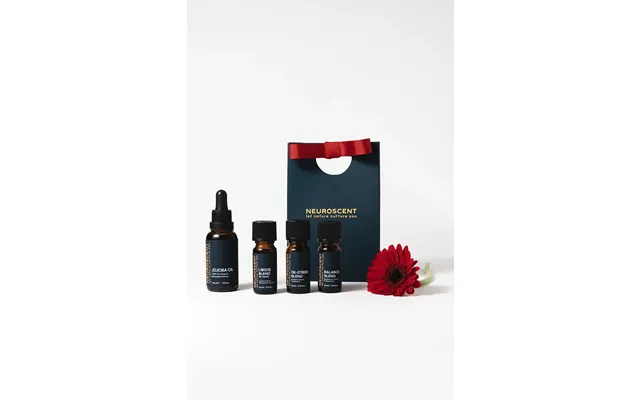
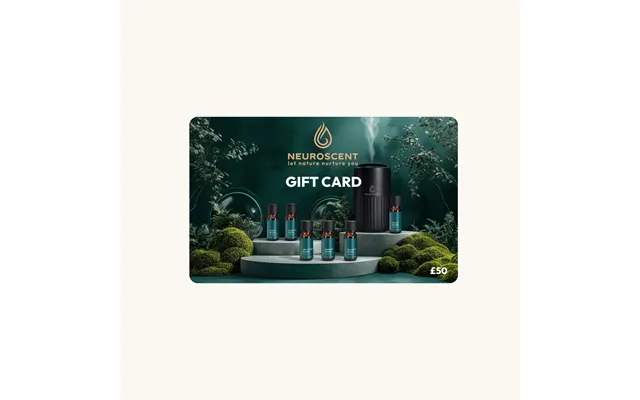
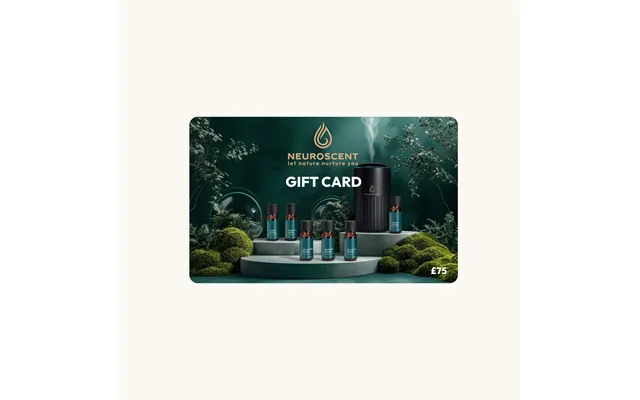
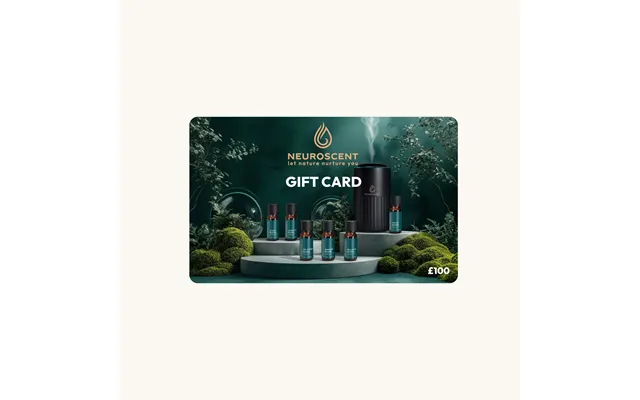

NeuroScent price list
Last updated Monday, 19 Oct 2026






| Store | Status | today | distance |
|---|
Loading...
Loading...
Last updated Monday, 19 Oct 2026
NeuroScent started as an idea more than a store. Imagine a place where scent isn’t just about smelling nice, but about how smell changes mood, focus, and memory. In the UK market, that was a fresh concept. The founders brought together people with backgrounds in behavioural science, perfumery, and retail. They wanted to build a brand that treated scent like a small, powerful tool for wellbeing—something you could curate and use intentionally.
The first NeuroScent outlet opened in a compact, modern space designed to feel part lab, part boutique. There were scent bars, simple diagnostic quizzes, and staff trained to ask about sleep, stress, and daily routines—questions you wouldn’t expect at an ordinary perfume counter. They started local, testing blends and customer feedback, then expanded the range with limited-edition drops and signature collections rooted in neuroscience principles.
Smell is tightly linked to brain areas that handle emotion and memory. NeuroScent leaned into this fact, promoting scents that claimed to boost focus, calm nerves, or anchor pleasant memories. The science was used as a storytelling tool: short, clear explanations for customers, not dense academic papers. That made the concept accessible. People liked the idea that a scent could do more than smell good—it could help them think, relax, or sleep.
NeuroScent wasn’t trying to be a luxury perfume house. It was about clarity and purpose. Stores were bright, with clean lines and clear signage explaining scent families and their intended effects. The scent bar was the heart of the experience—customers sampled blends on scent strips or on small diffusers while staff recommended pairings or routines. The experience felt deliberate: a few big choices rather than overwhelming rows of bottles.
Personalisation was a big selling point. NeuroScent used a short questionnaire—questions about sleep, stress, and daily habits—to match customers to scent profiles. Later, they introduced an app that tracked a user’s preferences and suggested seasonal adjustments. The tech wasn’t flashy, but it was useful: simple recommendations, reminders to switch blends, and the option to subscribe for refills.
From day one, NeuroScent treated online and bricks-and-mortar as parts of a single puzzle. The store served as a testing ground for new scents and education, while the website offered a wider catalogue, subscription options, and content about scent science. The hybrid approach helped them scale without losing the in-person consultative feel that made them stand out.
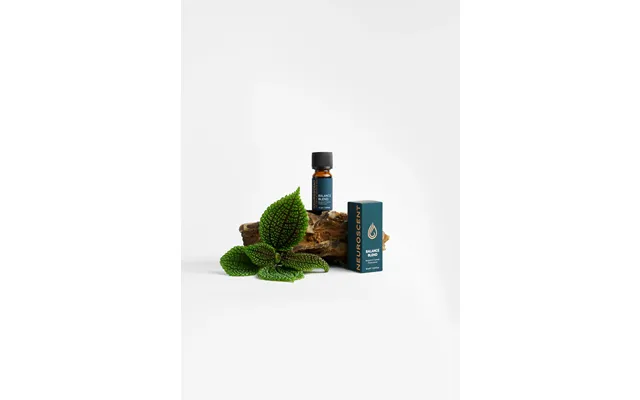
Products were framed around benefits rather than just notes. Instead of “citrus top notes and woody base,” NeuroScent would say “uplifts mood” or “supports calm.” That copy resonated with buyers who wanted practical outcomes. Ingredients were chosen for safety and sensory clarity, with some collections focusing on natural essential oils and others blending synthetic molecules designed for stability and consistency.
NeuroScent adopted mid-level sustainability claims early on: recyclable packaging, responsibly sourced oils, and a refill program that nudged customers toward less waste. They avoided grand claims about being fully “green” because transparency matters—many customers appreciate honesty over sweeping promises. The brand communicated trade-offs clearly, which built trust.
Pricing sat between mainstream high-street and niche luxury. NeuroScent’s core ranges were affordable for regular use, while premium collections and bespoke blends carried higher price tags. Subscription refills offered better value, and occasional workshops or mixing sessions created additional revenue streams while deepening customer loyalty.
NeuroScent used education as its main marketing lever. Workshops, simple explainer videos, and blog pieces about how scent affects sleep or concentration helped attract curious shoppers. Social media featured behind-the-scenes glimpses of blending sessions, staff picks, and user testimonials. The tone stayed conversational—science explained without jargon—so it was easy to share and understand.
To build credibility, NeuroScent worked with sleep clinics, yoga studios, and small design hotels. Retail pop-ups at lifestyle fairs and co-branded packs with wellness centres expanded their reach. These partnerships were practical: they placed products where their benefits could be experienced in real life, not just read about.
Events became a signature. Short “scent labs” taught people how to layer fragrances for mood or how to use scent for better sleep. These hands-on sessions pulled in curious customers and also created social content. People left with a small sample and a clear use-case, which increased the chance they’d return.
No brand grows without bumps. NeuroScent faced questions about the scientific claims behind scent benefits. The answer was transparency: publish simple summaries of studies, cite reputable sources, and avoid overstating effects. They also learned that not every customer wants a functional approach—some simply want beautiful fragrances. So they balanced pragmatic scents with more traditional, evocative blends.
The UK fragrance market is crowded. NeuroScent had to define a niche and defend it. When mainstream stores added “wellbeing” ranges and subscription brands popped up, NeuroScent doubled down on education and personalization. They offered simple scent rituals and subscription convenience to stay distinct.
Growth pressures pushed them to streamline operations but keep the consultative feel. Training staff to deliver a consistent NeuroScent experience became a priority. They also refined their product line to reduce SKU clutter while keeping room for seasonal creativity.
Let’s place NeuroScent next to other players you might know: Jo Malone, The Fragrance Shop, Neom Organics, and niche artisan brands. Each has strengths. Jo Malone leans luxury, The Fragrance Shop is broad and accessible, Neom focuses on wellbeing with natural oils, and artisan brands prioritise craft and uniqueness. NeuroScent sits somewhere in the middle. It mixes wellness science, accessible prices, and a boutique feel.
Jo Malone is luxe, experience-driven, and rooted in classic perfumery. NeuroScent is less about heritage and more about function. Jo Malone sells status and classic elegance; NeuroScent sells purpose and practical rituals. If you want a perfume that feels like a signature accessory, Jo Malone is likely your pick. If you want a fragrance to help you sleep or focus, NeuroScent wins.
The Fragrance Shop is a broad retailer with many brands and price points. It’s convenient for finding a familiar scent or gift. NeuroScent’s advantage is curation and education. Instead of a wall of options, you get guided recommendations and blends designed for specific outcomes. For shoppers who feel overwhelmed in big retailers, NeuroScent offers a human compass.
Neom is well-established in wellbeing, using natural essential oils and a strong narrative about clean, natural wellbeing. NeuroScent borrows some of that language but prioritises measured claims and blends that sometimes use synthetics for consistency. If you’re strictly natural-first, Neom may appeal more. If you want targeted results and are open to hybrid formulations, NeuroScent is a compelling alternative.
Small artisan perfumers often emphasize rarity, unusual notes, and storytelling. They cater to collectors. NeuroScent trades some rarity for repeatable effects and user-friendly routines. Where artisans want you to fall for a scent’s story, NeuroScent wants you to notice how it changes your day. Both have charm, but they serve different needs.
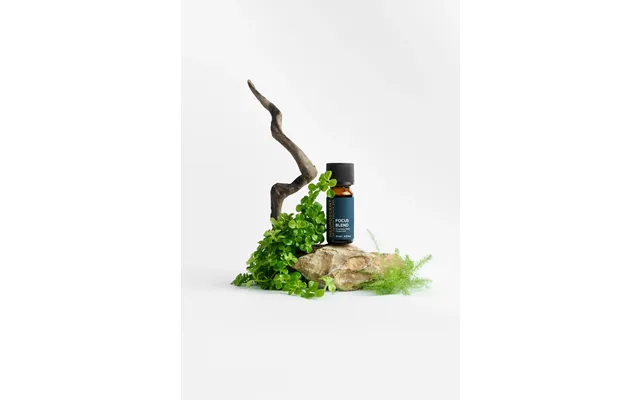
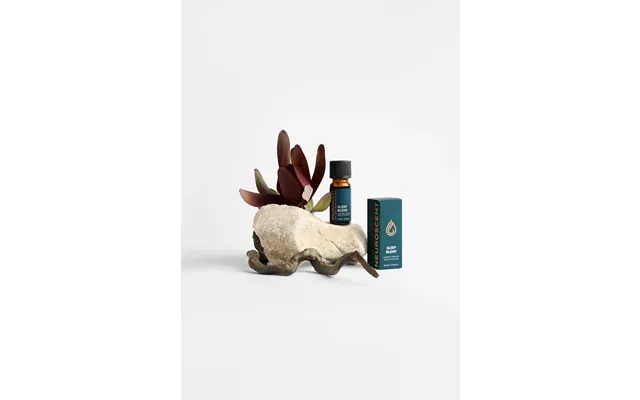
People come for clarity. They like the simple science-backed angle and the personal attention. The subscription model and refill options fit daily routines, while workshops create attachment. Customers who try NeuroScent often comment on immediate practical value: a bedtime blend that helps wind down, or a focus blend used during work sprints. Small wins add up.
Think of a student preparing for exams who swaps a sweet perfume for a focus blend during study sessions, or a parent who uses a calming scent at bedtime to nudge a routine along. For shift workers, quick scent rituals can be a cue to switch modes. NeuroScent’s products are designed to slot into life as tools—simple triggers that change mood, much like a playlist or a short breathing exercise.
NeuroScent isn’t for the fragrance purist who values rare natural materials above all. It’s also not for the shopper looking for status-brand packaging. Some people find the functional messaging too clinical—fragrance can be emotional and personal, and clinical language sometimes clashes with that. NeuroScent works best for pragmatic buyers who value straightforward results.
The future likely includes deeper integrations with sleep and wellbeing tech, more personalised formulations, and expanded subscription options. Imagine a scent that adjusts seasonally based on your activity or an app that suggests blends after tracking sleep quality. There’s room for collaborations with wellness apps, hotels, and mental health services. The challenge will be scaling those ideas while protecting the brand’s hands-on, educational roots.
Growth could mean more retail locations, but each new shop must feel like the original—personal, clear, and educational. Another path is B2B: supplying curated scent packs to workplaces, clinics, or hospitality brands that want purposeful ambient scenting. Either way, staying honest about what scent can and cannot do will be crucial.
Expect more formats: inhalers, pillow mists, travel vials, and blended candles tuned for wellbeing. Packaging that reduces waste and options for concentrated refills will appeal to eco-minded customers. The brand can also explore modular kits—build-your-own blends guided by simple rules—so customers feel creative without being overwhelmed.
NeuroScent’s journey in the UK market is a case study in marrying a simple scientific insight with smart retail design. It didn’t try to be everything at once. Instead, it picked a narrow promise—scent that helps—and delivered an accessible, honest experience. That clarity helped it stand out in a crowded field and build a loyal following.