





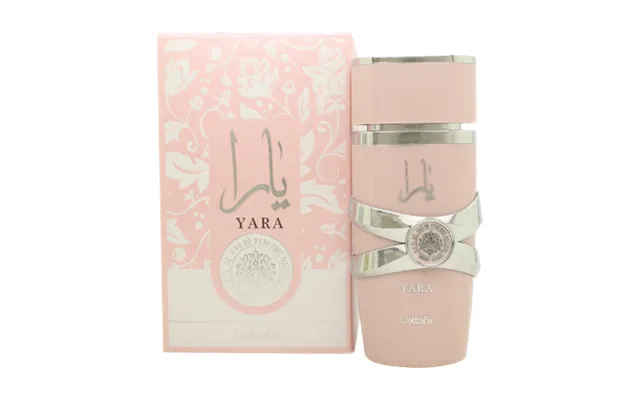
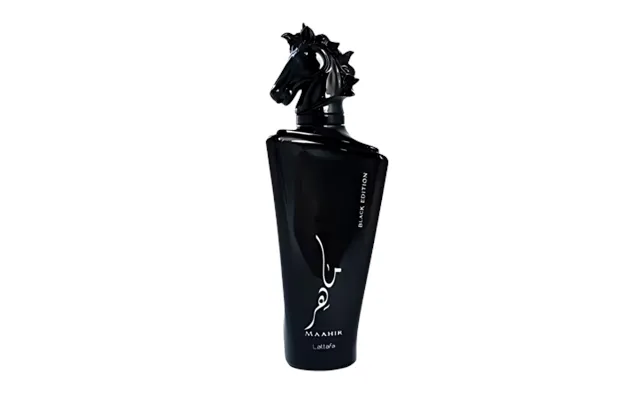
Opulensi price list
Last updated Thursday, Sep 17, 2026






| Store | Status | today | distance |
|---|
Loading...
Loading...
Last updated Thursday, Sep 17, 2026
Opulensi didn't appear overnight. It began as a small family venture in the early 2010s, founded by two siblings who loved design and wanted to bring a different kind of shopping experience to the UK. They saw a gap: shoppers wanted quality, but they also wanted personality, curation, and a story behind each product. So they set out to build a store that felt less like a chain and more like a discovery.
The founders were simple people with big dreams. They mixed traditional retail instincts with modern online thinking. Their aim? To marry tactile, in-store experiences with smart online tools. They believed shoppers should touch and test, but also read and research. That idea shaped Opulensi’s identity—hands-on but tech-savvy, warm but efficient.
At first, Opulensi focused on a curated selection: homeware, boutique fashion, and lifestyle accessories. Word-of-mouth did the heavy lifting. People loved the shop’s curated shelves and human staff who actually knew their stock. The brand also leaned into limited drops and local artisan partnerships. That scarcity built desire and gave customers reasons to return.
Opulensi launched its e-commerce platform when it became clear that physical reach alone couldn't sustain growth. The online store was smart, simple, and mobile-friendly. It mirrored the physical shop’s visual language and storytelling. Product pages included maker stories, detailed care notes, and customer reviews. That transparency helped win trust.
Opulensi is not just another retailer. It’s a voice. The brand mixes classic luxury with approachable style. Your average high street store tends to push trends; Opulensi focuses on timeless pieces with small, contemporary twists. That creates a loyal audience who prefers investment items over fast fashion.
From the start, Opulensi carved a reputation for sourcing well-made items. They highlight craftsmanship: hand-stitched leather, kiln-fired ceramics, and sustainably farmed textiles. Sustainability isn't a buzzword here; it’s a practice. Opulensi often partners with small manufacturers who use fewer resources and fairer labor practices.
Walking into an Opulensi store feels like entering a thoughtfully curated home. Natural light, wooden displays, and quiet music set a calm mood. Staff are friendly, not pushy. They guide more than they sell. That approach helps customers linger, touch, and ultimately buy with confidence.
Opulensi hosts workshops, maker talks, and pop-up collaborations. These events transform a store into a community hub. They also drive loyalty. When customers meet makers or learn about the craft behind a product, they form emotional ties. That connection often translates into repeat business and social media mentions.
Opulensi’s marketing is quiet but smart. Instead of screaming discounts, the store uses storytelling. Email newsletters read like friendly letters. Social posts emphasize process photos, behind-the-scenes videos, and customer stories. This content strategy builds credibility and keeps followers engaged without fatigue.
Search engine optimization plays a key role. Opulensi publishes long-form guides—how to care for leather, how to style a layered living room, how to spot quality ceramics. Those guides answer real questions. They pull organic traffic and bring buyers who are ready to invest. This content-first approach has helped Opulensi rank for several mid-tail keywords related to homeware and boutique fashion in the UK.
Opulensi’s model balances retail and wholesale. The store keeps a manageable number of SKUs, focusing on margin over volume. They use a combination of in-house brands and curated third-party lines. That mix allows them to test products and control profit margins. Wholesale partnerships with boutique hotels and interior designers also create steady revenue streams.
Opulensi positions itself in the affordable-luxury tier. Prices are higher than high-street stores but lower than ultra-luxury labels. This places them in sweet spot for customers wanting quality without ostentation. Promotions are rare and tasteful—seasonal events, bundle offers, or loyalty rewards rather than constant sales.
To understand Opulensi’s place in the market, it helps to compare it with other UK retailers. Let’s look at big names and boutique players. Each has distinct strengths and a slightly different customer promise.
John Lewis is a department store giant. It offers broad categories and nationwide reach. By contrast, Opulensi is niche-focused and intimate. John Lewis wins on range, price points, and customer guarantees. Opulensi wins on curation, brand narrative, and the emotional experience. If you want every option under the sun, John Lewis is your one-stop shop. If you want handpicked items and a story behind each choice, Opulensi is more likely to deliver.
Selfridges is luxury and spectacle. It’s about designer labels and showy windows. Opulensi keeps quiet elegance. You won’t find runway exclusives at Opulensi, but you will find unique pieces and artisanal goods. Selfridges attracts luxury shoppers and tourists; Opulensi attracts local tastemakers and shoppers who prefer substance over status.
Harrods is the height of luxury. It’s lavish, massive, and very expensive. Opulensi cannot compete on scale or label prestige. But it competes on authenticity. Harrods offers glamour; Opulensi offers intimacy. Both have value, but they serve different buyer mindsets.
Fenwick shares some similarities with Opulensi—regional focus, emphasis on quality, and personalized service. Fenwick is a traditional department store with local heritage. Opulensi borrows that local warmth but is less tied to department store conventions. It is more agile, quicker to pivot to new makers and trends.
Independent boutiques are Opulensi’s most direct competition. These smaller stores often share the same values: curation, local makers, and customer service. What sets Opulensi apart is its hybrid model—part boutique, part micro-brand. It invests more in storytelling and digital reach than many tiny independents, while still keeping the boutique feel.
Opulensi’s core strengths are clear. First: curation. The store’s edited selection saves shoppers time and reduces choice overload. Second: storytelling. Product pages and in-store staff tell the why behind each item. Third: community. Events and local partnerships build loyalty. Fourth: sustainability-first sourcing. That appeals to a growing segment of conscious consumers.
Customer service at Opulensi feels personal. Staff remember faces. They make tailored suggestions. The brand invests in aftercare—repair guides, thoughtful returns policy, and long-term warranties for select items. That builds trust and encourages repeat customers.
No brand is perfect. Opulensi’s boutique approach means limited inventory and higher prices. That can alienate budget shoppers. Geographic reach is another issue; while online sales help, some customers still miss the tactile in-store experience. Supply chain challenges, especially when relying on small makers, can cause delays and inconsistent stock levels.
Scaling is the classic retail puzzle. If Opulensi grows too fast, it risks losing the intimate feel that customers love. If it grows too slowly, competitors may fill the niche. The challenge is to scale strategically—opening carefully chosen locations or expanding online services that preserve the brand’s character.
Looking ahead, Opulensi seems positioned for steady, thoughtful growth. Expect more collaborations, a broader digital content strategy, and perhaps a small number of new stores in key cities. They may also expand private-label lines—items designed and manufactured for Opulensi—since those offer higher margins and control over quality.
On the tech front, Opulensi will likely invest in personalization tools. Think product recommendations that feel human and digital try-on features for homeware visualization. These small tech moves can enhance shopper confidence and increase conversion rates.
What draws people to Opulensi? Simple: trust, taste, and a sense of discovery. Shoppers who love the store often say they feel understood. The store doesn’t try to sell everything to everyone. It invites a specific kind of shopper—someone who values quality, stories, and a relaxed shopping experience.
Want the best experience? Visit during events, sign up for the newsletter, and read product guides before you buy. If you’re unsure about size or color, use customer service—Opulensi often replies quickly and thoughtfully. And if you love a maker, buy early; limited runs can sell out fast.
Opulensi’s story is more than a business case. It’s a reminder that retail still has room for soul. In an era of algorithms and mass production, a small, well-curated shop can still win hearts. Opulensi discovered that people crave depth over breadth, connection over gimmicks, and quality over speed. That lesson has guided every staff hire, marketing decision, and product selection.
What’s next for Opulensi? Expect steady refinement rather than radical change. They will keep building the brand’s voice—clear, friendly, and selective. They’ll keep investing in makers and community. If you’re a shopper who values craftsmanship and calm, Opulensi will likely remain a favourite. If you’re a retail observer, this store is a case study in how focused curation and honest storytelling can compete with scale.