






Papersmiths price list
Last updated Thursday, Jul 30, 2026
Last updated Thursday, Jul 30, 2026
Papersmiths didn’t appear overnight. It started as a small idea: sell beautiful paper and simple tools that help people write, create, and organise. In the UK, where stationery holds a special place in daily life, Papersmiths carved a niche by focusing on design-led products and attentive service. Over the years it grew from a modest shop into a recognised name on the high street and online, earning loyal customers who return for the feel of quality paper and thoughtful stationery.
Papersmiths moved through phases that mirror many retail stories: local retailer, regional presence, and digital expansion. Early years focused on building a consistent range — notebooks, envelopes, greeting cards and pens. Then came diversification: planners, art supplies and gift wrap found their way onto shelves. The brand adapted to market shifts, experimenting with pop-up stores and market stalls to test new audiences. The shift to online commerce accelerated in the 2010s, bringing its curated collections to a wider, even international, audience.
Original customers remember the counter chats — staff recommending the right pen or suggesting a paper weight for a wedding invitation. Translating that personal touch to a website was a challenge. Papersmiths invested in clear photos, honest descriptions and easy navigation to replicate the store experience online. Customer reviews and social media became the new counter chats, with real buyers sharing photos and tips.
Papersmiths built its identity around design. They favour simple, elegant products that do the job well and look good doing it. The selection leans toward classic styles with a modern twist. Think handcrafted-inspired notebooks, muted colour palettes and well-balanced layouts. They focus on quality materials — thicker papers, sturdy bindings and pens that glide — rather than chasing fast trends. This philosophy attracts customers who want stationery that lasts, not just looks fashionable for a season.
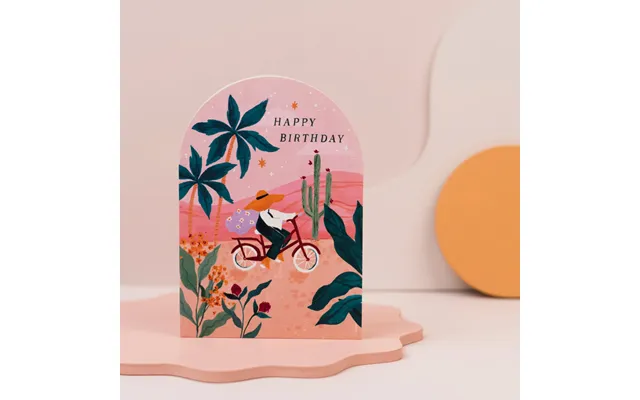
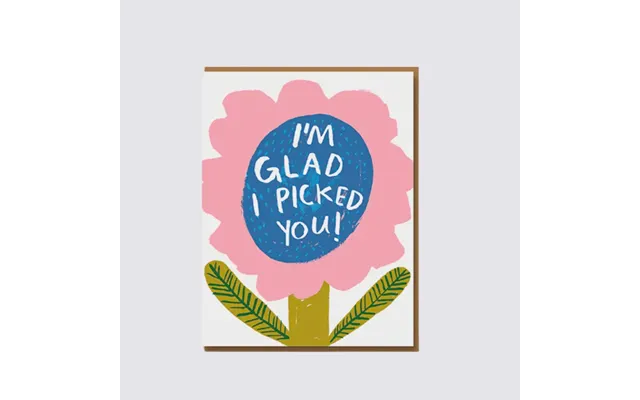
One strength has been the mix of Papersmiths’ own designs and curated pieces from independent makers. Selling both gives customers a broader choice and supports small artisans. It also positions Papersmiths as a tastemaker: shoppers expect to discover something fresh, whether it’s a new designer’s greeting card range or a limited-edition ink colour.
Shopping at Papersmiths is often described as a slow, pleasant experience. Stores are designed to invite browsing, not rushed transactions. Staff training emphasises product knowledge and friendly help, not high-pressure sales. This approach builds trust. When customers need advice — the best paper for fountain pens, or the right planner layout — they get help that feels personal.
To deepen relationships, many Papersmiths locations held workshops: calligraphy sessions, notebook-making classes, greeting card crafting. These events turn passive buyers into active brand fans. They also create real-world communities where people meet over shared interests. During quieter retail periods, these events bring both footfall and social media content — a win-win.
No modern retailer can ignore online trends. Papersmiths developed an e-commerce site that mirrors the store’s aesthetic. Product pages are clean, with detailed specs and lifestyle photos. Blogs and email newsletters offer inspiration — ways to use a planner, desk set-ups, or seasonal gift guides. The brand used SEO and content marketing to attract customers searching for specific stationery solutions, like “best paper for calligraphy” or “vintage style notebooks UK.”
Shipping stationery might sound simple, but paper needs care. Papersmiths invested in packaging that protects items while staying on-brand. They introduced flat-rate shipping, tracked parcels, and gift-wrapping options. During peak seasons like Christmas or back-to-school, they scaled operations to maintain delivery promises. These details matter: fast, reliable delivery keeps customers coming back.
Modern buyers often ask: where did this paper come from? Papersmiths responded by improving transparency. They sought FSC-certified paper, reduced plastic packaging, and partnered with brands that share ethical values. Recycling programs, refillable pen cartridges, and seasonal ranges with recycled materials helped build credibility. Sustainability became part of their story, not a marketing afterthought.
Going green isn’t always smooth. Some sustainable materials cost more, forcing price decisions. Papersmiths balanced this by offering a mix: eco-friendly lines alongside more affordable classics. They also educated customers, explaining trade-offs and encouraging reuse. It’s a practical path, not perfection.
How does Papersmiths stack up against other stationery retailers in the UK? There are several players on the market, each with a different angle. Below, we compare Papersmiths with well-known names like Paperchase, Ryman and WHSmith, plus the rise of independent boutiques.
Paperchase is often louder and trendier. Their stores brim with colourful, seasonal ranges and novelty items. Paperchase targets shoppers who want stylish gifts and themed stationery. Papersmiths, by contrast, focuses on timeless design and quality. If Paperchase is a loud pop song, Papersmiths is an understated vinyl record — both enjoyable, but for different moods. Papersmiths wins when customers want durability and elegance; Paperchase wins on variety and trend-led impulse buys.
Ryman is the go-to for office supplies and practical needs. Their strength is functional range and business customers who need immediate solutions. Papersmiths doesn’t try to be everything; it avoids competing on bulk office supplies and focuses on the intentional shopper. If you want a stylish planner or a special pen, you’ll find Papersmiths appealing. If you need reams of copy paper or workplace essentials, Ryman is more convenient and cost-effective.
WHSmith is a broad retailer: books, magazines, travel essentials and stationery. Its convenience footprint is huge — train stations, airports and high streets. Papersmiths, however, positions itself as a niche specialist. Where WHSmith sells stationery as part of a broader offering, Papersmiths sells stationery as the main event. The result: deeper product knowledge and a curated edit that attracts enthusiasts rather than chancers in transit.
Independent stationery boutiques are often small, design-focused shops with strong local followings. They specialise in unique finds and limited editions. Papersmiths sits between a national player and a boutique: bigger than most independents, but still curated and design-led. That scale allows Papersmiths to offer consistent availability and professional packaging while keeping a creative edge that many independents prize.
Papersmiths positions its products at a mid-to-premium price point. That means they aren’t the cheapest, but customers often feel they get value for money. Why? Because the items last, perform well and look good. The brand focuses on quality rather than discounting. Sales and seasonal promotions appear, but the baseline message is: invest in tools that work. This appeals to professionals, students with a taste for finer stationery, and gift buyers.
There are moments when budget trumps everything — school stationery for a large family, bulk office needs, or one-off low-cost party favours. In those situations, shoppers go to discount chains or supermarkets. Papersmiths accepts that it’s not a budget player and instead doubles down on niche strengths: design, sustainability, and customer service.
Papersmiths markets through stories. Product launches are framed as design stories: what inspired the collection, who made it, and how it fits into everyday life. They use social platforms to show customers using products in real settings — desks, bags, and gift-wrap tables. Influencer collaborations and creative partnerships extend reach without cheapening the brand. The message is simple: stationery can make your day better.
Content plays a big role. Guides like “choosing the right notebook” or “how to care for fountain pens” attract search traffic and help buyers decide. This useful content converts browsers into buyers by answering real questions. It’s a quiet form of persuasion, but an effective one.
Looking forward, Papersmiths faces both opportunities and challenges. The appetite for quality stationery continues, but competition is fierce and e-commerce expectations are high. Expanding sustainable ranges, improving personalisation options (monogramming, bespoke stationery), and growing workshop programmes are realistic next steps. International shipping and custom corporate solutions could also widen the customer base.
Blending digital convenience with tactile experience is the sweet spot. Virtual lookbooks, augmented reality to preview planners, or online booking for in-store workshops can create seamless experiences. Yet the tactile thrill of feeling paper can’t be digitised fully. Papersmiths will likely keep physical stores or pop-ups to maintain that sensory advantage.
Papersmiths built its reputation on thoughtful design, quality materials, and friendly service. It occupies a clear niche between big-box retailers and tiny boutiques. That balance — being big enough to be reliable, small enough to be curated — is a strategic strength. As shopping habits change, the store’s future depends on maintaining authenticity while embracing practical digital tools.
Whether you’re a pen addict, a planner devotee, or someone searching for a meaningful gift, Papersmiths offers more than products. It sells moments: the satisfying page-turn, the smooth pen stroke, the joy of a well-wrapped present. That emotional pull is what keeps customers coming back, and it’s likely to sustain the brand as it writes its next chapters.
©JPH Innovation 2026. All rights reserved.