


SafeFort price list
Last updated Thursday, 5 Nov 2026





| Store | Status | today | distance |
|---|
Loading...
Loading...
Last updated Thursday, 5 Nov 2026
Choosing security equipment is about more than finding a locked box. You need a solution that fits what you are protecting, how often you need access and where the equipment will go. SafeFort listed range covers several of these needs, from organised key storage to certified security cabinets and lithium-ion battery charging safes.
This guide looks at the products and details shown in the supplied SafeFort listing data. It explains the main categories, highlights what to compare before choosing, and sets the available information in the context of the wider UK security-products market. It does not assume that every product or configuration is available at all times, so check the current listing for details before making a decision.
SafeFort is an online retailer of security storage products, with the supplied listings focused on safes, security cabinets and key-management equipment. The range includes products from Securikey and Burton Safes. Rather than being a general household retailer, the catalogue shown is aimed at people and organisations looking for purpose-built security solutions.
The listed products serve different jobs. A key cabinet helps keep a larger set of keys organised and controlled. A security cabinet can provide storage for valuables or bulky items, while a safe may offer a higher level of certified protection. Batteryguard cabinets address a more specialised need: storing and charging multiple lithium-ion batteries in a controlled enclosure.
That variety makes it useful to begin with the problem you need to solve. Are you trying to organise dozens or hundreds of keys? Protect documents and valuables? Store bulky equipment? Or manage battery charging at work? The right category depends on the answer.
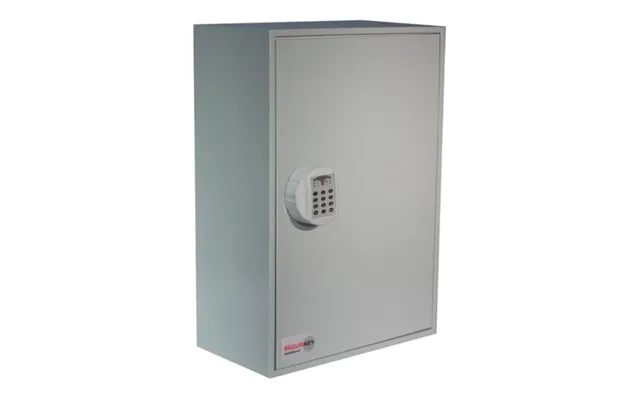
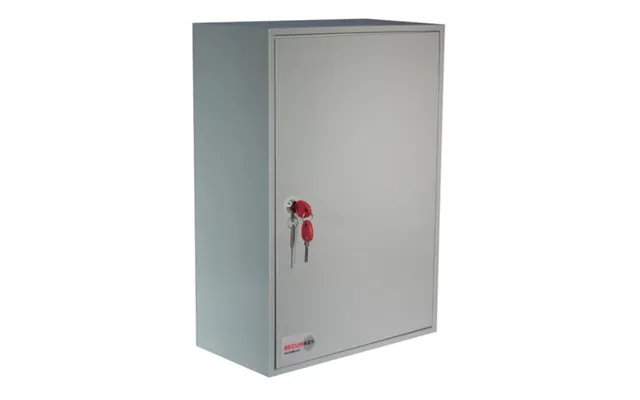
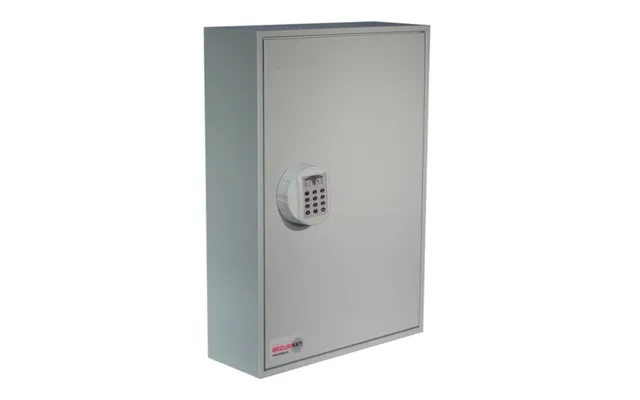
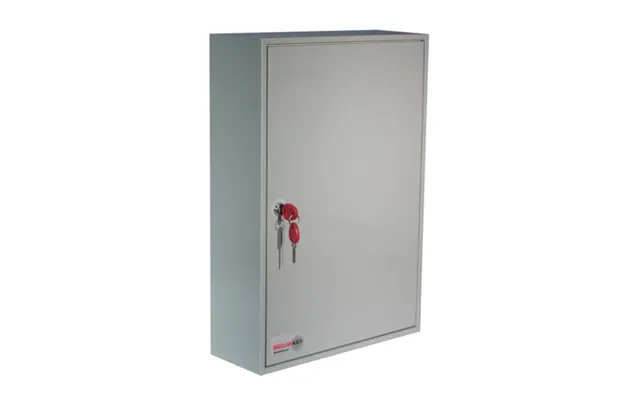
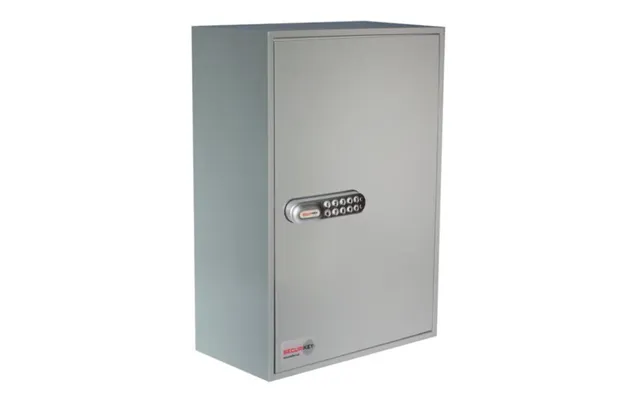
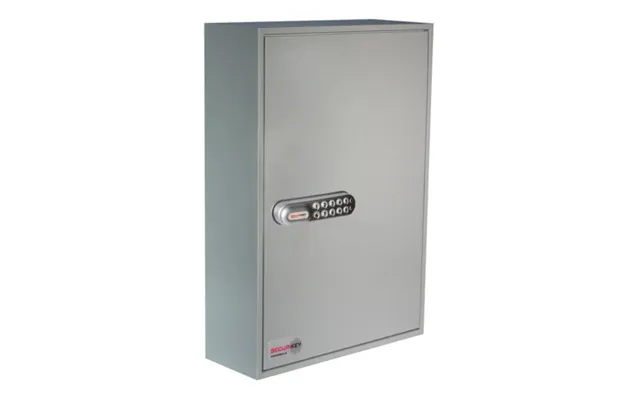
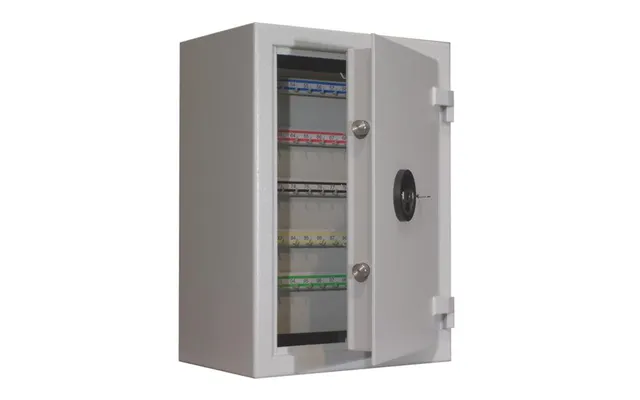
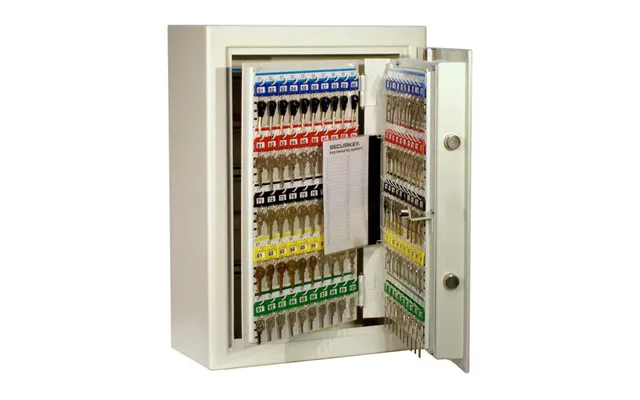
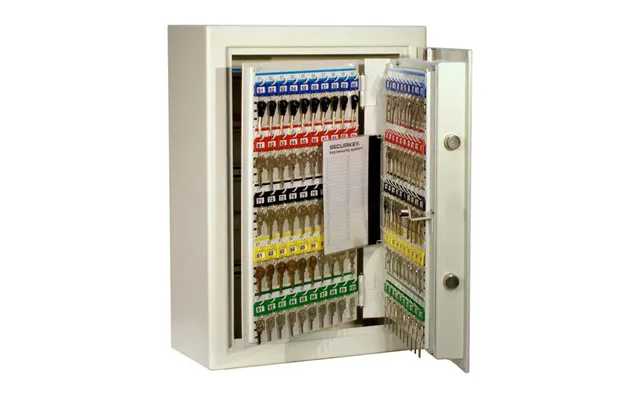
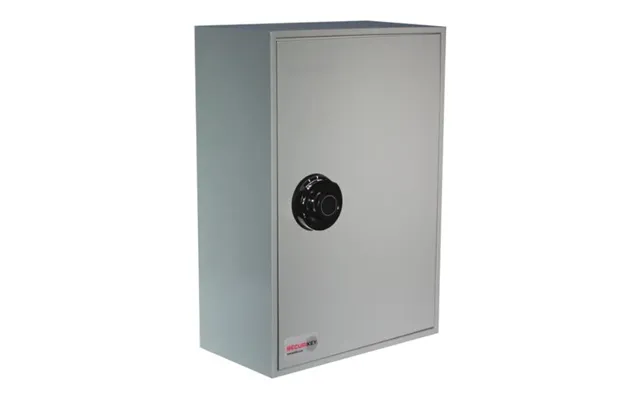
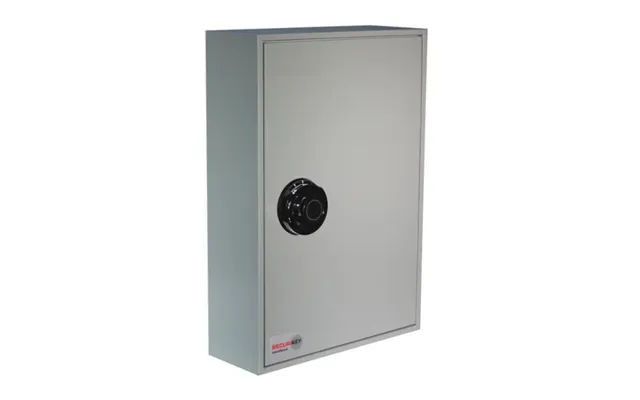
The Securikey System key cabinets are listed in capacities of 100, 200 and 300 keys. Their adjustable hook bars and numbered, colour-coded positions are intended to make keys easier to identify and return to the right place. That can help organisations where several people handle keys and a misplaced set can disrupt the day.
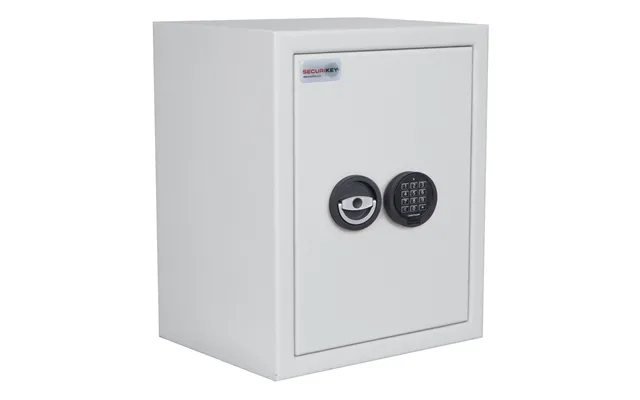
The System 100, 200 and 300 listings show several locking choices, including key lock, electronic code, mechanical combination and padlockable cam lock, depending on the model. The supplied data also lists a euro cylinder option for the System 100. Check the specific product page to confirm which options apply to the cabinet you are considering.
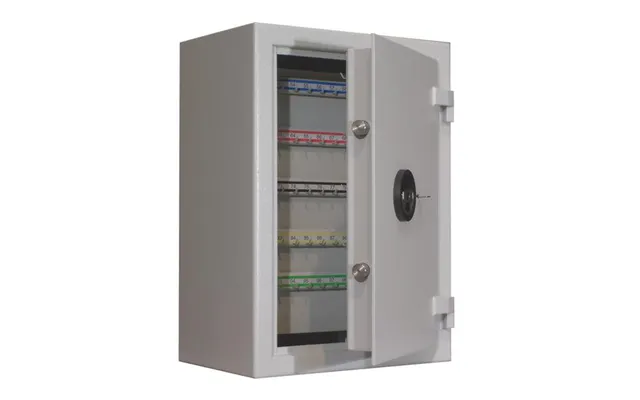
For organisations that need more than orderly storage, SafeFort also lists Securikey High Security Key Cabinets in capacities of 100, 200 and 300 keys. The described construction includes a 3mm steel body, a 6mm door and a three-way locking mechanism with 20mm bolts. These details distinguish the range from a basic key cabinet intended mainly to keep keys arranged and accessible.
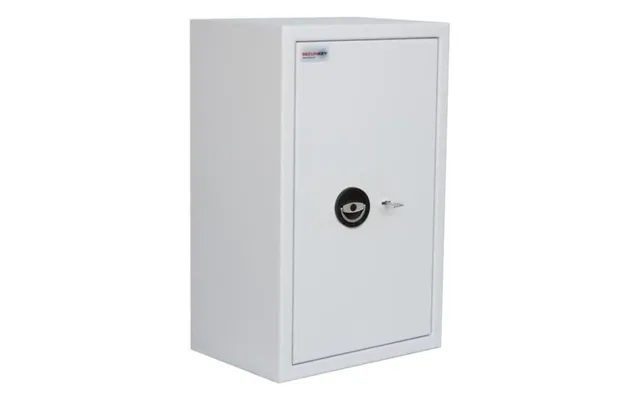
The Securikey Secure Stor S1 cabinets are presented as larger-capacity storage for valuable, sensitive or bulky items. The listing describes EN 14450 S1 certification and a range of five sizes from 49 to 213 litres. It also gives recommended ratings of £2,000 for overnight cash and £20,000 for valuables, while noting that suitability depends on factors such as installation, location and insurer requirements.
SafeFort’s listed Securikey Fire Stor S1 cabinets combine EN 14450 S1 burglary certification with double-wall construction and fire-resistant infill to DIN 4102. The listed capacities range from 137 to 786 litres. Both key-lock and electronic-lock versions appear in the data for several sizes. If you are considering one for documents or business records, check the product details carefully: the listing describes light fire protection, not an unlimited guarantee that contents will remain unharmed in every fire.
For customers seeking discreet storage, the Securikey Protector and Safeguard Plus underfloor safes are designed for permanent installation in a suitable concrete floor. The supplied Protector descriptions give recommended ratings of £6,000 for overnight cash and £60,000 for valuables, with insurance suitability subject to installation and insurer requirements. The Safeguard Plus listing describes key-lock models in size 2 and size 3 configurations.
The range also includes a Securikey biometric jewellery drawer, described with fingerprint access, PIN-code security and smartphone connectivity. Its leatherette exterior and flock-lined interior are aimed at storing jewellery, watches and other treasured items at home. This is a different kind of solution from a heavy commercial safe: convenience and frequent access are part of its appeal.
The Burton Batteryguard XL16, XL20 and XL20D listings focus on the secure charging and storage of lithium-ion batteries. The XL16 is described with 16 charging points; the XL20 and XL20D listings describe 20. The data states that these models are independently ECB-S certified to VDMA 24994 and offer different electrical and charging configurations, including 230V or 400V options for the models described.
These cabinets may be relevant to workplaces that handle many rechargeable batteries, such as warehouses, workshops, logistics centres or e-bike operations. The right configuration depends on the power supply and charging pattern required at the site. Since these are specialist products, confirm the precise configuration and technical requirements with the current product information before ordering.
Make a clear list of what you need to protect. Keys, documents, jewellery, cash and rechargeable batteries have different storage needs. A key cabinet can improve organisation, but a high-security model may be more appropriate if the keys themselves provide access to vehicles, buildings or restricted areas. For valuable items, consider the stated certification and whether it matches your insurer’s requirements.
Ratings and certifications are useful guides, but they do not replace a conversation with your insurer. SafeFort’s supplied descriptions explicitly note that insurance ratings can vary by location, installation, risk and individual insurer. If cover is a key reason for buying, ask your insurer to confirm the product’s suitability before you commit.
Capacity is easy to underestimate. A key cabinet that is full on day one may soon become a bottleneck if your organisation adds more keys. Likewise, cabinet volume matters if you plan to store bulky items or business records. The listed ranges include different capacities, so compare the internal space and intended use rather than choosing by the product name alone.
For Batteryguard products, the number of charging points and the available electrical configuration are central considerations. A model with more points may suit a larger operation, but the charging arrangement still needs to fit how batteries are used. Treat capacity like workspace: enough room today is helpful, but a little planning for tomorrow can prevent an early replacement.
SafeFort’s listed cabinets and safes include different locking types, such as key, electronic code and mechanical combination options. The best fit depends on who needs access and how access should be managed. A key lock is familiar, while electronic or combination options can suit situations where access should not depend on holding a physical key. The listed products do not all offer the same choices, so check the exact variant.
Also consider everyday use. If several staff members need to retrieve keys, the cabinet’s layout and labelling may matter as much as its lock. If an item is accessed regularly at home, convenience may carry more weight than it would for a safe used only occasionally.
Some products require more planning than others. Underfloor safes are intended for installation in a suitable concrete floor, while large cabinets need a suitable location and enough access space. Battery charging safes also need an appropriate electrical supply. Before ordering, check dimensions, installation needs and access routes, and confirm any technical questions with the seller or a qualified installer.
SafeFort operates in a UK market where customers can look at specialist security retailers, general business-supply shops and online marketplaces. At a broad level, specialist retailers tend to focus on products built for particular security tasks, while general retailers may cover a wider mix of unrelated goods. SafeFort’s supplied catalogue is clearly centred on safes, cabinets and key control.
The reference data does not provide a verified comparison of SafeFort’s prices, service, delivery terms or product range against named UK competitors. It would therefore be unfair to claim that SafeFort is cheaper, faster or better than other retailers. A useful comparison is based on the facts you can check: certification, capacity, lock type, configuration, current price and any delivery or installation information shown on the retailer’s site.
When comparing retailers, look beyond the headline price. A cabinet with a different lock, size or certification may not be an equivalent alternative. For specialist equipment, clear technical information and a product configuration that matches your needs can be more valuable than a simple price comparison.
The supplied data includes individual listed prices for many product variants. For example, it shows Securikey System 100 key cabinet listings with prices ranging from £246.86 to £503.14, depending on the listed lock configuration. System 200 and System 300 variants also have different listed prices, as do the SafeFort-listed battery safes and security cabinets.
These are listing figures from the supplied reference data, not a promise that a price remains current. The data does not provide a confirmed shipping policy, delivery charge or delivery timeframe. It also contains no stated discount information. Check SafeFort’s live product page for the current price, exact model, configuration and any purchase terms before placing an order.
Pay attention to the variant name. A price may relate to a particular capacity or lock type, and another configuration of the same product family may cost more. Matching the product specifications first makes comparisons clearer and helps avoid judging unlike models by price alone.
Businesses and property managers that handle many keys may find the System cabinets relevant, especially when labelled positions and adjustable hooks can make daily key control easier. Organisations that need stronger physical protection for keys can explore the listed High Security or Grade I cabinet options, checking that the capacity and certification fit their needs.
Offices and professional settings that need room for documents or valuables may consider Secure Stor or Fire Stor cabinets. The latter’s described fire-resistant infill may be relevant where some added protection for documents is desired. For workplaces managing rechargeable batteries, the Batteryguard range is a more specialised option to investigate.
Home users may be interested in the biometric jewellery drawer or an underfloor safe, depending on how much they need to store and how they prefer to access it. The range is varied, but every product should be judged against the actual contents, installation setting and required security level.
SafeFort’s listed range covers practical key management, certified security cabinets, underfloor safes, jewellery storage and lithium-ion battery charging safes. Its products address distinct needs, so the best starting point is not the biggest model or the most complex lock. It is a clear understanding of what you are protecting, how much space you need and what level of security your insurer or workplace requires. Compare exact specifications, confirm installation and electrical needs where relevant, and check current prices and terms on the live listing before you buy.