All categories
Business & Offices
Electronics & Media
Fashion & Accessories
Groceries & Essentials
Health & Personal Care
Home & Living
Kids & Family
Sports & Outdoors
Search in ZoneOffer

Loading...
Ever scroll through a toy category called “Toys – Other” and wonder what on earth fits in there? You’re not alone. This catch-all corner of the toy world is where the most creative, slightly quirky, and surprisingly brilliant playthings live—items that don’t neatly fit into dolls, action figures, or blocks. Think sensory fidgets, STEM kits, craft sets, backyard gadgets, quirky robotics, puzzles, and collectibles. It’s the category where you find the unexpected gems—and often the best deals—especially when you compare prices before you buy.
On a comparison site’s “Toys – Other” page (like the one you’ll find on ZoneOffer), you’ll often see popular offers and a running price list that changes as different retailers adjust discounts. That’s gold for bargain hunters. Why? Because many toys here are evergreen hits, not tied to movie releases or peak-season fads. Prices swing more, which means you can time your purchase and shave real dollars off your basket.
If you’re buying for multiple age groups or mixed interests, “Toys – Other” is a lifesaver. You can bundle a sensory kit for a toddler, a beginner’s coding robot for a 9-year-old, and a backyard launcher for the family—without bouncing across ten categories. Plus, the learning value is often higher than you expect. Many toys here nurture fine motor skills, critical thinking, social play, and creativity, while still feeling fun-first. It’s like finding the secret level in a game: same map, better rewards.
Want to pay less without compromising on the fun? Start with a clear plan. Jot down your must-have features (age range, quiet play vs. active, screen-free vs. tech-led), set a budget, and then compare. Comparison platforms help you scan the landscape fast—seeing the same toy at different price points across retailers, plus tracking popular offers and price drops. It’s the savvy way to avoid impulse buys and focus on top-value picks in the “Toys – Other” universe.
Prices on “other” toys can differ by more than a few dollars because they’re less standardized than big-brand lines. Use comparison tools that pull live price lists for the same model or kit. Check what’s included in the box—especially for STEM sets and craft kits—so you’re matching apples to apples. Look for add-ons like refills, extra parts, or bonus packs that can turn a good price into a great value.
Here’s a power tip: the best toy bargains don’t just happen in late November. Watch for early fall discounts, post-holiday clearances in January, spring refresh sales, and occasional weekend flash deals. Many “Toys – Other” products have steady demand all year, so retailers run frequent promos to nudge sales. Keep a short wish list and check back weekly—when a deal hits, you’ll be ready.
The “other” category is vast, so let’s cut through the noise. Below are the most useful sub-types to watch for—each with great deal potential and serious play value. Whether you’re buying for one kid or kitting out a playroom, these are tried-and-true winners that often pop up on popular offer lists.
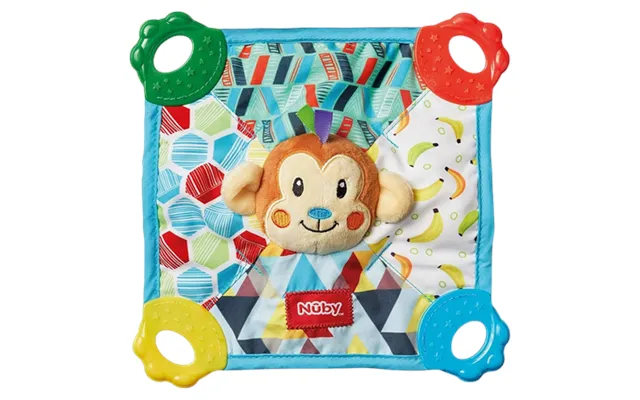
Calming, pocketable, and perfect for quiet moments, sensory toys like squishies, textured balls, pop fidgets, and marble mazes help kids self-regulate while keeping hands busy. Look for multi-pack offers because the cost per toy drops fast. Also, check material quality—silicone and BPA-free plastics are worth the few extra dollars. Bonus: these make superb travel companions, fitting easily in a jacket pocket or a small pouch.
From beginner coding robots to crystal-growing labs and build-your-own circuits, STEM toys are the stealth-education champs. You’ll see substantial price differences between kits with similar outcomes, so scrutinize the parts list. Kits with reusable components (like breadboards, snap circuits, or modular bots) stretch your dollars further. If possible, choose sets that scale with skill—so one purchase supports months of learning, not just a single afternoon.
Craft kits are the heart of rainy-day magic. Tie-dye, jewelry-making, window art, clay modeling, and paint-your-own sets are perennial favorites. To avoid mess headaches, opt for kits that include protective table covers and sealable containers. Keep an eye on bundle deals that combine multiple crafts in one box—these often cost less than buying single kits and deliver more variety.
Want a screen break that actually sticks? Family games and puzzles are the answer. Cooperative games work wonders for mixed-age groups, while logic puzzles keep solo players engaged. Search for “second edition” or “family edition” deals—these often include streamlined rules and upgraded components. For jigsaw puzzles, check piece sizes; larger pieces are easier for little hands and reduce frustration during family game night.
Remote-control fun sits squarely in “Toys – Other,” and it’s a hotspot for discounts. Whether it’s a beginner RC car, a mini indoor drone, or a coding-friendly robot, compare battery type, runtime, and spare parts availability. Swappable batteries and included spares can double your playtime. Indoors? Choose soft bumpers and a footprint under 12 inches. Outdoors? Go for sturdy wheels or prop guards and a controller that fits smaller hands.
From stomp rockets to balance toys and backyard targets, active toys pay off in laughter and longer naps. When deal-hunting, look for sets that include extra launch pads or multiple projectiles—that’s where the value hides. For smaller yards, collapsible goals and foldable targets save space. Check the listed dimensions; a launcher with a base under 18 inches by 18 inches is ideal for patios and small lawns.
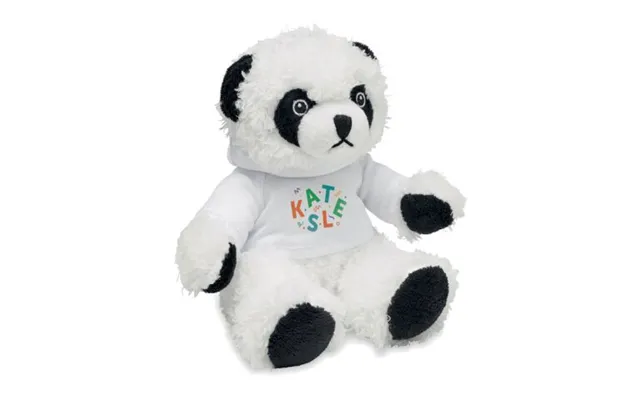
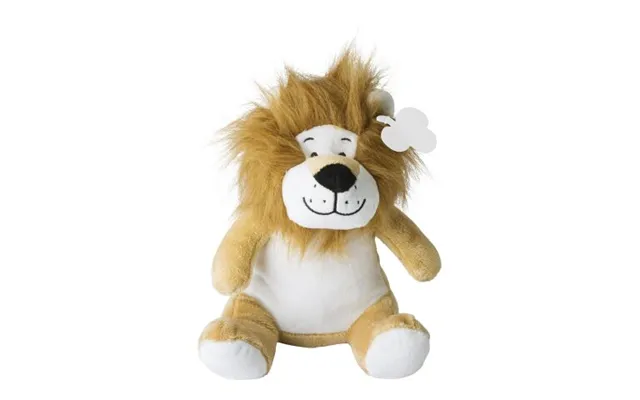
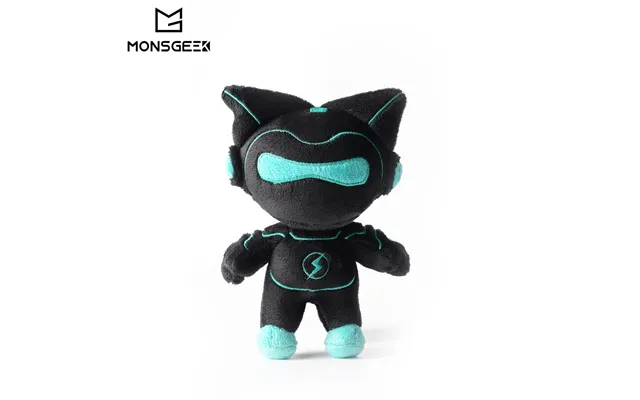
Plush pals and mystery packs are evergreen hits and frequent promo items. Multipacks usually beat singles on price per item, and “series finale” waves can be steeply discounted. If you’re buying plush for toddlers, prioritize embroidered eyes and double-stitched seams. For collectors, storage matters—choose figures that come with display stands or stackable cases to keep shelves neat and protect paint jobs.
Picking the right toy isn’t just about price; it’s about fit. Use age guidance as a helpful start, then layer on your child’s interests and developmental stage. A 5-year-old who loves tinkering might be ready for simple circuits, while a 9-year-old who’s artsy could thrive with advanced craft sets. Here’s a quick age-by-age snapshot to steer you toward winning choices.
Focus on chunky, tactile toys that build motor skills and language. Sensory blocks, pop tubes, and large-piece puzzles are brilliant. Look for items with pieces bigger than 1.25 inches in diameter to avoid choking hazards. Plush with stitched features and washable fabrics is a plus. Keep sound limits in mind—a gentle rattle or soft chime beats blaring speakers for tiny ears.
This is the age of pretend play and explosive creativity. Craft kits with big tools, beginner board games, and foam dart targets hit the sweet spot. Simple coding toys that use picture tiles or arrows can introduce sequencing without screens. If you buy RC vehicles, choose slower speeds and responsive remotes so little hands stay in control and furniture stays intact.
Curiosity takes center stage here. STEM kits with snap-together circuits, science experiments with safe ingredients, and logic puzzle games shine. Family board games with cooperative mechanics prevent frustration and teach teamwork. For outdoor play, look for gear that encourages gross motor skills—balance boards, toss games, and stomp launchers are big wins without needing a massive backyard.
Challenge matters. Advanced robotics, detailed model kits, serious strategy games, and art sets with grown-up tools keep them engaged. If you’re shopping drones or RC cars, read up on durability and available spares—tweens and teens will push limits, and swap-in parts extend longevity. Project-based kits that culminate in something to display—a lamp, a custom robot, a piece of wall art—offer a satisfying payoff.
Deals are only deals if the toy is safe and built to last. Before you jump on a popular offer, scan a quick checklist. Are materials child-safe? Are small parts appropriate for your child’s age? Do batteries have secure compartments with screws? Are there rough seams, sharp edges, or unstable stands? A two-minute inspection can save you from buyer’s remorse and keep playtime worry-free.
Favor toys with BPA-free plastics, food-grade silicone for sensory items, and sustainably sourced wood where possible. Seek out clear safety markings, age recommendations, and documented standards. For plush and fabric toys, look for tight stitching, low-shed fibers, and washable labels. If a toy has a strong chemical smell out of the box, let it air out or skip it—no discount is worth a headache.
For kids under 3, avoid parts small enough to fit in a small parts test cylinder—roughly 1.25 inches in diameter and 2.25 inches long. If you don’t have a test tube, use a cardboard toilet paper roll as a rough stand-in; if a piece slips through, it’s too small. Check detachable eyes, buttons, and magnets. Strong magnets are a hard no for young children, even if they look harmless.
Battery compartments should have screw closures—full stop. Coin cell batteries, especially, must be locked away. When you unbox, tape a spare battery’s packaging closed and store it out of reach. Rechargeable options can save money and reduce waste, but always follow the charging guide and avoid overcharging. If a toy runs hot or smells off while charging, unplug and contact the manufacturer.
Let’s turn “great price” into “great value.” Start by deciding what play outcome you want—calming sensory play, family game nights, outdoor energy burn, or skill-building STEM—and let that guide your shortlist. Then, check comparison pages for a live price list and scan user feedback for hidden costs like refills, specialty batteries, or must-have accessories. A few minutes of prep can stretch your toy budget much farther.
Bundles are the secret sauce of the “Toys – Other” category. Multi-packs of fidgets, puzzles with storage mats, RC cars with extra batteries, or art sets with replacement supplies quickly beat single-item pricing. If a kit relies on consumables—think crystal solutions, paint, or clay—price out refills in advance. Sometimes the best deal is a kit that includes a hefty refill pack right in the box.
For durable items like robots or RC gear, a manufacturer-refurbished or open-box option can be a smart play if it includes full safety checks and a warranty. Inspect on arrival: look for intact seals, clean battery compartments, and undamaged chargers. For young kids, stick to new items for hygiene and safety. For older makers and tinkerers, refurbished can free up dollars for extra parts and upgrades.
Going green with toys isn’t just feel-good—it often means sturdier materials and longer product life. Wooden playsets, recycled-plastic craft kits, and fabric dolls with natural dyes are increasingly common in the “Toys – Other” aisle. When you spot a sustainable label, compare the per-play value; durable materials can outlast cheaper alternatives and survive being handed down, multiplying your savings.
Look for wood from well-managed sources and plastics labeled as recycled or recyclable. Reusable STEM and craft components—like washable stencils, refillable markers, and modular electronic blocks—cut waste and costs. If you’re buying a set with storage trays or cases sized under 12 inches by 8 inches, you’ll find it easier to stack and store, extending the toy’s life and keeping parts out of the lost-and-found zone.
Great toys deserve great organization. A simple storage system transforms chaos into easy-access playtime. Clear bins help kids see what they own, and labels turn cleanup into a quick game. If space is tight, think vertical: wall racks for RC gear, over-door pockets for fidgets and art tools, and puzzle mats that roll up without breaking the build-in-progress magic.
Flat bins that slide under a bed—roughly 6 inches tall or less—are the unsung heroes for craft sets and puzzle boards. Stackable cases sized around 12 inches by 12 inches corral art supplies and small robotics without swallowing closet space. For outdoor toys, a weather-resistant tote by the back door keeps launchers and balls handy, so play starts fast and cleanup is painless.
The “Toys – Other” category is where creativity meets value. By focusing on what your kid loves to do, comparing prices across retailers, and checking a simple safety-and-quality list, you’ll land deals that feel good today and still make sense months from now. Whether you’re after sensory calm, backyard action, brainy challenges, or family game nights, this is the aisle where smart shoppers win. Keep a running wishlist, watch the popular offers and price lists on a trusted comparison site, and pounce when the price is right. Your budget—and your toy box—will thank you.