


The Natural Africa price list
Last updated Sunday, 18 Oct 2026
| The Natural Africa | Price |
|---|---|
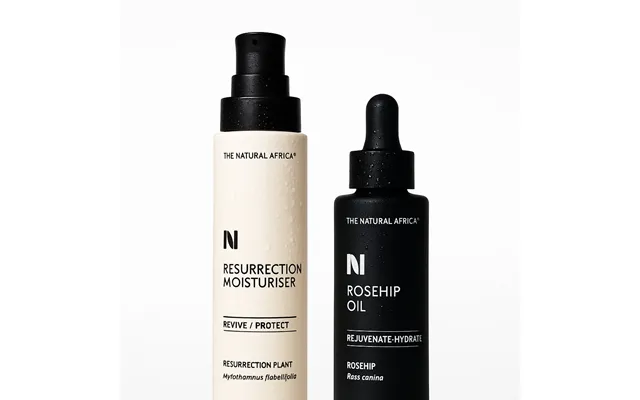
| Resurrection Moisturiser | £60.00 |
| Glow Duo | £80.00 |






| Store | Status | today | distance |
|---|
Loading...
Loading...
Last updated Sunday, 18 Oct 2026
| The Natural Africa | Price |
|---|---|
| Resurrection Moisturiser | £60.00 |
| Glow Duo | £80.00 |
The Natural Africa has earned attention in the UK as a specialist store for people looking for African beauty products, natural hair care, textured hair essentials and culturally familiar items. In a market filled with large beauty chains and general online retailers, the store offers something more focused: products chosen for customers whose hair, skin and beauty routines are often overlooked by mainstream brands.
The story of The Natural Africa reflects a wider change in British retail. African and Caribbean communities have long created their own routes to find oils, creams, braiding products, hair extensions and specialist cosmetics. What once meant searching through local markets or relying on overseas family members has gradually become a stronger retail sector in the United Kingdom. Stores such as The Natural Africa sit at the centre of that shift.
This article explores the history and identity of The Natural Africa, the needs it serves, and how it compares with similar UK stores. Because the brand’s public history is not presented as a long, detailed corporate timeline, it is best to focus on its retail journey, product purpose and place within the wider natural hair and African beauty market.
The Natural Africa grew from a simple retail idea: make African-inspired beauty and hair products easier to find in the UK. For many shoppers, specialist products were once difficult to locate. A customer might visit several shops to find the right braid fibre, search online for a particular hair oil, or ask friends where to buy products made for tightly coiled hair. The Natural Africa helped bring those needs together under one retail name.
The store’s identity is closely linked to African beauty traditions. These traditions often use rich oils, plant extracts, butters and protective styling methods. They are not passing trends. They have been part of family routines for generations. Shea butter, castor oil, black soap, coconut oil and botanical blends all carry practical value, but they can also carry memories of home, family and community.
That combination gives the business a distinctive position. It is not simply another shop selling shampoo and moisturiser. It speaks to customers who want products that respect their hair texture, skin needs and cultural background. In a crowded market, that focus can matter more than size.
For years, many British high-street beauty shelves offered limited choices for Afro-textured hair. The selection might include one or two products, often placed in a small section rather than treated as a central category. Customers were expected to adapt their routine to what was available. Specialist retailers challenged that pattern by saying, in effect, “Your needs deserve a proper choice.”
The rise of online shopping made this change faster. Customers could compare ingredients, read reviews and order products from niche retailers without travelling across a city. The Natural Africa belongs to this more flexible retail environment. Its appeal comes from combining specialist knowledge with the convenience of a dedicated store.
The Natural Africa’s product range is built around beauty routines connected with African and textured hair care. Depending on stock and product availability, shoppers may find hair oils, creams, shampoos, conditioners, styling products, natural butters, soaps, cosmetic items, braiding materials and hair accessories.
For a customer, this matters because a complete routine usually needs more than one product. Cleansing is only the first step. Moisture, detangling, styling and protection all play a part. A good specialist store makes it easier to move from one stage to the next rather than buying unrelated items from different retailers.
Textured hair often needs a different approach from straight hair. Coils and curls can lose moisture quickly, and tight bends may make natural oils less likely to travel from the scalp to the ends. This is why many shoppers look for products with oils, butters and moisturising ingredients.
The Natural Africa appeals to customers who wear natural styles, braids, twists, locs, extensions, wigs or chemically treated hair. The exact routine will vary, of course. A lightweight oil may suit one person, while another may prefer a thick butter or leave-in conditioner. The value of a specialist retailer is that it gives shoppers more routes to find what works.
African beauty products often combine everyday care with traditional knowledge. African black soap, for example, is widely used by people seeking a deep-cleansing product. Shea butter is popular for its rich texture and versatility. Natural oils may be used on the hair, scalp, beard or body, although individual results depend on skin type and product quality.
Customers should still read labels carefully. “Natural” does not automatically mean suitable for every person. Fragrance, essential oils and strong cleansing ingredients can irritate sensitive skin. The best shopping experience combines cultural familiarity with sensible product awareness.
The Natural Africa developed during a major change in the way people talk about hair. Natural hair moved from being treated as a problem to being recognised as a source of identity, creativity and pride. Online communities helped drive that change. Videos, blogs and social media posts showed people how to wash, detangle, moisturise and style curls and coils with confidence.
This movement also changed what customers expected from retailers. People wanted more than a product bottle. They wanted information. They wanted to know whether a cream would leave residue, whether an oil was suitable for locs, whether a braid extension was easy to handle and whether a product was designed for children or adults.
Specialist stores became useful guides in this environment. They could bring familiar products into one place and help normalise a wider definition of beauty. The Natural Africa’s role is therefore bigger than selling goods. It forms part of a retail culture where textured hair is visible, valued and properly served.
One of the most interesting features of The Natural Africa is the way it connects traditional ingredients with modern consumer habits. A customer may buy a familiar butter or oil rooted in African practice, but discover it through an online search, a social media recommendation or a digital product page.
That bridge is important. Tradition does not have to remain frozen in the past. It can adapt. A family remedy can sit beside a modern curl cream. A traditional soap can be purchased with a card payment and delivered to a customer’s door. This mix gives the store a character that mainstream beauty retailers often struggle to reproduce.
The UK market includes several retailers that serve African beauty, textured hair and multicultural customers. Each has a different strength. Comparing them helps explain where The Natural Africa fits.
Pak Cosmetics is one of the best-known UK retailers in the ethnic beauty sector. It has a broad presence and offers a large selection of hair products, extensions, wigs, cosmetics and accessories. Its scale is a major advantage. Shoppers who want variety, competitive pricing and access to popular mainstream brands may find Pak Cosmetics particularly convenient.
The Natural Africa is more focused in feel. Rather than competing only through size, it can attract customers who want a store with a strong African identity and a more carefully defined product atmosphere. Pak Cosmetics may feel like a large beauty supermarket; The Natural Africa may feel more like a specialist destination. The better choice depends on the shopper. One customer may prioritise breadth, while another may value cultural focus.
Afro Hair Boutique is associated with products for Afro and textured hair, including hair extensions, wigs, styling products and care essentials. Its appeal often comes from serving customers who want both hair solutions and maintenance products.
The Natural Africa shares this customer base but can stand apart through its emphasis on African beauty products and natural care. A shopper focused on a specific wig or extension may compare both stores for price, colour, texture and delivery. Someone building a broader body, skin and hair routine may prefer a retailer with a stronger natural and culturally rooted selection.
Naturalistic Products is known for products aimed at natural hair care and customers seeking plant-based or ingredient-conscious routines. It has strong appeal among shoppers who are already familiar with curl care, protective styling and natural hair education.
The Natural Africa overlaps with this audience, but its identity can feel broader and more connected to African beauty retail. Naturalistic Products may appeal to a customer who wants a specialist natural-hair catalogue. The Natural Africa may attract someone looking for a blend of hair care, African beauty staples and culturally familiar products.
Afrocenchix has built a strong reputation around natural hair products, ingredient transparency and modern branding. Its range is often presented as a focused system for cleansing, conditioning, moisturising and styling textured hair. The brand also appeals to shoppers who want a polished, education-led experience.
The Natural Africa differs because it functions more like a multi-brand specialist retailer. Instead of placing the entire focus on one branded product system, it can give customers access to a wider selection of items and traditions. Afrocenchix may suit a customer who wants a carefully designed routine from one brand. The Natural Africa may suit a shopper who prefers to compare products and ingredients across a broader range.
The clearest difference is focus. The store is connected to a particular cultural market rather than trying to serve every possible beauty customer. That focus can make shopping feel more relevant. Customers do not need to explain why they want a certain type of oil, styling gel, braid or cleansing product. The product range already starts from an understanding of their needs.
Another strength is discovery. Specialist shops often introduce shoppers to products they would not notice in a general supermarket. A customer may enter looking for one hair item and leave with a new body butter, soap or scalp oil. This is not just impulse buying. It can be part of learning how different products fit together.
Trust also matters. Beauty products touch the body, and hair products become part of a personal routine. Customers want confidence that a retailer understands the difference between hair textures, protective styles and skin needs. A clear product description, sensible advice and reliable service can build that trust over time.
Choice does not mean offering hundreds of random products. It means offering useful alternatives. Some customers want mineral oil-free formulas. Others prefer rich butters. Some need products for children, while others need care for locs, braids or chemically treated hair.
The Natural Africa’s opportunity is to keep developing a range that reflects this diversity. The modern customer is informed and selective. They may check ingredients, search for vegan options, avoid certain fragrances or compare prices before ordering. Retailers that respect this behaviour are more likely to earn repeat business.
Online shopping has changed the way specialist beauty stores grow. A physical shop may serve a local community, but an online store can reach customers across the UK. This is especially useful for people living outside major cities, where specialist beauty shops may be limited.
For The Natural Africa, digital retail can support growth through detailed product pages, useful hair-care guides, customer reviews and social media content. Good photographs matter, but clear information matters more. Customers want to know the size, ingredients, intended use, scent, texture and delivery details before they buy.
The future may also involve more direct conversation with customers. Short videos can show how a product is applied. Tutorials can explain protective styling. Articles can help shoppers build a basic routine without overbuying. When a store teaches rather than simply sells, it becomes more memorable.
The Natural Africa operates in a competitive market. Large online marketplaces can offer low prices and fast delivery. Supermarkets are expanding their multicultural beauty ranges. Social media creates new brands almost every week. Customers have more choice than ever, but they also have more reasons to compare.
Stock consistency is another challenge. A shopper who finds a favourite oil or styling product wants to buy it again. If it is repeatedly unavailable, they may move to another retailer. Clear communication about stock, delivery and product changes can help protect customer loyalty.
Authenticity matters too. African beauty is now popular with a wide audience, and that creates commercial opportunities. It also creates a risk of shallow branding. Stores with genuine knowledge and respectful product selection can stand out from businesses that simply use African-inspired language as decoration.
Start with your hair or skin goal. Do you need moisture, hold, cleansing, scalp care or protection? A clear goal prevents you from buying too many products at once. If your hair is dry, a moisturising cream and gentle cleansing routine may be more useful than a shelf full of heavy oils.
Read the ingredient list and follow the instructions. Natural oils can be powerful, but they may not suit everyone. Try a small amount first, especially if you have sensitive skin. If you have a scalp condition or serious irritation, speak with a qualified healthcare professional rather than relying only on cosmetic products.
Think about your hairstyle too. Braids, locs, wigs and loose natural hair all need different care. A product that works well on loose curls may feel too heavy under a wig. Likewise, a strong styling gel may be useful for edges but unsuitable as an everyday moisturiser.
The Natural Africa represents a wider retail story: customers want to see themselves reflected in the products available to them. They want beauty stores to recognise that African and Afro-Caribbean hair and skin are not niche concerns. They are part of everyday British life.
The store’s importance comes from this sense of recognition. It helps make specialist products easier to access while keeping African beauty traditions visible. Its competition with larger retailers may encourage better choice, stronger service and more accurate representation across the market.
Its next chapter will depend on how well it balances heritage with innovation. Customers still value familiar ingredients, but they also want modern formulas, responsible sourcing, fast service and honest information. A retailer that combines those qualities can remain relevant as the UK beauty market continues to change.
The Natural Africa has a meaningful place among UK specialist beauty stores because it answers a real need. Its history is tied to the growth of African beauty retail, the natural hair movement and the demand for products that respect textured hair and cultural identity. Compared with larger competitors, it may not win through scale alone. Its strength lies in focus, familiarity and the feeling that the store understands its audience. For shoppers seeking African beauty products in the UK, that combination can make a genuine difference.