

TV Cables price list
Last updated Friday, 25 Sept 2026






| Store | Status | today | distance |
|---|
Loading...
Loading...
Last updated Friday, 25 Sept 2026
Have you ever stood in front of a TV and wondered why one cable makes the picture sharper and the sound clearer? That’s where stores like TV Cables come in. They focus on the small but crucial parts that keep your home entertainment running smoothly. This article walks through the history of TV Cables in the UK, explains how it grew, and compares it to other retailers serving the same market. Along the way, you'll learn which store might suit your needs best.
TV Cables started as a simple idea: make it easy for people to buy reliable, compatible cables and connectors for televisions, satellite boxes, set-top boxes, and home cinema gear. Like many specialist retailers, it began by solving a common frustration—finding the right connector or a high-quality HDMI lead without paying a premium for a brand name.
Most specialist shops in this niche begin small. A founder, often with a background in electronics or broadcasting, sees a gap in the market and starts to supply parts to local customers. TV Cables followed that path. Early days usually involve a modest stockroom, a simple website or catalog, and a direct, hands-on approach to customer service.
Trust is the currency of technical retail. TV Cables built reputation by offering clear product descriptions, honest advice, and compatibility guarantees. Customers appreciate guidance—what thickness of coaxial cable do you need? Which HDMI version matters for your 4K TV? Knowing the answers turned casual buyers into repeat customers.
Growth typically comes from solving more problems for more customers. TV Cables expanded its range beyond basic leads into adapters, splitters, aerial equipment, and networking essentials. This broader catalogue attracts both consumers and trade customers, such as installers and AV professionals.
Like any modern retailer, TV Cables leaned into the web. A solid e-commerce platform lets shoppers compare specs, read reviews, and order quickly. Fast delivery and clear returns policies are key to staying competitive. Investing in a user-friendly site and search engine optimization helps people find you when they search for “HDMI cable UK” or “satellite dish connector.”
What sets specialist stores apart is the extra service. TV Cables often offers technical help over the phone or via chat. A customer who’s struggling with a signal issue or a confusing connector benefits from practical advice. That personal touch keeps customers returning, and it’s something big box stores can’t always match.
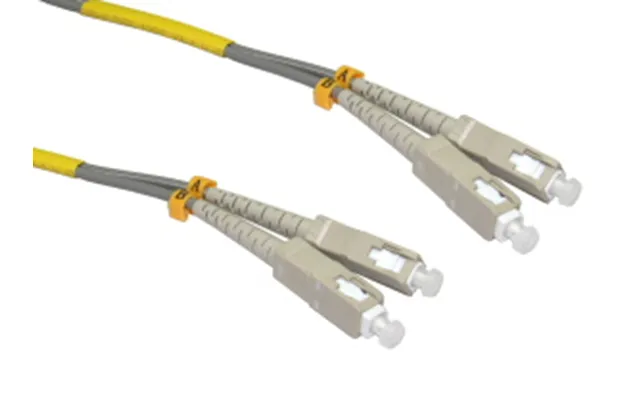
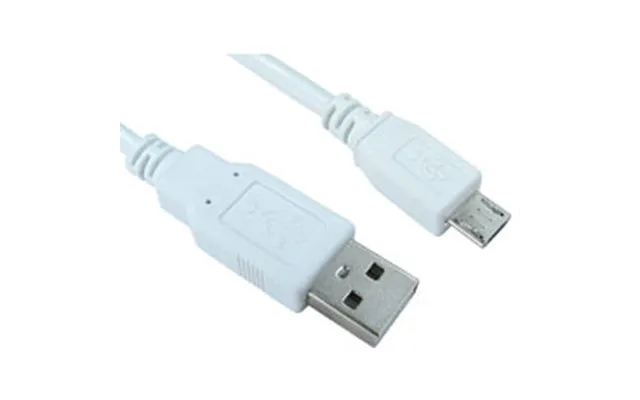
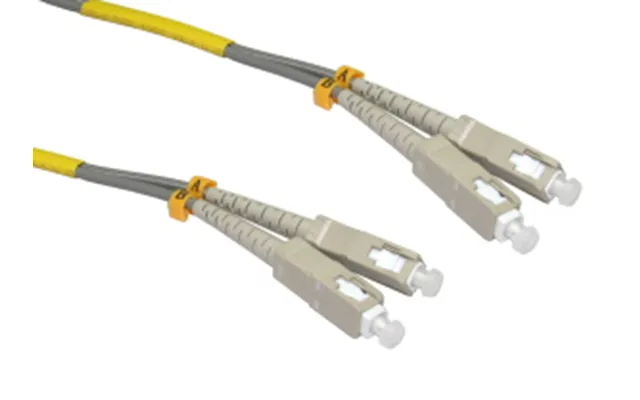
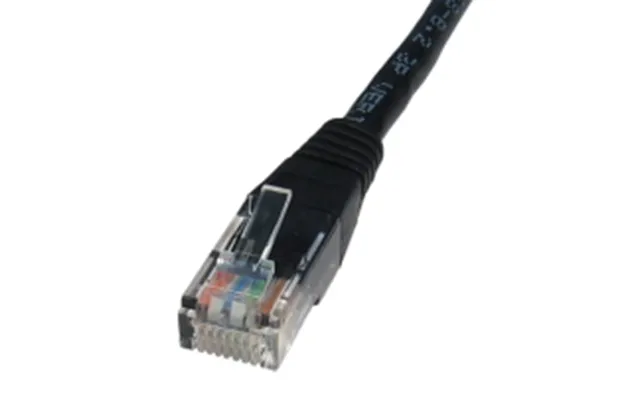
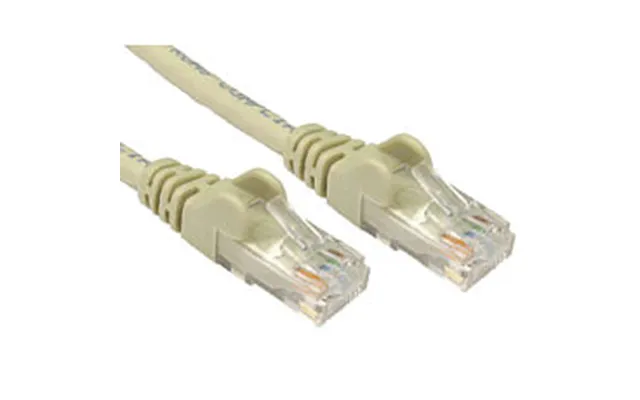
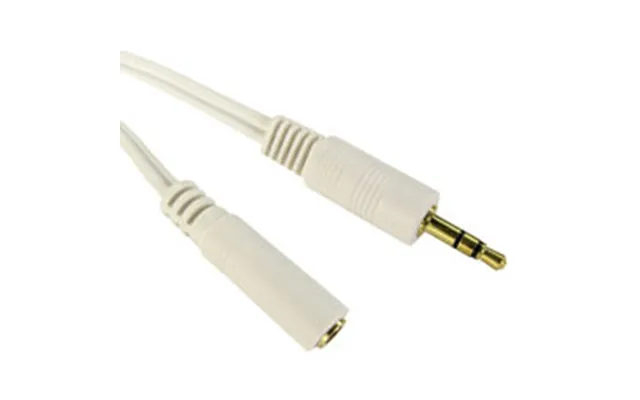
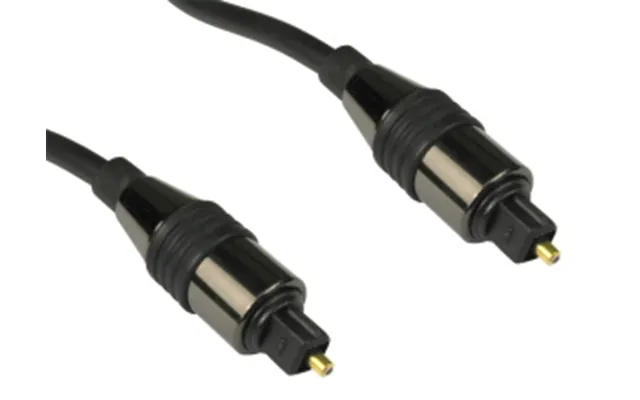
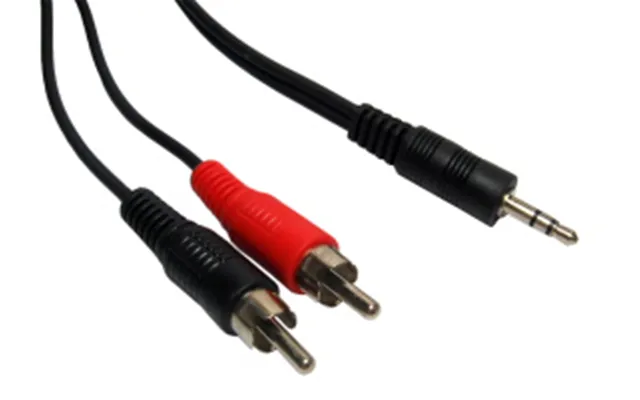
Expect a wide array of essentials. From coaxial cables and HDMI leads to optical audio cables and bespoke lengths made to order, TV Cables aims to cover every connection need. They usually stock reputable brands as well as affordable own-label products, offering a choice for every budget.
One advantage of a niche store is the ability to source obscure parts: rare connectors, legacy adaptors, and specialist components for older AV setups. If you’re restoring vintage equipment or integrating a complex system, that’s invaluable. TV Cables tends to do well here because they focus on compatibility, not just the latest trends.
Most retailers split products into quality tiers: economy, mid-range, and premium. TV Cables usually mirrors this, helping customers balance price and performance. Many items also include warranties or satisfaction guarantees—small promises that help build long-term confidence.
How does TV Cables compare to big players like Currys, Amazon, or Maplin? Each has strengths and weaknesses. Big chains offer wide selection and quick returns, while general marketplaces provide price competition and ultra-fast delivery. But specialist shops like TV Cables shine in depth of knowledge, niche inventory, and tailored advice.
High street chains are convenient and offer trials or instore pickup. However, they often prioritize mainstream products, and their staff may not have deep AV expertise. For everyday items, they’re fine. For technical solutions and niche adaptors, TV Cables typically provides better product choices and more detailed support.
Amazon wins on convenience and price range. You can find almost any cable there, often cheaper and with fast shipping. The downside? Quality varies wildly and product descriptions can be confusing or misleading. With TV Cables, you get curated stocks and clearer advice—less guesswork when compatibility matters.
Maplin (when active) represented a middle ground: technical stock and some expertise, but at times uneven service. Today, other specialist chains and independent shops fill similar roles. TV Cables competes by offering reliable inventory, helpful content, and focused service tailored to TV and AV needs.
Trade suppliers and installer-only outlets serve professionals and often require accounts. TV Cables tends to bridge the gap: it caters to both DIYers and tradespeople. It offers retail accessibility with trade-level products, making it a good source for high-quality parts without the need for a business relationship.
Trade suppliers may beat TV Cables on bulk pricing. If you’re buying hundreds of meters of cable, they might be cheaper. But for most homeowners and small installers, TV Cables provides sensible prices and no-minimum orders. That flexibility is a strong selling point for occasional buyers.
Installers value reliable product availability and quick delivery. TV Cables often supports trade customers with account services, dedicated lines, or priority shipping. It might not match the scale of large trade distributors, but it compensates with specialist knowledge and a ready stock of useful items.
Customers usually praise specialist shops for clarity and helpfulness. Common feedback for TV Cables includes prompt deliveries, correct parts, and helpful staff. When things go wrong, the difference is how returns and exchanges are handled—specialist retailers tend to process issues faster and more fairly because they want repeat business.
Imagine you’ve bought the wrong connector. With a big retailer, you might face an opaque returns process. With a specialist like TV Cables, you can often get direct guidance to fix the problem or swap the part quickly. That human touch reduces frustration and saves time.
Online reviews tell part of the story. Positive comments often highlight product knowledge and accurate descriptions. Negative reviews, when they appear, tend to be about delivery delays or stock issues—problems any retailer can face. The overall pattern for specialist shops is steady, reliable service when supply chains hold up.
No business grows without hurdles. TV Cables faces competition from price-driven marketplaces, supply chain fluctuations, and changing technology standards. HDMI versions, streaming codecs, and connector formats evolve, forcing retailers to update stock and educational content constantly.
Technology moves fast. A cable spec that mattered three years ago might be obsolete today. TV Cables must balance stocking legacy parts for older equipment while investing in the latest standards like high bandwidth HDMI or 8K-capable leads. That juggling act demands good supplier relationships and clear, up-to-date product info.
Price wars can be brutal. Big marketplaces undercut prices on commodity items, squeezing margins for specialists. To survive, TV Cables leans into value-added services: expert advice, warranty support, bespoke cable assemblies, and curated product ranges that aren’t easy to mimic on a mass marketplace.
So, when should you choose TV Cables over a big chain or an online marketplace? If you need reliable, checked parts and clear technical guidance, TV Cables is a strong choice. If you want the cheapest mass-market cable and delivery the next day, a marketplace might win. It’s about matching needs: service and certainty versus low cost and speed.
If you’re building a new home cinema or re-running cables, the support and clarity from a specialist store can save hours and money. Avoiding the wrong purchase is often more valuable than a small upfront saving.
Installers may use TV Cables for convenience and specific parts, but larger projects still require trade suppliers for volume discounts. That said, for emergency parts, hard-to-find connectors, or bespoke assembly, TV Cables is a reliable stop-gap or partner.
Looking forward, specialist retailers like TV Cables will likely double down on expertise, fast tech updates, and personalised service. Expect more content—how-to guides, compatibility charts, and videos—to help customers make choices. They may also expand into services like cable assembly, on-site support, or partnerships with installers.
Another trend is sustainability: recyclable packaging, reducing waste, and offering durable products that last longer. Customers care about ethics now, and retailers who show responsibility will win loyalty. TV Cables can capitalize by offering greener products and clear disposal guidance.
Community engagement helps too. Forums, Q&A sessions, and social media tips build a loyal following. When people feel part of a helpful community, they return—and they bring friends.
If you want clear connectors, reliable advice, and a store that understands the quirks of AV kit, TV Cables and shops like it remain valuable. They turn the tangle of wires behind your TV into something manageable.