


NOMO price list
Last updated Monday, 19 Oct 2026




| Store | Status | today | distance |
|---|
Loading...
Loading...
Last updated Monday, 19 Oct 2026
NOMO has become one of the best-known names in the UK’s free-from chocolate market. Its name comes from “No Missing Out”, a simple promise that sums up the brand’s purpose. NOMO makes chocolate for people who cannot, or choose not to, eat dairy, while still aiming to deliver the familiar pleasure of a classic chocolate bar.
That idea matters because chocolate has traditionally been built around milk. Walk into almost any supermarket and you will see shelves filled with milk chocolate, cream-filled truffles and chocolate products containing milk powder. For people with a dairy allergy, a vegan lifestyle or certain dietary restrictions, the choice used to be narrow. NOMO entered the market to change that experience.
The brand is part of Kinnerton Confectionery, a major UK chocolate manufacturer known for producing free-from and seasonal chocolate products. Rather than presenting vegan chocolate as a specialist product for a small audience, NOMO helped position it as an everyday treat. You do not need to follow a particular diet to enjoy it. You simply need to fancy chocolate.
NOMO launched in the United Kingdom in 2019. Its arrival reflected a major shift in the way British shoppers thought about food. Vegan products were becoming more common, plant-based diets were moving into the mainstream and consumers were reading ingredient labels more carefully than ever.
Yet the chocolate aisle still had a problem. Many dairy-free products were aimed at a specialist audience and could feel like a compromise. Some were expensive. Others had a dry texture, a bitter taste or limited availability. NOMO was created to offer a smoother, more familiar alternative.
The brand’s development was supported by Kinnerton’s experience in chocolate manufacturing. This gave NOMO access to large-scale production, food safety knowledge and established retail connections. That background helped the brand move quickly from a new idea to a product range available in major UK supermarkets and online stores.
Its timing was important. By 2019, veganism was no longer viewed as a fringe movement. Supermarkets were expanding their plant-based ranges, restaurants were adding vegan menus and shoppers were becoming more curious about dairy-free food. NOMO stepped into this growing space with a message that was easy to understand: enjoying chocolate should not mean missing out.
A brand name can do a lot of work, and NOMO’s name explains its purpose in two short words. “No Missing Out” speaks directly to the frustration many consumers feel when a favourite treat contains an ingredient they cannot eat.
The name also makes the products feel welcoming. NOMO is not only for people who identify as vegan. It is suitable for shoppers with dairy allergies, families looking for free-from options, and anyone who wants to try a plant-based chocolate bar. That broad appeal has helped the brand reach beyond the traditional free-from aisle.
There is a clever emotional idea behind the name, too. Chocolate is often linked with sharing, celebrations and small moments of comfort. NOMO suggests that dietary needs should not exclude anyone from those moments. A birthday, Easter hunt or Christmas stocking can still include chocolate for everyone at the table.
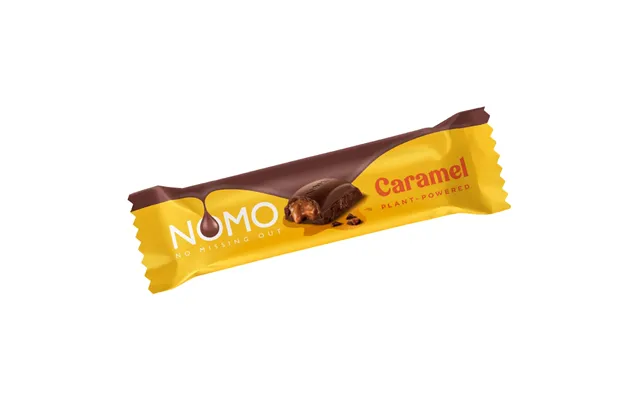
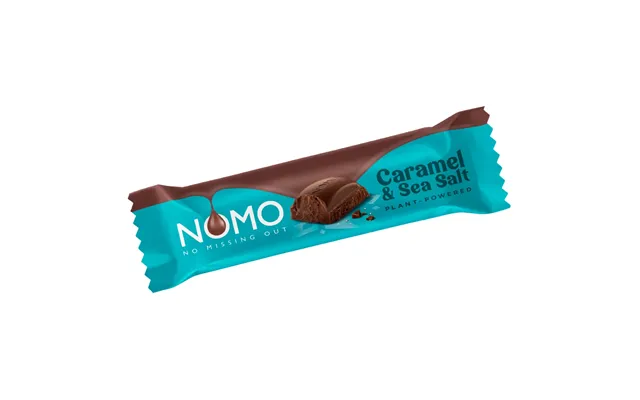
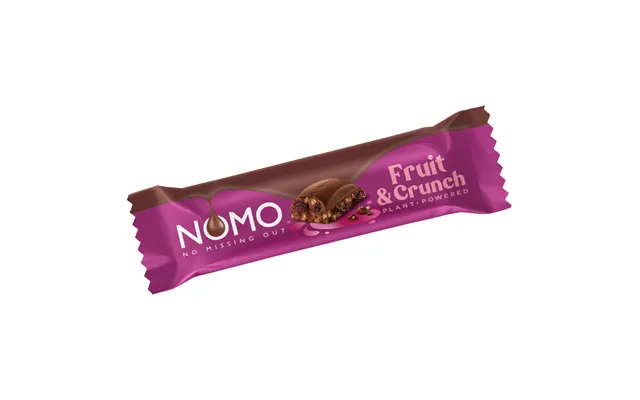
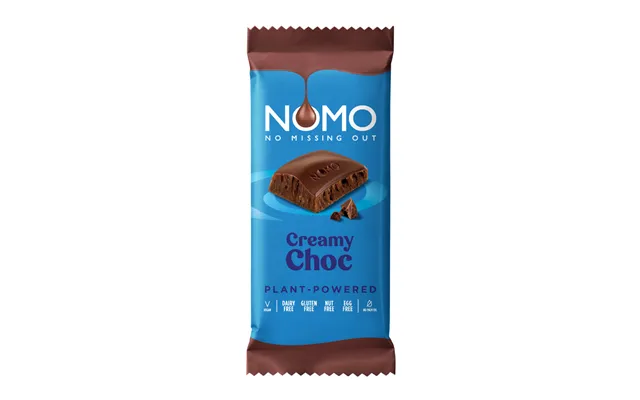
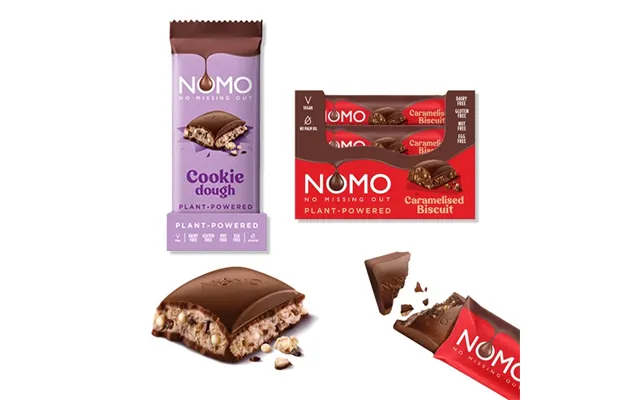
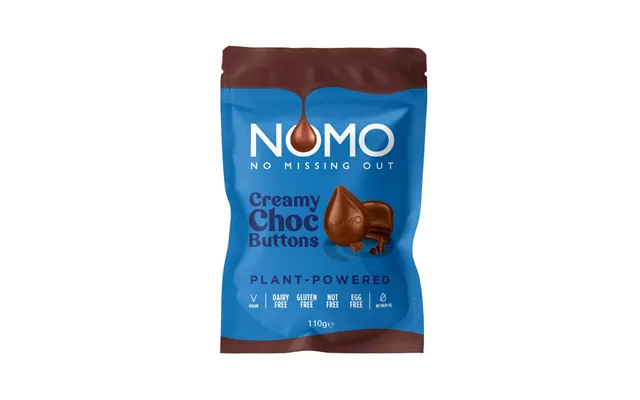
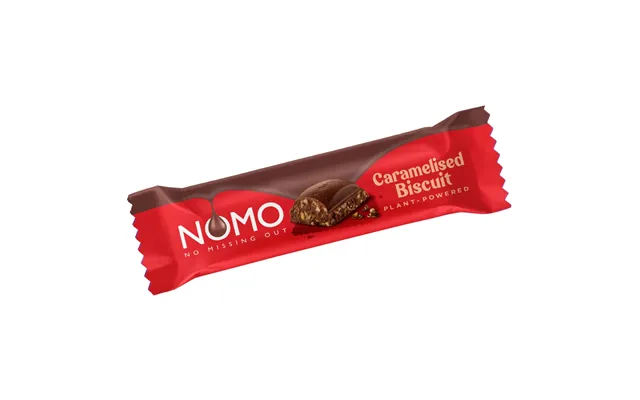
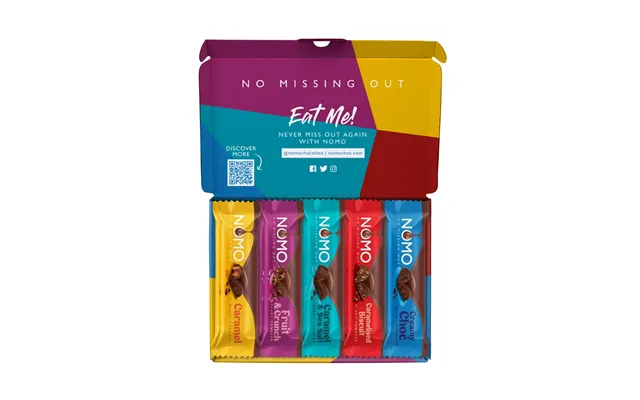
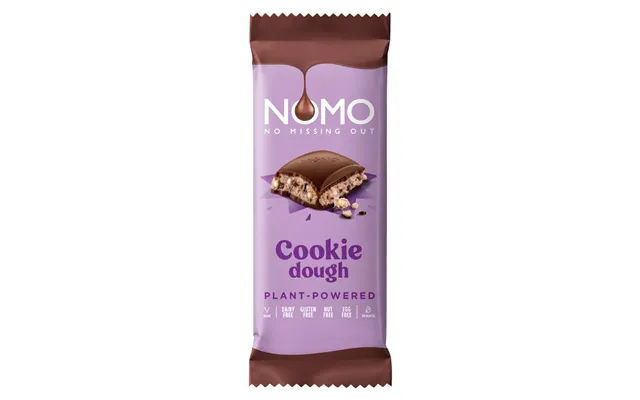
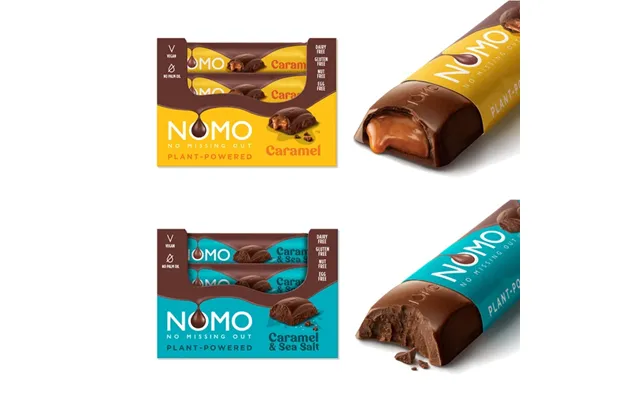
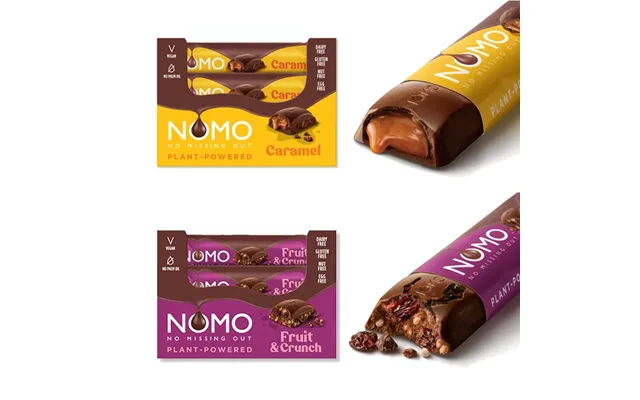
NOMO did not rely on one bar alone. Over time, it developed a broader range designed to cover different chocolate occasions. Its products have included creamy bars, fruit and crunch combinations, sharing blocks, buttons, snack-sized pieces and seasonal treats.
This range-building approach is important in the confectionery market. A single product might attract attention, but a complete portfolio gives shoppers more reasons to return. Someone may first discover NOMO through a classic chocolate bar, then try buttons for a child, a sharing block for a film night or an Easter egg for a family celebration.
The brand has also used familiar formats. This is a smart move. Shoppers often want the taste and texture of ordinary chocolate, but in a version that matches their dietary choices. A recognisable bar shape, colourful packaging and simple product descriptions reduce the sense of risk.
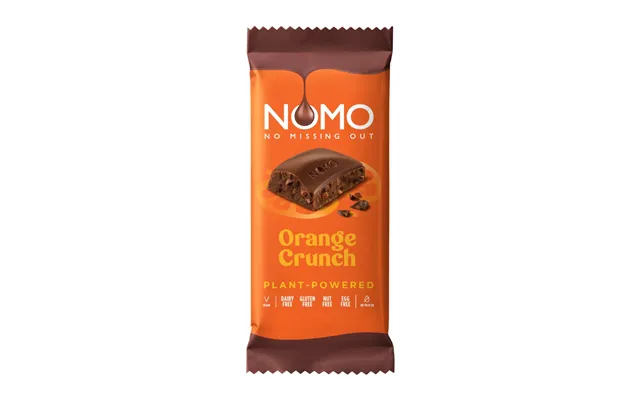
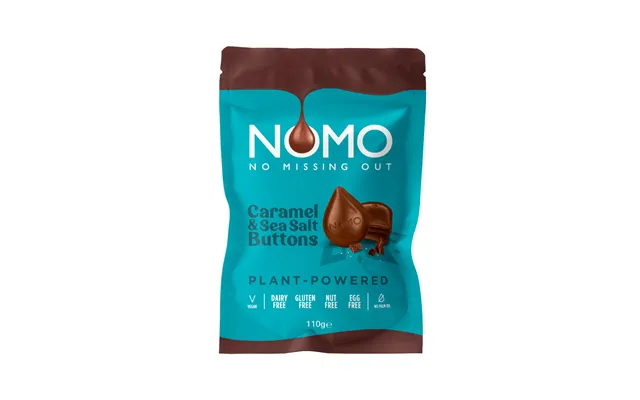
NOMO’s range has included products inspired by classic chocolate combinations. Fruit and crunch flavours add texture, while creamy bars focus on a smooth mouthfeel. Buttons and small pieces are easy to share, pack in a lunchbox or keep in a desk drawer for a quick treat.
Seasonal products are another important part of the brand. Easter eggs and Christmas confectionery help NOMO compete for attention during the busiest periods of the chocolate calendar. These products also solve a practical problem for families. When several people have different dietary requirements, one brand can provide a suitable treat for everyone.
Availability can vary by retailer and over time, so shoppers should check the current packaging and ingredient information before buying. Recipes and product lines can change. For people with serious allergies, it is especially important to review allergen statements instead of relying only on the brand name.
NOMO is best known for being dairy-free and vegan. Its products are designed without milk, and the brand has also promoted them as free from other common ingredients, including gluten and egg, depending on the product. This makes NOMO useful for people managing several dietary requirements at once.
However, “free from” does not mean that every product is automatically suitable for every allergy. Manufacturing sites handle many ingredients, and recipes can change. Anyone with a severe allergy should read the label carefully and contact the manufacturer if they need more information.
NOMO’s vegan positioning also reflects a wider change in consumer behaviour. Some people follow a fully vegan diet. Others are flexitarian, meaning they reduce animal products without removing them completely. A product like NOMO can appeal to both groups because it removes dairy without asking shoppers to give up the familiar chocolate experience.
The biggest challenge for dairy-free chocolate is texture. Milk chocolate is known for its soft melt and creamy finish. Recreating that experience with plant-based ingredients takes careful formulation. NOMO has focused on producing chocolate that feels indulgent rather than medicinal or overly worthy.
This is where the brand’s mainstream approach stands out. Instead of leading with complicated nutrition claims, NOMO leads with enjoyment. The packaging is bright, the flavours are approachable and the products sit comfortably beside conventional chocolate. The message is clear: this is still a treat.
That does not mean NOMO is identical to every milk chocolate product. Taste is personal, and plant-based chocolate can have its own character. Some people notice a different sweetness or a slightly different finish. Even so, the brand has helped raise expectations for what vegan chocolate can be.
NOMO became widely available through the UK grocery market. Shoppers can commonly find its products in supermarkets, online grocery stores, specialist free-from retailers and large e-commerce marketplaces. The exact range depends on the retailer, season and local stock.
This wide distribution has played a major role in the brand’s success. A specialist product that is difficult to find may remain a niche purchase. A product placed in a familiar supermarket aisle becomes part of everyday shopping. NOMO’s presence in mainstream retail has made dairy-free chocolate easier to discover without a special trip.
Price is another factor. Vegan and free-from chocolate can sometimes cost more than standard chocolate because of ingredients, production controls and lower volumes. As demand increases, competition can help improve value. Promotional offers also make it easier for shoppers to try new products without making a large commitment.
NOMO uses colourful packaging and direct language to stand out. In a crowded chocolate aisle, this matters. Shoppers often make quick decisions, so a product must communicate its key benefits at a glance.
The brand name is highly visible, while vegan and free-from information helps shoppers confirm that the product suits their needs. This balance is useful: the packaging does not make the chocolate look like a dull medical substitute, but it still provides the information that free-from consumers need.
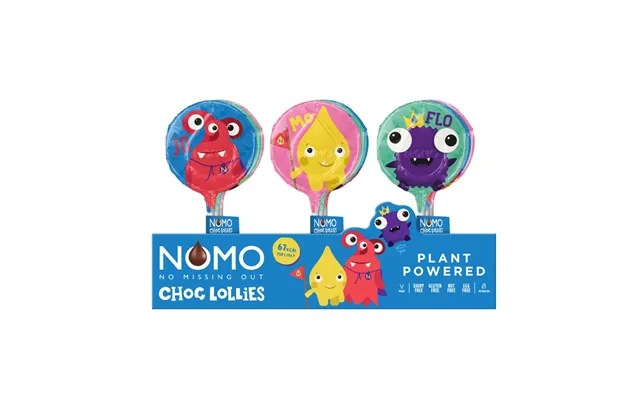
Packaging also helps NOMO appeal to families. A child may be attracted by the colours and shape of the product, while a parent checks the ingredients and allergen information. That combination supports both emotional appeal and practical decision-making.
Moo Free is one of NOMO’s closest competitors in the UK dairy-free chocolate market. Moo Free has built a strong reputation for vegan and free-from chocolate, particularly among families and consumers looking for products made without dairy. Like NOMO, it offers bars, buttons and seasonal chocolate.
The two brands share several qualities. Both focus on dairy-free chocolate, both use familiar formats and both have benefited from the growth of vegan shopping. They also compete for space in supermarkets and online stores, where shoppers may compare price, flavour, size and allergen information.
The difference often comes down to brand personality. Moo Free has a strong family-friendly identity and has long been associated with free-from chocolate. NOMO presents itself as a broad, mainstream treat brand with a particularly memorable “No Missing Out” message.
For shoppers, the choice may depend on texture and flavour rather than marketing alone. Some prefer Moo Free’s range, while others find NOMO closer to the style of conventional milk chocolate. Trying both is the simplest way to decide.
Buttermilk is another important name in the UK plant-based confectionery market. The brand offers vegan chocolate bars, cups and other indulgent treats. Its products often focus on rich flavour combinations, such as peanut, caramel or biscuit-inspired recipes.
Compared with NOMO, Buttermilk can feel more like a premium or gift-oriented brand in parts of its range. Its products are often associated with bold flavours and a richer confectionery experience. NOMO, by contrast, has a strong everyday supermarket identity.
Both brands show how much the vegan chocolate market has expanded. The choice is no longer limited to plain dairy-free bars. Consumers can now select from snack bars, sharing products and more luxurious treats. NOMO tends to win on broad accessibility, while Buttermilk may appeal to shoppers seeking a more distinctive or indulgent flavour.
Rhythm 108 is known for organic and vegan chocolate products, including bars with fillings such as praline, hazelnut and coconut. Its branding often connects chocolate with organic ingredients and a more natural lifestyle.
NOMO and Rhythm 108 therefore occupy slightly different positions. NOMO focuses strongly on accessible free-from chocolate for everyday shoppers. Rhythm 108 often appeals to people who prioritise organic ingredients, premium recipes or a more sophisticated snack.
Neither approach is automatically better. It depends on what you want from the product. If you need an easy-to-find chocolate bar for a family treat, NOMO may be the practical choice. If you are searching for an organic vegan snack with a more complex filling, Rhythm 108 could be more suitable.
Hotel Chocolat is one of the UK’s best-known chocolate retailers, but its business has traditionally centred on premium chocolate rather than exclusively vegan or free-from products. The brand offers a wide range of gifts, truffles and seasonal collections, with presentation playing a major role.
NOMO competes differently. It is not mainly a luxury gift store. Its strength lies in everyday availability, clear dietary positioning and products that families can enjoy without spending premium gift-box prices.
Hotel Chocolat may be the natural choice for a special present or an elegant chocolate collection. NOMO is often more practical for a school-safe snack, a family cupboard or a vegan Easter treat. The two brands serve different shopping missions, although there can be overlap in seasonal and gift products.
NOMO’s success comes from several factors working together. First, it arrived at a time when demand for vegan and dairy-free products was rising. Second, it used the scale and manufacturing expertise of Kinnerton. Third, it presented vegan chocolate as enjoyable and normal rather than as a difficult compromise.
The brand also understands the power of inclusion. A family may have one vegan member, one child with a dairy allergy and several people who simply like chocolate. NOMO gives them a product they can share. That is a powerful idea in a market built around social moments.
Its simple name helps, too. “No Missing Out” is easy to remember and easy to explain. In a few words, it communicates the emotional benefit behind the product. Good branding is often like a shortcut: it takes a complicated reason to buy and makes it instantly clear.
British shoppers have become more interested in ingredients, ethical choices and food intolerances. They want better information, but they also want convenience. NOMO sits at that intersection. It offers a plant-based choice that can be found in familiar shops and enjoyed without complicated preparation.
Social media has also helped vegan chocolate brands grow. Product recommendations, recipe videos and seasonal gift guides can introduce shoppers to brands they may not notice on the shelf. A colourful chocolate bar is easy to share online, especially when it solves a clear problem for families and vegans.
The market remains competitive, though. New plant-based brands continue to appear, while established chocolate companies are launching their own vegan lines. NOMO must keep improving flavour, texture, packaging and value if it wants to remain a leading name.
The future looks promising for NOMO, but the brand cannot rely only on its early success. Consumers now expect vegan products to match conventional products in taste, texture and price. They also want clear sustainability information and responsible sourcing.
Innovation will likely remain important. New flavours, limited editions and seasonal products can keep the range fresh. Better packaging may also help the brand respond to concerns about waste. At the same time, keeping popular products available is essential. Shoppers quickly lose trust when a favourite item disappears without warning.
NOMO may also benefit from the continued growth of “free-from” shopping. This market is no longer limited to people with diagnosed allergies. Many consumers choose dairy-free products because they prefer plant-based food, want variety or are reducing their consumption of animal products.
That broad audience gives NOMO room to grow. The brand has already helped make vegan chocolate more visible in the UK. Its next challenge is to make the products even more appealing while staying true to its central promise.
NOMO’s history is closely linked to the rise of vegan and free-from food in Britain. Launched in 2019 by Kinnerton, the brand entered a market ready for chocolate that included rather than excluded people. Its range of bars, buttons, sharing products and seasonal treats helped turn dairy-free chocolate into an ordinary supermarket choice.
Compared with Moo Free, Buttermilk, Rhythm 108 and larger premium names such as Hotel Chocolat, NOMO stands out for its accessible positioning and clear message. It combines the convenience of mainstream retail with the reassurance of vegan and free-from credentials. Most importantly, it treats chocolate as a pleasure first. That is why the idea behind “No Missing Out” continues to connect with UK shoppers.