

Baby Drinks price list
Last updated Tuesday, 27 Oct 2026





View 32 Offers

Loading...
Last updated Tuesday, 27 Oct 2026
When you hear “baby drinks,” it’s easy to picture tiny bottles and sleepy night feeds, but the category is broader than that. It includes first infant formula, follow-on and growing-up milks, ready-to-feed cartons, baby-friendly water options, oral rehydration drinks for little tummies, and even diluted fruit drinks for older babies and toddlers. Why does that matter? Because what’s right at 2 weeks isn’t the same as what works at 20 months. Knowing the landscape helps you shop smarter, snag popular offers, and keep your little one happy, hydrated, and healthy.
Babies’ needs change fast. A newborn’s world revolves around breast milk or first infant formula, while an 8-month-old might be practicing with a trainer cup. By the toddler stage, you’re balancing milk intake with water and occasional diluted fruit drinks. The trick is matching the drink to the developmental moment—and keeping an eye on deals so your budget can keep up with your baby’s appetite. Let’s walk through the main types and when they fit best, with practical pointers for grabbing value without compromising on safety or nutrition.
First infant formula is designed to be a baby’s primary milk if you’re not breastfeeding or are combination feeding. It typically comes as powder or ready-to-feed liquid. Powder gives you affordability and flexibility; liquid gives you convenience when time is tight. If you’re scanning popular offers, compare cost per ounce, check the use-by dates, and stick with the stage that aligns with your baby’s age unless a health professional advises otherwise. And remember: always follow the preparation guidelines on the specific product’s label.
Past about 6 months, some parents consider follow-on formula alongside a growing menu of solid foods. Growing-up milks can come into play in the toddler years if you choose to use them. These aren’t musts for every family, but they can be handy if your toddler’s diet is patchy or you want a milk that fits into your routine. Deals pop up frequently on these stages, especially in multipacks and larger cans. If you go this route, assess what you’re truly using weekly so you don’t overbuy and waste product.
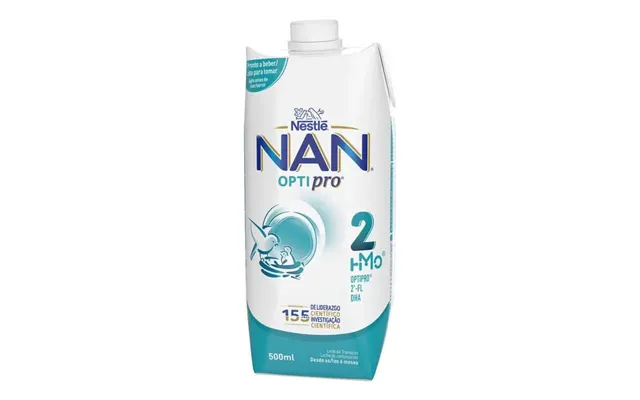
Ready-to-feed wins for convenience—no mixing, fewer steps during night feeds, and fewer variables when traveling. It typically costs more per ounce, though. Powder is budget-friendly and easy to store in bulk, but it demands careful prep and hygiene. Many families blend the two: powder for home, ready-to-feed for nights and outings. When comparing prices, calculate the cost per ounce and the shelf life after opening—those details often flip the value equation.
Water seems simple, but with babies, details matter. For young infants, formula prep has specific temperature and hygiene considerations. For older babies and toddlers, plain water becomes a daily habit, ideally in a trainer or straw cup to protect those budding teeth. If you opt for bottled water occasionally, choose one with lower mineral content and avoid sparkling for babies. Keep it straightforward: clean water, clean bottles, and slow, steady sips throughout the day for little hydrators-in-training.
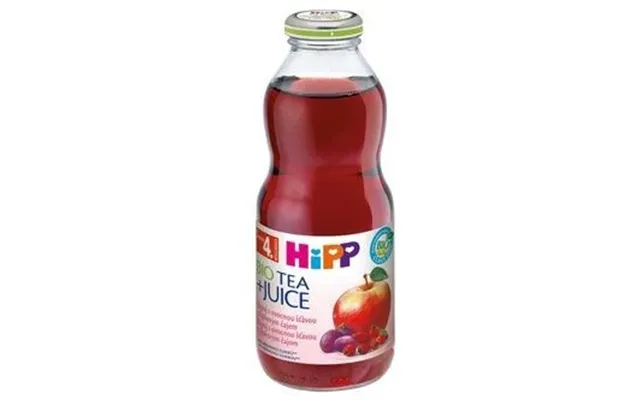
Not every “baby drink” belongs in an early-age bottle. Many fruit and veggie blends are geared toward toddlers, not newborns. If you offer them, aim for products with no added sugar, no artificial sweeteners, and a short, recognizable ingredient list. Think of these as occasional add-ons—not replacements for milk and water. You can always dilute fruit drinks with water to reduce sweetness and stick to small portions served in a cup rather than a bottle.
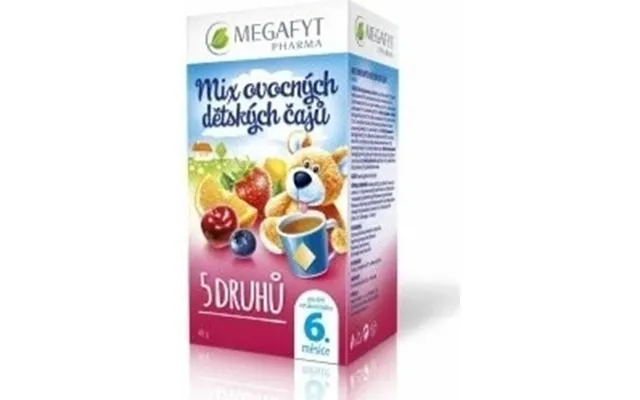
For older babies already eating solids, a small, diluted fruit drink can be a helpful hydration boost during warm weather or post-activity. It’s also a handy flavor bridge if your toddler is becoming picky. Look for single-serve cartons or pouches when you’re on the go, and compare deals on multipacks for home. Just remember: the mainstays are still milk for younger babies and water for older ones. Fruit drinks live in the “sometimes” lane.
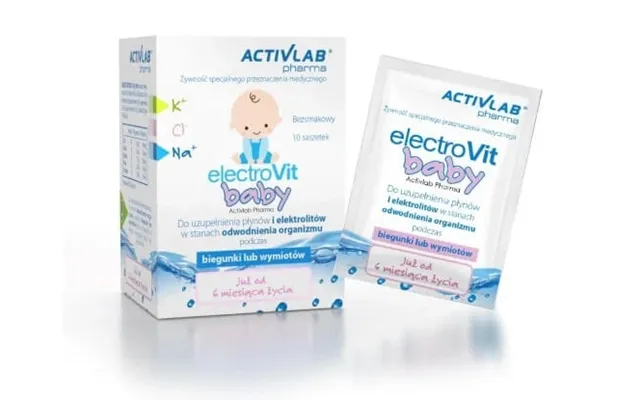
Scan labels like a detective. Watch for added sugars, syrups, artificial sweeteners, and unnecessary flavorings in products marketed to little ones. If you can’t pronounce half the ingredient list, you can probably find a cleaner option. For oral rehydration solutions, stick to reputable brands and follow dosing guidance carefully—these are for specific situations, not daily sipping. And for formulas, stick to age-appropriate stages unless your health professional recommends otherwise.
Every baby is different. Some do fine on standard formula, while others need specialty options. You’ll find blends designed for easy digestion, options marketed for reflux management, and formulas meant for babies with cow’s milk protein allergy or lactose intolerance. This is where advice from your midwife, health visitor, or pediatrician is golden. If you’re switching formulas, check for deals on small sizes first—trial-and-error gets expensive when you’re buying big cans.
Hypoallergenic (often extensively hydrolyzed) formulas and comfort variants target specific needs, typically under professional guidance. Lactose-free options are different again. When you browse popular offers, read the fine print: not every “gentle” formula is the same, and ingredients vary. If a product fits your baby, set alerts on price-comparison sites so you can stock up when discounts hit, but avoid overbuying since babies’ needs (and preferences) can change quickly.
Goat milk-based formulas and plant-based alternatives exist for families who prefer them or need alternatives. These are formulated to meet infant nutrition standards but differ in protein structures and added components. Availability and pricing can vary, and deals come and go. Always compare cost per ounce, scan the nutrient panel, and consider how easily you can find the product locally for emergencies. Consistency matters more than novelty when you’re feeding a baby daily.
The best drink won’t help if your baby rejects the delivery method. Bottle and teat shapes vary widely; some mimic breastfeeding flow, others prioritize anti-colic features. As your baby grows, cups become your best friend—trainer cups, straw cups, and open cup practice help protect teeth and encourage healthy habits. Keep the cleaning routine realistic, too. Fewer parts and dishwasher-safe gear can be lifesavers in the evening rush.
Anti-colic designs vent air to ease gassy tummies, and flow rates range from newborn to fast. Start slower and move up when feeds take too long or your baby seems frustrated. If you’re comparing deals, watch for bottle bundles and multi-teat packs—these often slash your per-item cost. And don’t forget to replace teats periodically; the material softens with use, and flow can speed up over time without you noticing.
Once solids are underway, introduce a small amount of water in a trainer or straw cup. Straw cups often encourage a gentler sip and support oral development. As for materials, BPA-free plastic and silicone dominate, with stainless-steel options offering durability. Keep cups simple at first; flashy features are fun, but a solid lid seal and easy-to-clean parts matter more day to day. Compare value packs to save on backup cups for daycare and car rides.
Baby drinks are a recurring cost, so little savings add up. Price-comparison sites like ZoneOffer let you scan popular offers across retailers quickly, so you can jump on deals before they disappear. Pay attention to unit pricing, the size of cans or cartons, and shipping costs. Promotions on ready-to-feed often differ from powder, and club-card or loyalty discounts can change the math. Quick rule: always check cost per ounce and the real-world convenience you gain.
Grab your phone’s calculator and divide price by total ounces. A 30-ounce can at $24.00 is $0.80 per ounce; a 22-ounce can at $18.50 is about $0.84 per ounce. That little gap looks small, but it compounds across weeks. Ready-to-feed cartons state ounces clearly; powder requires a quick check of the “makes approximately” conversion. Be sure you’re comparing like with like—prepared volume versus dry powder weights isn’t apples to apples.
Multi-buy deals and subscriptions can be great, but only if you’ll actually use what arrives. Babies grow fast and preferences shift. Before subscribing, track your weekly usage for two or three weeks. If you use about 30 ounces of dry powder a week, buying a 90-ounce multi-pack every three weeks makes sense. If your baby is reducing feeds, smaller, more frequent buys might save you from tossing expired cans.
You don’t need a nutrition degree to make a solid choice—you just need a simple checklist. For formulas, look at the carbohydrate source, fat blend, iron content, and whether the formula includes extras like DHA. For toddler drinks and juices, focus on “no added sugar,” short ingredient lists, and vitamin content appropriate for age. For water, keep it clean and plain. The fewer surprises on a label, the better.
Carbs in infant formula often come from lactose, which babies are naturally geared to digest. Fat blends vary by brand, and the balance can affect taste and texture. In drinks for older babies and toddlers, avoid added sugars and syrups—young taste buds learn fast, and sweeter drinks can “train” preferences. If a drink is meant for hydration, water should be the hero, not sugar. Keep sweet flavors in the treat lane.
Many formulas include DHA and other nutrients to align with infant needs. Extras can be helpful, but they aren’t magic bullets. It’s the overall pattern—milk or formula, balanced solids, and water—that supports growth. When you spot a premium price tag, check whether the added ingredients justify the cost for your family. Sometimes a well-priced standard option fits your baby just as well.
Great deals mean little if a feed gets wasted or, worse, becomes unsafe. Good hygiene, correct water temperature, and sensible storage rules are your everyday anchors. Start clean, measure carefully, and respect time limits. For outings, plan your portions, pack backups, and keep feeds at a safe temperature. A little prep leads to a lot less stress when you’re managing naps, feeds, and errands all at once.
Follow the instructions on your specific formula, including the recommended water temperature. Many guidelines emphasize using water hot enough to reduce bacterial risk—commonly at least 158°F—then allowing the feed to cool. Measure water first, then add the correct number of level scoops. Shake or swirl until fully dissolved, and test the temperature on your wrist before feeding. If the timing or steps feel overwhelming at night, keep ready-to-feed on hand for a smoother routine.
Prepared formula can often be stored in the refrigerator for a limited time—commonly up to 24 hours—while an opened ready-to-feed carton may have a shorter or longer window, depending on the label. Once feeding starts, most bottles should be used within about 1 hour. Avoid freezing formula; it can separate and clump. For travel, pack sterilized bottles, measured powder in a dispenser, and sealed water per your product’s guidance. Insulated bags and ice packs are your friends for keeping things safe and cool.
Eco-minded and budget-savvy can go hand in hand. Powder uses less packaging per ounce than individual cartons, and buying slightly larger sizes often trims cost per ounce. Reusable bottles, durable cups, and long-lasting brushes cut waste and cost. If you prefer organic or palm-oil-free products, watch seasonal promotions and set alerts on comparison tools—premium lines run promotions too, and timing your buy can make a big difference.
Organic formulas and drinks appeal to families prioritizing specific farming and ingredient standards. Palm-oil-free formulas are another niche preference. Expect to pay a premium and to see fewer mega-deals, but don’t assume they never discount. Compare across sizes, check per-ounce pricing, and balance your values with your budget. A product that fits your priorities and your wallet is the sweet spot you’ll stick with.
Big discounts are tempting, but freshness matters. Check expiration dates and rotate your stock—new cans go to the back so you use older ones first. If your baby is poised to change stages, don’t lock yourself into a towering stack of stage-specific cans. For drinks like toddler juices, only buy what you’ll use in a couple of weeks. The best deal is the one you actually finish.
Sometimes the best way to choose is to picture a day in your life. Are you juggling daycare drop-offs? Traveling? Nursing at night and topping up with formula? Different moments call for different formats. Keep a small “toolkit” of go-tos: a trusted powder for home, a couple of ready-to-feed cartons for emergencies, a trainer cup your toddler actually loves, and a backup plan for days when nothing goes to plan. Flexibility is the real parent hack.
When sleep is scarce, simplicity rules. Many parents keep pre-measured powder and sterilized bottles ready, or lean on ready-to-feed to cut steps at 3 a.m. If you see a popular offer on single-serve ready-to-feed bottles, grab a pack for those zombie-hour feeds. Comfort counts—and so does safe prep when you’re bleary-eyed—so choose the path that keeps both of you calmer.
For daycare, ask how they prefer bottles labeled and stored, then match your gear to their routine. For travel, ready-to-feed cartons are clutch—no mixing on the move. Pack extra teats, a spare cup, and wipes for inevitable spills. When browsing deals, look for value packs of small cartons; they’re portable, portioned, and often discounted when you buy multiples.
If your toddler is anti-water, try a fun straw cup, chilled water, or a splash of fruit drink diluted heavily with water. Offer small sips often, and model it yourself—kids are master imitators. If you buy toddler drink multipacks on offer, keep variety minimal until you know what your child actually likes. A cupboard full of rejected flavors is money parked on a shelf.
Ever see a “was $X, now $Y” tag that looks too good to be true? It might be. Cross-check prices on a comparison site, confirm the pack size, and calculate cost per ounce. Scan the fine print for “selected varieties” or “new customer only” restrictions. If the deal requires a subscription, set a reminder before the next billing cycle. Smart shopping is less about chasing every red sticker and more about consistency and clarity.
Myth one: pricier always means better. Not necessarily—some excellent, widely trusted formulas and toddler drinks compete on price. Myth two: more additives equals more nutrition. Not always; quality basics often beat flashy extras. Myth three: one perfect bottle or cup exists. In reality, babies have preferences. Test a couple, then stick with the winner. Your sanity (and your wallet) will thank you.
If your baby has persistent tummy troubles, suspected allergies, or feeding issues, check in with your midwife, health visitor, or pediatrician. They can guide you on formula types, potential sensitivities, and safe hydration strategies. Once you’ve got that guidance, use price-comparison tools to find the best offers on approved products. The goal is confident choices—health first, savings second, and convenience close behind.
Baby drinks cover a lot of ground—from first infant formula to toddler-friendly cups and occasional fruit drinks. The winning strategy blends safety, stage-appropriate choices, and savvy shopping. Compare cost per ounce, watch for popular offers, and keep formats flexible so your routine runs smoothly at home and on the go. Keep labels simple, storage safe, and your baby’s stage front and center. With those habits in place, you’ll spend less, stress less, and keep your little one well-fed and well-hydrated day after day.