
Livestock Halters price list
Last updated Sunday, 27 Sept 2026
| Livestock Halters | Price |
|---|---|
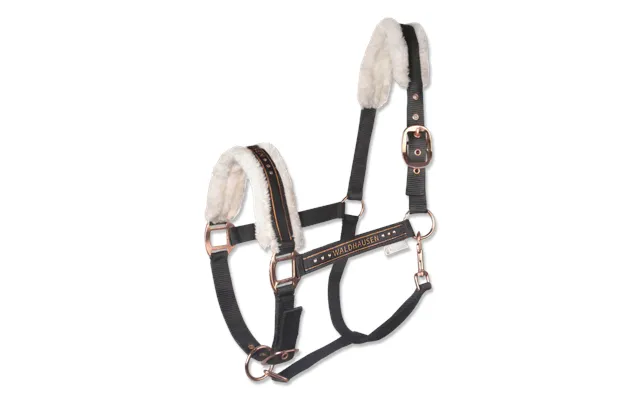
| Waldhausen Elegant Halter - Black Rose X Full | £19.95 |





Loading...
Last updated Sunday, 27 Sept 2026
| Livestock Halters | Price |
|---|---|
| Waldhausen Elegant Halter - Black Rose X Full | £19.95 |
If you handle cattle, sheep, goats, or other stock, a dependable halter isn’t just handy—it’s essential. The right halter gives you calm, confident control when leading, loading, showing, or doing routine health checks. The wrong one? It can rub, slip, or snap at the worst time. Whether you’re equipping a smallholding or managing a busy yard, this guide walks you through the best livestock halters, how to size and fit them, and how to compare offers in the UK so you get quality without overspending.
Think of a halter as a gentle steering wheel for your animal’s head. It sits around the nose and behind the ears, spreading pressure safely so you can guide without a fight. Unlike a collar, a halter offers more precise control, helping you lead, tie, and train with less stress. The trick is picking a model that matches your species, your daily tasks, and your handling style. Prefer a soft training touch? There’s a halter for that. Need a polished look for the show ring? You’ve got options there too.
Most halters include a noseband, cheekpieces, throatlatch, and crownpiece, with metal hardware for adjustment and a ring to attach your lead. Rope halters are formed from a single length with strategically placed knots, while webbing or leather halters use stitched straps. The small details—like buckle quality, the smoothness of the rings, or the placement of a snap—can make a big difference in day-to-day comfort and safety.
Halters come in several styles, each with pros and cons for training, everyday chores, or showing. Below, you’ll find the common types you’ll see when comparing products and prices in the UK.
Rope halters are lightweight, strong, and responsive. The knots apply focused pressure at key points, which helps with training and precise cues. They’re fantastic for groundwork and halter-breaking, and they pack easily into a pocket or tack box. On the flip side, they usually aren’t designed for tying hard, and the thinner rope can be too sharp for tender-skinned animals if misused. If you want sensitivity and clear communication, rope halters are hard to beat—but use a calm hand.
Nylon halters are the everyday workhorses. They’re durable, colorfast, and easy to clean. You’ll often find them with adjustable crownpieces and nosebands, making it simpler to dial in the fit. Nylon won’t stretch like leather, which can be good for consistency but a drawback if the animal pulls back. Look for smooth, welded rings and robust stitching. For farm chores, grooming, or turnout in supervised settings, a solid nylon halter is a practical, budget-friendly choice.
Leather brings classic looks and a degree of natural “give,” which many handlers feel is safer if an animal panics. Leather can break under extreme pressure, acting as a built-in safety feature. It also looks fantastic in the show ring. The trade-off? Leather needs routine cleaning and conditioning, and the upfront cost is higher. If you want longevity, safety, and a premium feel, leather is worth the investment—especially for cattle and show animals.
Breakaway halters use a leather crown or a breakaway fuse to release under high load. They’re designed to minimize injury if an animal gets caught. These are popular for turnout, transport, and any scenario where a snag is possible. If you turn out in a halter or tie frequently, consider a safety feature. It’s a small tweak that can prevent a big accident.
Show halters focus on presentation and refined control. For cattle, you’ll see leather or premium synthetic models with elegant hardware and sometimes a short chain under the chin for fine adjustments. For sheep and goats, neat, well-fitted designs in leather or soft webbing keep the head set correctly without irritating the face. If you’re prepping for the ring, choose a show halter that complements your animal’s head and highlights their best features.
Different livestock benefit from different designs. The best halter is the one that suits your animal’s build and your handling goals. Here’s a quick guide to narrow the field before you start comparing offers and specs.
For beef and dairy cattle, look for sturdy leather or heavy-duty nylon with wide nosebands. Show handlers often choose leather for looks and subtle control, sometimes paired with a short chain lead. Training young stock? A well-tied rope halter can help reinforce cues without constant pressure. Prioritize strong hardware, smooth rings, and a crownpiece that adjusts cleanly in small increments for a snug, stable fit.
Sheep have delicate noses and wool to consider. Soft webbing or leather with smooth edges is ideal, and a rope halter with gentle knots can work for training if you’re experienced. Make sure the noseband sits high enough to avoid restricting breathing yet secure enough to prevent sliding. If you’re shearing, lambing, or showing, go for a clean, trim design that’s easy to remove and won’t tangle in fleece.
Goats are clever and agile—translation: escape artists. Choose a halter that resists twisting and slipping, with multiple adjustment points. A narrow, shaped noseband helps keep the halter in place, and a lightweight rope halter can be excellent for training. Watch for rubbing on bony faces; a padded nosepiece can prevent chafing when you’re doing frequent handling or long walks.
Camelids require halters designed for their unique head shape and sensitive noses. Specialized alpaca or llama halters place pressure safely and avoid dropping low on the soft tissues. Don’t use generic horse or cattle halters—they can cause breathing issues. Look for models with slim, adjustable nosebands and gentle materials that won’t irritate the fiber or skin.
A great halter feels like it was made for your animal. Luckily, you don’t need a tailor—just a soft tape, a few reference points, and a keen eye for fit. Sizing varies by brand, so always check the manufacturer’s chart before you buy, then fine-tune with adjustments.
Measure the circumference around the nose about 1 to 1.5 inches below the cheekbone. Then measure from just behind one ear, over the poll, to just behind the other ear for the crownpiece length. For species with finer heads, also note the distance from the corner of the mouth to the center of the noseband to avoid drop. When fitting, the noseband should sit about 1 inch below the cheekbone, snug but not tight—you should be able to slide two fingers under it. Nothing should chafe, shift, or press into the eye area.
Two halters can look the same in photos yet perform very differently in the yard. The difference is often hidden in the hardware and materials. If you want longevity and safety, this is where to pay attention—especially when comparing price lists and specs online.
Opt for brass or stainless steel hardware where possible; both resist rust and provide smooth action. Welded rings are stronger than bent wire. Quick-release snaps on the throatlatch save time, but they must be reliable—cheap snaps can stick or fail. For animals that lean on pressure, heavier-duty buckles are worth the upgrade.
Padding along the nose and crown reduces rubs during longer sessions. Smooth, rolled edges on leather and soft bindings on nylon help prevent chafing. For sensitive species or young stock, these comfort features can make training sessions calmer and more productive.
If you lead at dawn or dusk, reflective stitching or high-vis colors can be a smart safety add. It’s a small touch that increases visibility around vehicles or on shared farm tracks. Many nylon models offer reflective trims without a big price jump.
A halter is only as good as your handling. The goal is trust and clarity—clear signals, consistent expectations, and zero drama. With the right approach, even a headstrong animal can become a polite partner.
Start in a quiet pen. Introduce the halter gently, rewarding calm curiosity. Place it, remove it, repeat until it’s no big deal. Attach a lead, then teach “give to pressure”: a light pull, then immediate release the moment the animal steps or turns toward you. Short, frequent sessions beat marathon battles. Keep your body language relaxed, and never yank—steady, consistent pressure teaches faster and safer than force.
Do use a quick-release knot when tying. Do stand to the side, not directly in front. Don’t leave a non-breakaway halter on during unsupervised turnout. Don’t tie with a rope halter unless you’re experienced and confident in your setup. If an animal panics, stay calm, give space, and avoid wrapping a lead around your hand—use gloves and keep the tail of the rope free.
Good maintenance stretches your budget and keeps animals comfortable. A minute here and there pays off in years of reliable service. Build these routines into grooming or after-work checks, and you’ll catch wear before it becomes a hazard.
For nylon and rope, dunk in a bucket with mild soap, scrub gently with a soft brush, and rinse thoroughly. Hang to dry out of direct sun. Avoid harsh chemicals that stiffen fibers or weaken stitching. Some handlers stash a spare halter and rotate them—use one while the other dries.
Wipe off sweat and grime after use, clean with a leather cleaner, then condition lightly to keep it supple. Replace stretched or cracked parts. Leather that’s cared for ages beautifully, but neglected leather can fail under load. Check stitching and hardware every time you clean.
Hang halters in a dry, ventilated area. Before every session, check for frayed webbing, loose knots, cracked leather, bent rings, or sticky snaps. If something looks questionable, replace it. It’s cheaper than a vet bill or a ruined training session.
Prices vary widely depending on material, hardware, and brand reputation. The good news? You don’t have to overspend to get a reliable halter. But for high-stakes handling or show-ring polish, a premium model often returns the favor in safety and longevity.
Upgrade for: daily use with large animals, show presentation, training high-energy stock, or any scenario with higher risk. Premium leather, solid brass hardware, and reinforced stitching aren’t just fancy—they’re functional. If you’re comparing a few short-listed models, weigh the replacement cost over time. One premium halter that lasts for years can beat two or three budget replacements.
Before you buy, compare deals across retailers using a trusted comparison site. You’ll see the breadth of options, from basic nylon to artisan leather, along with current promotional prices. Check specs carefully—hardware type, adjustability, and included lead ropes—so you’re comparing like for like. Seasonal sales on farm gear can be especially strong, and you can snag quality at a budget-friendly price if you watch for them.
A halter is only half the equation. Pair it with the right accessories and you’ll handle tasks faster, safer, and more comfortably—for both of you.
Choose a lead rope that’s 8 to 12 feet, with a comfortable feel and a strong snap. Cotton feels great in the hand, while poly blends resist mildew and wear. For show cattle, a short chain under the chin can fine-tune control—but use a soft hand. Keep a spare lead in your kit; they disappear at the worst time.
Invest in solid tie rings, quick-release ties, and safe anchor points at the right height. Never tie to flimsy fences or gates. A good tie setup transforms chores: you can groom, trim, or check feet without a wrestling match.
Consider grooming kits, ID tags or plates for halters, and reflective sleeves for low light. Training sticks and flagging aids can help reinforce cues at a distance when you’re working on leading manners or stand-still commands.
When presentation counts, every detail matters—fit, finish, and handling. A well-fitted leather or high-end synthetic halter with clean hardware gives a sharp profile. Practice at home with your show lead until cues are second nature. On show day, keep a polishing cloth and a backup halter in your bag. If something breaks, you won’t be left scrambling.
Wipe down leather with a light conditioner, remove dust from nylon with a damp cloth, and check every stitch. Adjust the noseband so it neither gapes nor pinches, and ensure the crown lies flat without digging. Confidence is contagious—if you look prepared, your animal will often mirror your calm.
Durability is green. A halter that lasts multiple seasons reduces waste and saves money. If you prefer leather, look for responsibly sourced hides and long-lived craftsmanship. For synthetics, seek robust stitching and hardware that won’t need replacing after a few hard weeks. Repair where possible—new crowns or nosebands can extend a halter’s life nicely.
Balance longevity with welfare. Soft, well-finished materials that avoid rubs improve daily comfort, which leads to better training outcomes. A comfortable animal learns faster and handles stress better—arguably the most ethical result of all.
Issues usually trace back to fit, handling, or hardware. Slide? Tighten the crown one hole, or try a shaped noseband. Rubs? Add padding or switch to smoother materials. Resistance? Revisit groundwork and reward the smallest try. Broken snaps? Upgrade to brass or stainless replacements. Tackle the root cause and you’ll fix most problems for good.
Minor frays, a stretched hole, or a cracked keeper can often be repaired. But if the webbing is deeply cut, leather is brittle through the strap, or rings have worn grooves, it’s time to retire the halter. If you’re on the fence, err on safety—hardware failures happen fast, and prevention is cheaper than regret.
The best livestock halter is the one that fits your animal, matches your handling style, and holds up to your daily routine. Rope halters shine for training, nylon is the rugged everyday pick, leather brings safety and polish, and breakaway designs protect when things go sideways. Measure in inches, fit thoughtfully, and maintain routinely. When you’re ready to buy, compare offers from multiple retailers through a reliable comparison platform so you snag the right model at the right price. Calm handling plus the right halter equals safer, smoother days in the yard.