

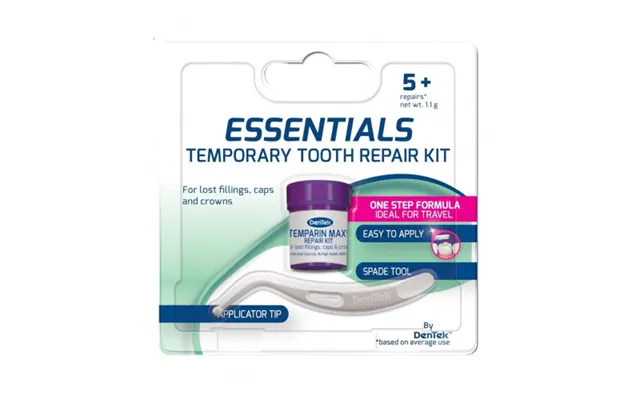
Dental Cement price list
Last updated Monday, 19 Oct 2026
| Dental Cement | Price |
|---|---|
| Dentek Essentials Temporary Tooth Repair Kit 1pcs | £7.01 |




Loading...
Last updated Monday, 19 Oct 2026
| Dental Cement | Price |
|---|---|
| Dentek Essentials Temporary Tooth Repair Kit 1pcs | £7.01 |
Dental cement is the quiet hero behind reliable crowns, bridges, inlays, onlays, veneers, and posts. Think of it as the mortar that locks a restoration exactly where you want it—while protecting the tooth underneath. The right cement improves retention, seals margins, reduces sensitivity, and preserves esthetics. The wrong one? It can trigger debonds, microleakage, or frustrating cleanup. If you’re watching popular offers and scanning a dental cement price list in the UK, it helps to know the main categories, what each one does best, and how to match them to your cases.
Permanent cements are built for the long haul, prioritizing strength, durable adhesion, and marginal seal. Temporary cements are designed to be secure yet removable, offering easy cleanout and less risk to pulpal health while you evaluate fit, function, or patient comfort. Temporary options can be eugenol-based for sedative effects or eugenol-free to preserve resin bonding later. Choosing between them is less about brand and more about your treatment stage, the restoration material, and how soon you plan to finalize the case.
Browse a few UK price lists and you’ll quickly spot patterns: resin cements dominate for esthetics and strength, RMGI (resin-modified glass ionomer) rules everyday crown and bridge jobs, GI (glass ionomer) holds its own with moisture tolerance and fluoride release, and zinc-based classics remain relevant as cost-effective workhorses. Temporary categories round out the mix for try-ins and provisional phases. Let’s break these down in plain language so you can compare like a pro.
Resin cements are your go-to for strength, low solubility, and esthetic control. Self-adhesive formulas streamline bonding by skipping separate primers, while full adhesive systems give maximum bond strength with more steps. They shine with ceramics, composite inlays/onlays, and veneers—where translucency, shade matching, and long-term stability matter. If you’re tackling low-retention or short prep scenarios, resin cements often deliver the extra grip that makes the difference.
RMGI cements blend GI chemistry with resin components for strength, fluoride release, and improved moisture tolerance. They’re user-friendly, forgiving in less-than-perfect isolation, and a staple for everyday full-coverage restorations like metal-ceramic or zirconia crowns. Many clinicians lean on RMGI when they want predictable results without the full rigmarole of a multi-step resin bonding protocol.
GI cements are simple, reliable, and valued for fluoride release and chemical adhesion to tooth structure. While not as strong as resin cements, they’re practical in cases where moisture control is tricky and esthetics are secondary. They’re a sensible pick for select crown and bridge indications, especially when you need a straightforward, cost-effective solution that plays nicely with dentin.
Zinc phosphate has stood the test of time for its compressive strength and thin film. Zinc polycarboxylate offers chemical bonding to tooth structure with less pulpal irritation than you might expect. While newer chemistries tend to overshadow these classics, both remain viable when budgets are tight or protocol simplicity is the priority. They’re also ideal benchmarks when comparing newer products on the price list.
Need solid provisional retention without the headache at removal? Temporary cements have you covered. ZOE (zinc oxide eugenol) offers a soothing effect that many clinicians appreciate, while eugenol-free options are safer if you plan to bond with resin later. The choice hinges on your restorative timeline and whether you want the sedative benefits of eugenol or the resin compatibility of eugenol-free alternates.
Restorations aren’t one-size-fits-all, and neither is cement selection. Let the procedure guide you. Consider the prep design, restoration material, esthetic demands, occlusion, and whether moisture isolation is realistic. Below are quick, practical guidelines grounded in everyday dentistry, so your selection becomes second nature when you review offers or build your order.
For full-coverage restorations, RMGI is a dependable daily driver—especially with zirconia and metal-ceramic. If retention is minimal or prep height is short, resin cements add muscle. When cementing multi-unit bridges, prioritize options with predictable cleanup and good radiopacity for straightforward post-op checks. If a patient’s moisture control challenges your ideal bonding conditions, RMGI keeps the process calm and controlled.
This is resin territory. Choose adhesive resin cements for maximum bond to etched ceramics and enamel. Self-adhesive resins can work for many inlay/onlay cases, but when esthetics and ultra-strong adhesion are critical—particularly with thin ceramics—go full adhesive for that long-term bond you can trust. Pick a shade system with try-in pastes for precise color control under highly translucent restorations.
For fiber posts, adhesive resin cements are popular for their bond to dentin and post materials. When working around implants, favor cements with dependable radiopacity and easy excess removal. Some clinicians prefer temporary or semi-permanent cements for retrievability on implant crowns; weigh the need for future access against the risk of decementation, and select accordingly.
Orthodontic workflows often lean on resin systems for brackets and GI or RMGI for bands. Moisture-tolerant chemistry counts here—especially if you’re placing bands quickly. Choose cements designed for the forces and cleanup realities of ortho. If you’re comparing offers, check whether the product is clearly indicated for orthodontic use to avoid surprises chairside.
Price matters—but not at the expense of performance. When you parse a dental cement price list, go beyond the headline number and weigh everyday realities: how the cement handles, how reliably it bonds, and how smoothly it cleans up. The best “deal” is the product that saves you time, reduces redos, and makes patients happier.
Adhesive resins set the bar for bond strength, while RMGI balances reliable hold with graceful handling under moisture. If you’re frequently working under less-than-ideal isolation, moisture-tolerant formulas minimize risk. For short preps, high-strength resin cements help offset limited mechanical retention. Choose chemistries that match your most common clinical conditions.
For veneers and esthetic partials, shade systems and translucency matter. Try-in pastes can preview final results without commitment. Radiopacity helps you spot excess cement quickly and verify margins on post-op radiographs, particularly around implants and subgingival areas. If you work with thin ceramics, opt for cements that won’t darken or desaturate the final look.
Chairside rhythm matters. A cement with a comfortable working window and predictable gel phase keeps you in control during cleanup. If you juggle multiple units, look for set times that won’t rush you—yet won’t keep the patient in the chair longer than needed. Automix delivery systems often make timing more consistent and less dependent on mixing technique.
How a cement is packaged affects speed, waste, and consistency. Your delivery choice can save minutes per appointment—and that adds up across a busy schedule. The right packaging also reduces variability between assistants and providers, which translates into fewer surprises mid-procedure.
Hand-mixed powders and liquids are cost-effective, but technique-sensitive. Automix syringes and dual-barrel cartridges improve consistency and reduce bubbles. If you’ve ever chased that perfect mix viscosity, automix can feel like flipping on cruise control—steady, predictable, and fast.
Capsules are all about convenience. Pop them into an applicator, triturate, and go. They’re especially handy when you want fast, reproducible mixes without guesswork. While capsules may look pricier on the surface, the time saved and reduced remakes can make the math work in your favor.
While you should always verify indications and instructions from the manufacturer, certain brand families appear frequently across UK deals and price lists. Below is a quick, non-exhaustive tour to help you navigate common names you’re likely to compare.
From self-adhesive options to adhesive resin systems, RelyX lines are known for strong bonds and streamlined workflows. If you want broad indications and familiar handling, you’ll find a RelyX variant that fits most restorative needs, from zirconia crowns to esthetic inlays.
GC’s FujiCEM represents RMGI convenience with dependable performance, while Ketac Cem helps cover GI indications. If you value fluoride release and moisture forgiveness, these lines are worth a close look across any dental cement price list.
Variolink offers an adhesive resin system with esthetic control, often favored for veneers and ceramic inlays. SpeedCEM provides a self-adhesive resin route for simpler workflows. Both aim to balance bond, esthetics, and handling in busy restorative schedules.
Panavia is a well-known adhesive resin family, often associated with reliable bonds to a range of substrates. If you routinely deal with short preps or non-retentive designs, it’s a line many clinicians consider for added security.
Kerr’s portfolio spans self-adhesive and adhesive resin solutions. Maxcem Elite targets simplicity; Nexus NX3 offers shade options and bonding flexibility. Clinicians who want resin performance without a steep learning curve often compare these in the same cart.
Calibra covers adhesive resin needs with esthetic choices, while TempBond NE (eugenol-free) helps with provisional phases when future resin bonding is planned. If your clinic alternates between definitive and temporary workflows, pairing lines like these simplifies stocking.
Great deals aren’t just about the lowest number. They’re about getting the right cement for your cases, reducing do-overs, and keeping chair time tight. Here are smart buying moves that pay off long after checkout.
Look past the upfront cost and calculate per-application value. Automix syringes may cost more than powders but reduce waste and save time. Capsules cut variability and speed up procedures—sometimes worth more than the few dollars saved with hand mixing.
Keep a small, well-curated inventory: an RMGI for daily crowns and bridges, an adhesive resin system for esthetic cases and short preps, a self-adhesive resin for streamlined workflows, plus a temporary cement in both eugenol and eugenol-free flavors. Add a couple of universal or popular veneer shades and you’re set for most scenarios.
Bundles can trim costs, but only if you’ll use everything before it expires. Check shelf life and rotate stock to avoid write-offs. If you see a compelling discount, consider splitting the order across multiple delivery styles (like syringes and capsules) that you know will get used.
No matter how good the deal is, technique still wins the day. Small refinements in prep, isolation, and cleanup can turn a reliable cement into a rock-solid one. These tips are quick to implement and pay ongoing dividends in fewer post-ops and re-cements.
Great bonds love clean, controlled fields. Use rubber dam or effective retraction and keep surfaces free of saliva and blood. Follow the material’s surface treatment recommendations—especially with ceramics and metals. Skipping or guessworking this step is like building a house on sand.
When shade matters, try-in pastes let you preview the final effect without committing. During cementation, wait for the gel phase to clean margins easily instead of smearing unset material. A consistent cleanup routine is a small habit that prevents big headaches later.
If the prep runs deep, consider liners or desensitizing primers as indicated by the manufacturer. Eugenol-based temporaries can help keep the pulp calm, but remember to switch to eugenol-free before resin bonding to avoid interference.
Even the best cement underperforms if it’s stored or handled poorly. Treat these materials like you would fine ingredients in a kitchen: control temperature, avoid light exposure when needed, and keep an eye on freshness. It’s the quiet discipline that supports predictable results.
Follow the label’s storage temperature range in Fahrenheit and avoid leaving light-sensitive cements exposed. Don’t store syringes where they bake near equipment vents or in direct sunlight. Stable conditions keep viscosity, working time, and strength where the manufacturer intended.
Put new stock behind old stock and check expiration dates regularly. If you’ve got capsules or syringes nearing their end date, plan cases that will use them efficiently. A little logistics goes a long way toward protecting your bottom line.
When you’re scanning popular offers across the UK, a comparison site lets you stack options side by side—chemistry, packaging, indications, and total value. Instead of bouncing between tabs and guessing at what’s truly a good deal, you see patterns in real time: which cements consistently discount, which bundles add value, and which delivery systems align with your workflow. That clarity helps you buy confidently—and spend your time where it counts: chairside.
The best dental cement for your practice balances chemistry, handling, esthetics, and price—without making you jump through hoops mid-procedure. Resin cements bring muscle and beauty to veneers, inlays, and short preps; RMGI offers dependable, moisture-tolerant simplicity for everyday crowns and bridges; GI and zinc-based classics remain practical and budget-friendly; and temporary cements keep provisional phases smooth and reversible. As you compare popular offers and study any dental cement price list in the UK, think beyond the price tag. Match the cement to the indication, pick packaging that fits your rhythm, and stock smart. Do that consistently, and every purchase becomes a quiet win—for your workflow, your patients, and your bottom line.