





All categories
Business & Offices
Electronics & Media
Fashion & Accessories
Groceries & Essentials
Health & Personal Care
Home & Living
Kids & Family
Sports & Outdoors
Search in ZoneOffer
Loading...
If you love pool, snooker, or carom, you already know that the right kit can turn a so-so session into something remarkable. Billiard cues and bridges are the unsung heroes of table sport — they’re like shoes for a runner or a bow for a violin. Get them right and your control, power, and confidence improve. Get them wrong and you’ll be blaming the table, not the tool. This guide focuses on cues and bridges available across the UK market, what to look for, which accessories matter, and how to compare offers like a pro using comparison sites rather than jumping straight to a single shop.
There are several cue types, each designed to solve a specific problem at the table. Thinking about what you need first — accuracy, power, or flair — helps a lot. The most common cues you’ll see are standard pool cues, snooker cues, break cues, jump cues, and modern carbon fiber cues. Each has its own feel, balance, and typical length. For example, most pool cues are about 58 inches long while snooker cues tend to be around 57 inches. Knowing those differences will guide your choice.
Standard pool cues are the everyday tool for 8-ball and 9-ball players. They usually weigh between 18 ounces and 21 ounces, come with wooden shafts or low-deflection shafts, and are built for consistent ball control across the table. If you’re playing on bar tables or standard home tables, a good 58-inch cue with a medium-hard tip is a safe pick.
Snooker cues are lighter and slightly shorter — typically about 57 inches — and they often have smaller tips around one-half inch in diameter. That narrower tip helps with the finer control snooker demands. If you’re moving between snooker and pool tables, you might want separate cues, or a cue with a smaller-diameter tip and a lighter weight.
Break cues and jump cues are specialized. A break cue is stiffer and often heavier toward the butt to maximize power at the break without warping. Jump cues are shorter and built to flex less and transfer energy quickly so the cue ball jumps when you need it to. You’ll see break cues at tournaments and jump cues in players’ racks where tight position play or safety shots require a quick escape.
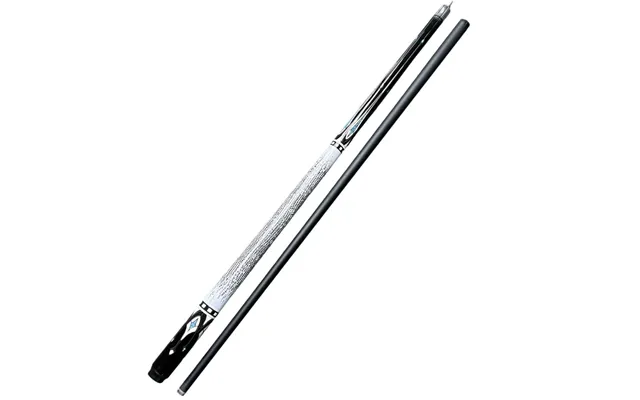
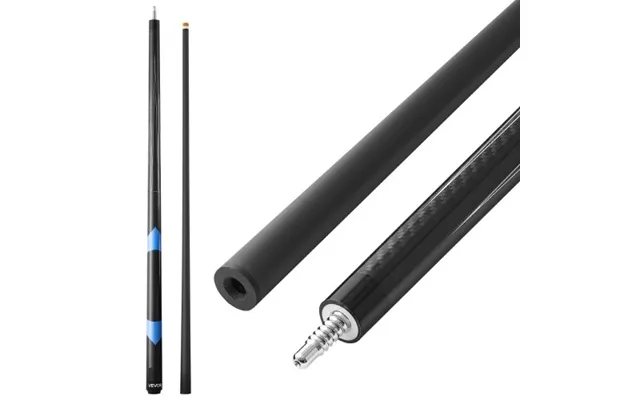
If you’re after a low-maintenance, stable shaft, carbon-fiber cues are worth a look. They resist warping from humidity, feel very consistent, and often come with low-deflection properties built in. They can be pricier, but if you travel with your kit or play in varied conditions, the stability is a real advantage.
Breaking down a cue into its components helps you pick a cue that matches your stroke. The shaft determines feel and deflection; the tip affects spin and response; the joint and weight system influence balance; and the finish affects grip. You don’t need to be an engineer to understand these — just focus on how each part affects your shot.
Traditional shafts are made of hardwood like maple, which offers a warm, natural feel. Low-deflection shafts (LDT) shift the contact point so your cue more accurately transmits spin into the ball, making shots with English more predictable. If you use side spin often, a low-deflection shaft can shave off a lot of guesswork.
Tip hardness ranges from soft to hard. Soft tips grab chalk and provide more bite for spin; hard tips are better for power and durability. Tip size matters too — typical pool tip sizes are about one-half inch in diameter, with snooker tips often slightly smaller. If you’re unsure, start with a medium tip and experiment.
Joints connect the shaft and butt. Metal joints give a crisp hit; wooden or composite joints can warm the feel. Many modern cues offer adjustable weight systems, letting you add or remove small weights in the butt to tune how the cue balances in your hand. A cue that feels balanced between your thumb and forefinger helps consistency.
Bridges help you position the cue when your hand can’t safely reach the shot. They let you execute long reaches and tricky cues with accuracy. Bridges are simple but powerful: a stable bridge delivers repeatable stroke lines and reduces unwanted wobble when you’re on the rail or reaching over obstacles on the table.
Standard wooden bridges are the old-school choice — nothing fancy, just reliability. Mechanical bridges are adjustable, with different head inserts that change cue elevation and stability. Spiders are a special kind of bridge used commonly in snooker and some trick shots to support the cue at a greater height or with unique angles. Knowing which to use comes down to the shot: use a simple bridge for straight shots and a mechanical or spider bridge for awkward, elevated, or extended shots.
Cue extensions clip onto the butt and extend your length by a foot or more, which is handy if you’re tall or playing on a big table and need more reach. Bridge heads — the part your cue rests on — come in different grooves or pads to reduce movement. Soft rubber pads reduce slip, while hard plastic gives a crisp feel. Try a few before you commit.
Cues and bridges are the stars, but accessories make the supporting cast that keeps your game in top shape. Think of chalk, a quality cue case, a glove, and maintenance tools as the daily vitamins for your equipment — small investments with big returns in consistency and lifespan.
Chalk improves cue-ball contact and reduces miscues. Choose a chalk that holds well to the tip and doesn’t flake too much. Gloves help if your bridge hand or stroke hand sweats — they create a consistent slide. A padded cue case protects your cue from knocks and climate changes; if you travel, a hard case is often worth the extra weight.
Simple tools like tip shapers, scuffers, and a small re-tipping kit will keep your cues performing. Scuffing the tip lightly improves chalk hold, and a periodic re-tip by a pro keeps shot response consistent. Keep a microfiber cloth and a small bottle of shaft cleaner in your bag for weekly upkeep.
Treat your cue like an athlete. Wipe down the shaft after each session, keep it in a vertical stand or a case when not in use, and avoid extreme temperatures and humidity swings which can warp wood cues. Regularly check the tip for flattening and the ferrule for buildup. These small habits save you from expensive repairs and keep the cue feel consistent from week to week.
Use a damp cloth (not soaking) with a mild cleaner designed for wood or composite. Dry it immediately and store the cue in a case. If your cue warps, a pro repair is often better than trying DIY fixes. For carbon-fiber cues, a quick wipe and cautious storage is usually enough since they’re less sensitive to humidity.
If your tip is mushrooming or you’re getting more miscues, it’s time for a re-tip. Joints that feel loose or shift under pressure should be checked by a technician. A cue can last decades with proper care, but parts like tips and ferrules are regular wear items and expected replacements.
Start with your style. Do you take smooth, controlled shots, or do you hit with power? If you’re a beginner, a versatile 58-inch, 19-ounce cue with a medium tip is a solid all-around choice. As your game improves, you’ll learn whether you want a lighter cue for finesse or a heavier one for breaking. Think of it like choosing tennis racquet tension: there’s a sweet spot, and finding it takes a few tests.
If possible, try cues in-store or borrow from friends. Swing the cue, feel the balance point, test a few rolls and follow-throughs. If you can’t try before buying, read specs carefully — shaft diameter, tip size, weight in ounces, and joint type give big clues about the feel.
Entry-level cues can start under £50 and perform fine for casual players. Mid-range cues in the £100–£300 area often deliver great balance and better materials. Premium cues — with exotic woods, custom inlays, or carbon-fiber shafts — can climb higher but aren’t necessary for most recreational players. Consider spending on the part of the cue that affects your game most: the shaft and tip.
Thanks to online marketplaces and specialist retailers, great deals are everywhere. Rather than buying impulsively, use a comparison site to check current offers from multiple sellers. Comparison sites list prices, compare specs, and sometimes show user reviews so you can see if a cue’s description matches real-world experience. Remember: the cheapest option isn’t always the best value if the cue needs frequent repairs or re-tipping.
Always compare specs: length in inches, weight in ounces, tip size, shaft material, and whether a case or bridge is included. Also check warranty length and whether a retailer offers local pro fitting or reshafting services. These extras can make a mid-price cue outperform a cheaper one over time.
Here’s a short checklist to take to the table or keep in your browser when comparing cues and bridges: 1) Length in inches and cue weight in ounces, 2) Shaft type (wood vs low-deflection vs carbon), 3) Tip size and hardness, 4) Included accessories (case, bridge, extension), 5) Return & warranty terms, and 6) Seller reputation and user reviews. Using this checklist helps you avoid buyer’s remorse and find the cue that fits your stroke.
If you’re upgrading from a basic house cue, pick a quality shaft first — it’ll change how English feels on the ball. Match a balanced 58-inch cue with a medium tip for all-around play. Add a mechanical bridge if you often play table-side or a spider bridge for snooker or tricky break positions. For travel or humid conditions, a carbon-fiber shaft offers consistency that’s worth the premium. And always pair your cue purchase with solid chalk and a padded case to protect the investment.
Choosing the right billiard cue and bridge is more than a purchase — it’s an upgrade to how you play and how your game feels. Whether you’re shopping for a reliable 58-inch pool cue, a precise 57-inch snooker cue, a stiff break cue, or a weather-proof carbon shaft, focus on balance, tip size, and shaft behavior. Take advantage of comparison sites to find offers across UK retailers, try before you buy when you can, and invest in maintenance gear to keep your cue performing. With the right tools and a little care, you’ll notice improvement in accuracy, power, and enjoyment at the table.
| Billiard Cues & Bridges | Price | |
|---|---|---|
| Carbon Fiber Pool Cue Set For Home And Bar - 12.5mm Tip Billiard Carbon Fiber Cue | £ 76,87 |

