

Disposable Serveware price list
Last updated Monday, 19 Oct 2026
| Disposable Serveware | Price |
|---|---|
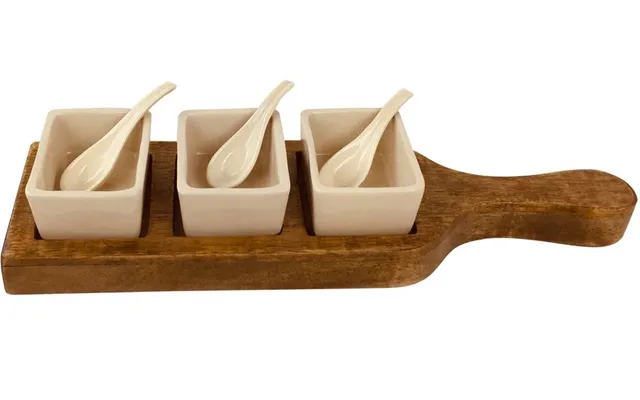
| Handcrafted Wooden Tray Set Dip Bowls & Spoons, Rustic Design - 36cm | £21.85 |





Loading...
Last updated Monday, 19 Oct 2026
| Disposable Serveware | Price |
|---|---|
| Handcrafted Wooden Tray Set Dip Bowls & Spoons, Rustic Design - 36cm | £21.85 |
Disposable serveware covers the unsung heroes of catering and food service: plates, bowls, cups, cutlery, trays, platters, napkins, and the takeaway gear that gets hot meals and iced drinks from counter to customer without a hitch. If you run a café, food truck, bakery, catering company, or you’re planning a wedding or fundraiser, you already know how vital these items are. The trick isn’t just buying them—it’s choosing the right types, sizes, and materials to suit your menu, your budget, and your values.
Could you wash and reuse everything? Sometimes yes. But when footfall spikes, staffing is tight, or hygiene is non-negotiable, disposables are a lifesaver. They keep queues moving, prevent cross-contamination, and cut cleanup to minutes. For outdoor events, festivals, office lunches, or pop-ups, they’re the difference between chaos and calm. The smart move is matching the serveware to the job—no more, no less—so you’re not overpaying for strength you don’t need or underestimating what your dishes demand.
Materials shape everything—how a plate feels in hand, how a lid fits, whether a cup sweats or softens, and how the item is disposed of. Paper plates and cups bring that classic look and are often lined for moisture resistance. Bagasse (sugarcane fiber) offers sturdy, compostable performance, great for heat and oily foods. PET and PP plastics deliver clarity and strength for cold drinks and deli items. Polystyrene still pops up in cutlery and foam clamshells, but many businesses now choose fiber or PP instead. Aluminium trays shine for baking, heat retention, and transport. Get the material right, and half your serveware problems vanish.
From a quick sandwich plate to a full roast dinner platter, sizing and rigidity matter. Go too small and food slides off. Go too flimsy and sauces soak through. The sweet spot depends on your menu and how your guests eat—standing, sitting, indoors, outdoors. Consider rim depth, grease resistance, and whether the plate has compartment options to keep mains and sides separate.
Paper plates are the go-to for casual service, school fairs, or office treats. Light and budget-friendly, they work well for sandwiches, bakes, and dry snacks. Look for 9-inch plates for standard portions and 10.25-inch plates for generous mains. For saucy or oily dishes, choose plates with a coated surface. If you’re serving hot, heavy meals, a double-layered or heavyweight option will keep hands clean and plates steady.
Bagasse plates and bowls offer heavyweight performance without the plastic look. They handle heat, grease, and hearty portions like champs. A 10-inch plate suits most mains, while 12-inch platters handle sharers and catering spreads. For soups and pastas, go with deep bowls around 12 to 20 oz. They’re a favorite for eco-conscious events because they feel premium and don’t go limp when the gravy flows.
Hosting a wedding, gala, or corporate dinner and want a polished look without the rental logistics? Consider rigid plastic plates with a china-like rim. They’re stackable, uniform, and photo-ready. Pair 10.25-inch dinner plates with 7-inch side plates to keep table settings elegant. Just remember to plan waste management and communicate disposal options clearly, so cleanup stays painless.
Pick cups based on drink temperature, clarity needs, and lid compatibility. Mismatched lids cause spills and headaches, so consider buying cup-lid systems from the same line. For iced drinks, clarity sells; for coffee, heat protection rules. And don’t forget sleeves—little details make a big difference in customer comfort.
Clear cups showcase smoothies, juices, iced lattes, and sodas. PET delivers glass-like clarity; PP is tough and lightweight. Popular sizes include 12 oz for regular soft drinks and 16 or 20 oz for iced coffees and smoothies. Dome lids are perfect for whipped cream or fruit layers; flat lids suit straws and on-the-go sips. If condensation is a concern, provide beverage napkins to keep hands dry.
For coffee and tea, double-wall or ripple-wall cups keep heat in and fingers safe. If you’re using single-wall cups, add sleeves to protect hands and brand the experience. Common sizes include 8 oz for flat whites, 12 oz for lattes, and 16 oz for larger brews and hot chocolates. Secure lids matter—go for snug-fit lids with robust sip spouts to prevent drips mid-commute.
Dressings, dips, ketchup, olives, or tasters—portion cups bring order to the chaos. Choose 1 oz for strong flavors like hot sauce, 2 oz for dressings and chutneys, and 4 oz for sides like coleslaw or yogurt. Clear options showcase layers and textures; opaque lids help prevent light exposure for sauces that need it. Stackability and lid tightness are key for delivery.
Cutlery should complement the meal, not fight it. Ever tried cutting a steak with a flimsy knife? Not fun. Think about rigidity, mouthfeel, and eco goals. For serving, utensils need to survive long service without bending or snapping, especially with hot trays and heavy sides.
Compostable cutlery made from plant starch or wood feels substantial and looks natural. It’s perfect for venues aiming for a lower footprint. If you need maximum rigidity for dense dishes, heavyweight plastic knives and forks still deliver reliable performance. For kids’ events or tasting stations, consider teaspoons and sporks to reduce inventory complexity while covering all bases.
Buffets and self-serve setups live or die by the quality of serving tools. Sturdy disposable tongs handle salads, pastries, and grilled items without slipping. Ladles with ounce markings help with portion control for soups and curries. Large serving spoons and pie servers keep lines moving and plates tidy. For catering trays, add at least one utensil per tray to avoid bottlenecks.
Presentation counts, especially when food has to travel. Disposable trays and platters let you plate once and transport securely with domed lids that protect garnishes and keep portions intact. The right size and lid height reduce sliding and smudging so your display arrives picture-perfect.
Use 12-inch platters for sandwich quarters and small sweets, and 16-inch or 18-inch options for mixed charcuterie, sushi, or canapés. Choose black for contrast and premium appeal, or clear to showcase colors. Look for reinforced rims to prevent flexing when servers lift a fully loaded tray.
Domed lids keep tall items safe—think stacked pastries, piped desserts, or delicate fruit arrangements. A tight seal makes transport easier and cuts down on accidental openings. If you’re serving hot items, consider vented lids to reduce steam buildup that can soften crunchy textures.
Takeaway containers need to survive the journey and the reheat. Hinged clamshells are speedy for counter service, while lidded deli tubs shine for soups, stews, and salads. Make your choice based on heat tolerance, leak resistance, and portion control—because consistency keeps customers happy.
Classic three-compartment clamshells keep mains, sides, and sauces separate. Fiber versions handle heat and sauce without wilting; PP versions excel when you need both durability and a solid hinge. For burgers and chips, a single-compartment clamshell prevents squashing. Make sure the hinge and latch close cleanly so meals stay intact in transit.
Deli containers shine for soups, curries, salads, and overnight oats. Common sizes include 8 oz, 16 oz, 24 oz, and 32 oz. Clear options help staff pick the right item quickly and give customers a peek at what they’re getting. Leakproof lids are non-negotiable, especially for delivery or stacked storage in the fridge.
The “small stuff” is often what customers remember—how tidy the table looked, whether a napkin held up, or whether the cup sleeve actually worked. These finishing touches elevate your food and reduce messes without breaking the bank.
Beverage napkins are perfect for cocktails, iced drinks, and canapés, keeping condensation at bay. For meals, go with dinner napkins that won’t shred on first use. If sustainability matters to your brand, look for high-recycled content or unbleached alternatives that still feel soft and sturdy.
Disposable table covers make setup fast and cleanup faster—great for fairs, buffets, and pop-ups. Choose thicker covers for outdoor use where wind and spills are likely. Doilies add a classy layer under cakes, tea stands, and cheese boards, protecting trays while elevating presentation.
Hunting for the best value across brands and sellers can be time-consuming. A price comparison site like ZoneOffer helps you scan deals from multiple retailers in one place, so you can weigh options quickly. Instead of guessing which pack offers true value, you can compare prices, sizes, case counts, and features side by side, then click through to buy from the retailer that fits your needs.
Before you browse, list your must-haves: sizes in inches and ounces, materials, lid compatibility, and case counts. Then filter by those specs. Compare cost per piece across case sizes, and don’t forget to factor in lids for cups and trays. If a deal looks amazing, check reviews and seller ratings to ensure quality matches the price.
A low headline price can hide extras. Always calculate the total including VAT, shipping, and any surcharges for bulk or remote deliveries. Double-check lead times if you’re on a deadline. And, if possible, trial a small pack first to verify fit and performance before committing to a full case.
Going greener doesn’t mean compromising on performance. The key is choosing the right end-of-life path that matches your waste stream. Compostable items make sense where commercial composting is available. Recyclable plastics work when your setup keeps them clean and uncontaminated. The best solution is the one your venue can actually execute.
Compostable products are designed to break down under composting conditions, typically in a commercial facility. “Biodegradable” is a looser term and doesn’t guarantee timing or conditions. If your event or venue can separate and send compostables to the right facility, fiber plates, bowls, and some cups are great picks. Otherwise, consider recyclable options and clear signage to guide disposal.
Recycling needs clean streams. PET cups and lids recycle well when food residue is minimal. Greasy pizza boxes and sauce-smeared containers can spoil a batch, so provide scrap bins and a quick wipe station if possible. Clear labeling at the bin helps customers do the right thing without slowing down the line.
Safety starts before service. Store serveware in a clean, dry place away from heat and sunlight, and keep packaging sealed until needed. When staff know which items are safe for heat, cold, or contact with oils, you avoid messy failures and keep your reputation intact.
Not all containers can handle a reheat. PP deli containers usually tolerate microwaves and freezers well. PET cups are for cold only. Fiber clamshells handle warm meals, but check your supplier’s guidance for microwaving. When in doubt, label containers “cold only” or “microwave safe” so staff don’t have to guess during a rush.
Choose food-grade, BPA-free options from reputable brands and sellers. For allergens, use color-coded portion cups or clear labels to reduce mix-ups. If you serve both regular and gluten-free pastries, for instance, consider separate tongs and dedicated platters to prevent cross-contact.
Balancing quality and cost is easier when you think in terms of total use and waste. A cheaper plate that fails means double-plates and double cost. Sometimes, stepping up one grade saves you money and hassle. Bulk buying can reduce unit costs, but only if you can store and use the cases before promotions or menus change.
Always calculate cost per piece. A case of 1,000 12 oz cups might look pricier than 500, but the per-cup price could be significantly lower. If space allows, buy lids and cups together to avoid mismatch issues and extra deliveries. Track your monthly usage so your next order aligns with reality, not guesswork.
Menus evolve. Seasonal drinks spike. Don’t lock yourself into mountains of a single size if your mix changes often. Start with balanced quantities—say, a split between 12 oz and 16 oz cups—and adjust after a month of real data. For events, build a 10 to 15 percent buffer to cover surprise guests without drowning in leftovers.
Every occasion has its rhythm. A wedding needs polish and consistency. A street market needs speed and resilience. A corporate lunch wants neat, uniform portions and efficient cleanup. When you plan with the experience in mind, the right serveware choices feel obvious—and guests notice.
Go for coordinated sets: premium plastic or elegant fiber plates, matching cutlery, clear tumblers for cold drinks, and ripple-wall cups for coffee service. Add 12-inch platters for canapés and domed trays for tarts and pastries. Keep spare napkins and cup sleeves at beverage stations so guests stay comfortable between photos and speeches.
Speed and grip matter. Choose sturdy clamshells for handheld meals, fiber bowls for noodles and curries, and tight-lidded 16 oz and 20 oz cups for iced drinks. Portion cups tame sauces, and stackable trays keep passes tidy during rushes. For repeat customers, consistent portions in 24 oz and 32 oz deli containers build trust and reduce disputes.
Buying cups and lids from different lines can cause micro-leaks that annoy customers. Skimping on plate strength leads to double-plating and higher costs. Forgetting sleeve compatibility makes hot drinks hard to handle. Mixing compostables and recyclables without clear signage creates disposal headaches. A few extra minutes of planning upfront save hours of stress later.
Keep your lineup simple: a small, medium, and large plate; two bowl sizes; two or three cup sizes with matching lids; one set of cutlery that handles your toughest dish; a couple of platter sizes with domes; and a reliable clamshell plus a deli container range (8 oz to 32 oz). Add napkins, sleeves, and serving utensils, and you’ve got a system that works across menus and seasons.
Confirm material suitability for your menu—heat, grease, and weight. Verify lid fit. Calculate cost per unit and total landed cost. Read a few recent reviews for real-world feedback. If you’re sourcing through a comparison site like ZoneOffer, compare similar products side by side and note any differences in thickness, coatings, or temperature ratings. Good notes now mean faster, smarter orders later.
Disposable serveware is the backbone of smooth, hygienic, and scalable food service, whether you’re plating canapés for a wedding or slinging burgers at a bustling market. When you match material, size, and strength to your menu—and compare prices and specs across sellers—you get reliable performance without overspending. Start with a tight core kit, add the right lids and accessories, and align your disposal plan with your venue’s capabilities. With a clear strategy and a little comparison shopping, you’ll serve faster, look sharper, and waste less—meal after meal, event after event.