

Piercing Supplies price list
Last updated Monday, 19 Oct 2026
| Piercing Supplies | Price |
|---|---|
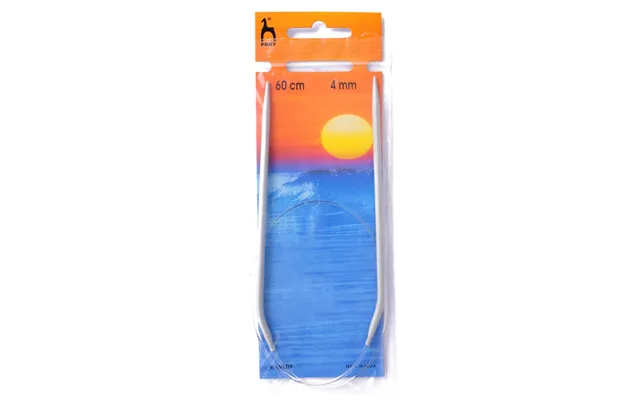
| Pony Classic Coloured Plastic Knitting Needles - 35cm X 7.00mm P57665 | £3.09 |
| Pony Bamboo Knitting Needles - 10.00mm P66819 | £6.99 |



View 5 Offers



Loading...
Last updated Monday, 19 Oct 2026
| Piercing Supplies | Price |
|---|---|
| Pony Classic Coloured Plastic Knitting Needles - 35cm X 7.00mm P57665 | £3.09 |
| Pony Bamboo Knitting Needles - 10.00mm P66819 | £6.99 |
Shopping for piercing supplies in the UK can feel like stepping into a toolbox the size of a warehouse. Needles, clamps, jewelry, gloves, disinfectants—where do you start? The smart move is to break it down by purpose: items that pierce, items that hold, items that sterilize, and items that heal. Whether you’re fitting out a professional studio or simply researching the market so you can compare offers intelligently, understanding the basics saves time and cash. You’ll see common terms like 14g, threadless posts, implant-grade titanium, and captive bead rings. Don’t worry—by the end of this guide, you’ll know exactly what they mean and how to choose wisely. And because prices and bundles vary across sellers, it’s worth using a comparison site that pulls offers together so you can spot the best value at a glance without treating any one page as the only option.
Prices on piercing supplies shift quickly—especially for essentials like sterile needles, nitrile gloves, and starter jewelry. One week you’ll find a bargain on 14g straight needles; the next week it’s a multi-pack of threadless labrets that steals the show. A price comparison platform such as ZoneOffer helps you scan multiple offers across retailers and brands in seconds, so you can weigh quality, features, and total cost before you commit. Instead of manually hopping from site to site, you zero in on the deals that tick your boxes: sterile, reputable materials, reliable shipping, and bundle savings. It’s like having a savvy friend who does the legwork, flagging offers that match your studio’s needs or your personal kit’s upgrades.
Needles are the beating heart of piercing supplies. The most common sizes for professional body piercing are 14g, 16g, and 18g, but you’ll see larger and smaller gauges depending on the anatomy and jewelry style. Straight piercing needles should be sterile, single-use, and packaged with clear lot numbers and expiration dates. Some piercers prefer traditional needle blades; others use cannula-style options. A clean, precise cut reduces trauma and can set the stage for smoother healing. If you’re comparing offers, look for boxes that specify sharpened tips, EO or gas-sterilized packaging, and tamper-evident seals. If the listing includes photos of the pouch and indicator marks, even better—that transparency helps you trust what will arrive.
Let’s keep it practical. For lobes and many cartilage piercings, 18g and 16g are standard, while 14g is common for navels and some tongue piercings. When you’re thinking jewelry fit, lengths like 1/4", 5/16", and 3/8" often come into play for posts and rings. If you’re stocking up, buy a spread of gauges in sterile single packs—enough to cover your routine piercings plus a few specialty sizes for custom requests. And when you compare prices, don’t just chase the lowest number—factor in box count, true sterilization, and brand reputation. Saving a couple of pounds on needles that don’t perform? That’s not a savings at all.
You’re only as steady as the tools in your hands. Clamps and forceps keep tissue secure so the needle passes cleanly, and receiving tubes protect the inside while guiding the needle tip. Quality matters here; poorly finished tools can snag skin or slip at the worst moment. Look for stainless steel with smooth edges, a reliable locking mechanism, and—if applicable—slots that match your piercing style. Silicone-tipped or disposable options can be useful for sensitive areas or training setups. When browsing offers, compare the finish, hinge design, and autoclavable claims. Bonus points for kits that include a few different styles so you can switch depending on placement and client anatomy.
Slotted forceps give you a defined path for the needle, which boosts precision for certain piercings. Non-slotted versions are more versatile and can be gentler on tissue if you already have a steady hand. For a starter toolkit, consider one of each: a slotted pair for tasks that need an exact line-up and a non-slotted pair for general use. If you’re comparing prices, take note of grip texture and length—longer tools can give you leverage, but too long and they can feel clumsy on smaller anatomy. Try for a mix in the 5" to 7" range to cover most situations comfortably.
Jewelry quality is the difference between a piercing that thrives and one that complains. Implant-grade titanium (often labeled Ti-6Al-4V ELI) is a top choice thanks to its biocompatibility and light weight. High-polish surgical steel is common as well, but some clients prefer titanium to avoid nickel exposure. Niobium is another solid option for sensitive skin, while solid gold—14k or higher—is beloved for its look and long-term wear when properly finished. When comparing offers, watch for clear material grades, well-finished surfaces, and trustworthy photos. If a listing is vague about the alloy or uses phrases like “gold tone” without the real karat, keep scrolling. Your clients’ skin deserves the real deal.
Internal threading hides the threads inside the post, so the jewelry inserts smoothly. Threadless (push-fit) systems use tension to secure the top in place—fast to install, secure when properly bent, and loved for easy swaps. Both can be fantastic when machined well. If you’re buying online, check for brand and system compatibility, and compare the price of extra ends and posts. Avoid external threading for fresh piercings; those exposed threads can act like tiny saws on the inside. Investing in threadless or internally threaded jewelry pays off in client comfort and long-term studio efficiency.
You don’t need a thousand SKUs to cover most piercings—just a smart spread of sizes and styles. Straight barbells fit tongues and some industrials; curved barbells are great for navels and some rook placements. Captive bead rings are a timeless pick for lobes and cartilage. Labret posts with flat backs work beautifully for lips and nostrils, reducing the chance of catching. For septums and daiths, clickers and seamless rings keep things sleek. If you’re buying for a studio, aim for a range of post lengths like 1/4", 5/16", and 3/8" and ring diameters in 5/16" to 1/2". For beads or tops, match aesthetics to your clientele—minimalist discs for a clean look or gem tops for statement sparkle.
“Snug but not tight” should be your mantra. A 5/16" post may be perfect for many nostrils, but some clients need 3/8" for initial swelling room. Tongue barbells often start around 5/8", then downsize. Captive rings for lobes commonly start near 3/8", though anatomy drives the final call. When browsing offers, look for listings that clearly state both gauge and length or diameter. If all you see is a generic size range, look elsewhere—precision sizing is everything. Your stocking strategy should lean toward the sizes you pierce the most, plus a few longer options for swelling and a few shorter for downsizing visits.
Let’s get serious for a second: sterilization is non-negotiable. A reliable autoclave, paired with proper cleaning and verification, keeps clients safe and your reputation pristine. Tabletop steam autoclaves that hit around 250°F for appropriate hold times are standard in many studios. Add in ultrasonic cleaners to shake loose debris before sterilization, and keep your instrument cassettes organized so the process stays smooth. When comparing offers, check chamber capacity (in cubic inches or by tray size), cycle types, drying features, and the availability of replacement gaskets and filters. Don’t forget biological and chemical indicators; they’re your evidence the process is working as intended.
If you’re piercing all day, you need quick cycles and a chamber that can handle multiple sets at once. A compact unit might be fine for a lower-volume studio, but if your trays back up, you’ll feel the pinch. Look for clear cycle controls, easy-to-read displays, and maintenance support in the UK. Some units come with built-in printers or digital logging—handy for inspections and peace of mind. Also compare warranty terms and the cost of service kits. An autoclave is an investment; the right choice pays you back every single day you use it.
Before the needle touches skin, antiseptic prep is essential. Chlorhexidine or iodine-based preps are popular choices, applied carefully to avoid over-saturation. Afterward, most clients do well with a simple, sterile saline routine and a hands-off approach. Fancy potions aren’t necessary—consistency is. When comparing offers, look for sterile saline in sealed spray cans, gentle foaming cleansers for jewelry, and prep solutions sized for your usage. Avoid harsh products that promise the moon but irritate skin with unnecessary additives. Solid, boring, and proven is exactly what you want in aftercare.
A smooth, high-polish finish helps reduce friction and build-up, which is great during the healing window. Anodized titanium not only adds color but can enhance surface performance when it’s done well. Compare photos carefully and read reviews—finish quality often separates premium jewelry from the bargain bin. If the polish looks hazy or the color inconsistent, expect the real thing to match the photo. For studio buyers, a small polishing kit and microfiber cloths keep display jewelry looking immaculate between clients.
It’s not the glamorous side of the cart, but these essentials are the backbone of safe piercing. Nitrile gloves offer a solid mix of durability and sensitivity, and thickness in mils gives you a feel for tear resistance. Single-use drapes keep your workspace cleaner, and sharps containers are mandatory for safe disposal. For surfaces, choose disinfectants with clear dwell times and broad-spectrum claims. When comparing offers, watch for bulk pricing on gloves, multi-pack drapes, and larger disinfectant bottles measured in fluid ounces. A steady pipeline of these supplies keeps your workflow predictable and compliant.
Too tight and your hands fatigue; too loose and you lose precision. Many professionals keep a couple of sizes on hand to accommodate different staff and tasks. Powder-free nitrile is a go-to for many studios, and textured fingertips help grip tools securely. When you’re scanning offers, consider per-box cost, consistent sizing, and user reviews about tear rates. Saving a tiny bit upfront isn’t worth ripped gloves in the middle of a procedure.
Great work demands great visibility and support. Magnifying loupes help you place jewelry precisely. Adjustable LED lamps with long arms—say 20" to 30"—let you dial in the angle without fighting shadows. Comfortable, height-adjustable stools protect your back during long days, and stainless workstations keep everything organized. When comparing offers, look beyond the headline price: you want sturdy bases, reliable hinges, and parts that won’t wobble after a week. If a bundle includes both a lamp and a clamp-on mount, that can save you from buying a separate stand.
A tidy tray setup speeds you up and calms the room. Stainless cassettes, silicone mats, and labeled compartments help you pre-stage tools and jewelry. Compare tray sizes (in inches) to your autoclave and workstation so everything fits without compromise. If a listing shows exact interior dimensions and photos of a loaded tray, that’s gold—you’ll know whether your staples fit before you click “buy.”
Starter kits can be a shortcut to a functional setup, especially if you’re new or expanding. Many kits bundle needles, clamps, jewelry, and disposables at a discount. The trade-off? You might get sizes or styles you don’t use often. Building your own lets you tailor every detail, usually at a slightly higher total price but with zero waste. On a comparison platform, pop both options into your shortlist: a reputable kit with clear component lists and a custom cart you assemble yourself. Add up the totals, and don’t forget long-term costs like replacement parts and sterilization indicators. The best choice is the one that fits your workflow—not just your wallet today.
Look for clear line items in the listing, confirm quantities, and check whether the jewelry is threadless or internally threaded. If a kit includes a mid-tier autoclave but you planned to buy premium, that “discount” might not be real for you. Likewise, a custom build that includes high-grade titanium posts and extra threadless ends could be a better long-term value. Always ask: Will I use every piece? Are the sizes right for my clients? What’s the cost to maintain or restock?
No matter how good the deal looks, it has to meet safety expectations. For tools and equipment, look for recognized markings and documentation, clear sterilization indicators, and trustworthy packaging. Keep logs of your sterilization cycles and indicator tests. When in doubt, choose the listing that provides more detail and proof. Good vendors are proud to show precisely what you’re getting. If the offer is vague about critical details—like whether needles are sterile or which alloy a piece of jewelry uses—give it a pass. You’re not just buying stuff; you’re buying reliability.
Hold onto invoices, sterilization logs, and any equipment manuals. If your autoclave includes a data log or printed receipts for each cycle, file them. Labels from sterile pouches with lot numbers and dates can be attached to procedure records. It sounds dull, but it keeps your studio audit-ready and builds a culture of safety that clients trust.
Listings can look similar until you zoom in. Scan the full description, then the fine print. Are the needles individually packaged and dated? Is the jewelry listed as implant-grade titanium or just “titanium finish”? Do photos show the actual threadless ends and posts, or just lifestyle shots? Trusted listings spell out sizes in inches, gauges for posts, and real alloy grades. They show the front and back of packaging for sterile items. The more clarity, the fewer surprises when the box lands on your doorstep.
For sterile tools, look for indicators that change color after sterilization and intact seals without tears. For jewelry, seek brand marks where appropriate, consistent polish, and well-machined threads. If the listing includes a warranty card or brand certificate, that’s a plus. And if you see “gold plating” on a piece intended for fresh piercings, steer clear—fresh piercings deserve solid metals or proven, stable coatings on implant-grade substrates.
Deals come in waves. One month, you’ll find price drops on mixed-gauge needle packs; another, there’s a rush of savings on threadless labret posts in 5/16" and 3/8". Seasonal bundles often include extras like saline sprays, nitrile gloves, and sharps containers to sweeten the pot. As you compare, consider your real usage. A “mega pack” is only a bargain if you’ll actually use every size before dates expire. Keep a running list of your most used items—when you see them on offer, stock up. Skip flashy gear you’ll touch twice a year.
The best bundles pair what you already burn through: needle gauges you use daily, labret posts in your most popular lengths, and bead or disc tops in your client’s favorite finishes. If a bundle includes rare sizes, check whether you can swap them. If not, that dead stock eats your savings. The art of the deal is matching the offer to your flow, not the other way around.
It’s tempting to grab a needle online and try a piercing at home, but professional studios exist for a reason: training, sterile technique, and the right equipment. If you’re not a professional, use comparison sites to shop for safe aftercare, jewelry for healed piercings, and accessories—then book the actual piercing with a licensed pro. You’ll get cleaner placement, lower risk, and better long-term results. Pros also know how to size jewelry so you don’t end up with something too tight or too long. It’s your body; treat it like it’s the only one you’ve got—because it is.
If you’re not piercing others, steer your spending toward quality jewelry for healed piercings, sterile saline spray, and care items. Compare threadless tops for easy style swaps and invest in implant-grade metals. Save the needles and clamps for trained professionals. Your future self will thank you.
Even the best jewelry needs a little TLC. A soft microfiber cloth keeps surfaces bright, and a gentle jewelry soap helps remove build-up without harsh chemicals. If you use threaded jewelry, check connections periodically and avoid over-tightening. Store pieces in lined trays or sealed pouches to keep dust away. When comparing offers, add a polishing cloth, a gentle cleaner, and a few spare ends to your basket. It’s a small cost that pays off in a polished display and satisfied clients.
Good lighting, clean stands, and clear size labels draw eyes and earn trust. Show staple sizes like 1/4", 5/16", and 3/8" side by side so clients can see the difference. Keep a mirror nearby for quick try-ons with display-only pieces (never insert non-sterile items into fresh piercings). A tidy, well-lit case says “we care about the details,” and that’s exactly what clients want to feel.
You don’t need to go premium on every single item. Disposable supplies like drapes and cotton-tipped applicators? Get solid, reliable options at a fair price. But for jewelry that lives in someone’s skin and tools that will be sterilized again and again, buy the best you can. Implant-grade titanium, internal or threadless systems, and well-machined tools make daily work smoother and client experiences better. Use comparison listings to stack high-quality core items with value-priced disposables. That mix keeps both your clients and your balance sheet happy.
Splurge on what touches skin or affects safety: implant-grade jewelry, a dependable autoclave, and sterile needles from reputable makers. Save on décor and non-critical accessories. Your reviews—and your rebookings—are built on the choices you make here.
Choosing piercing supplies in the UK doesn’t have to feel overwhelming. Start with the essentials: sterile needles in the gauges you actually use, quality clamps and receiving tubes, proven antiseptics and aftercare, and jewelry in implant-grade metals with sizes that truly fit. Layer in a dependable autoclave, solid indicators, and a workstation that supports clean, efficient flow. Then let comparison tools do what they do best: surface the best offers across multiple retailers so you can buy smarter, not harder. In the end, it’s simple—invest in safety, demand real specs, compare with a sharp eye, and build a setup that serves you and your clients every single day.