

Banknote Verifiers price list
Last updated Sunday, 18 Oct 2026



View 6 Offers
Loading...
Last updated Sunday, 18 Oct 2026
Cash is still king in many corners of the UK—think corner shops, bars, taxis, barbers, market stalls, and pop-up events. But with cash comes risk. Counterfeit notes, even a handful, can quietly drain profit and trust. That’s where banknote verifiers step in. These compact devices check notes against embedded security features, giving you a quick pass/fail so your team can keep lines moving and your till protected. If you’ve ever wondered, “Do I really need one?”—ask yourself how much peace of mind is worth during your busiest hour. A proper banknote verifier can pay for itself fast, and with savvy comparison shopping, you can save even more.
Most modern banknote verifiers blend several detection methods to spot fakes. UV (ultraviolet) light highlights fluorescent elements that should glow in genuine notes. Magnetic (MG) sensors look for magnetic inks or metallic threads in specific positions. Infrared (IR) sensors verify printed patterns that are invisible to the naked eye but unmistakable to the machine. When these systems work together—like a team of bouncers at the door—they catch the obvious fakes and the sneaky ones too.
Beyond light and magnetism, verifiers often measure note size, density, and reflective qualities to match what the device “knows” about real currency. Genuine banknotes have incredibly consistent dimensions and embedded features. If a note is too long, too short, too stiff, or printed incorrectly, the verifier’s sensors flag it. Think of it as a lock-and-key system: the real note “fits” exactly; a fake rattles around and gets rejected.
UK polymer notes (like the modern £5, £10, £20, and £50) are designed with layers of security elements—transparent windows, holographic foils, raised print, and microtext. Quality verifiers read these features fast and consistently. A good unit will handle slightly worn or folded notes without breaking a sweat, though crisp, tidy notes always scan faster. If you deal mostly in GBP, make sure your device firmware is updated to the latest Bank of England designs so polymer notes glide through with minimal rejections.
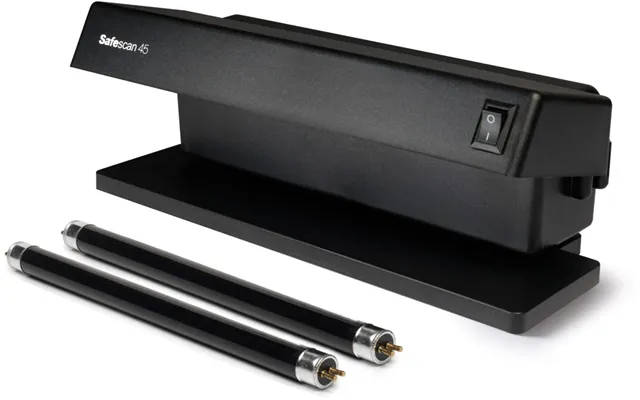
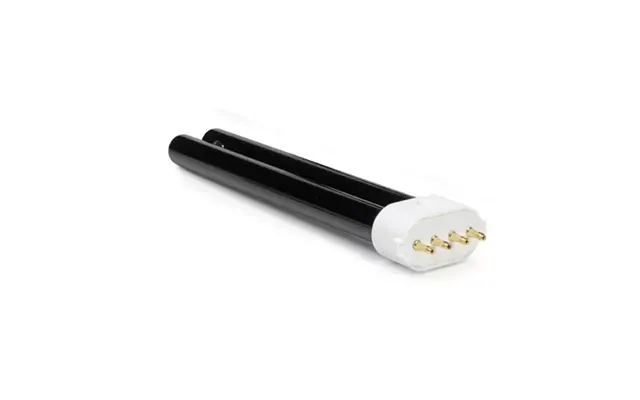
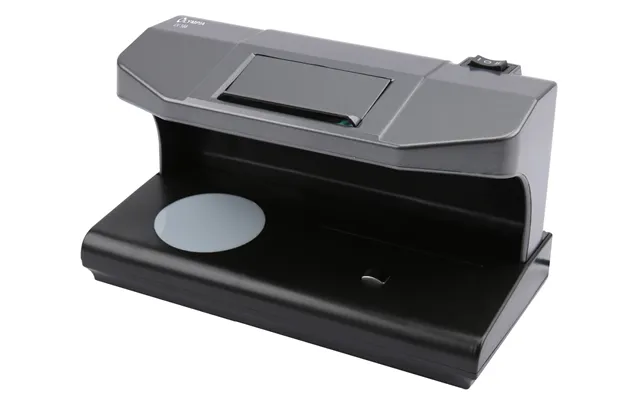
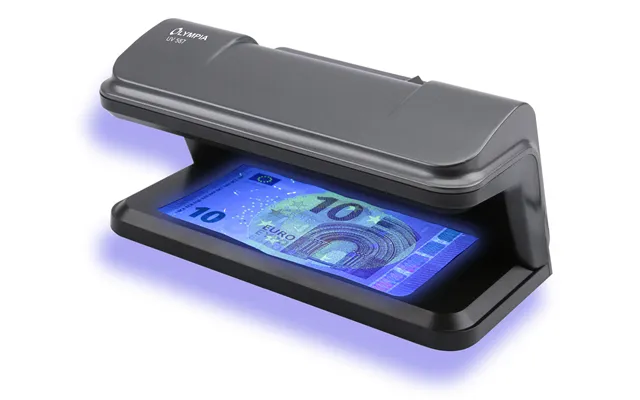
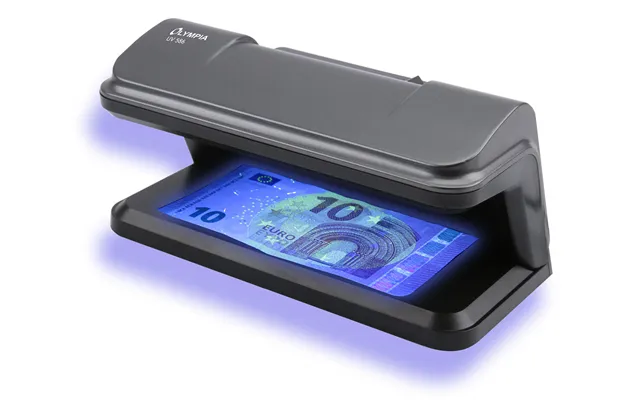
UV lamps are the simplest and cheapest option. You hold a note under the lamp, and certain elements should glow. But here’s the catch: some fakes can mimic UV effects, and UV alone doesn’t confirm all the other features of a note. UV lamps can be handy for a quick scan in dim settings (like pubs), but they’re best used as a secondary check, not your frontline defense.
Automatic verifiers are compact devices you feed notes into one at a time. They instantly test multiple features—UV, MG, IR, size—and show pass/fail on a clear display, sometimes with audible alerts. This is the go-to category for most UK retailers because it’s fast, accurate, and easy to train staff to use. You’ll find popular models from brands like Safescan and ZZap that are widely used on UK counters.
If your team handles stacks of mixed notes, consider a counter with built-in counterfeit detection. These machines can count totals, sort by denomination, and flag suspicious notes. They’re bigger and pricier than single-note verifiers, but they can shave minutes off cash-up time during busy shifts or end-of-day reconciliation. For multi-till operations, they’re a productivity boost.
Counterfeit detector pens are small and inexpensive, making them tempting for mobile traders or very low-volume cash operations. But they have serious limitations, especially on polymer notes. Use them as a quick visual cue, not as your only line of defense. If you’re dealing with UK polymer notes regularly, you’ll want an automatic verifier.
Some automatic verifiers run on AC or rechargeable batteries, so you can go mobile—perfect for market traders or event vendors. Desktop units are generally a bit heavier and sturdier, while portable units keep weight down (often under 2 lb) and focus on convenience. Choose based on where and how you accept cash most often.
Even if you mainly accept GBP, multi-currency support can be useful in tourist areas. More important is how easily the device gets updates. Look for simple firmware updates via USB, microSD, or a plug-and-play utility. When the Bank of England refreshes note designs, you want your verifier ready before new notes hit your till.
Look for devices that combine UV, MG, IR, and size/thickness detection. The best units reject fakes confidently without constantly flagging genuine notes. Occasional rejections happen—dusty, damp, or heavily creased notes can confuse sensors—but with good hardware and updates, false rejects should be rare. If accuracy claims sound too good without details, treat them with healthy skepticism.
In a rush, speed matters. Automatic verifiers should check a note in seconds or less, with a clear pass/fail and a beep you can hear on a busy floor. A bright display, simple buttons, and intuitive note orientation diagrams make training new staff painless. Look for models that accept notes in any direction—it’s a small feature that saves time.
USB ports and microSD slots make updates simple. Some machines accept external barcode or receipt printers for logging, though that’s more common on higher-end counters. If portability matters, pick a unit with a rechargeable battery or the option to run on standard batteries. A compact footprint (roughly the size of a small toaster) keeps counters tidy.
Money is dusty. Notes shed fibers, and tills collect crumbs and grit over time. A good verifier has accessible sensor paths and includes a cleaning card or instructions to keep it running smoothly. A sturdy casing and solid feed mechanism reduce jams and downtime. Think of maintenance like brushing your teeth: regular quick cleans prevent bigger problems later.
Some verifiers tally accepted totals and let you review the last several banknotes scanned. Counters often offer detailed batch reports. If you reconcile multiple cash drawers or want audit trails, these features are a quiet lifesaver. If you run a simple single-till operation, you may not need this at all—save the money for something else.
Entry-level models from familiar UK brands, such as the Safescan 155-S or ZZap D40 series, focus on fast GBP polymer detection with UV, MG, and IR checks. They’re small, usually under 2 lb, and sit neatly beside a cash drawer. Expect straightforward displays, audible alerts, one-note-at-a-time operation, and simple updates via cable or card. If you want bulletproof basics without bells and whistles, this is your lane.
Step up to units like the Safescan 165-S or ratiotec Soldi series and you’ll typically see faster detection, more currencies, robust update tools, and sometimes extra orientation options. These models cater to busier counters or tourist-heavy areas where you might see the occasional foreign note. The difference you feel day to day is responsiveness—the machine keeps up during rushes and rarely hiccups when notes aren’t perfectly flat.
If your team clears bundles of cash, mixed-denomination counters (for example, models like ZZap NC-series or Safescan mixed-note counters) can calculate totals, detect fakes, and speed up cash-up with batch modes. They take more counter space and cost more upfront, but the time savings can be significant. A common path is pairing a compact verifier at the till with a bigger counter in the back office.
For market stalls, food trucks, or mobile service businesses, compact battery-ready verifiers keep setup simple. You’ll find small footprints, lightweight bodies, and rugged casings that travel well in a bag or lockbox. If power is a concern, choose a model with a rechargeable battery that can handle a full day’s trading between charges.
Polymer notes include clear windows, holographic elements that switch images as you tilt, and raised print you can feel. Machines detect these features through optical and reflective checks. If a device struggles on polymer materials, it’ll show up as false rejects, awkward note orientation requirements, or frequent rescans. Choose a model promoted as polymer-ready and regularly updated for the latest designs.
True notes pack in minuscule text and patterning that cheap fakes can’t replicate cleanly. Verifiers don’t “read” text like you do, but they detect the fine patterns and inks through IR and photo sensors. Magnetic threads and serialized patterns also help a device decide whether a note is genuine or not. Taken together, these checks form a solid wall of defense.
When an old series is phased out, you still might see it for a while. Make sure your verifier’s firmware is current so it recognizes the designs still in active circulation. If you occasionally receive older notes, establish a simple staff rule: if the machine rejects a note but the customer insists it’s real, set it aside, check it manually, or ask for another form of payment. It’s not worth a heated debate at the till.
Basic UV lamps and counterfeit pens live here. They’re better than nothing, but they can’t match the layered detection of an automatic verifier. They’re useful when your cash volume is tiny or as an extra secondary test in low light.
This is the sweet spot for automatic single-note verifiers. You’ll get multi-sensor detection, quick response, compact size, and straightforward training for staff. If you accept cash daily, this price band offers serious bang for your buck.
Mixed-denomination counters with verification, advanced reporting, and sorting live here. If your business counts large volumes or manages multiple tills, the time savings can be huge. A small shop may not need this—don’t overspend if a compact verifier fits your workflow.
Most verifiers are plug-and-play. Set it on the counter, connect power, and you’re off. Keep the update tool handy—either a USB cable or a microSD card—so you can load new firmware when designs change. Schedule a quick check every quarter to confirm you’re on the latest version.
Dust and fibers can cause misreads. A quick clean of the feed path and sensors every week (or more often in dusty environments) keeps acceptance rates high. Many brands include a cleaning card; if not, follow their guidance. Don’t spray liquids directly inside the machine. Treat it like a smartphone camera: clean, gentle, and regular.
Show cashiers how to feed notes consistently and what to do on a reject: reinsert once, try a different orientation, then set the note aside if it still fails. No arguments at the counter. This approach keeps customer service calm while protecting your till.
UV checks alone won’t catch well-made fakes, especially on polymer notes. Use UV as a quick visual aid, but make an automatic verifier your primary tool. Think of UV as a flashlight; the verifier is the alarm system.
Out-of-date firmware is a fast track to false rejects and missed fakes. Put updates on your calendar. It takes minutes and saves you far more in avoided losses and smoother checkouts.
The best device is useless if it slows down your team. If you’re fast-paced and space is tight, a compact automatic verifier near the till beats a bulky counter in the back. If you count stacks nightly, invest in a counter with verification to speed up closing time.
Prices on banknote verifiers can vary widely between retailers and over time. Use price comparison sites to scan current deals, check availability, and read user impressions in one place. Look out for bundle offers with cleaning cards or rechargeable batteries, and keep an eye on seasonal sales. The trick is simple: decide on the features you need, shortlist a few suitable models, and then compare like-for-like offers so you don’t overpay for extras you won’t use.
Every note you accept should be quietly, quickly verified—no fuss, no drama. For most UK businesses, a compact automatic verifier in the £100 to £200 range hits the sweet spot for accuracy, speed, and ease of use with polymer notes. If you process larger volumes, consider a mixed-denomination counter to blitz through cash-up. And remember: updates and quick cleaning keep your device sharp. Choose well, compare prices smartly, and your till stays protected while your team stays focused on serving customers.
Pick a compact automatic verifier (think Safescan 155-S or ZZap D40 style devices). They’re fast, reliable, and fit anywhere. You’ll get a clear pass/fail, minimal training time, and easy updates.
Pair an automatic verifier at each till with a mixed-denomination counter in the back office to speed up reconciliation. The combo reduces errors and keeps queues moving.
Choose a portable automatic verifier with battery power. The weight stays low, the footprint small, and you can accept cash confidently at pop-ups, fairs, or outdoor events.
Start with a basic automatic verifier if you can. If you must use a UV lamp for now, plan to upgrade soon—polymer notes and sophisticated fakes demand multi-sensor checks.
Devices that accept notes in any direction reduce rejections and speed things up. It sounds minor, but during peak times, every second counts.
If a note fails twice, mark it discreetly and store it separately. A simple log—time, till, and action taken—helps protect your staff and provides a reference if questions arise later.
Machines are amazing, but staff awareness matters. Encourage your team to notice obvious red flags—strange texture, off colors, or missing holograms. Think of the verifier as the final referee backing up your team’s instincts.
Banknote verifiers are small guardians with an outsized impact on your bottom line. For UK businesses handling cash, they deliver speed, accuracy, and confidence—especially with modern polymer notes. Whether you choose a compact automatic unit for the counter or a mixed-denomination counter for the back office, the key is simple: pick the features you’ll actually use, keep your firmware updated, and compare offers before you buy. Do that, and counterfeit detection becomes a quiet, reliable habit rather than a daily worry.