

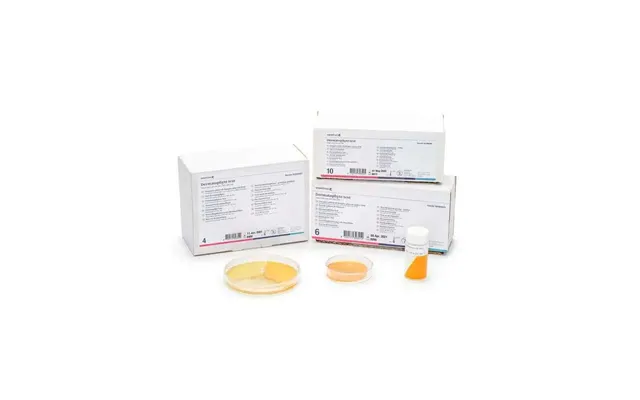

Petri Dishes price list
Last updated Monday, 19 Oct 2026





Loading...
Last updated Monday, 19 Oct 2026
Petri dishes are the humble stage on which big discoveries perform. If you’re culturing bacteria, fungi, or cells, you’re almost certainly pouring media and plating samples into these shallow, lidded dishes. They look simple—and that’s the point. A good plate should be clear to read, stable to stack, consistent from batch to batch, and sterile when you need it. Whether you run a busy teaching lab, a production facility, or a small research bench, choosing the right petri dishes makes workflows smoother, reduces contamination risk, and saves money over time. And when you’re comparing popular offers or scanning a price list, knowing which features actually matter helps you buy with confidence.
Not all plates are created equal. The two big categories—disposable plastic and reusable glass—cover most use cases, but the right pick depends on sterility needs, budget, and downstream handling. The trick is matching material to method. Do you need crystal-clear optics for colony counting? Will you autoclave? Are you storing plates for weeks? Once you lock in the basics, everything else gets easier.
Disposable plastic dishes are the everyday workhorses for microbiology labs. They’re typically pre-sterilized, crystal clear, lightweight, and ready to go right out of the sleeve. For routine plating—think environmental monitoring, teaching, food and water testing—plastic dishes are convenient and consistent. Many are designed with stacking rings to keep tall stacks stable, and you can choose vented or non-vented lids depending on your gas exchange needs. If you’re concerned about downstream waste, look for recyclable options or check whether your facility offers high-temperature waste streams to handle them responsibly. Plastic plates shine when throughput and sterility are critical and when washing and re-sterilizing isn’t practical.
Glass dishes bring durability and reusability. If you’re set up to autoclave and you want to cut ongoing consumable costs, glass can pay off over time. They’re sturdy, resist scratches, and hold up to repeated sterilization at about 250°F under typical autoclave conditions. Glass also handles specialty applications well, like when you want to pre-dry plates or heat-treat media after pouring. The trade-offs? Heavier handling, a higher upfront price per dish, and the need for validated washing and sterilizing steps. If your workflow supports it, glass dishes offer a sustainable, long-life alternative with excellent optical clarity.
Size matters for colony isolation, throughput, and incubator real estate. The classic option is a round dish around 4 in across, but smaller formats and divided plates have their place. It’s like picking the right canvas for your painting—too big wastes media, too small crowds your streaks. Let’s break down common formats so you can pick the one that fits your protocol without overspending.
The standard general-purpose plate is roughly 4 in in diameter and about 0.6 in high with the lid on. It gives you a broad surface for streaking and robust colony isolation. For teaching labs or when samples are limited, compact plates around 2.5 in save media and incubator space while still giving workable surface area. Pouring media? A 4 in plate usually holds around 0.7 fl oz of agar for an ideal thickness; smaller plates use less. If you run lots of parallel tests or field sampling, those compact dishes can seriously stretch your media budget.
Want more comparisons in less space? Divided plates are a smart upgrade. Bi-section dishes split the surface down the middle, and tri-section versions carve it into three equal zones. They’re great for testing different strains, antibiotics, or environmental variables without pouring three separate plates. Plus, fewer plates to label, incubate, and document means less handling and lower costs per data point. If you regularly plate controls alongside samples, divided dishes can tighten up your workflow and clean up your records.
Three plate features drive performance: sterility, airflow through vents, and specialized surface treatments. You’ll see these options referenced in product descriptions and price lists because they directly affect what the dish can do—and what it should cost. Think of them as gear settings for your experiment: set them right, and the rest runs smoothly.
Sterile plates are the safest bet for most microbiology work. They land in your lab ready to plate, no washing, no autoclaving, no extra QC steps. Non-sterile plates can work for training, non-critical applications, or custom sterilization workflows, but they add responsibilities and risk. If your lab chases productivity and reproducibility, pre-sterilized is usually worth the slight premium. Keep an eye on how sterile products are packaged—individually wrapped or sleeve-packed—because that affects shelf life and contamination control once you open a pack.
Vented lids add small vents that allow slow gas exchange, reducing condensation and helping media dry slightly after pouring. That little airflow can make a big difference in colony morphology and streak clarity. Non-vented lids better protect from desiccation and airborne contamination during longer incubations or storage. If condensation is your nemesis, vented lids are your friend. If evaporation is the bigger threat, choose non-vented. Some labs stock both and pick based on the season and incubator load.
When you’re growing mammalian cells, surface chemistry matters. Cell culture–treated dishes promote attachment and uniform growth, boosting viability and consistency. While most classic microbial plating uses untreated surfaces, TC-treated plates level up for tissue culture and certain assays. They do cost more, so only pay for the treatment when you need it. Pair them with the right media, and you’ll see the difference in how cells spread, adhere, and respond to stimuli.
Shopping petri dishes isn’t just picking a size and clicking buy. Small design features and packaging choices add up to big savings in handling time, storage space, and waste. When you’re scanning popular offers or comparing a price list, look for the extras that keep stacks steady, labels readable, and contamination at bay.
Ever knocked over a tall tower of plates? Stacking rings help plates nest securely, making incubator loading safer and faster. Look for lids with raised or textured edges that give a confident grip, especially with gloved hands. Crystal clarity is another quiet MVP—high-transparency lids make colony counting faster and reduce eye strain. If you count plates all day, those little usability wins are worth real money in saved time and fewer do-overs.
Packaging changes how you work. Individually wrapped sterile plates maximize protection—open one, keep the rest pristine. They’re ideal for field work or low-throughput labs. Sleeve packs are more cost-effective for high-throughput labs that burn through plates quickly. If you often toss half-used sleeves after a contamination scare, individual wraps might actually save money in the long run. Also check labeling: sleeves with clear lot numbers and date codes make traceability and audits much easier.
Premium brands bring rock-solid quality, tight tolerances, and strong QC backing. That usually means smoother edges, flatter surfaces, and fewer surprises. Value-focused manufacturers can deliver excellent results for routine work if you validate a sample first. The right approach? Match brand tier to application criticality—and don’t pay for premium where you don’t need it.
When colony counts influence compliance, batch release, or client reports, best-in-class plates provide peace of mind. You’ll often get flawless transparency, reliable venting, and packaging that survives rough shipping. Many premium lines also offer specialty variants—gamma-sterilized lots, TC-treated surfaces, and divided dishes—so you can standardize across teams. The price is higher, but for regulated environments or mission-critical assays, they’re a solid investment.
For training, basic QC checks, or high-volume screening, budget dishes can slash costs without sacrificing results—provided they pass your internal validation. Start with a small pack, test for lid fit, flatness, and contamination background, and verify that labeling and stacking work with your current racks. If everything checks out, bulk buys deliver unbeatable value. And keep an eye on mixed-size bundles or bi/tri-section assortments if you like to experiment with formats.
Price isn’t random—it reflects material, sterility, surface treatments, packaging, and pack size. Glass costs more upfront but wins on longevity. Plastic is cheaper per dish, especially in large sleeves. Sterile plates cost more than non-sterile, and individually wrapped sterile plates sit at the top of the price ladder. Divided plates add a small premium, and so do TC-treated surfaces. When you review a price list, normalize costs to price per dish, not just per pack, and factor in waste: if sleeve packs lead to partial-sleeve losses, individually wrapped plates can be the smarter buy despite the higher sticker price.
Technique turns good plates into great results. Most contamination and condensation woes have simple fixes. Dial in your pouring method, label proactively, and store with intention, and you’ll see your plate quality—and your data quality—jump.
Heat your media evenly and let it cool just enough to avoid excessive condensation in the dish. When you pour, aim for a smooth stream against the dish edge to minimize bubbles, and target roughly 0.7 fl oz for a standard 4 in plate. After pouring, crack the lid slightly for a short period so steam escapes, then close and let the plate set on a level surface. If you battle heavy condensation, consider vented lids and pre-warm the dishes slightly so they’re not colder than your media. Stack plates in small towers while they set to stabilize temperature and reduce warping.
Label the plate bottom, not the lid—lids wander, bottoms don’t. Include sample ID, date, media type, and any antibiotic or additive. Store plates inverted to keep condensation off the agar surface, and refrigerate poured plates if you’re not using them right away, typically within a comfortable fridge range around 41°F to 50°F. For incubation, choose temperatures that fit your organism—commonly around 86°F for certain environmental isolates and near 98.6°F for human-associated organisms—and avoid temperature swings that cause moisture to pool. Keep plates in clean racks and away from drafts that invite airborne contamination.
Petri dishes rarely work alone. With the right supporting tools and media, your plating workflow becomes faster, cleaner, and more reproducible. Think of these as the pit crew that keeps your plates race-ready.
Your dish is only as good as what’s inside. Pick selective or differential media that matches your organism and goal—general-purpose media for routine counts, selective media for targeted screening, and specialized blends for diagnostics. If consistency is key, pre-poured plates can standardize your process; if flexibility matters, powder media gives you control over additives and pour thickness. Keep lids closed during cooling to minimize contamination and store media according to the manufacturer’s guidance for reliable performance.
Sterile swabs, inoculating loops, and L-shaped spreaders are the unsung heroes of clean technique. Pre-sterilized disposable tools keep throughput high, while reusable metal tools work well if your sterilization steps are dialed in. Calibrate your touch: firm enough to streak or spread evenly, gentle enough not to gouge the agar surface. If you’re plating viscous samples, pre-spread small volumes and rotate the plate to distribute evenly. A steady hand and the right tool can turn streaks into textbook colony isolation.
Incubators set to stable temperatures—often around 86°F or 98.6°F depending on your organism—keep growth consistent. Use humidity control and gentle airflow to limit drying and condensation. If you open an incubator and feel a gust, you’re likely losing more moisture than you think. For air-sensitive work, consider non-vented lids and tighter environmental control. And always rotate plate positions during longer incubations to smooth out temperature micro-variations.
Safety first, always. Treat unknown samples as potentially hazardous and wear appropriate PPE. If you use reusable glass plates, confirm your autoclave cycle at roughly 250°F and about 15 psi for the validated duration you follow. Allow dishes to cool before handling and inspect for chips or cracks. Dispose of biological waste in approved containers and follow your local regulations for decontamination. Good recordkeeping—lot numbers, dates, and media details—pays off during audits and makes batch investigations much less stressful.
Want the best price without playing whack-a-mole across dozens of sites? Start by standardizing on one or two dish types to unlock bulk pricing. Sleeve packs usually beat individual wraps for high-throughput labs, while individually wrapped plates cut waste for sporadic use. Watch for seasonal promos, subscribe-and-save options on consumables, and mixed-format bundles if you need both 4 in and 2.5 in plates. Most importantly, use a comparison site to scan multiple retailers at once, filter by size, sterility, and pack count, and spot genuine deals from lookalikes. Platforms like ZoneOffer operate as comparison sites, helping you line up offers, check availability, and jump to the seller that fits your needs—without treating the platform itself as a store.
Plates fogging up with condensation? Try vented lids, pre-warm plates slightly, and pour at a temperature that avoids steam traps. Colonies running together? Reduce inoculum, streak with a lighter touch, and make sure your agar volume is consistent—about 0.7 fl oz is a good target for 4 in plates. Uneven agar surfaces usually mean a tilted bench or cooling too quickly; use a level surface and stack plates during set. Random contamination popping up? Audit your technique: flame or change tools between streaks, minimize lid-off time, and work near a clean-air source. A few small tweaks can transform messy results into clean, countable plates.
Choosing the right petri dishes is about matching features to your workflow, not chasing the fanciest spec sheet. Decide on material, size, sterility, and lid style based on how you actually work, then refine the details with packaging, divided formats, and surface treatments. Validate a small pack before you buy big, standardize where you can, and use a comparison site to quickly scan popular offers and read a price list with a critical eye. Do that, and your plates will stop being a variable—and start being the reliable foundation your experiments deserve.