

Hazardous Material Suits price list
Last updated Monday, 19 Oct 2026



View 6 Offers




Loading...
Last updated Monday, 19 Oct 2026
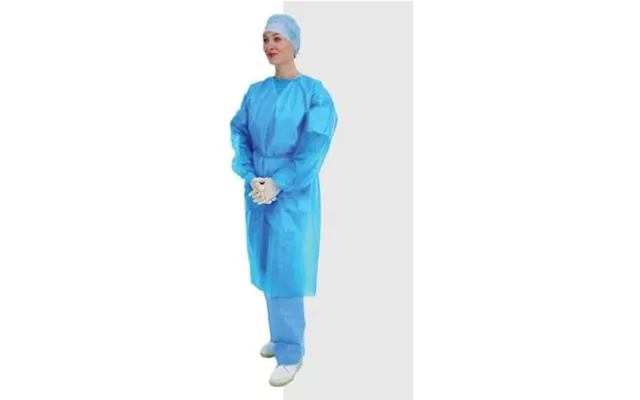
Hazardous material suits—often called hazmat suits—are full-body protective garments designed to shield you from chemical splashes, biohazards, particulates, and other dangerous substances. Whether you’re handling industrial chemicals, managing spill response, or working in decontamination, the right suit acts like a barrier between you and hazardous agents. Sounds simple, right? Yet choosing the right option isn’t a quick pick. Different materials, closures, seam types, and protection levels change how a suit performs in the real world. That’s why comparing offers thoughtfully can save money while keeping you safer.
Protection levels help you match the suit to the risk. Level A offers the highest level of protection with a fully encapsulating design and is used when both vapour and liquid exposure are possible. Level B prioritises respiratory protection with splash resistance for liquids. Level C pairs a chemical-resistant suit with air-purifying respirators when airborne concentrations are known and manageable. Level D is basic coveralls for nuisance dust and light splashes. If you’re ever torn between two levels, lean toward the higher level when uncertainty exists—safety isn’t the place to gamble.
Not all hazardous material suits are built alike. Polyethylene films, multi-layer laminates, and coated fabrics each resist different families of chemicals. Lightweight non-wovens excel at particulate protection and breathability, while multi-layer barriers block aggressive solvents. Construction details—zips, storm flaps, visors, and seams—decide whether splashes sneak in or bounce off. When you evaluate offers in the UK, look closely at the stated permeation and penetration performance for the substances you actually face on the job. A bargain is only a bargain if the suit truly suits the hazard.
Multi-layer laminates stack thin films to slow chemicals from passing through. Think of it like several locked doors between you and a spill. Polyethylene and proprietary barrier films often show excellent resistance to a wide chemical range. Coated fabrics—such as PVC or neoprene-coated textiles—offer robust splash protection and durability, handy for repeated kneeling or abrasion. When in doubt, check the chemical compatibility chart from the manufacturer and look for documented permeation data against your top risk chemicals. No single material wins across every hazard; it’s about the right match.
Seams are a suit’s pressure points. Serged seams (stitched only) are common in basic coveralls but are not meant for liquids. Bound seams add a protective binding but still fall short for aggressive splashes. Taped or heat-sealed seams cover the stitching with a barrier layer, raising liquid and particle resistance dramatically. If you expect liquid exposure or decon sprays, taped or heat-sealed seams are the safer pick. You can have top-tier fabric, but if the seams leak like a sieve, that suit won’t carry its weight when it matters.
Fit is more than comfort—it’s protection. A suit that’s too tight can tear when you crouch or reach. Too loose, and it snags or chafes. If you wear a respirator, helmet, or thick layers underneath, you’ll need a little extra room, especially in the torso and shoulders. Check the sizing chart and consider your height in feet and inches and your chest and waist in inches. When possible, test mobility: can you squat, stretch overhead, and step up a curb? If not, size up. Range of motion equals range of protection.
Grab a tape measure and note your chest, waist, hips, and inseam in inches while wearing underlayers similar to what you’ll use on the job. Add a touch of allowance if you’ll don thicker clothing, a fall harness, or an SCBA. Sleeve and leg length matter too—high-water cuffs can ride up when you bend, exposing skin, while overly long cuffs can drag and snag. A good rule of thumb: you should be able to touch your toes and reach above your head without the suit pulling tight at the back or wrists.
The best hazardous material suit for you boils down to details. Consider the closure: a robust zip with a double storm flap reduces leak paths. Look for a drawcord hood or elasticised cuffs for a snug interface with masks and gloves. Anti-fog, wide-view face shields help if your suit includes a visor. Reinforced knees and elbows extend durability. And don’t overlook ease of doffing—tear-away features can speed up removal in decon. Every feature either adds a safety margin or chips away at it; pick features that align with your tasks.
Some suits integrate boots and gloves to reduce potential leak points. Attached socks slip inside your chemical boots, while boot overcovers give splash protection outside. Integrated gloves avoid the weak link of taped joins but limit glove swaps. If you need tactile control (say, for sampling), choose a system that lets you change glove types without compromising the seal. Visors should be chemical-resistant, optically clear, and scratch-resistant. Wide-field visors reduce neck strain by cutting the “owl” head-turning you’d otherwise do to compensate for narrow sightlines.
Disposable suits shine for contamination control and convenience; you wear them once and bin them as hazardous waste. They’re ideal when contamination is expected and cleaning would be complex or unsafe. Reusable suits pay off when exposure is controlled and cleaning is feasible, offering rugged fabrics and longer service life. Factor in cost per wear. If a reusable suit lasts many cycles, it can outpace disposable value. However, if cleanup is difficult, a disposable suit might actually reduce total cost and risk. Match the strategy to your work pattern.
While laws and guidance evolve, credible certification gives you confidence. Look for recognised standards covering chemical protection, biohazards, and barrier performance. In the UK, employers follow risk assessments under HSE guidance, so choose suits with documentation that aligns to your task—especially where splash or vapour risk exists. Also consider antistatic properties in flammable atmospheres and flame-resistance when there’s a risk of flash fire. Don’t rely on marketing buzzwords; rely on test data, performance categories, and precise use cases stated by the manufacturer.
Think scenario-first. What chemicals or biological agents are present? Is the hazard a splash, aerosol, or vapour? How long is the task? Will you kneel, crawl, or climb? A spill responder dealing with unknown chemicals often requires a higher level than a technician decanting a known substance at a controlled station. Mapping your actual exposures to suit features yields better protection and better value. Remember: the best suit tomorrow is the one you’re willing and able to wear correctly today.
For aggressive chemical spills or high-pressure cleaning, seek liquids-focused barriers and taped seams. Consider a fully encapsulating option if unknown vapours are possible, paired with the right respiratory protection. Reinforced knees and abrasion-resistant panels help during floor-level work. If your decon process includes strong detergents, verify compatibility to keep the suit’s barrier intact after rinse-down. You’ll also want reliable glove interfaces and boot coverage that can stand up to puddles and splash-back without wicking into inner layers.
For biohazards, particle-tight and liquid-tight suits with secure face and glove interfaces are crucial. Smooth, low-porosity outer layers are easier to wipe down during decon. Anti-fog visors or visor treatments keep visibility clear when you’re working warm. If you’re moving patients or handling waste bags, good dexterity matters, so ensure the glove system doesn’t turn simple tasks into wrestling matches. Venting designs must not compromise the barrier—select suits engineered for both comfort and containment.
For asbestos and heavy dust work, look for suits with particle-proof fabrics and tight closures around the hood, wrists, and ankles. Comfort counts because you may wear the suit for hours; breathable non-wovens with strong filtration performance can keep you cooler without sacrificing protection. When cutting or drilling materials, abrasion resistance is a bonus. Remember to pair with the correct respirator filter and plan a meticulous doffing process to avoid cross-contamination—dust loves to hitch a ride on cuffs and collars.
Even the best hazardous material suit is one piece of the puzzle. Respiratory protection, gloves, boots, and face protection must work as a system. Don’t leave the interfaces to chance—test how your chosen suit mates with your preferred respirator, whether that’s a half-mask, full-face, or powered air unit. Practice makes permanent: assemble your ensemble and run a quick mock task to see where gaps, fogging, or mobility issues crop up before you face the real hazard.
Choose respiratory protection based on the atmosphere: unknown or oxygen-deficient environments demand supplied air, while known and controllable aerosols or vapours can suit air-purifying options. Full-face respirators pair well with suits that have snug hoods, while powered air systems improve comfort by providing cooling airflow and reducing breathing resistance. Whatever you choose, perform a seal check every time, and make sure the hood doesn’t tug the mask loose when you twist, kneel, or look up.
Glove selection is chemical-specific—nitrile, neoprene, butyl, and multilayer options each have strengths. If your suit doesn’t include integrated gloves, use a double-glove setup and seal the interface with suitable chemical-resistant tape. Boots should be chemical-resistant with slip-resistant soles; steel toes and puncture resistance may be necessary on industrial sites. Boot covers help with splash, but don’t replace the need for proper boots. Keep a roll of high-quality tape in your kit for quick reinforcement of cuffs, zips, and odd-shaped interfaces.
Comparing hazardous material suits isn’t just about the sticker price. Look at barrier performance against your specific hazards, seam construction, durability, and comfort. Consider delivery timelines and stock availability if you need to outfit a team fast. Using a comparison platform like ZoneOffer helps you scan multiple sellers, brands, and bundles side by side so you can spot genuine value and filter by features that matter to you. If you manage procurement, create a short list based on job roles and exposure profiles, then compare like-for-like.
TCO goes beyond initial cost. Factor in expected wear cycles for reusable suits, cleaning or decon supplies, training time for donning and doffing, and disposal fees for contaminated disposables. A pricier suit with taped seams and better durability might reduce failures and downtime, saving money across a project. When comparing offers, check if you can secure multi-pack pricing, sized assortments, or compatible accessory bundles that reduce per-user costs while maintaining a consistent protection standard across your team.
Once you’ve invested in the right suit, protect that investment. Store suits in a cool, dry place away from direct sunlight and chemicals. Keep them in sealed bags to prevent dust contamination. For reusable suits, follow the manufacturer’s cleaning guidance closely—using the wrong solvent or temperature can degrade the barrier. Track each suit’s service life and retire it when damage or wear shows up. For disposable suits, plan proper hazardous waste disposal at the end of use; it’s part of finishing the job safely.
Most incidents happen at the edges—around glove cuffs, zips, and during removal. Use a trained buddy to check seals before entry, especially at the hood-respirator interface and zip flap. When doffing, peel away from clean to dirty areas, turning the suit inside out as you go. Consider a decon rinse if there’s splash potential. Slow is smooth, and smooth is fast—rushing increases the chance of contamination. Build a quick checklist and rehearse it until it’s second nature.
Skipping the chemical compatibility chart is a classic error. Another? Assuming all “chemical suits” are interchangeable. They’re not. Undersizing creates tear risks; oversizing leads to snags and poor dexterity. Forgetting about seams is another misstep—fabric alone doesn’t define safety. Finally, neglecting respiratory compatibility can break your protection chain even if your suit is perfect. Avoid these pitfalls by matching the suit to the hazard, confirming interfaces, and pressure-testing your selection with a short, supervised trial run.
Yes, safety comes first—but sustainability matters. Reduce waste by selecting durable suits for tasks that allow reuse and choosing disposables only where contamination makes cleaning impractical. Plan your inventory to minimise expired stock sitting on shelves. Standardising across a small set of models can simplify training, reduce errors, and cut waste. If sustainability is a priority, explore manufacturer take-back programmes or recycling options for certain components where available, and document responsible disposal to meet your organisation’s environmental goals.
Picture a lab spill: you need splash-resistant fabric, taped seams, double-glove systems, and a full-face respirator. Or a demolition crew working with asbestos: particle-tight fabric, snug cuffs, and a precise doffing protocol. For waste transfer with unknown residues, step up protection and choose a broader chemical barrier with reinforced knees. Each scenario benefits from a quick pre-task checklist: hazard ID, suit level, seam type, respirator match, glove selection, boot selection, and decon plan. Tick those boxes, and you’ve stacked the deck in your favour.
Premium suits often deliver superior barriers, comfort, and visibility, which can boost productivity and reduce errors. Budget suits can be perfect for light duties, short tasks, or controlled environments. The sweet spot is where the suit meets your hazard profile, your wear duration, and your training level—without padding the budget unnecessarily. A smart move is to create a tiered kit list: baseline suits for low-risk tasks and premium options reserved for high-risk operations. Compare offers, match features, and invest where it counts most.
Choosing hazardous material suits should never feel like guesswork. Start with your hazards, map them to protection levels, scrutinise materials and seams, and make sure the suit plays nicely with your respirator, gloves, and boots. Use a comparison platform such as ZoneOffer to weigh features, certifications, and price in one place, and always consider total cost of ownership, not just the first price you see. With a plan, a checklist, and the right suit, you protect your team, your project, and your peace of mind—every single time.