All categories
Business & Offices
Electronics & Media
Fashion & Accessories
Groceries & Essentials
Health & Personal Care
Home & Living
Kids & Family
Sports & Outdoors
Search in ZoneOffer

Loading...
Whether you’re sanding down a vintage dresser in the garage, cutting concrete on a job site, or tackling a weekend drywall project, dust gets everywhere. You can sweep it up later, sure, but the fine stuff you breathe in? That’s the part that can linger in your lungs. That’s why choosing the right dust mask isn’t just smart—it’s vital. If you’ve ever coughed your way through a project or felt that scratchy throat after a day’s work, you already know the difference good respiratory protection makes. In the UK, there are loads of options—from simple disposable masks to top-tier FFP3 and reusable respirators—so let’s break down what’s worth your money, what suits your tasks, and how to compare deals without compromising safety.
“Dust mask” is a catch-all term, but not all masks are equal. Some are built for light DIY jobs, others are designed for demanding industrial environments. Pick the wrong type, and you might feel uncomfortable, fog up your glasses, or, worse, breathe in what you’re trying to keep out. Pick the right type, and you’ll feel the difference from the first breath.
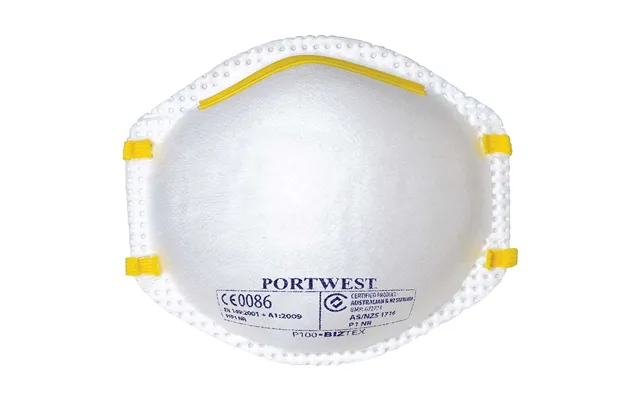
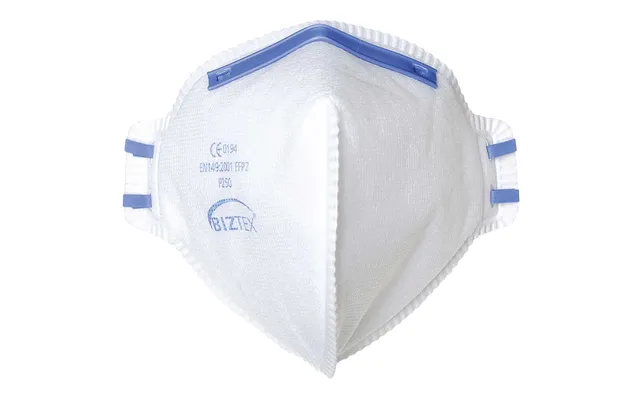
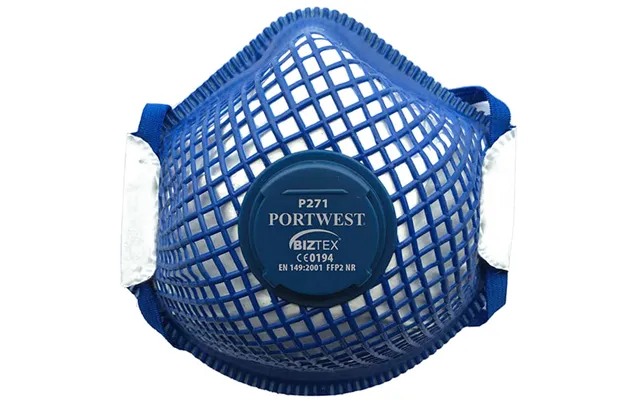
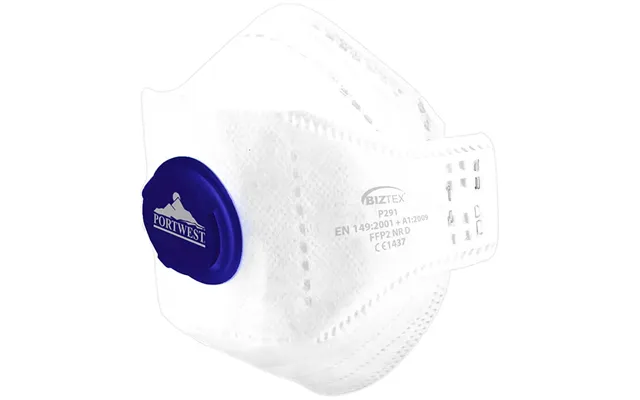
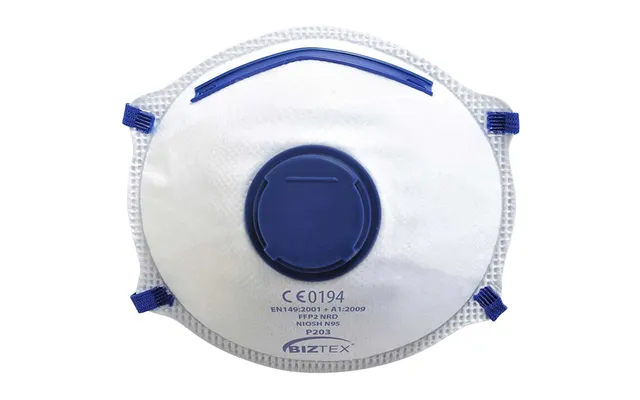
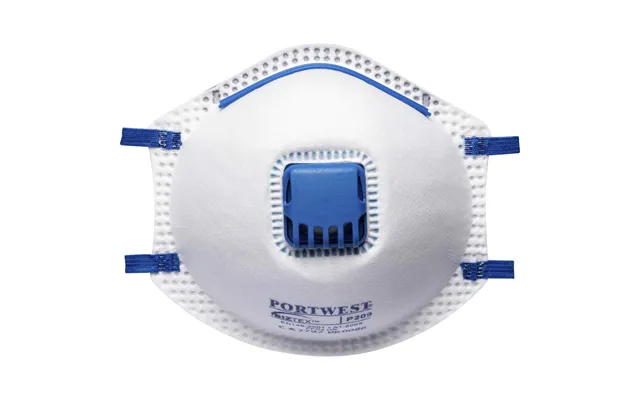
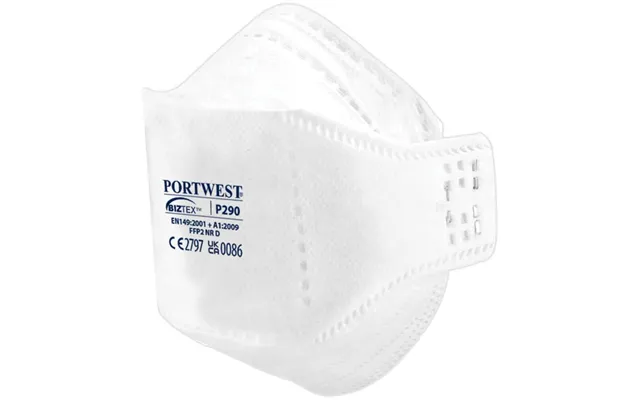
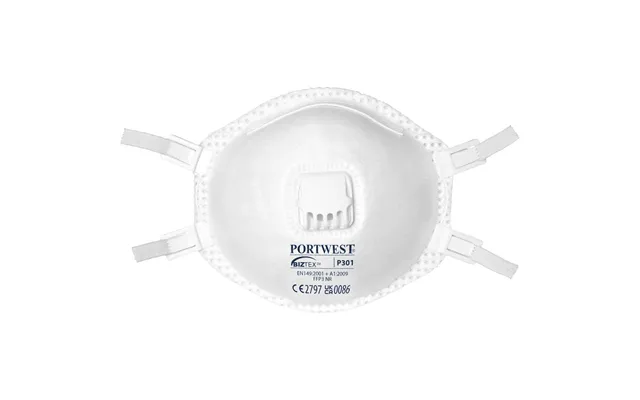
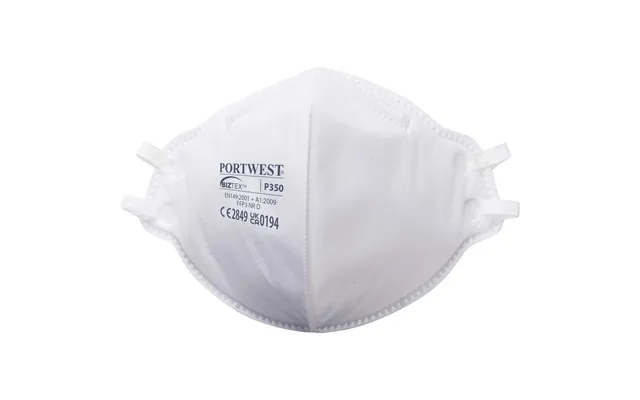
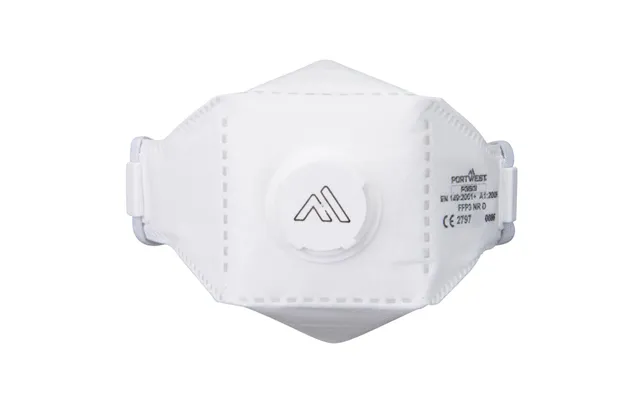
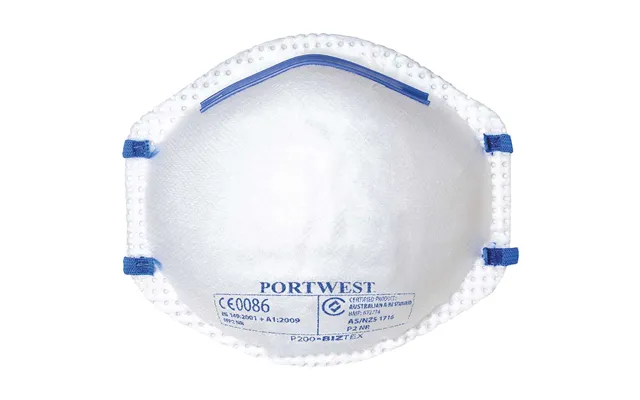
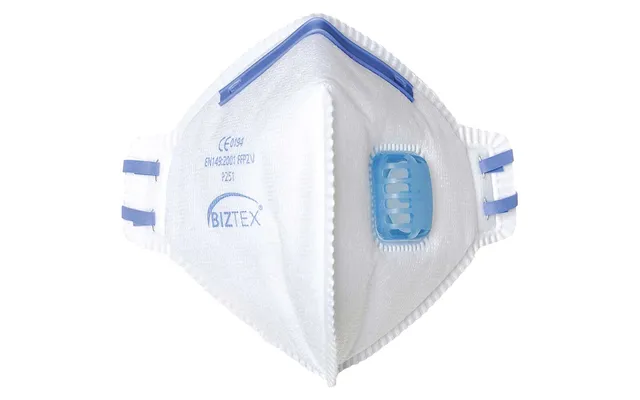
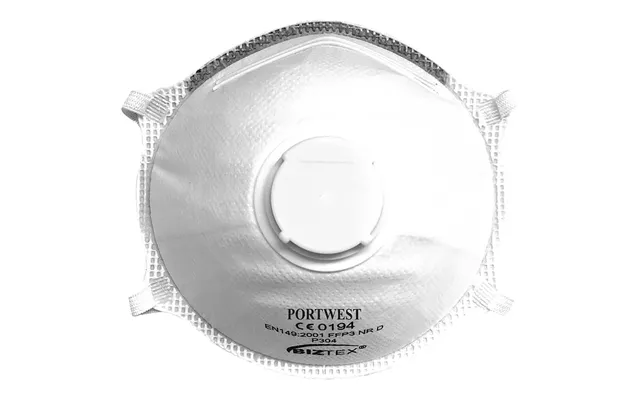
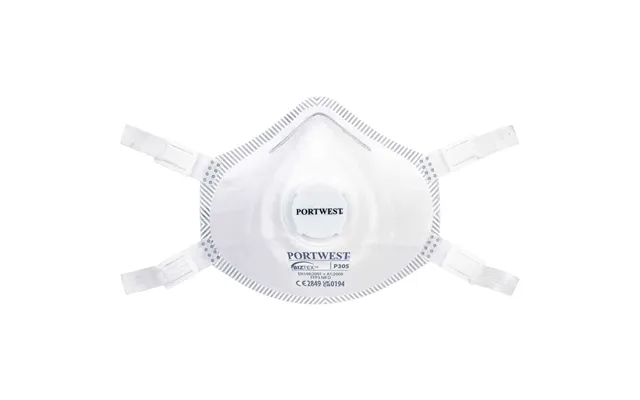
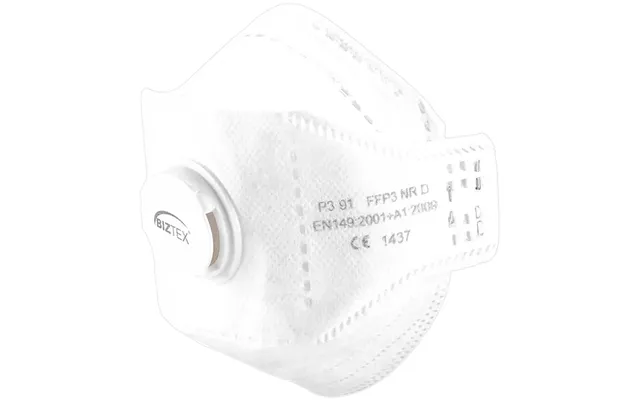
These are the lightweight, molded or fold-flat masks you see most often. They’re convenient, hygienic, and great for tasks like light sanding, sweeping, and basic DIY. In the UK, they’re rated FFP1 (basic protection), FFP2 (moderate protection), and FFP3 (high protection). FFP3 is the go-to for fine dust from cutting masonry, grinding, or jobs with more serious particulate exposure. If you want a simple option with serious protection, a well-fitting FFP3 disposable can be a star performer.
If you work with dust regularly, a reusable half-mask respirator with replaceable filters is often the most comfortable and economical choice long-term. These units form a better seal, have adjustable straps, and can pair with particulate filters (like P3 level) and even gas or vapor cartridges for jobs involving solvents or paint fumes. They’re durable and deliver rock-solid protection when properly fitted and maintained.
Need comfort over long shifts or working in especially tough environments? PAPR systems use a battery-powered blower to push filtered air into a loose-fitting hood or a tight-fitting mask. They reduce breathing resistance and keep you cooler—think of it as turning airflow from a slog into a breeze. PAPRs cost more, but for all-day work or high-exposure tasks, they can be worth every penny.
Confused by all the letters and numbers? You’re not alone. In the UK and Europe, you’ll mostly see FFP1, FFP2, and FFP3. In the U.S., you’ll see N95, N99, and P100. While the testing systems differ, here’s the gist: FFP3 and P100 are at the top of the particulate protection scale, with FFP2 and N95 covering many common dust hazards. If you’re dealing with fine silica dust from cutting stone or concrete, aim high—FFP3 or P100 equivalents are your safest bet. For basic tasks like sweeping or drilling soft wood, FFP1 or FFP2 might be sufficient, but always assess the risk before choosing.
On paper, filtration ratings look neat and tidy. In the real world, fit is everything. Even the best filter won’t help if air is sneaking around the edges of your mask. Make a habit of seal checking: cover the mask lightly and inhale to feel it pull inward, then exhale to check for leaks. A proper seal turns a decent mask into great protection, while a poor seal does the opposite.
Dust masks may seem simple, but the difference between “meh” and “nailed it” often comes down to the details. Look beyond the rating and study features that affect comfort, durability, and usability.
Look for adjustable nose bridges, pliable nose clips, and soft face gaskets. If you have facial hair, keep it trimmed where the mask seals, or consider a PAPR with a loose-fitting hood. For people with smaller or larger faces, seek models that come in multiple sizes rather than one-size-fits-all.
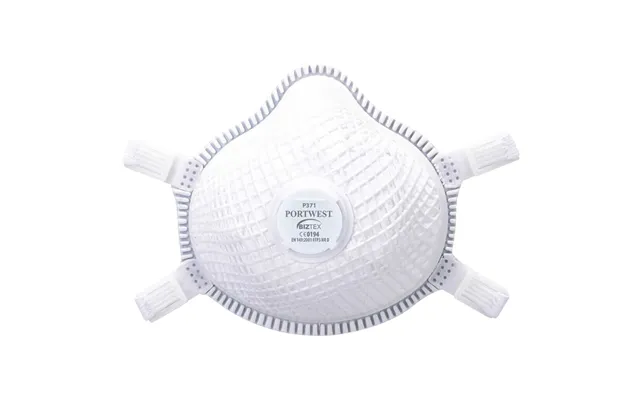
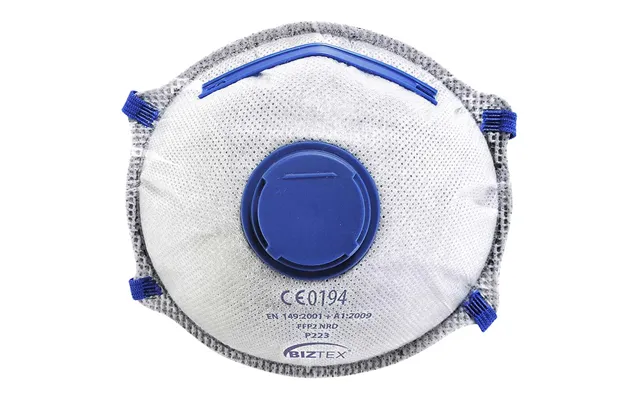
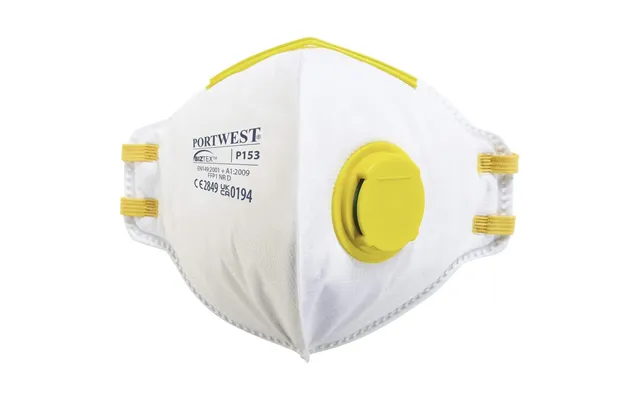
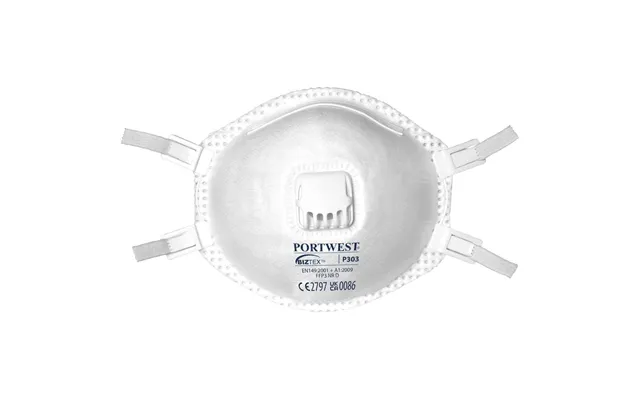
Valved masks help reduce heat and moisture build-up by letting exhaled air escape. That makes long sessions more comfortable and reduces fogging in eyewear. If you’re in a setting that requires source control (keeping your breath contained), go with non-valved options or ensure you understand the site requirements before choosing.
Headbands that split over the crown and neck provide a more secure fit than ear loops. Look for smooth, elastic straps and a mask body that maintains its shape—especially for molded disposables. Reusable respirators should feel balanced on your face with cushioned edges that don’t dig in after hours of wear.
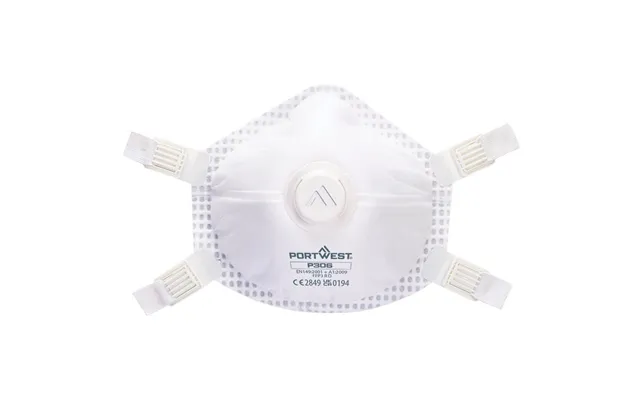
Different jobs kick up different hazards. Matching your mask to the task keeps you safe and comfortable—and helps you work faster, too.
Softwoods and hardwoods both create fine dust that can irritate airways. For weekend projects with orbital sanding, an FFP2 or equivalent is a solid baseline. For heavy sanding, routing, or working exotic woods that can be especially irritating, step up to FFP3 or a reusable half-mask with P3 filters. Bonus tip: pair your mask with a dust extraction sander and you’ll cut airborne dust dramatically.
Cutting or grinding concrete, brick, and stone releases fine particulates that deserve serious respect. FFP3 or a reusable half-mask with P3 filters is the wise choice here. Wet cutting can suppress dust, and local extraction helps, but your mask is still your last line of defense. If you’re doing this day in and day out, consider a PAPR for better comfort and consistent airflow.
For sanding between coats or scuff work, a particulate mask (FFP2 or FFP3) helps. But if you’re spraying solvent-based finishes or using strong chemicals, you’ll need a respirator that accepts appropriate gas and vapor cartridges alongside particulate pre-filters. Always check the product’s safety data to match the right cartridge type—don’t rely on guesswork.
Grass cutting, leaf blowing, and compost turning can fill the air with dust, spores, and pollen. A comfortable FFP2 or FFP3 mask with a valve can keep you breathing easy while you tame the yard. If you wear glasses, choose a design that seals well at the nose and consider anti-fog eyewear for a clear view of your cuts and edges.
Fit makes or breaks your protection. If a mask comes in multiple sizes, measure your face width and length and pick accordingly. When it arrives, perform a quick user seal check each time you put it on. Adjust the nose clip so it hugs your bridge without pinching, and position the straps so the mask sits evenly—one strap high over the crown, one lower around the neck is a good rule for many designs. If you feel air rushing at your cheeks or nose bridge when you exhale, refit until it’s snug. Still can’t get a seal? Try another model—face shapes vary, and the right mask should feel secure without discomfort.
Pro tip: If you’re working repeatedly, keep a clean-shaven seal area. Even short stubble can break the seal on tight-fitting respirators. For those who can’t shave due to personal or religious reasons, a loose-fitting PAPR hood offers a strong alternative without requiring a face seal.
Disposable masks are designed for limited use, and their performance drops as they clog with dust or get damp. If breathing becomes harder, the mask looks soiled, or the straps lose elasticity, it’s time to replace. Store them in a clean, dry bag between uses to extend life during short-term projects.
Reusable half-masks need a little TLC. After dusty sessions, tap out the filters gently (don’t wash them unless the manufacturer allows it), and wipe down the mask body with mild soap and water. Let it dry completely before the next use. Replace filters according to the manufacturer’s guidance or sooner if breathing resistance spikes or you notice damage. Keep your respirator in a sealed bag or case so it stays clean and ready to go.
There’s a sweet spot between “bargain bin” and “top-shelf.” Premium masks often deliver better fit, softer materials, and longer-lasting comfort—things that matter more than you might think after a few hours of work. That said, you can find excellent FFP2 and FFP3 disposables at fair prices if you compare options and read up on performance and fit feedback. For frequent users, a reusable half-mask plus P3 filters can be more economical over time than burning through stacks of disposables.
Think about value in terms of cost per day of real protection. A reusable respirator that you wear happily for months beats a cheap disposable that you dread putting on. After all, the best mask is the one you actually wear.
Look for masks that meet recognised standards for the UK market. Reputable brands indicate compliance on the packaging and on the mask itself. Certificates and markings aren’t just stickers—they’re your proof that the product has been tested to perform as claimed. If you’re buying for a workplace, your health and safety officer may require specific levels (for example, FFP3 for certain dusts). Always align your choice with risk assessments and site rules.
When dust masks are in high demand, prices can swing wildly. The easiest way to save without compromising is to compare across multiple retailers, keep an eye on seasonal deals, and verify authenticity before you click “buy.”
Aggregators like ZoneOffer help you compare offers from different sellers in one place, so you see price ranges and availability at a glance. Remember, ZoneOffer isn’t a store—it’s a comparison site—so always check the retailer’s details, reviews, and product authenticity before purchasing.
Counterfeits are out there. Verify that the mask shows the correct markings and model numbers. If a price looks too good to be true on a high-end FFP3, pause and dig deeper. Read reviews, inspect seller ratings, and when in doubt, favor established retailers or manufacturers’ authorized partners.
Here are the missteps that trip up even savvy buyers. Avoid these, and you’ll be miles ahead:
- Choosing a rating that’s too low for the job. Cutting concrete with a basic mask? Not worth the risk—go FFP3 or reusable with P3 filters. - Ignoring fit. A slight air leak equals reduced protection, plain and simple. - Reusing disposables far past their prime. If it’s clogged or damp, replace it. - Forgetting eye protection. Dust doesn’t just target your lungs; add safety goggles to shield your eyes. - Skipping the cartridge match when fumes are involved. Particulate filters don’t handle vapors. Use the correct cartridges for paints, solvents, or adhesives.
Small add-ons can make a big difference to your set-up. If you want to maximize comfort and performance, consider these extras.
Using a reusable respirator? Pair P3 filters with pre-filters to catch larger dust and extend filter life. If your work involves vapors or gases, add compatible cartridges, and use retainers to lock everything together securely. Keep a labeled bag for clean filters so you don’t mix used and new.
Dust masks handle what you breathe, but debris and shards threaten your eyes and face. Tight-sealing goggles reduce fogging when paired with valved masks, and a face shield protects from flying chips during grinding. If your tools roar, slip on hearing protection—foam earplugs or earmuffs—so you end the day with your hearing intact.
Concerned about waste from disposables? Consider a reusable half-mask with replaceable filters. You’ll toss fewer items over time, and your day-to-day comfort often improves. If you go the disposable route, buy thoughtfully: pick quality masks that you’ll use fully instead of stacks that languish in a drawer. Storing masks properly extends their life, which reduces waste and saves money.
As you compare products and pricing, you’ll run into a few common categories. Here’s how to read them quickly:
- FFP1/Basic Dust Masks: Good for light DIY, sweeping, and non-toxic dust. - FFP2/Moderate Protection: Suitable for sanding wood, plaster, and general building dust. - FFP3/High Protection: The top tier for fine particulate like concrete and stone dust. - Reusable Half-Masks: The all-rounder with interchangeable filters and cartridges. - PAPR Systems: Premium comfort and protection for heavy-duty or all-day work.
Working for hours? A few tricks go a long way. Rotate masks to let moisture dissipate between uses. If you wear glasses, shape the nose clip carefully and consider anti-fog wipes. Keep spare straps and filters on hand so you’re never stuck mid-project. And drink water—dry air and dust can dehydrate you faster than you think.
Allergy season can turn yardwork into a sneeze-fest. A comfortable FFP2 or FFP3 mask with a valve keeps pollen and dust at bay, letting you mow, trim, and compost without the sniffles. Because these sessions tend to be stop-and-go, choose a mask that’s quick to don and doff, and keep a clean storage bag in your pocket so the interior stays fresh between tasks.
If you notice persistent coughing, breathing difficulty during dusty work, or you’re tackling tasks known for high-risk dust (think silica from cutting stone), it’s time to step up. Move from FFP2 to FFP3, or consider a reusable respirator with P3 filters for a better seal and less overall cost across repeated sessions. For the most demanding environments, a PAPR system takes the strain off your lungs and keeps your face cooler—especially in hot workshops or attics.
Many projects involve both dust and fumes—like sanding between coats, then spraying finish. A modular respirator kit gives you flexibility: swap in P3 particulate filters for dust, then attach the appropriate vapor cartridges for spraying. Keep a small organizer box for filters and label everything clearly. That way you’re never guessing what’s what when it’s time to switch.
On a tight budget? Start with a pack of quality FFP2 or FFP3 masks for basic tasks. Add safety goggles and you’re covered for most DIY. If you do frequent or heavy dust work, invest in a reusable half-mask and P3 filters. Planning all-day sessions or working in tough conditions? Put a PAPR on your wishlist—it’s a game-changer for comfort and consistency.
The right dust mask turns a rough, dusty job into clean, confident work. Choose protection that matches your task, prioritize fit and comfort, and treat your mask like a tool you’ll use for years. Whether you lean toward convenient FFP3 disposables, a versatile reusable half-mask, or a premium PAPR, you’ll breathe easier and work smarter. Compare offers across multiple retailers, verify authenticity, and remember that ZoneOffer serves as a comparison site—use it to scout prices and options, then buy from trusted sellers. Your lungs will thank you the next time the dust starts to fly.
| Dust Masks | Price | |
|---|---|---|
| Portwest Anti-static Esd Lab Jacket - Zoom Grey | £ 23,20 | |
| P2 Fold-flat Valved Mask White | £ 28,30 | |
| Portwest Fr Mask Pk25 - Navy | £ 56,40 | |
| Disposable Protective Face Mask Box 2000 - Blue White | £ 245,99 |