

Welding Helmets price list
Last updated Monday, 19 Oct 2026




View 9 Offers




Loading...
Last updated Monday, 19 Oct 2026
Whether you’re laying a quick bead in the garage or running production welds all week, your eyes and face are on the front line. A solid welding helmet isn’t just a box to tick; it’s your shield against arc flash, impacts, heat, and spatter. The right helmet can boost your accuracy, reduce fatigue, and frankly, make the job feel easier. If you’ve ever squinted through a scratched lens or fought with a flimsy headband, you know the difference. Ready to work smarter and safer? Let’s break down what to look for—and how to compare popular offers and price lists in the UK without overpaying.
Not all welding helmets are created equal. From simple passive hoods to high-end auto-darkening systems with respiratory protection, there’s a helmet for every craftsperson and every budget. Understanding the core types helps you pick a winner the first time.
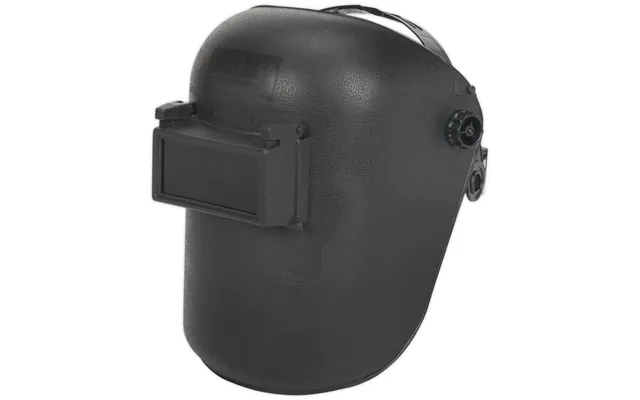
Passive helmets use a fixed-shade lens, often around shade 10, that stays dark all the time. They’re tough, affordable, and great for jobs where you repeat the same weld over and over. The trade-off? You flip the hood up to set your work, then snap it down to strike the arc. If you’re a purist or you want a reliable backup that doesn’t rely on batteries, passive is a rock-solid option.
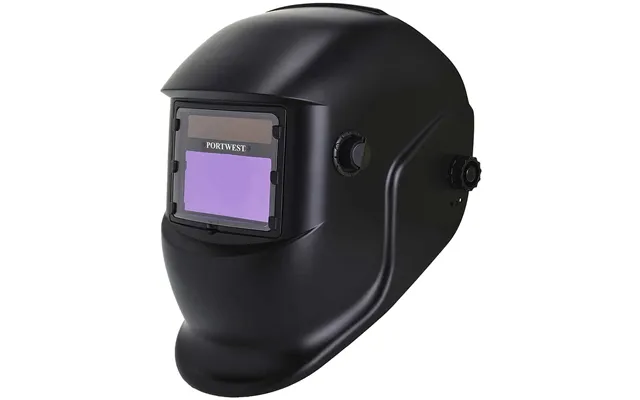
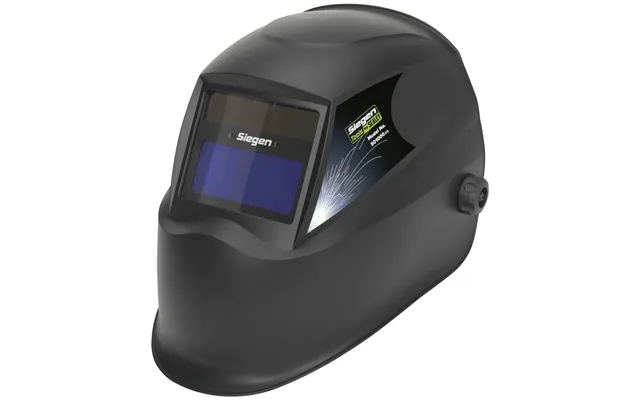
Auto-darkening helmets (ADFs) use sensors to detect the arc and switch the lens from light to dark in a fraction of a second. This means you can position your torch with the hood down, see clearly, and weld without a clumsy head nod. With adjustable shade ranges, sensitivity, and delay settings, ADFs are the sweet spot for most welders—from weekend builders to seasoned pros.
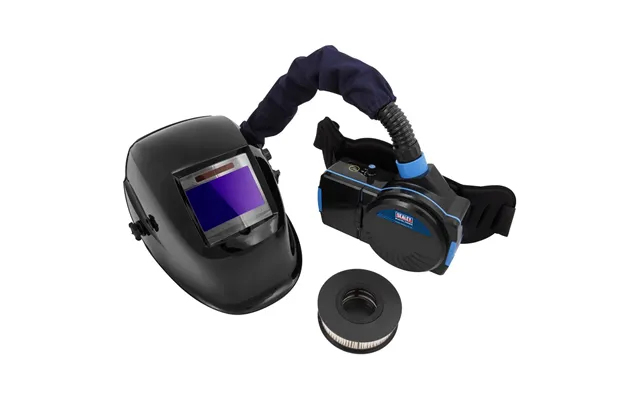
Powered Air-Purifying Respirator (PAPR) helmets integrate a blower and filter system that feeds clean air into the helmet. This is a game-changer when you work around fumes, stainless, or coated materials. Yes, they cost more, but the comfort and respiratory protection can be worth every penny if you weld for long stretches or in tight, smoky environments.
Some helmets feature a flip-up or modular front that lifts the auto-darkening filter out of the way, revealing a clear grinding visor. If you switch between cutting, grinding, and welding, a flip-up can save time and hassle. It’s like getting a two-in-one face shield without changing gear between steps.
Auto-darkening feels like magic the first time you use it, but it’s actually clever optics and electronics doing the heavy lifting. Understanding a few basics helps you tune your helmet for crisp visibility and consistent protection.
Most ADF helmets have two to four arc sensors. More sensors typically mean better reliability when you’re working out of position or near other welders. Sensitivity controls let you dial in how easily the lens switches, while delay controls affect how long the lens stays dark after you stop welding. If you’re welding thin material or TIG at low amps, bump up sensitivity. If you want the lens to stay dark a touch longer to avoid afterglow, increase the delay.
Common shade ranges run from 9–13 for most MIG, TIG, and stick welding, with cut or grind modes at lighter settings. Heavy MIG on thicker plate might call for shade 12–13, while low-amp TIG could need shade 9–10. Having a broad, adjustable range lets you cover multiple processes without swapping lenses.
Traditional lenses skew green, which can distort your view of the puddle and joint. True-color or color-optimized ADFs improve contrast and clarity, helping you read the puddle like a book. It’s not just a nice-to-have—better color fidelity can improve your bead placement and reduce rework.
If the helmet pinches or feels front-heavy, you’ll notice within minutes. Comfort equals productivity. A well-balanced helmet reduces neck strain and lets you focus on the weld, not the gear.
Look for multiple adjustment points: top straps, rear ratchet, and fore-aft settings. A micro-ratcheting dial makes quick tweaks easy, especially when you’re wearing gloves. A good sweatband and breathable padding elevate comfort during long sessions.
Weight matters, but balance matters more. A slightly heavier, well-balanced helmet can feel better than a featherweight model that’s front-heavy. Plush padding and a wider headband spread pressure, so your head doesn’t feel like it’s wearing a clamp after a few hours.
On sites where a hard hat is mandatory, check for compatible adapters. If you wear a half-mask respirator, make sure it fits under the hood without breaking the seal. Some helmets are designed with extra clearance—and that detail makes all the difference when safety rules stack up.
A bigger window can help you track the puddle without moving your head as much, which is great for long, continuous welds or out-of-position work. But there’s a balance between size, weight, and cost.
Typical viewing areas might be around 3.62 x 1.65 inches, which suits many tasks and keeps the helmet compact. Larger windows—like 3.94 x 2.36 inches or around 4.0 x 3.7 inches—offer a panoramic feel that some welders swear by. If you do lots of structural or pipe work where visibility is tricky, a bigger window can be a productivity booster.
Helmets are personal protective equipment, so compliance isn’t optional. Reputable models meet standards for impact resistance and optical clarity. Don’t gamble with no-name gear that can’t prove its credentials.
Look for compliance with EN 175 for facial protection and EN 379 for auto-darkening filters. Many helmets also meet ANSI Z87.1 for impact. Regardless of shade, the filter should block harmful UV and IR at all times—even when the lens is in the light state. That means your eyes are protected before, during, and after the arc.
Auto-darkening helmets need power, but the setup and upkeep are straightforward. Treat the lens like the precision instrument it is, and it will serve you for years.
Most ADFs use replaceable lithium coin cells, often with solar assist to extend life. Some models use rechargeable packs. If you weld daily, quick access to the battery compartment is a plus. Keep spare batteries in your toolbox, and test the lens each time you gear up.
Outer and inner protective lenses are sacrificial—replace them when they’re scratched or pitted. Clean with a soft cloth and a gentle cleaner to avoid micro-scratches. Availability of spare parts—headgear, covers, sweatbands—can turn a good helmet into a long-term investment instead of a disposable purchase.
It’s easy to get dazzled by spec sheets. Focus on features that save time, reduce mistakes, and make your day smoother.
Grind mode locks the lens in a light state so you can grind or cut without swapping to a face shield. If you move between tasks often, an external grind button is a huge convenience—no flipping the hood to hunt for a tiny switch.
External knobs for shade, delay, and sensitivity are glove-friendly and quick. A locking shade setting helps when you need a fixed value, like a specific TIG job where consistency is everything.
Some helmets let you save presets—one for MIG, one for TIG, one for stick, for example. Tap a button and you’re dialed for the next task. It’s like muscle memory for your helmet settings.
Your workflow, processes, and environment should guide your choice. A casual hobbyist needs different features than a fabricator in a busy shipyard. Pick for your reality, not someone else’s.
If you weld on weekends or handle small repairs, an entry-level auto-darkening helmet with a decent viewing area and reliable sensors is perfect. Seek a comfortable headband, grind mode, and easy-to-find replacement lenses. You don’t need every bell and whistle—just trustworthy performance.
Daily welding calls for premium optics, superior headgear, and rugged shells. Look for true-color filters, multiple sensors, wider viewing areas, and strong compliance credentials. If you work long hours, pay attention to weight balance and padding. In fume-heavy work, consider stepping up to PAPR for comfort and health.
Training environments benefit from durable, straightforward helmets that are easy to maintain. Clear controls, replaceable parts, and sturdy headgear will survive constant use. For instruction, a larger viewing area helps new welders see what they’re doing and learn faster.
You’ll find a spread of price points across the UK market. Budget models cover basic needs and are great for occasional use. Mid-range helmets add clearer optics, better ergonomics, and more refined controls. Premium options deliver top-tier optics, true-color clarity, larger viewing areas, and sometimes integrated PAPR. Rather than chasing the cheapest ticket, weigh durability, comfort, and the cost of consumables like lenses over time—value is more than a number on a tag.
The UK is rich with welding gear options, which is good news for you—if you compare wisely. Browse popular offers and dig into price lists, but always read the fine print: included accessories, warranty length, and availability of spares can make or break a deal.
Price comparison platforms, such as ZoneOffer, help you scan multiple retailers at once so you can weigh specs, features, and prices side by side. Filter by features you actually need—viewing area, shade range, grind mode, compliance standards—and shortlist two or three models. Then check availability of consumables and read user feedback to confirm real-world performance.
A flashy spec that you’ll never use isn’t value—it’s clutter. Focus on clarity, comfort, consistent darkening performance, and build quality. If two helmets feel similar on paper, choose the one with better spares availability and a longer track record. That’s the kind of value that shows up every single day.
While the “best” helmet depends on your needs, certain brands have earned their stripes with UK welders. Use these names as starting points when comparing features and offers.
Known for excellent optics, ergonomic headgear, and pro-grade durability. You’ll find models that cater to everything from light fabrication to heavy industrial work, including PAPR systems for fume control.
Optrel emphasizes true-color lenses, light weight, and comfort. Many users praise the crisp puddle view and well-balanced shells. If eye comfort is your priority, Optrel is worth a look.
ESAB helmets blend durable shells with practical features and wide viewing areas. They’re a popular choice among fabricators who want reliable performance without fluff.
Lincoln’s lines cover hobbyist to pro with clarity-focused lenses, grind modes, and comfortable headgear. They’re common in training programs and job shops for good reason.
Miller offers sturdy helmets with user-friendly controls, true-color options, and dependable sensors. If you value straightforward setup and consistent performance, Miller is a safe bet.
A great helmet is the cornerstone, but total safety means thinking head-to-toe. Your PPE should work as a system, not a collection of random parts.
Pair your helmet with flame-resistant jackets, sleeves, and high-heat gloves. If your work kicks up fumes, consider a half-mask respirator that fits comfortably under your hood—or step up to a PAPR if your jobs demand it.
Good lighting helps you see joint prep and fit-up before you strike an arc. Keep the work area clear, clamp leads securely, and position yourself for a natural line of sight. It’s like setting the stage—when everything’s in place, the weld just flows.
Even the best helmets need a little attention. Here’s how to fix the most common hiccups without losing shop time.
Check the batteries first, then verify that sensitivity isn’t set too low. Make sure the sensors aren’t blocked by spatter or a stray gloved hand. If you’re outdoors in bright sun, adjust sensitivity upward so ambient light doesn’t confuse the sensor.
Flicker often means sensitivity or delay needs tweaking. Increase delay slightly to keep the lens dark through the afterglow. If multiple welders are nearby, your sensors might be picking up their arcs—adjust your angle or increase sensitivity.
Replace the outer cover lens as soon as scratches or pits appear. It’s a cheap fix that restores clarity instantly. Keep a few spares in your kit, and store your helmet in a clean bag to avoid accidental scuffs.
When you scan popular offers or a welding helmet price list, look beyond the headline. Ask: What’s included? Are extra lenses or storage bags bundled? What’s the warranty? And can you easily source parts in the UK? A slightly higher upfront price can be the smarter pick if it saves you time, eyestrain, and replacement hassle down the line.
Start with a basic ADF, set shade to the middle of the recommended range for your process, and test on scrap. Tune sensitivity so it triggers reliably without false darkening. Set delay to a comfortable middle ground, and keep spare batteries handy. You’ll be dialed in faster than you think.
For frequent TIG, prioritize true-color optics and a lens that handles low-amp arcs consistently. For heavy MIG, ensure a wide shade range and external controls. If you move around large assemblies, a bigger viewing window reduces neck movement and speeds up your workflow.
Your welding helmet is more than a shield—it’s your window to better, safer work. Choose the type that fits your processes, prioritize true-color clarity and reliable sensors, and never compromise on comfort. Compare offers thoughtfully, check compliance and spare-part availability, and remember that genuine value shows up in every clean bead, every saved minute, and every day your eyes feel fresh after a long shift. The right helmet doesn’t just protect you—it helps you weld at your best.