All categories
Business & Offices
Electronics & Media
Fashion & Accessories
Groceries & Essentials
Health & Personal Care
Home & Living
Kids & Family
Sports & Outdoors
Search in ZoneOffer

Loading...
When people think personal protective equipment, they jump straight to hard hats, safety boots, and gloves. But the “other” category of work safety protective gear is where the quieter heroes live—everything from face shields and goggles to knee pads, tool lanyards, cooling gear, back supports, and disposable coveralls. These pieces don’t always steal the spotlight, yet they’re often the difference between a close call and an avoidable injury. The best part? You can upgrade your setup without blowing your budget when you compare prices across multiple sellers and pounce on seasonal discounts.
If you’ve ever grabbed the cheapest option and regretted it a week later, you’re not alone. The trick is recognizing what to buy once (and buy well), and what to stock up on in multipacks. With a solid comparison strategy, you can get durable, comfortable, and compliant gear at a great price—especially for the “other” items that tend to get overlooked until you really need them.
“Other” is a broad bucket by design. It includes the add-ons, accessories, and specialized kit that rounds out your PPE lineup and adapts it to the real world. Think of it as the toolkit that keeps everything else working as hard as you do. If your job has you grinding, sanding, cutting, lifting, mixing, climbing, or working outdoors, you’ll probably find your must-haves here.
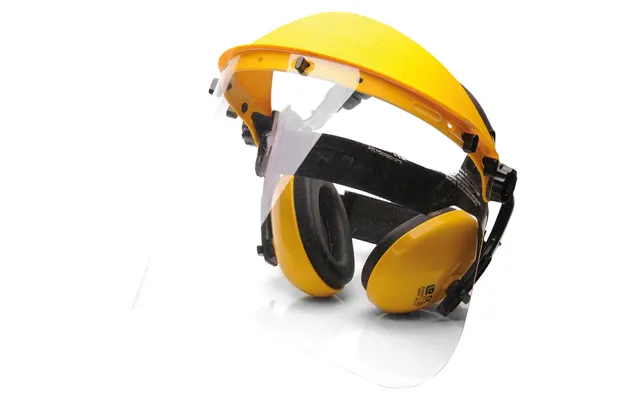
Anti-fog goggles, over-glasses eyewear, face shields with flip-up visors, and replaceable polycarbonate lenses all live here. The right face protection should be comfortable, scratch-resistant, and compatible with your hard hat or earmuffs. Look for wraparound designs that seal well and shields thick enough to take a hit—think durable lens materials measured in mils for impact resilience—and consider coatings that fight fogging when you’re working hard or moving between temperatures.
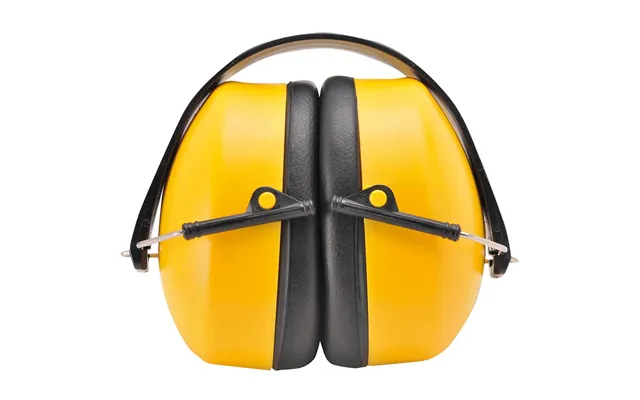
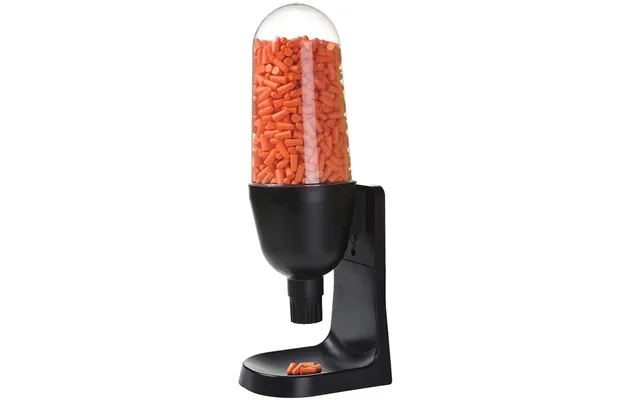
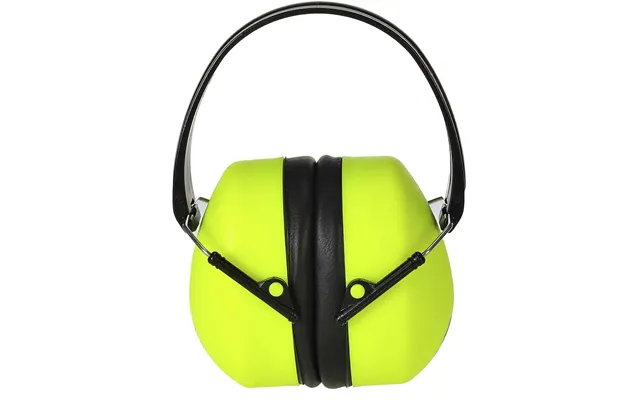
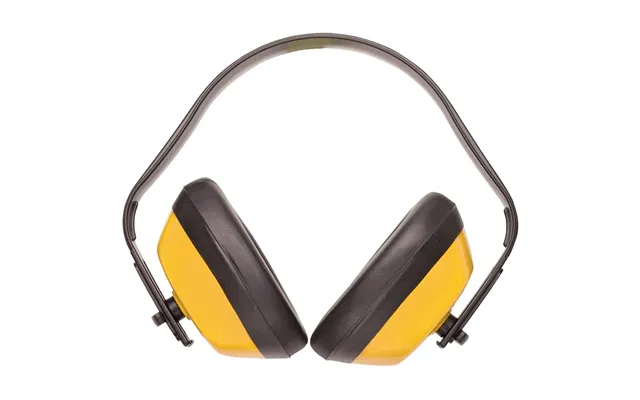
Ear muffs, ear plugs, and helmet-mounted hearing protectors sit in this category too. The goal? Enough noise reduction to protect your hearing without shutting you off from critical communication. If you’re frequently on tools or in loud industrial spaces, you’ll want reliable attenuation and replaceable cushions or plugs. Bonus points for muffs that play nicely with face shields and hard hats without pinching.
Beyond full respirators, the “other” aisle includes replacement filters, filter retainers, and pre-filters that extend the life of your main cartridges. You’ll also find disposable masks for light-duty work and splash hoods designed to shield against fumes and droplets. If you’re dealing with dust, fibers, or spray, these accessories save money and keep protection consistent over time.
Cut-resistant sleeves, chemical-resistant aprons, cooling neck shades, disposable coveralls, and shoe covers all qualify. Sleeves protect forearms when gloves aren’t enough. Aprons shield from splashes during mixing or cleaning. Cooling gear keeps you more productive during hot workdays—yes, even in the UK. And disposable coveralls are your friend when the mess isn’t worth bringing home.
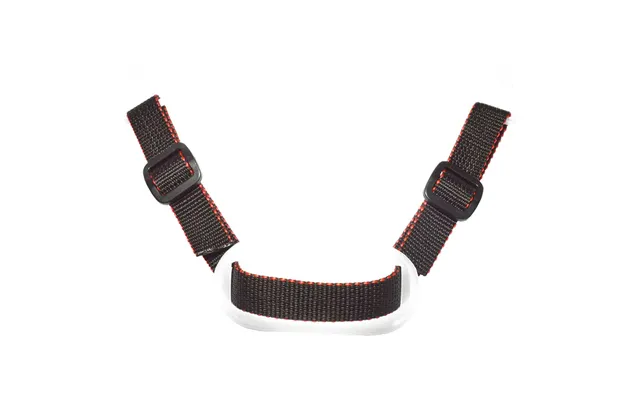
Tool lanyards, tether points, anchor slings, and helmet chin straps might not be the main harness, but they’re essential for working at height. Dropped tools can be just as dangerous as falls. Tethers with dependable weight ratings and secure attachment points reduce risk and keep workflow smooth.
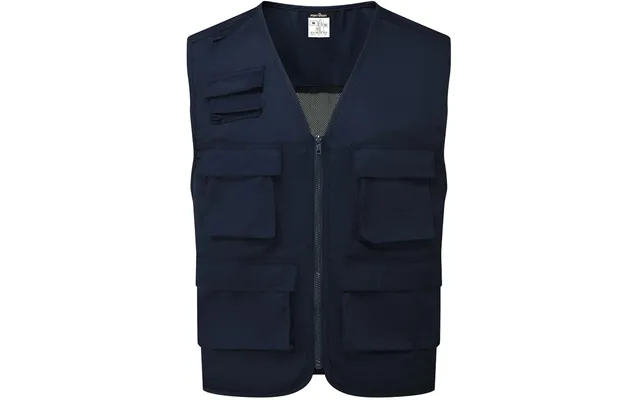
High-visibility vests, armbands, reflective decals, and jobsite signage all fall under “other.” Whether you’re on roadside jobs, in dim warehouses, or outdoors at dawn, visibility upgrades are low cost and high impact. Choose reflective materials with strong retroreflective performance and secure stitching that doesn’t unravel after a few tough shifts.
When you browse multiple retailers and compare offers side-by-side, you stop guessing and start knowing the going rate for quality gear. That’s where a comparison site is your best friend, letting you scan popular offers, price trends, and product variations quickly. You’ll spot brands quietly dropping prices, seasonal promotions you might otherwise miss, and multipacks that slash your cost per unit without sacrificing quality.
Pricing for “other” safety gear moves across the year. Cooling vests, for instance, often see deals when the weather heats up, while disposable coveralls and respiratory accessories can dip when seasonal demand eases. By checking in regularly and tracking a handful of products you actually use, you’ll build a feel for what’s a bargain and what’s just marketing fluff.
Some gear is perfect for multipacks—think ear plugs, disposable masks, and coveralls. For higher-end kit like face shields or premium goggles, you might get more value from a bundle that includes extra lenses or anti-fog wipes. The payoff is clear: stop paying full price for consumables you’ll buy again anyway, and invest once in the durable items you’ll wear every day.
Not all safety gear is created equal. If you’ve ever tried to work through a shift with fogged lenses or digging knee pads, you know comfort and durability are must-haves, not luxuries. Here’s how to judge the good stuff fast.
Look for tough polycarbonate in face shields and goggles, high-denier fabrics in aprons and coveralls, and reinforced stitching that won’t pop when you bend or stretch. For chemical-resistant gear, check compatibility with the substances you handle—manufacturers list this clearly—and choose thicker aprons measured in mils if splashes are likely. With tool tethers, seek strong webbing and secure carabiners with reliable gate action.
Adjustable straps, soft seals, breathable fabrics, and balanced weight distribution all add up. Goggles should seal without pressure points. Knee pads should spread load across a larger surface so they don’t bite into your skin. Cooling vests should sit close to the body without sagging, and back support belts should offer firm support without restricting natural movement.
Goggles need to fit with your hard hat and ear muffs; face shields should mount securely without blocking your view; ear muffs should seal well even with other gear. Before buying, double-check mounting systems, strap routing, and whether replacement parts are readily available. Nothing is more frustrating than a great shield that won’t clip onto your helmet.
Some items are designed to last—like a premium face shield—while others are consumables by nature—like shoe covers. Aim to invest in durability where daily wear and tear matters, and save on disposables by buying in bulk. That balance keeps your budget tight and your protection consistent.
Want a short list of smart upgrades? These are the unsung heroes of the jobsite. They’re practical, budget-friendly when you compare prices properly, and they make work safer and more comfortable from day one.
If you’re moving between hot and cool spaces or working hard, fog is your enemy. Choose goggles with advanced anti-fog coatings and indirect ventilation. Over-glasses designs are a win if you wear prescription frames, and wide adjustable straps help them sit snugly without biting in. Make sure the lenses resist scratching—a clear view is non-negotiable when you’re on tools.
A clear, impact-resistant visor that flips up fast is a massive productivity boost. You’ll appreciate it during frequent inspections or when you need to switch from grinding to measuring. Look for strong ratcheting headgear, replaceable visors, and comfortable brow pads. A thicker visor measured in mils typically lasts longer under heavy use.
When your forearms are in the line of fire—handling glass, sheet metal, or sharp edges—cut-resistant sleeves are worth their weight. Choose sleeves that won’t slide down and that breathe well enough to wear in warmer conditions. Thumb holes help them stay put, and seamless designs reduce irritation.
Heat drains energy fast. Cooling vests and neck shades help maintain comfort and focus on hot days. Look for lightweight materials and replaceable cooling inserts. If you’re working outdoors, a reflective neck shade that clips to your hard hat can reduce sun exposure while keeping air flowing.
Good knee pads distribute pressure, avoid pinching, and stay in place when you crawl or pivot. Hard caps glide on rough surfaces; soft caps grip better on smooth floors. For tasks with frequent kneeling, consider gel-cushioned pads for long-haul comfort. Add shin protection if your work routinely puts your legs up against edges or steps.
Lifting and twisting all day? A back support belt can remind you to keep proper form while adding light support. Choose breathable materials, solid Velcro closures, and adjustable tension. It’s not a license to lift improperly, but it’s a smart safeguard for repetitive movement.
Working at height or above colleagues? Tether tools. Look for lanyards with clear weight ratings, locking clips, and stretch sections that reduce snags. Pair them with attachment points designed for your specific tools—no improvising with tape and hope. A dropped tool is a hazard you can easily prevent.
If splashes, cleaning agents, or oils are part of your day, a sturdy apron is a cheap insurance policy. Thicker aprons measured in mils stand up better to abrasion, while adjustable neck and waist straps keep them comfortable. Confirm compatibility with the chemicals you use and check stitching quality at stress points.
For dusty, dirty, or contaminant-sensitive tasks, disposable coveralls and shoe covers help keep your clothing and work area clean. Choose models with reinforced knees and elastic cuffs for a better seal. Buying in bulk lowers unit cost, so compare multipack pricing before you hit “buy.”
The right PPE isn’t one-size-fits-all. Your environment, tasks, and exposure risks determine the best pick. Use the following quick guide to narrow your choices before you compare prices and brands.
Focus on face shields, anti-fog goggles, knee pads, tool lanyards, and cut-resistant sleeves. Look for hard-wearing materials that shrug off dust, debris, and sharp edges. If you’re in demolition or metalwork, prioritize impact resistance and visibility. For outdoor work, add cooling gear and reflective accessories.
Back support belts, anti-slip shoe covers, and high-visibility vests pay off here. If you’re picking and packing, light and breathable gear will keep you moving. Consider hearing protection if you’re around forklifts and conveyors, and use lightweight gloves and sleeves for box handling when edges are a risk.
Disposable coveralls, shoe covers, face shields, and splash-resistant aprons are your core kit. Anti-fog is essential if you’re wearing masks or respirators. For long shifts, prioritize comfort: soft seals on goggles, smooth seams on sleeves, and adjustable headgear that doesn’t create hot spots.
Reflective gear, neck shades, and weather-tough face shields make a difference. Choose goggles that seal well against dust and wind. If you’re working on poles or elevated platforms, tool lanyards and chin straps on helmets are a must. Don’t forget lightweight layers that dry quickly when the weather flips.
Safety gear only counts if it meets recognized standards and is appropriate for your job. In the UK, look for products that carry valid conformity markings and reference relevant performance standards for eye protection, hearing protection, and impact resistance. If you work under specific site rules or industry requirements, confirm your gear matches those. Cut corners on branding or documentation, and you risk failing audits—or worse, putting people at risk.
As a practical tip, stick with brands that publish clear datasheets, offer replacement parts, and state compatibility with common helmets, muffs, and respirators. That transparency signals you’re not dealing with a mystery product, and it makes ongoing maintenance cheaper and easier.
Good gear lasts longer when you treat it right. A few habits add months of life and keep protection reliable shift after shift. Think of it like keeping a good set of tools in shape—you don’t toss your drill on wet concrete and expect it to love you back.
For goggles and face shields, use lens-safe wipes or mild soap and water, then pat dry with a soft cloth. Avoid harsh solvents that attack coatings. For aprons and sleeves, follow the manufacturer’s cleaning guidance—some allow gentle washing, others prefer wipe-down only. Ear muffs benefit from regular cushion cleaning to keep the seal strong and comfortable.
Store eyewear and shields in a soft bag or on a clean shelf to prevent scratching. Keep elastics and straps out of direct sunlight to avoid premature aging. Hang aprons to dry fully after cleaning, and don’t crush cooling vests under heavy tools. With disposable items, keep boxes sealed and clean so you’re not contaminating gear before you even use it.
If goggles are scratched, seals cracked, or straps stretched, replace them. If a face shield is cloudy or pitted, it’s done. Tool lanyards showing fraying or hardware damage must go immediately. With hearing protection, old or hardened cushions won’t seal well—swap them out on a regular schedule. Don’t push your luck; worn-out PPE is pretend protection.
The smartest savings come from buying the right thing once, not the wrong thing twice. You can protect your team and your budget at the same time by being picky about where to invest and when to stock up.
Spend a little more on goggles, face shields, and knee pads that will hold up to daily use. You’ll spend less across the year than replacing cheap gear every few weeks. Look for replacement parts like visor inserts and strap kits—those extend lifespan and stretch your budget further.
Save on bulk items such as disposable coveralls, shoe covers, ear plugs, and cleaning wipes by comparing multipack deals. For premium items like a robust shield or gel knee pads, a single higher-quality purchase is usually the winner. The trick is matching purchase style to product type.
It’s not just the sticker price. Consider downtime, avoidable injuries, and replacement cycles. Reliable PPE keeps shifts productive and reduces the chance of accidents that cost far more than any price tag. Viewed through that lens, buying smarter protection is an investment, not an expense.
Hunting for a bargain across multiple retailers can be time-consuming—unless you use a comparison site that gathers offers in one place. Instead of hopping tab to tab, you can scan popular offers, check a price list, and jump straight to the deals that match your needs. That means fewer impulse buys, more evidence-backed choices, and a clearer view of the market. And because “other” safety gear includes so many sub-categories, having everything organized makes it easier to spot the exact model—say, a flip-up shield with a specific mounting system or a knee pad with the cushion style you like—at a better price.
Remember, a comparison site isn’t a store; it’s a guidepost. Use it to benchmark pricing, discover brands you hadn’t considered, compare bundles versus singles, and get confident that you’re paying a fair rate. Once you’ve narrowed the field, you’re ready to grab the deal from the retailer that suits you best.
Let’s make this practical. Say you need anti-fog goggles that fit over prescription glasses. You search and find several similar models. The premium pair includes a protective pouch and a robust anti-scratch coating; the budget pair doesn’t. After comparing, you notice the premium pair often includes spare straps or lens wipes, trimming long-term costs. Over a few months, the better pair stays usable, while the cheap ones scratch up. The initial savings vanish, and you’re back to buying again. The premium option wins by a mile.
Now consider disposable coveralls. Here, buying in bulk nearly always wins—especially with reinforced knees and elasticated cuffs. By comparing multipack prices, you may cut the cost per suit significantly. You still get dependable protection, but without paying top dollar per unit. That’s how you blend value and safety.
Skipping compatibility checks is the big one—like grabbing a shield that won’t mount to your helmet. Another is ignoring fit. Loose goggles won’t protect when dust creeps in, and knee pads that slip are practically useless. Finally, neglecting maintenance shortens lifespan unnecessarily. Clean gear lasts longer and protects better, end of story.
The “other” category of work safety protective gear is where practical improvements live—goggles that don’t fog, shields that flip up smoothly, sleeves that shrug off sharp edges, and tethers that stop dropped tools cold. When you compare offers and weigh features that actually matter—materials, comfort, compatibility, and replaceability—you end up with safer crews, fewer headaches, and money left in your budget. Use a trusted comparison platform to scan popular offers and price lists, target the right gear for your job, and move fast when the deal is right. Work smarter, protect better, and make every pound count.
| Work Safety Protective Gear - Other | Price | |
|---|---|---|
| Lone Worker Hse Travel Kit In Small Standard Box - K308 | £ 15,60 | |
| Kewtech Combination Lock Off Device | £ 26,62 | |
| Dangers Of Working At Night Online Training Course | £ 29,- | |
| Working At Height Cpd Certified Online Course | £ 35,- | |
| Primspine Lumbosacral Work Belt - Size M | £ 39,50 | |
| Swarfega Extreme 5l Heavy Duty Hand Cleaner Pump Bottle - Shd5lmp | £ 45,84 | |
| Jobst Opaque - Compression Tights | £ 62,70 | |
| Portwest Biztex Microporous Shoe Cover Type Pb 6 - White | £ 103,- | |
| Portwest 20 Litre Oil Only Kit - White | £ 115,50 |