All categories
Business & Offices
Electronics & Media
Fashion & Accessories
Groceries & Essentials
Health & Personal Care
Home & Living
Kids & Family
Sports & Outdoors
Search in ZoneOffer

Loading...
Think of an audio mixer as the command centre of your sound. It gathers signals from microphones, instruments, phones, laptops, and DJ decks, blends them together, and gives you control over tone, balance, and effects. Whether you’re streaming from a spare room, leading worship, running sound at a pub gig, or producing a podcast, a great mixer helps everything sound polished and professional. Want a cleaner vocal, a tighter kick, or smoother background music? A mixer gives you the faders, knobs, and routing options to make it happen without fuss.
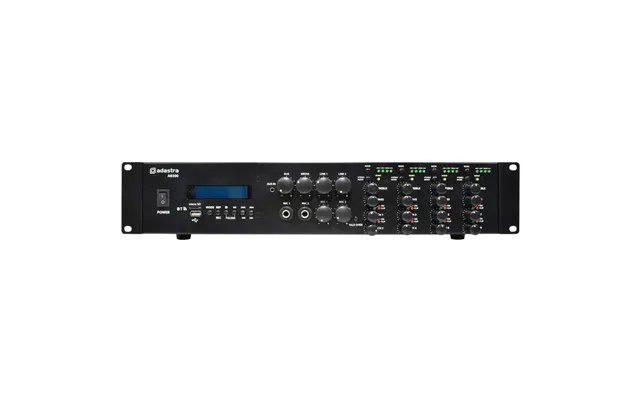
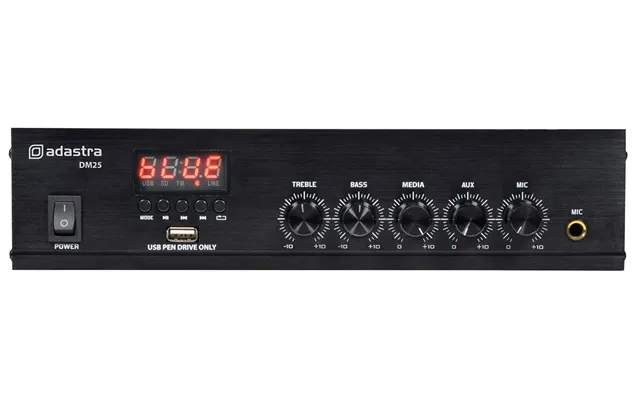
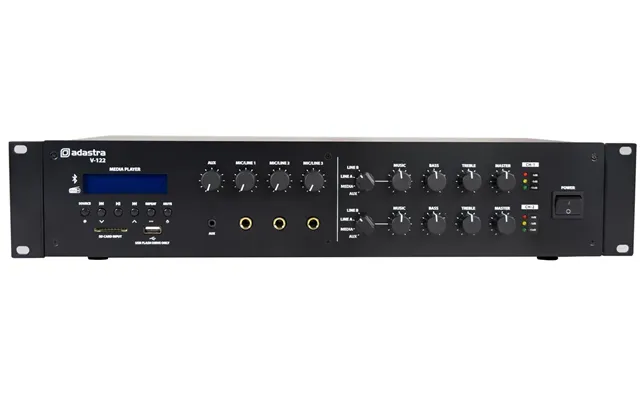
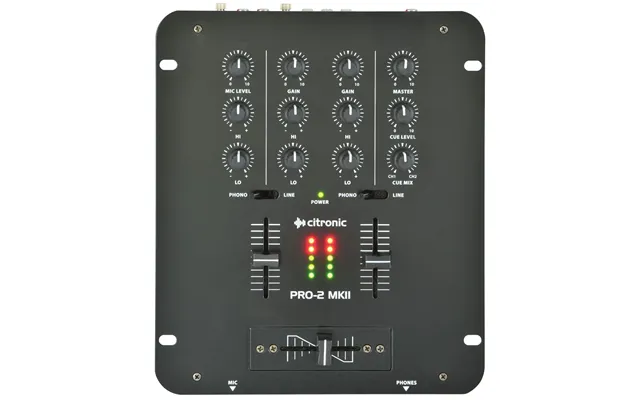
The best part? Modern mixers come in all shapes and sizes. You can grab a tiny 2–6 channel box for simple setups, a compact USB mixer for content creation, or a full-featured digital desk for bands and venues. As offers shift across the UK, comparing models side by side helps you spot the sweet combination of features, build quality, and price that suit your workflow.
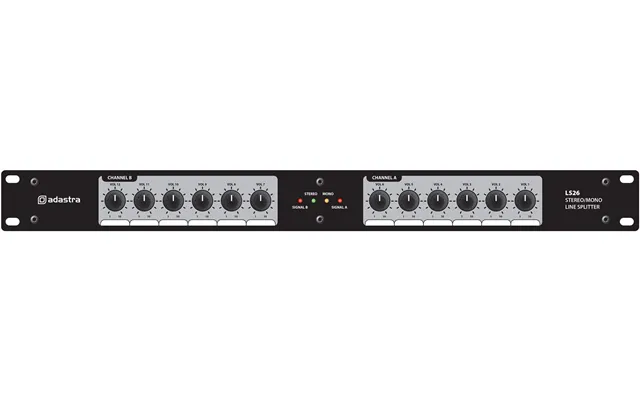
Analog mixers are the old-school legends: tactile knobs, quick hands-on tweaks, and instant results. They’re brilliant for straightforward gigs and rehearsal rooms where reliability and speed matter more than deep menus. Digital mixers are the modern multitaskers: scene recall, built-in processing, multitrack recording, and app control. If you like saving settings, mixing on a tablet, and packing more power into a smaller footprint, digital is hard to beat.
There’s no “right” answer—only what’s right for your setup. If you want a plug-in-and-go vibe, analog often wins. If you want flexibility, remote control, and recall for different shows, digital will reward you daily. Many creators and venues use both styles depending on the gig.
Do you prefer to mix by feel? Analog desks shine for users who want physical control without menus. For small bands, cafés, and community events, a compact analog mixer offers reliability, clear layout, and quick EQ tweaks. Many popular analog lines from brands like Mackie, Yamaha, Soundcraft, and Allen & Heath serve as rock-solid workhorses for years. They’re also great teaching tools—new users learn gain staging, EQ, and routing visually and intuitively.
If you run frequent shows, manage different bands, or need advanced tools without a pile of outboard gear, go digital. Options from Behringer, PreSonus, Soundcraft, Allen & Heath, and others pack in effects, dynamics, flexible routing, and wireless control. Saving scenes is a lifesaver: lock in a soundcheck mix, and you’re seconds from ready when the doors open. Content creators love digital because it can double as a multitrack recorder and audio interface—ideal for editing later.
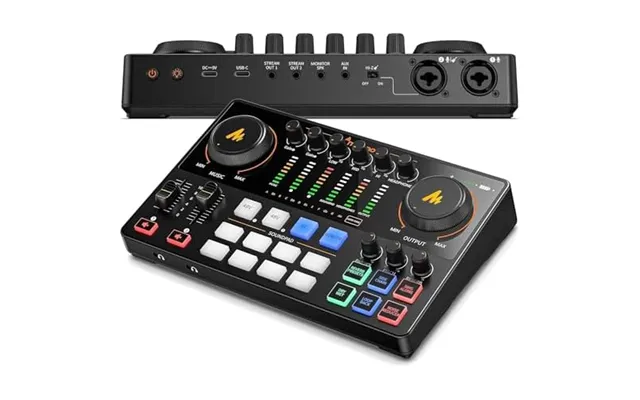
Today’s mixers aren’t just for live sound. Many double as USB interfaces so you can record or stream without extra gear. Some add Bluetooth for quick music playback from a phone—handy for background tracks, walk-in music, or reference listening. For creators, a USB mixer that routes mic, guest, and music sources into your computer cleanly can transform your stream or podcast overnight.
Look for mixers that offer flexible USB routing, mix-minus options for remote guests, and dedicated headphone controls. Some include built-in voice processing or channel presets for faster setup. If you stream regularly, these quality-of-life features matter more than you might think.
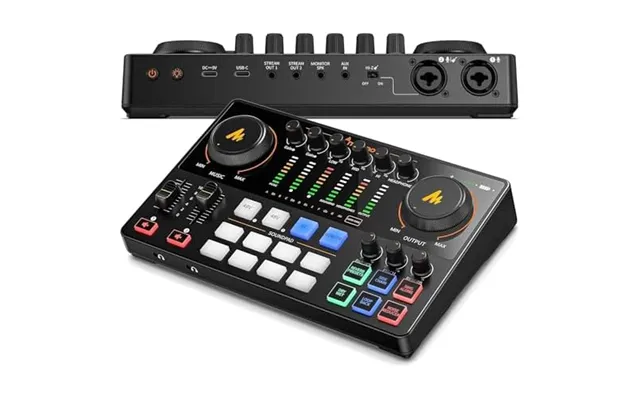
Podcasters and streamers benefit from mixers designed for talk-based formats. These may include sound pads for stingers, easy ducking of background music under speech, and fast routing to handle local mics, remote guests, and call-ins without feedback loops. Popular creator-focused units from brands like RØDE, Tascam, and Zoom offer dedicated controls that keep your show flowing even when you’re juggling guests, music, and calls.
Solo artists and duos often need just a couple of mic inputs, an instrument input, and simple effects for vocals or guitar. Compact mixers from makers like Yamaha, Mackie, and Alesis deliver that in a form factor small enough to fit in a backpack. Many are under a foot wide, weigh just a few pounds, and still include onboard reverbs and delays for a polished, never-dry sound. Pair one with a lightweight speaker, and you’re gig-ready without breaking your back.
For bands and venues, channel count, flexible monitoring, and robust build quality are crucial. A good live mixer should handle several mics, stereo instruments, backing tracks, and multiple monitor mixes without running out of headroom. Analog desks from Allen & Heath, Soundcraft, Yamaha, and Mackie remain favourites for simple setups. Digital systems—from compact stageboxes to full surfaces—let you run sound from a tablet anywhere in the room, dial in monitors without running to the stage, and save scenes for different acts.
When you’re managing changing lineups, acoustic acts one night and rock bands the next, recall and built-in processing aren’t nice-to-haves—they’re essential. The ability to load yesterday’s scene, make small tweaks, and mix from the floor can make your shows smoother and your audience happier.
DJ mixers and live mixers are cousins, not twins. DJ mixers focus on crossfaders, cueing, smooth transitions, and effects suited to decks and controllers. You’ll often see gear from Pioneer DJ and Allen & Heath (Xone series) in booths for a reason. Live mixers prioritize mic preamps, multiple aux sends, and flexible routing for instruments and monitor mixes. If you spin and perform live, you might use a DJ mixer for your decks and send a stereo pair to a live mixer that also handles vocals and instruments.
Comparing mixers can feel like comparing sports cars: the lines look similar, but the handling tells the real story. To make sense of spec sheets and marketing jargon, focus on quality-of-life features that genuinely affect your workflow: preamps, EQ, onboard effects, USB options, aux sends, subgroups, and build quality. The right combination delivers clean sound, fast setup, and fewer headaches—no matter if you’re in a bedroom, club, hall, or church.
Preamps are the front door of your sound—if they’re noisy or harsh, everything downstream suffers. Seek mixers known for quiet, musical preamps that keep vocals warm and instruments lively. A responsive EQ helps you sculpt tone quickly: shave mud, tame harshness, or add sparkle with a twist. Onboard effects like reverbs and delays save space and time, especially for solo acts and small bands. While boutique outboard gear is lovely, built-in effects are more than good enough for most gigs and streams today.
Match your inputs and outputs to your real-world needs. Count your microphones, instruments, stereo sources, and playback devices. Add a little headroom for guests and future expansion. Check for XLR inputs for mics, instrument-friendly inputs for guitars and basses, stereo line inputs for keys and decks, and enough aux sends for monitors or in-ear mixes. Need a submix for recording or a separate feed for streaming? Subgroups and flexible USB routing make that easy.
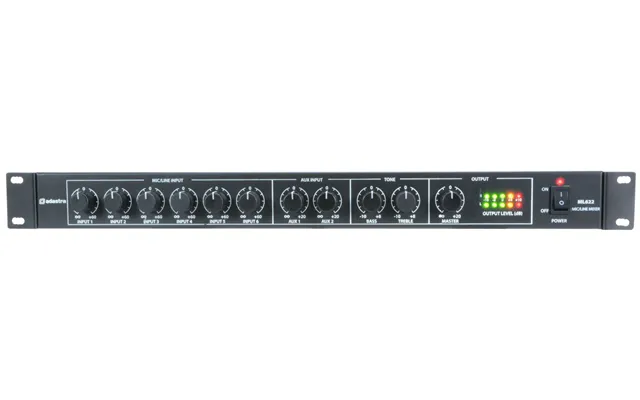
If you’re touring pubs, clubs, or festivals, durability isn’t optional. Look for solid chassis designs, firm-feeling knobs, and clear, legible labeling. For home studios and creators, desk footprint matters—many compact mixers are under 12 inches wide and tuck neatly beside a keyboard and mouse. Weight also counts when you’re traveling; a few pounds saved in your backpack translates to a happier back after a long day. Rack-mount options can keep things tidy if you prefer a permanent rig.
Choose microphones that suit your space and voice. Dynamic mics reject room noise well—great for untreated rooms, stages, and live streams near a computer. Condenser mics capture more detail—great for treated rooms, voiceover, and acoustic instruments. Your mixer should provide clean gain for dynamics and phantom power for condensers. Instruments like guitars, basses, and keyboards will need the right inputs too—high-impedance for guitars, stereo line for keys, and enough headroom so you’re not running hot.
Planning to record drums or a full band? Budget more channels than you think you need. A compact drum setup can easily eat several inputs. It’s easier to have channels you don’t use every night than to run short during a session or show.
In a home studio, many people run a hybrid setup: a mixer for hands-on control and quick monitoring, plus an audio interface for dedicated recording. Some mixers double as interfaces, simplifying the chain. If you prefer separate gear, feed your interface with a clean stereo mix or direct outs for individual tracks. Studio monitors and a reliable headphone amp finish the picture—accurate playback helps you make better decisions faster.
One tried-and-true approach is routing microphones and instruments into a compact mixer, shaping the sound with gentle EQ and effects, then sending a stereo pair to your interface. You get the tactile feel of faders and the convenience of computer recording. If you plan to mix later, keep your processing light so you don’t paint yourself into a corner. For live streaming, route your mixer’s main or aux mix to your streaming computer for low-latency control and minimal setup time.
Clear monitoring is everything. Use dedicated control room outputs or an aux send for your monitors and headphones so you can adjust listening levels without changing your recording levels. If you produce with collaborators, a simple headphone distribution amp fed by an aux mix gives each person a personalised listen without reshuffling cables mid-session.
Every price tier has winners. Entry-level mixers are perfect for getting started: a couple of mic inputs, simple EQ, built-in effects, and USB for basic recording. Midrange options add better preamps, more robust EQ, more inputs, and flexible routing. Pro-level gear elevates everything: polished preamps, powerful processing, rock-solid construction, and deep control that grows with you.
Names you’ll see often include Yamaha, Mackie, Behringer, Allen & Heath, Soundcraft, PreSonus, Zoom, Tascam, Alesis, and RØDE. Each brand has a distinct flavour—some lean tactile and analog, others lean digital and app-driven. The trick is matching a product’s strengths with your workflow rather than chasing badges or buzzwords.
For solo creators, singer-songwriters, and small podcasts, compact mixers with 2–6 inputs are brilliant. Look for one or two good mic channels, an instrument input, basic EQ, and a simple effects engine. USB connectivity is a big bonus for recording and streaming. Many compact units weigh just a few pounds and fit on a small desk—ideal for home studios with limited space.
Stepping up a level brings more inputs, more aux sends, better effects, and stronger build quality. If you’re running a regular gig, producing a weekly show, or recording full bands, the midrange tier often offers the best balance of cost, sound, and reliability. Some models in this class offer USB multitrack recording and tightly integrated software control without the complexity of flagship systems.
When you need bulletproof performance, flexible routing, deep processing, and consistent results night after night, pro mixers earn their keep. Expect extensive scene management, robust remote control, and construction that handles real-world abuse. This level pays off for touring acts, busy venues, and creators turning out high-volume content who can’t afford downtime or guesswork.
Pricing moves around, bundles change, and stock can be unpredictable. That’s why it pays to compare. Price-comparison platforms like ZoneOffer make it easier to see current offers from multiple retailers in one place, weigh feature sets against your needs, and track when a model dips into your budget range. Don’t rush—spend a few minutes comparing I/O, USB features, and build quality to avoid buying twice.
Bundles can save you time and money, especially for first-time setups. Sensible bundles include matching microphones, proper cables, a stand, and headphones. For creators, look for a mixer with USB, a dynamic mic suited to untreated rooms, a boom arm, and a pop filter. For performers, a mixer paired with a sturdy case and a set of quality cables turns into a gig-ready kit faster than starting from scratch.
Good habits beat gear problems every time. Start with clean gain staging: set your input levels so peaks never hit the red, then balance channels with faders. If you hear hiss or hum, mute channels one by one to find the culprit. Keep power supplies on reliable strips, and give your mixer a little breathing room on the desk so it doesn’t heat up under lights or laptops.
Label inputs and outputs with tape before shows. It sounds simple, but clear labels save entire soundchecks. Carry spare cables, a couple of adapters, and a small flashlight. A few minutes of prep can save you from mid-gig panic.
Set mic gains with the loudest expected voice or instrument so you have comfortable headroom. Use high-pass filters judiciously to clean up rumble on vocals and spoken word. Keep cable runs tidy and away from power bricks when possible. If a channel gets noisy, swap the cable first before blaming the mixer—most gremlins come from cables and connectors, not the desk itself.
Use quality XLR cables for microphones and balanced connections for long runs to reduce interference. Keep instrument cables short, and avoid daisy-chaining power strips. If you gig often, a small, padded case for your mixer and a separate pouch for cables prevents scratches, bent connectors, and on-stage spaghetti. Your gear will last longer—and setup will feel faster—when everything has a place.
Some mixers improve over time with firmware updates and better app control. That matters when you’re planning to keep the same rig for years. Check whether the manufacturer updates software regularly, supports current operating systems, and offers a clear path to expand with stageboxes or additional I/O. A mixer that grows with you is kinder on your wallet and your workflow.
If remote control is on your wish list, look for reliable iOS and Android apps that mirror the mixer’s features. Mixing from the floor, tuning a monitor mix on stage, or walking a room to set delays and EQ can transform how quickly you dial in great sound.
Choosing the right audio mixer starts with honest questions: What do you record or mix most days? How many sources do you need to handle at once? Do you want to keep it tactile and simple, or do you want scene recall and app control? Once you’ve got those answers, it’s easier to pick a size, a style (analog or digital), and a feature set that feels tailor-made for you.
Creators might prioritise USB routing and headphone control. Bands will care about multiple aux mixes and rugged build. DJs need smart cueing and filters that feel musical. And everyone needs clean preamps, intuitive EQ, and sensible connectivity. Compare your options, keep an eye on the latest offers, and choose a mixer that makes you excited to plug in and hit record.
The best audio mixer is the one that fits your real-world needs: enough channels for comfort, clear controls so you move fast, and the right blend of features so you sound great without wrestling the gear. For home studios, streaming rigs, live bands, DJs, and venues across the UK, there’s never been a better time to buy. Compact analog desks deliver instant results, digital mixers pack pro power into small footprints, and creator-focused units make pro-sounding content straightforward. Compare the latest offers, map features to your workflow, and grab the mixer that helps you unleash your sound every time you power on.
| Audio Mixers | Price | |
|---|---|---|
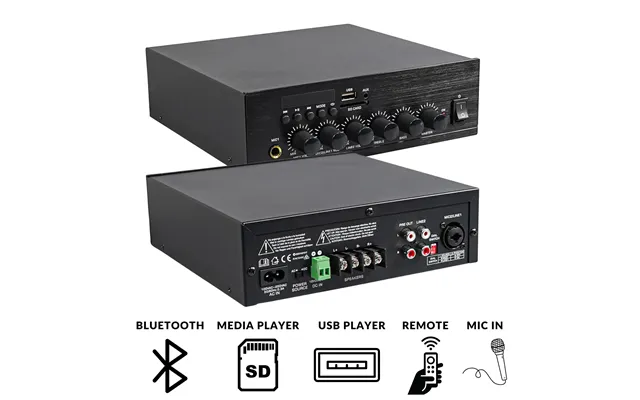
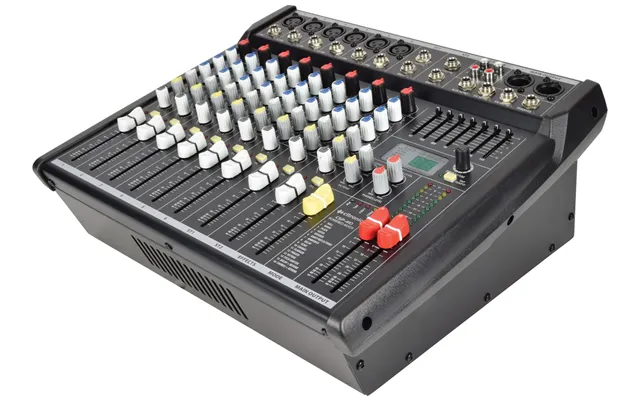
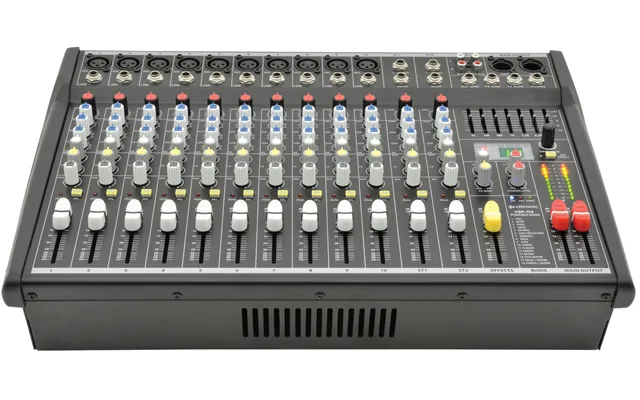
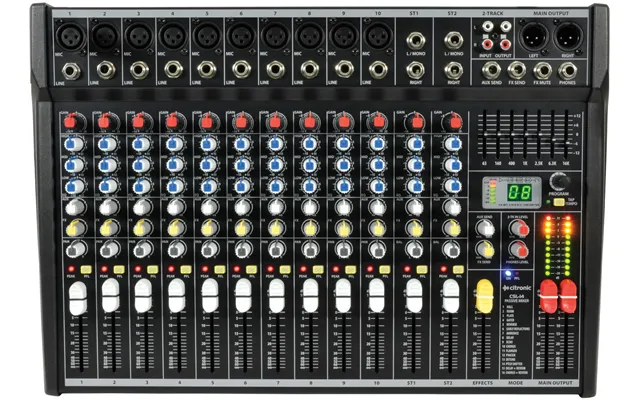
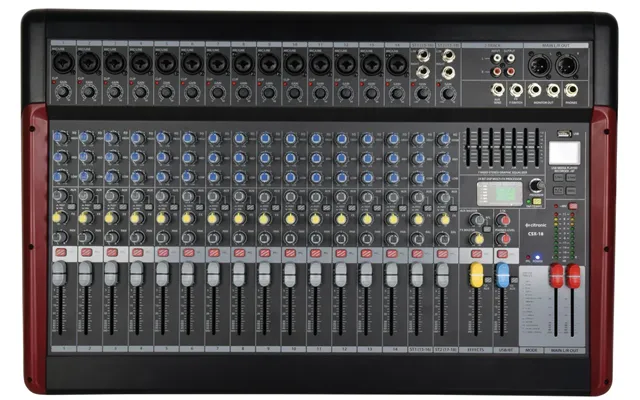
| Cmc-series Mixing Consoles Dsp & Usb Pc Bt Player | £ 178,16 | |
| Yamaha Mg10xu Audio Mixer 10 Channels Black | £ 283,75 | |
| Yamaha Mg12xu Audio Mixer 12 Channels | £ 429,09 | |
| Dante Expansion For Tf Series Consoles | £ 723,30 | |
| Allen & Heath Cq-18t 18 Channels 20 - 20000 Hz | £ 855,16 | |
| Yamaha Tf-rack Audio Mixer 40 Channels 20 - 20000 Hz Black | £ 3.055,78 | |
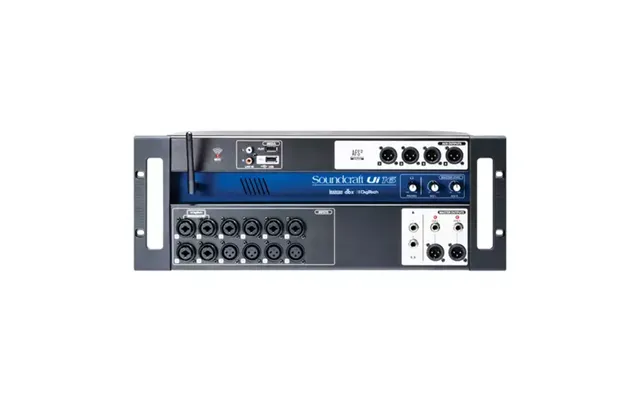
| Soundcraft Si Expression 2 Blue | £ 3.785,11 | |
| Compact Mixer 32 Mic Inputs | £ 3.842,20 | |
| Roland Vr-6hd Audio Mixer 28 Channels Black | £ 4.352,38 | |
| Soundcraft Si Performer 3 80 Channels Black Silver | £ 4.851,37 |