All categories
Business & Offices
Electronics & Media
Fashion & Accessories
Groceries & Essentials
Health & Personal Care
Home & Living
Kids & Family
Sports & Outdoors
Search in ZoneOffer

Loading...
Thinking about jumping into DJing or leveling up your current rig? You’re in the right place. DJ systems have evolved fast, blending powerful hardware with smart software so you can mix, perform, and entertain without the fuss. Whether you’re spinning at weddings, holding down a club booth, streaming live from your bedroom, or hosting private parties, the right DJ system turns your ideas into energy on the dancefloor. And if you’re comparing offers in the UK, using a trusted comparison platform helps you find standout deals, specs, and bundles in one spot—without the guesswork.
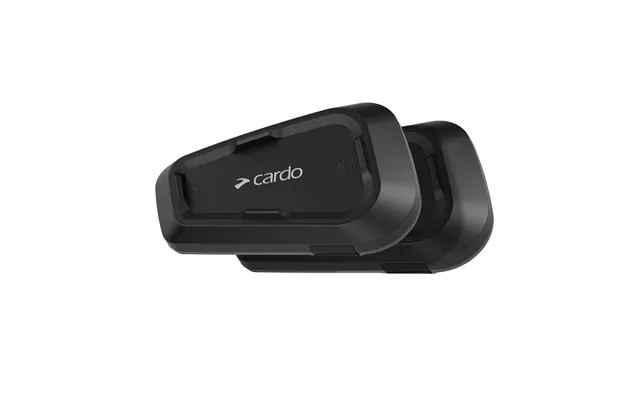
A DJ system is the heart of your performance setup. It typically includes a device to mix tracks (controller, mixer, turntables, or an all-in-one unit), software or onboard processing to play and manipulate music, and the connections to route your sound to speakers and monitors. Think of it like a cockpit: you’ve got jog wheels or platters for control, a mixer section for blending, performance pads for cues and effects, and outputs to power your sound. Modern systems are more connected, more portable, and more capable than ever—making them accessible to beginners and powerful enough for seasoned pros.
Want a tidy rig without the laptop? Standalone units are an elegant solution. Options like the Pioneer DJ XDJ-RX series, Denon DJ Prime 4+, and Numark Mixstream Pro let you load music via USB or internal storage and manage your set right on the device. You get onboard analysis, performance pads, big screens, and pro-level connectivity. It’s like carrying a complete booth in one case—ideal for mobile DJs, bars, and venues where quick setup matters. If you like the idea of tapping a generous touchscreen, scrolling through playlists, and mixing on the fly, standalone may be your sweet spot.
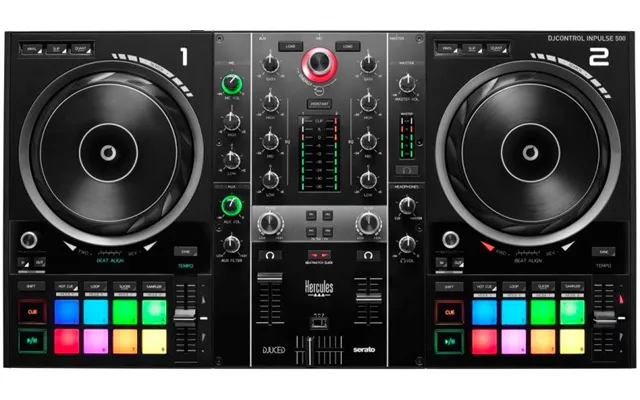
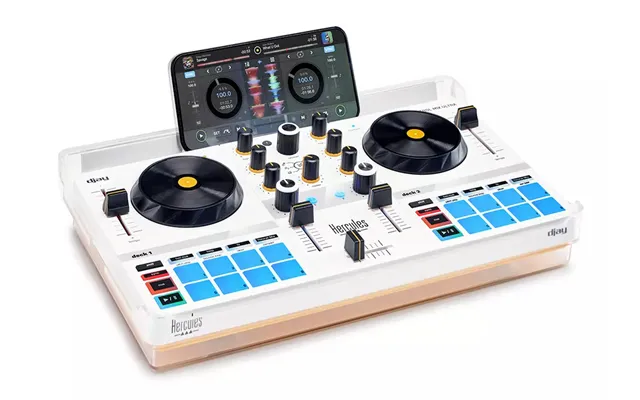
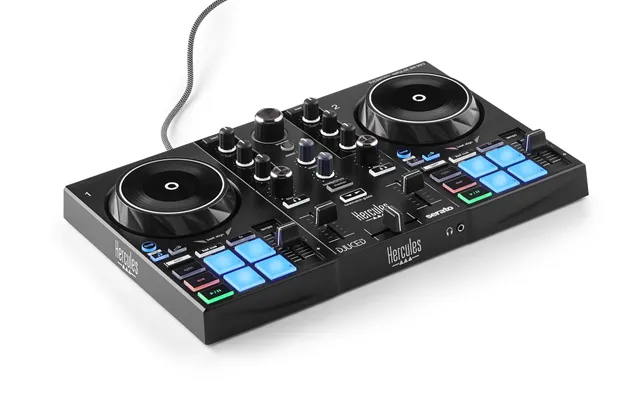
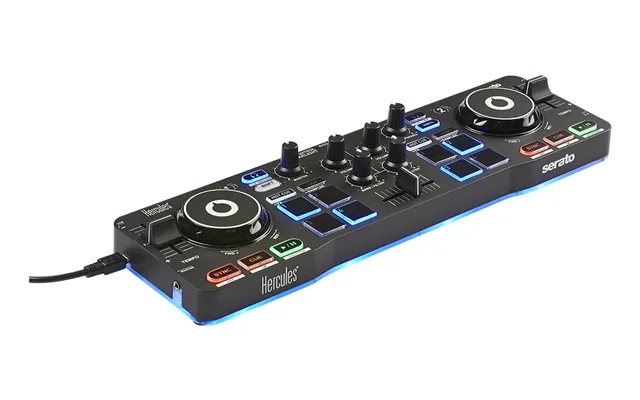
Controllers pair with software such as Serato DJ Pro, Rekordbox, or VirtualDJ to deliver huge flexibility. Popular choices include the Pioneer DJ DDJ-FLX10 for stems performance, the RANE FOUR for advanced Serato workflows, the Roland DJ-707M for event-friendly routing, and beginner favorites like Hercules Inpulse models. Controllers often feel familiar with jog wheels, pads, and mixer sections, while the laptop handles library management and effects. This setup shines if you want fast updates, deep plug-ins, and lots of performance features without going fully standalone.
If you’re aiming for club credibility, a media player plus mixer combo mirrors what you’ll find in booths across the UK. Pair players like Pioneer DJ’s flagship models with a professional mixer to get durable build quality, smooth faders, and extensive effects. These rigs are modular—add a second player, a sampler, or a turntable as you grow. For DJs who tour or plan to play in clubs, practicing on this style of system helps you feel instantly at home when you step into new venues.
Love the tactile feel of vinyl? Turntables paired with a Digital Vinyl System (DVS) give you vinyl-style control over digital tracks. Turntable enthusiasts often combine Technics-style decks or motorized options with mixers certified for Serato DJ Pro or Rekordbox. Want that classic scratch feel with modern reliability? This hybrid approach delivers. Some controllers, like the RANE ONE or Pioneer DJ DDJ-REV7, offer motorized platters around 7 inches for a vinyl-like touch without bringing full-size turntables.
Start with the mixer section. Two channels are plenty for many DJs, while four channels open the door to layering acapellas, instrumentals, and extra decks. Look for smooth EQs, responsive filter knobs, and a crossfader that matches your style—tight for scratching, or a more gradual curve for blends. If you run mics at events, check for dedicated mic inputs with independent EQ and talk-over features. DJs who juggle multiple sources (players, laptops, samplers) need enough inputs to stay flexible without repatching mid-set.
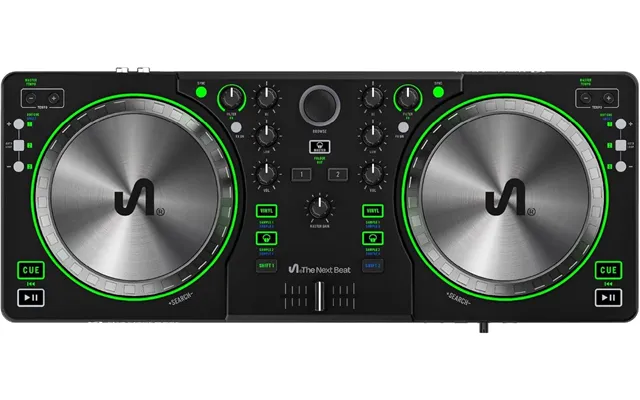
Jog wheels vary in size and feel. Larger jog wheels around 7 inches or more make scratching and precise nudging easier. Some units add tension adjust, on-jog displays, or motorized platters that mimic vinyl. Performance pads are the creative playground—trigger hot cues, loops, rolls, samples, and stems. If you remix on the fly, responsive pads with clear RGB feedback help you stay organized in the heat of a mix.
FX can transform transitions from ordinary to unforgettable. Check for dedicated beat FX, filter sweeps, and software-integrated effects. Stems—separating vocals, drums, and instruments—are a game-changer. Controllers like the DDJ-FLX10 and RANE FOUR lean into stems performance, letting you isolate vocals or drop the bass with one touch. Try the workflow before you buy: are the controls where you expect them? Do the screens and buttons make sense when you’re moving fast? If it feels intuitive, you’ll perform better.
Nothing ruins a gig like missing the right socket. Look for balanced XLR or 1/4 inch outputs for mains, plus RCA for backups. Multiple USB ports are handy if you swap laptops with another DJ. Mic inputs (ideally 2) and booth outputs help you monitor and make announcements. Some all-in-ones include Wi-Fi or built-in lighting control, which can be a win for mobile DJs. Check power needs and consider surge-protected power strips if you perform in varied venues.
Traveling often? Weight and size matter. A compact controller might tuck into a backpack, while a robust standalone can ride in a padded case. Many 4-channel controllers hover around 12 to 20 lb, with all-in-ones often landing in the 15 to 25 lb range. Metal top plates and reinforced knobs stand up to life on the road. Rubberized feet, recessed screens, and sturdy faders keep your system gig-ready. If you’re moving gear up flights of stairs or in and out of cabs, shaving a few pounds can save your back.
Your audience hears your speakers, not your specs—so choose wisely. Powered speakers in the 10 inch, 12 inch, and 15 inch range dominate mobile setups. A 10 inch box is compact and great for small rooms or vocal clarity. A 12 inch strikes a balance between punch and portability. A 15 inch moves more air, delivering fuller lows for dance music. Brands like Yamaha, JBL, QSC, and Electro-Voice are common in UK rigs. If you do a lot of events, compare max output, build quality, and how they sound at higher volumes. A lighter cabinet around 30 to 40 lb is easier to hoist onto stands.
Want that chest-thumping low end? Add a sub. A 15 inch sub fits compact gigs, while an 18 inch sub digs deeper for larger rooms. With a sub handling the low frequencies, your tops run cleaner and louder. Check for adjustable crossovers and multiple inputs/outputs so you can integrate your sub smoothly. If you’re a solo operator, consider wheels or a cart—an 18 inch sub can easily push past 70 lb, and rolling saves time and energy.
Monitors let you hear detail on stage despite crowd noise. Nearfield monitors with 5 inch to 7 inch drivers are popular for home studios, while small PA speakers often double as booth monitors in venues. Aim for accurate, punchy sound so you can cue tightly and keep your blends locked. A separate booth output with independent volume makes a world of difference—no more shouting to hear the drop.
Great headphones are your secret weapon. Look for comfortable clamping force, swiveling cups, and crisp mids so you can catch kick drums and vocals even in loud rooms. Replaceable cables and pads extend the life of your cans. Over-ear designs isolate better, while on-ear models can feel lighter during long sets. If you’re cueing constantly, a good snug fit beats flashy looks every time.
Hosting weddings, parties, or corporate events? A reliable dynamic mic with a cardioid pattern keeps feedback at bay and your announcements clear. Consider a wireless handheld for Freedom Of Movement, plus a spare wired mic as a backup. Event DJs often set a mic at the booth and keep a second one for speeches—redundancy is your friend when moments matter.
Pack more than you think you need. Balanced XLR and 1/4 inch cables for mains, RCA backups for contingencies, and short patch leads for quick fixes. Add gaffer tape to keep walkways safe, plus a compact power conditioner or surge strip for clean, reliable power. Cable ties keep your setup neat and professional—fast teardown means more time to celebrate after the last track.
A padded bag or flight case protects your investment and speeds up load-in. Speaker stands with locking pins keep your tops at ear height—around 5 to 6 feet—and spread sound evenly. Laptop stands save desk space and improve ergonomics. If you’re transporting a heavier rig, a folding hand truck is worth its weight in gold.
Your library is your superpower. Rekordbox and Serato analyze tracks for BPM and key, while Engine DJ lets standalone units handle analysis on the device. Organize by crates or playlists, set hot cues, and tag your go-to edits. If you prep well, you’ll spend less time searching and more time reading the room. Back up your library and export to a USB so you can pivot if your laptop has a wobble.
Stems, slicer, roll, and sampler modes add flair to your transitions. Practice building a few “signature” moves—maybe an echo-out into a vocal drop, or a drum loop under a long blend. VirtualDJ is famous for flexible stems and mapping, Serato for tight performance handling, and Rekordbox for smooth integration with club gear. No wrong answers—just find the tool that helps your ideas land.
Before you buy, check licensing. Some controllers include full software licenses; others offer limited tiers with paid upgrades. Standalone units running Engine DJ or similar platforms reduce laptop dependency, which many mobile DJs love. If you plan to play in clubs, preparing USBs for media players keeps you ready for anything. Compatibility is king—make sure your chosen system fits your workflow now and where you want to be next year.
New gear gives you that fresh-out-the-box feeling and full manufacturer coverage. Refurbished or open-box units can save serious cash while still performing flawlessly. When comparing, look for trusted refurb sources, clear grading, and documented testing. If a deal seems too good to be true, it probably is—compare across multiple listings and note what’s included in the box.
Events don’t pause for broken gear. A solid warranty and responsive support can be a lifesaver. Check whether repairs happen locally, how long the coverage lasts, and what’s excluded. It’s worth paying a bit more for peace of mind if you’re gigging every weekend. Keep serial numbers and receipts handy—organization turns potential headaches into quick fixes.
Bundles can stretch your budget, especially if you’re building a complete rig. A package with a controller, speakers, stands, and cables feels convenient—but always compare component quality. A better approach? Prioritize a strong core (controller or all-in-one), then pick speakers and accessories that match your long-term goals. If a bundle includes undersized speakers for your typical room size, you may spend more upgrading later.
Specs tell part of the story; real-world use tells the rest. Dig into user reviews, especially from DJs who play similar gigs to yours. How do the faders feel after months of use? Do the screens hold up against glare? Does the Wi-Fi feature help or get ignored? If you can, visit a showroom or borrow a friend’s rig to test the ergonomics and workflow firsthand. Your hands will tell you what the spreadsheet can’t.
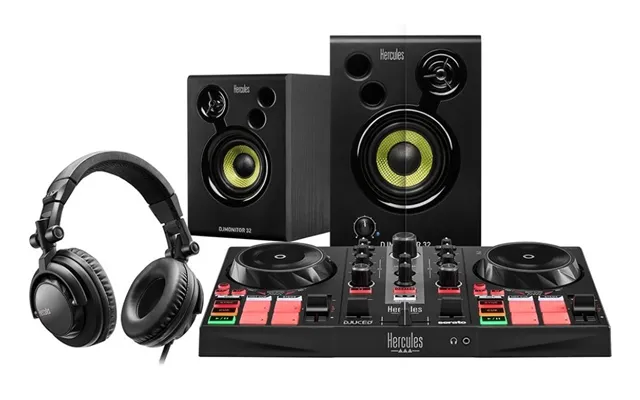
Start simple and fun. Compact controllers with clear layout and helpful training tools make learning rewarding. Hercules Inpulse models guide beatmatching visually, while entry-level Pioneer and Numark controllers offer familiar layouts that scale with you. Pair with 5 inch monitors for home practice and quality headphones for clean cueing. Spend more time mixing than menu-diving, and you’ll progress fast.
Reliability, versatility, and speed rule here. Standalone systems like Denon Prime 4+ or Pioneer XDJ-style rigs cut setup time and reduce laptop hiccups. Add a wireless mic, a backup wired mic, and 12 inch or 15 inch powered speakers for coverage. A single 15 inch sub can transform the dancefloor. Organize crates for ceremony, cocktail hour, dinner, and party—then glide between them seamlessly.
Aim for gear that mirrors the booth. If clubs use media players and a pro mixer, practicing on a similar layout pays off. Controllers mapped to Rekordbox or Serato keep you nimble, while USB prep makes you plug-and-play ready. Sturdy build, clean outputs, and tight FX will help you win repeat slots. If space is tight, a 4-channel controller with balanced outputs and a compact footprint gives you pro feel without the bulk.
You’ll want precise jogs or motorized platters, a buttery crossfader, and robust build quality. The RANE ONE or Pioneer DJ DDJ-REV7 bring that vinyl-style control to a compact form. If you prefer traditional decks, pair turntables with a DVS-ready mixer and Serato DJ Pro. Keep your booth monitor close, your curves dialed, and your pads mapped to quick cue jumps and samples. Consistency is everything when you’re cutting and juggling in real time.
Solid entry-level controllers live here. Expect 2 channels, small jogs, and core performance features. Perfect for learning the ropes, playing house parties, and recording your first mixes. Don’t sweat the lack of extras—skill-building matters more now than flashy FX. Invest in headphones you love and you’ll hear your progress faster.
Welcome to the sweet spot. You’ll find 2 to 4 channel controllers with better build, larger jogs, and richer performance modes. Software licenses often improve too. If you gig occasionally, this range can carry you comfortably. Choose something that fits your style—stems performance if you remix on the fly, or bigger jogs if you prefer tactile control.
Now you’re into upper-mid and entry pro territory. Expect durable construction, excellent sound, and more extensive I/O. Standalone options appear here, as well as controllers that rival club gear in feel. If you play regular paid gigs, systems in this range will stand up to travel and long sets. This is also where bundles can make sense if the components align with your needs.
Professional rigs and premium all-in-ones live here. You’ll find rugged hardware, big screens, motorized platters on some models, and the kind of detail that makes long sets effortless. For touring DJs, high-end mobile performers, and club residents, the investment returns itself in reliability and performance confidence. If you’re here, you likely know what workflow you love—double down on it.
Time is money—especially when venues flip quickly. Pack a streamlined rig: one case for your controller or standalone, a second for cables and mics, and a third for speakers if needed. Label your cables, prewrap them with Velcro ties, and keep spares. A compact cart or dolly turns a long hallway from a slog into a breeze. Think like a roadie even if you’re a solo act.
Arrive early, test outputs at low volume, and walk the room. Does the dancefloor get enough low end? Are vocals clear at the back? Small tweaks—raising speaker height by a foot, nudging the sub off a wall, or adjusting the booth monitor angle—can transform your mix from good to great. Keep a short test playlist with varied genres to audition your setup quickly.
Stuff happens. Carry a USB with your main playlists if you usually use a laptop. Keep a spare aux cable to route from a phone in a pinch. Have a backup power supply if your unit uses an external brick. Redundancy might feel boring—until it saves the night and wins you repeat bookings.
It’s easy to chase specs. Instead, write down your must-haves: number of channels, software preference, portability, mic inputs, and the kind of gigs you do most. Then compare units that hit those targets. If a feature doesn’t help your typical set, it’s not a priority.
Some listings include full software licenses, others don’t. Some bundles swap in generic cables or light stands you may not need. Make a checklist of everything required to play a gig: main unit, software, headphones, cables, speakers, stands, mic, and cases. If a deal leaves you short by one piece, factor that into the real cost.
Use reputable comparison sites to view multiple offers side-by-side, check specs clearly, and spot genuine savings. It helps you cut through marketing fluff and go straight to what matters: features, reliability, and overall value. You can quickly see which units earn consistent praise and which ones look better on paper than on a stage.
DJ systems are more capable, portable, and fun than ever. Whether you choose a sleek standalone, a flexible controller, a club-standard player rig, or a vinyl-inspired hybrid, the best system is the one that fits your gigs and sparks your creativity. Compare the key features—mixer feel, jog size, stems and FX, connectivity, and build. Pair your core with speakers that suit your rooms, add smart accessories, and build a backup plan. With a clear checklist and the help of a trusted comparison platform, you’ll lock in an offer that makes both musical and financial sense. Then it’s simple: press play, read the room, and let your set do the talking.
| DJ Systems | Price | |
|---|---|---|
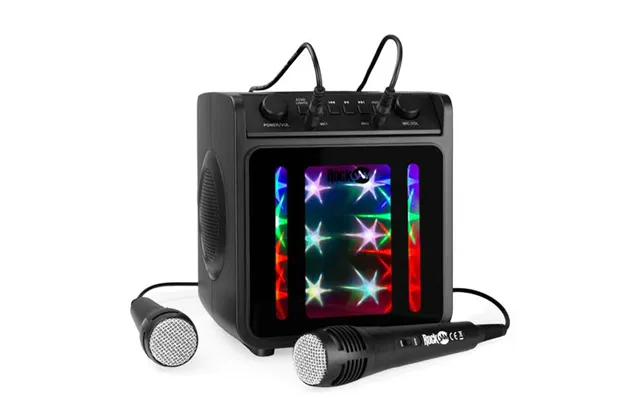
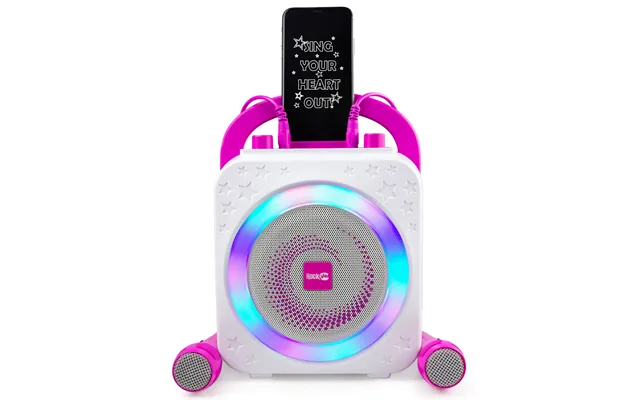
| Pdt Sm Ism398pp Bt Tab Karaoke Machine | £ 50,55 | |
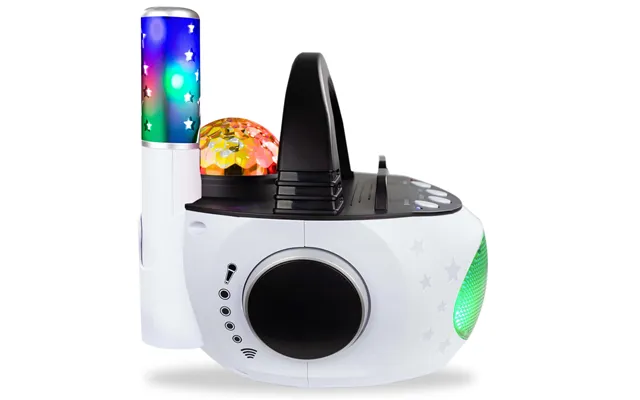
| Pdt Rockjam Go Lightshow Kar Speaker Wht | £ 75,68 | |
| Singing Machine Sml385u Karaoke Black Eu | £ 79,49 | |
| Singing Machine Sml385u Karaoke White Eu | £ 79,49 | |
| Pdt Sm Agua Sml605 Karaoke - Black | £ 88,64 | |
| Pdt Rockjam Superkit Karaoke Machine Blk | £ 96,85 | |
| Hercules Dj Control Inpulse 200 Mkii | £ 119,21 | |
| Hercules Inpulse 300 Mk2 Vinyl Scratcher Black. Red | £ 227,10 | |
| Atw-t1402 System 20 Pro Handheld Microphone Transmitter | £ 233,35 | |
| Sony Xv500 Party Speaker Black | £ 408,74 |