All categories
Business & Offices
Electronics & Media
Fashion & Accessories
Groceries & Essentials
Health & Personal Care
Home & Living
Kids & Family
Sports & Outdoors
Search in ZoneOffer

Loading...
If you tinker, prototype, or build electronics for work or fun, you already know that some of the best-value parts sit in that catch‑all category: “Circuit Boards & Components – Other.” It’s where you’ll find the add‑ons, adapters, prototyping boards, interface modules, and little lifesavers that turn a good idea into a working project. The bonus? This category often hides the biggest discounts. Whether you’re upgrading a home‑automation rig, outfitting a robotics platform, or just restocking your bench, comparing offers on this kind of kit can stretch your budget further than you’d expect.
In the UK, prices swing a lot based on stock levels, brand, and bundle contents. That’s why comparing across multiple retailers on a comparison platform like ZoneOffer is so powerful: you can line up functionally similar parts, check specs side by side, and spot genuine value instead of guesswork. This guide breaks down what’s typically inside “Other,” how to choose, and how to compare prices the smart way—so you buy once and build confidently.
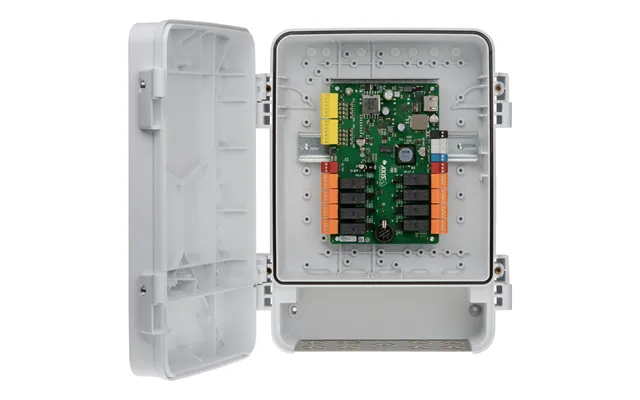
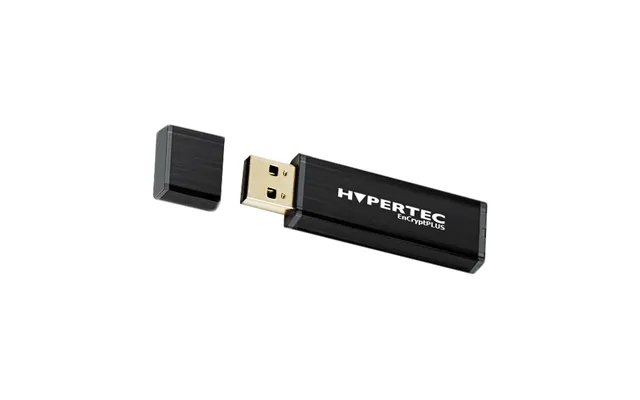
This category is a mixed bag in the best possible sense. You’ll see prototyping boards (breadboards, perfboard, stripboard), adapter and breakout modules (for sensors, connectors, and tiny ICs), power and protection boards (buck/boost converters, relay modules, fuses, surge suppression), and interfacing gear (logic level shifters, GPIO expanders, signal isolators). You’ll also find SBC add‑ons such as Arduino shields and Raspberry Pi HATs, plus mounting hardware, spacers, terminal boards, and connector kits. In other words: the glue that makes your microcontroller or SBC talk to the real world without headaches.
When you’re experimenting, nothing beats a good breadboard. Look for boards with snug contacts, clear power rails, and a grippy base. For semi‑permanent builds, perfboard and stripboard are the usual step up. Stripboard (often called Veroboard) has parallel copper strips that make bus lines easy, while perfboard offers isolated pads for custom routing. Pay attention to the hole pitch (0.1‑inch is standard for through‑hole components), the number of tie‑points, and board size. If you’re mounting inside enclosures, common choices range from compact boards that fit into about 2 x 2 in spaces to larger panels for full control modules. The big win? These boards are inexpensive, and discounts stack up nicely when you buy multi‑packs.
A lot of modern sensors and ICs come in tiny packages that aren’t breadboard friendly. That’s where breakout modules shine. They expose pins on a 0.1‑inch header and often add niceties like pull‑ups, regulators, or protection diodes. Common breakouts include accelerometers, IMUs, DACs/ADCs, real‑time clocks, GPIO expanders, and display drivers. You’ll also see adapter boards that convert pitch or mate odd connectors to standard headers. The key to comparing offers here is checking what’s actually on the breakout—voltage regulation, onboard level shifting, headers included, and any mounting holes around the edges for standoffs. A cheaper module without headers or standoffs isn’t always the better buy if you have to purchase extras separately.
Voltage rails make or break reliability. Buck converters (step‑down), boost converters (step‑up), and buck‑boost modules are staples. Be clear on input range (say 7–24V), output rail (3.3V or 5V are common), current capacity, and ripple performance. Relay modules are another crowd favorite—great for switching lights, pumps, or motors under microcontroller control. Look for opto‑isolation, flyback diodes, and clear indication LEDs. Overcurrent protection, polyfuses, TVS diodes, and dedicated surge boards can also save your project. If you’re driving heavier loads, heat sinks and airflow matter. Modules with larger copper pours and plenty of clearance around hot parts usually run cooler, and boards with mounting slots make it easy to secure them to a panel or inside a case.
Bridging logic levels (3.3V to 5V), isolating noisy signals, and expanding I/O—this is where interfacing modules earn their keep. Logic level shifters, opto‑isolators, I2C/SPI/UART expanders, RS‑485 transceivers, and CAN bus interfaces are common in this category. Check the channel count, supported data rates, and whether the board includes pull‑ups or termination resistors. For microcontroller‑friendly designs, a 0.1‑inch header layout with labeled pins is gold. If your target is a Raspberry Pi or similar SBC, HATs and shields with stackable headers, onboard regulators, and mounting holes spaced for standoffs make life simpler. As always, confirm pinouts against your board before you power anything; “close enough” can be costly.
Choosing well boils down to matching function, electrical limits, and mechanical fit. Filter your options by what your project actually needs: the exact voltage rails, current draw, communication protocol, and the way you plan to mount everything. Then, layer on considerations like heat, isolation, and how you’ll connect wires. The fastest path to buyer’s remorse? Grabbing the cheapest listing without checking the small details like header pitch, included accessories, and whether the board’s footprint suits your case. Spend two minutes reading the spec bullets and you’ll save hours of rework.
Start with the supply you have and the rail you need. If you’re stepping down from a 12V supply to 5V for logic, pick a buck converter with enough headroom for your max current draw, plus a safety margin. For motors or relays, consider inrush current—brief spikes can be several times the steady‑state load. Relay modules should be rated beyond your expected amperage and include proper isolation if you’re switching higher voltages. For jumper wires and screw terminals, match the wire gauge to the current; heavier loads call for lower AWG (thicker) conductors. If your module runs warm, choose one with a larger board area or heat sink, and leave space for airflow. Hot chips cause flaky behavior; cool chips behave.
Measure twice, mount once. Standard 0.1‑inch headers make prototyping painless, but watch the board outline. If your enclosure only has about 3 x 2 in of room, a board that’s 3.2 in wide won’t fit no matter how good the price is. Mounting holes are a big deal too—boards with four corner holes spaced evenly let you use standoffs for rock‑solid installations. Nylon or brass standoffs around 0.25–0.5 in tall are common picks. Also consider connector orientation; top‑facing headers need vertical clearance, while side‑facing terminals need room by the enclosure wall. If you have to stack boards, look for stackable headers or spacer kits to keep everything aligned.
Building on an Arduino‑style board or a Raspberry Pi? Make sure the add‑on exposes the right interface (I2C, SPI, UART) and plays nicely at your logic level. Some breakouts include onboard regulators and level shifting, which makes them plug‑and‑play. Others assume 3.3V logic and will misbehave if you hit them with 5V signals. For shields and HATs, pin mappings and pass‑through headers matter. A shield that blocks pins you need for another module can slow your whole plan. When you compare offers, look for diagrams or pinout images, and prioritize listings that include headers and spacers—you’ll save both time and a separate order.
Bargains typically cluster around high‑volume essentials: breadboard multi‑packs, bulk header strips, resistor assortments, relay boards (1‑channel through 8‑channel), and DC‑DC converter modules fine‑tuned for 3.3V or 5V rails. You’ll also see sensor breakouts bundled with jumpers and headers, or power boards that include a bonus voltmeter module. These add‑ins can be worthwhile if you’ll actually use them. If not, focus on standalone parts with better core specs—lower ripple on a buck converter beats a flashy LED readout any day when reliability counts.
Comparing prices isn’t just sorting by the lowest number. Consider what’s included (headers, standoffs, terminal blocks), the board’s rated current, and the reputation of the design. Two “identical” listings may differ in copper weight or component quality, which affects heat and longevity. Shipping costs and delivery times can skew the real price, especially if you need parts quickly. A comparison platform such as ZoneOffer helps you put equivalent boards side by side, read what’s actually in the box, and spot the listings with hidden extras that make them the better buy overall.
A tiny oversight can stall a build. Commonly forgotten add‑ons include 0.1‑inch header strips (male and female), DuPont jumpers, screw terminal adapters, heat‑shrink tubing, and inline fuses. Don’t overlook standoffs (nylon for insulation, brass or aluminum for strength) and proper screws. If you’re mounting to a panel, adhesive stand‑offs or foam‑backed tape cut to about 0.5–1 in strips can tame cables and hold light modules, but use mechanical fasteners for anything that warms up or carries significant current. Terminal breakout boards that convert pin headers to screw blocks are life savers during testing—you’ll thank yourself later.
Not sure what to add to cart? Try these high‑impact ideas. A relay board with opto‑isolation and flyback protection can automate lights or a pump safely from a microcontroller. A buck converter that delivers a clean 5V rail powers sensors and Wi‑Fi modules without brownouts. A logic level shifter bridges 3.3V SBCs to 5V peripherals. A GPIO expander multiplies your pins for button panels or LED matrices. And a solid stripboard build can replace a breadboard tangle with a neat, semi‑permanent control module you can mount inside a case. When you frame your project around these building blocks, comparing offers becomes easier—you know exactly what specs to hunt for.
Project safety is about looking one step ahead. For anything that switches higher voltages, use relay boards with proper isolation distances, clear silk markings, and solid screw terminals. Add fuses sized for your load and wire gauge, and keep high‑power traces clear of logic wiring. If your DC‑DC converter runs warm under load, use a larger module, add a heat sink, or derate the current. Copper weight and trace width aren’t always listed, but heftier boards and cooler operation are good signs. Look for UL or CE marks where relevant, and check for tidy soldering and straight headers—sloppy assembly can hint at corners cut in design.
For prototyping or low‑risk builds, budget modules are fine—especially breadboards, basic breakouts, and simple adapters. But when your project sits in a sealed enclosure, runs around the clock, or drives motors and relays, premium modules with better components and thermal design are worth it. Higher‑quality voltage regulators, opto‑isolators, and MOSFETs pay back in stability and lifespan. One tell is documentation: boards with clear pinouts, schematics, and mounting details usually come from designers who sweat the details, and that attention shows up in real‑world reliability.
You’ll see a mix of house brands and well‑known names across breakouts, relay modules, and power boards. Instead of chasing logos, anchor your comparisons to standards and specs: 0.1‑inch pitch headers for easy prototyping, mounting holes placed near corners for standoffs, and pinouts that align with popular microcontrollers and SBCs. For Arduino‑style shields and Raspberry Pi HATs, stick to boards that respect the standard layouts, include pass‑through headers where useful, and document any pins they claim. This way, your add‑ons stack nicely without nasty surprises.
Several pitfalls pop up again and again. Random resets? Check voltage sag under load; a beefier buck converter or thicker supply wires (lower AWG) can fix it. Flaky sensor readings? Keep noisy motor lines away from your logic wiring and add decoupling capacitors at the sensor board. Modules not detected over I2C or SPI? Double‑check pull‑ups, bus addresses, and level compatibility. Relays chattering? Your control signal might be weak or noisy—use proper grounding and separate power rails for logic and loads when possible. Building with a preventative mindset saves parts, time, and a lot of muttering under your breath.
Let’s say you want a 5V rail for a microcontroller build that draws up to 1.5A, plus a 4‑channel relay module to switch lights. First, filter buck converters by input range and a minimum of 2A output to keep headroom. Prefer listings that specify ripple and include a small heat sink. Next, shortlist relay boards with opto‑isolation, flyback protection, and screw terminals. Confirm that their control pins accept your logic level and that the board has four corner mounting holes. Finally, check whether offers include headers, standoffs, or a cable set; a slightly higher price with these extras can reduce your total spend. Comparing this way turns “good enough” into a confident, repeatable process.
Hunting deals one retailer at a time is slow and easy to mess up. Using a comparison platform like ZoneOffer lets you collect similar boards in a single view, weigh specs against price, and avoid buying parts that aren’t truly equivalent. It’s not about chasing the lowest sticker—it’s about finding the right module, with the right accessories, at a fair number from a reputable seller. That’s how you build faster, waste less cash, and feel great unboxing your next project haul.
“Circuit Boards & Components – Other” is where practical builders win. It’s the category that turns bare microcontrollers into real systems, patches compatibility gaps, and keeps your bench stocked with the boards and bits that make ideas work. Focus on function first, then electrical and mechanical fit, and finally the true value of each offer—what’s included, how it’s built, and how it’ll live inside your project. Use comparison tools to see the landscape, be honest about your power and space needs, and pick the boards that keep things cool, safe, and reliable. Do that, and you’ll spend less time troubleshooting and more time building the projects you imagined.

| £ 366,06 |