

Satellite LNBs price list
Last updated Monday, 19 Oct 2026




View 5 Offers
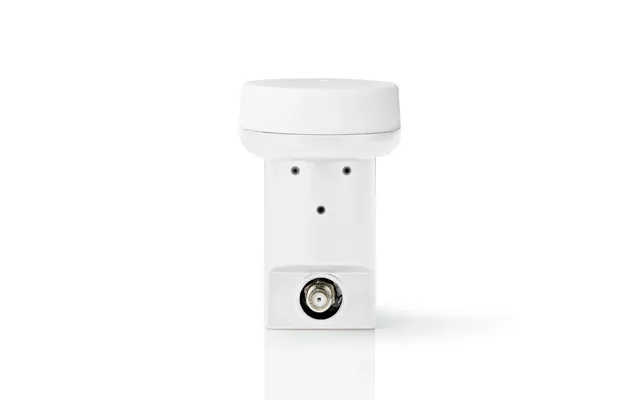
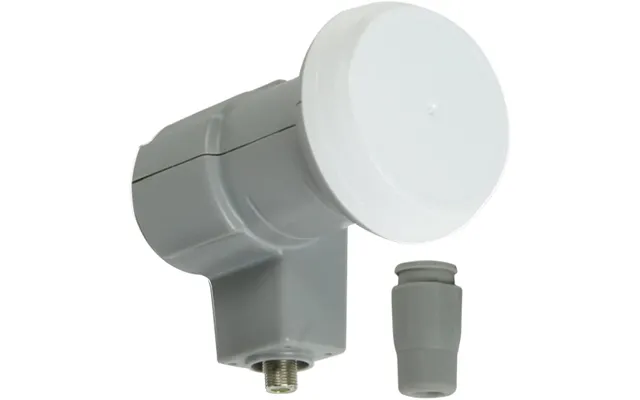
Loading...
Last updated Monday, 19 Oct 2026
The low-noise block downconverter, or LNB, is the small but mighty device at the end of your satellite dish arm that captures signals and feeds them down the coaxial cable to your receiver. Think of it like the ear of your dish, amplifying faint satellite broadcasts so your TV can make sense of them. Pick the right LNB, and you can unlock reliable reception, more channels, and better flexibility across multiple rooms. Choose poorly, and you get pixelation, outages when it rains, and a setup that is harder to upgrade.
Signals bounce off the curved satellite dish and reflect into the LNB’s feed horn. The LNB then shifts those signals to a lower frequency and sends them along your cable to the receiver, which decodes everything into the channels you watch. The process sounds technical, but the idea is simple: the dish gathers, the LNB converts, the receiver displays. As long as the LNB matches your system and is aligned well, you are in business.
Browsing LNBs can feel like learning a new language, but the choices boil down to how many outputs you need and what kind of receiver you own. The most popular families include single, twin, quad, octo, quattro, wideband, and single-cable variants. Each serves a slightly different purpose. Once you know your household size, the number of tuners you plan to run, and whether you want room to expand, the right type becomes obvious.
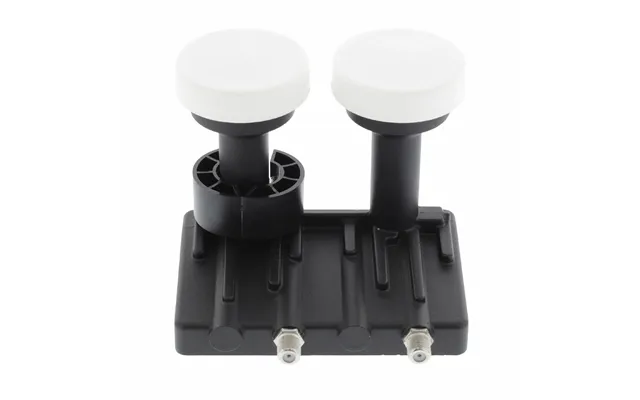
A single LNB has one output, perfect for a single receiver with one tuner. If you just want a simple setup in one room, it delivers. A twin LNB adds a second output, so you can run a recorder with two tuners or feed a second room. Twins are a sweet spot for small homes because they let you watch one channel while recording another without overcomplicating the wiring.
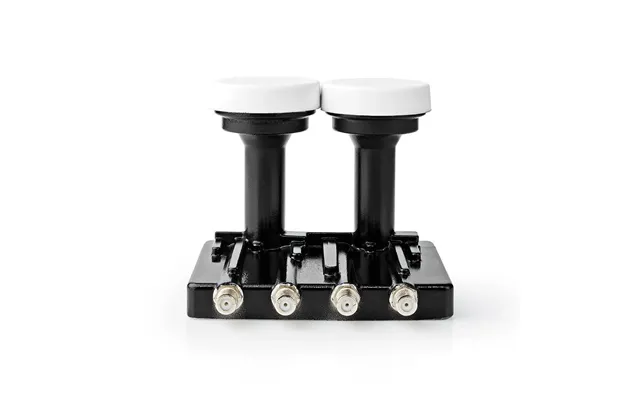
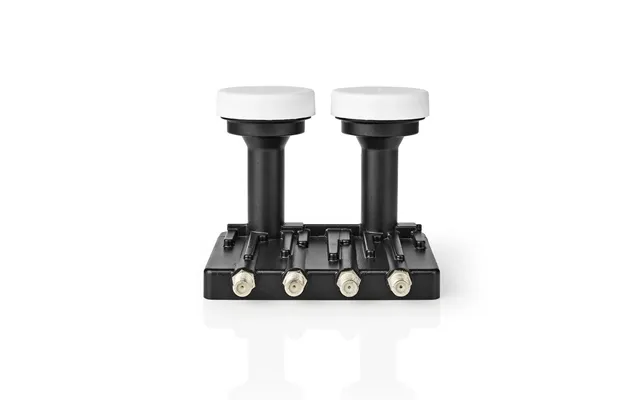
A quad LNB offers four independent outputs, ideal for homes with multiple TVs or twin-tuner recorders. Octo LNBs go further with eight outputs, giving you headroom for expansions, guest rooms, or a garden office. If you are planning a whole-home system, a quad or octo can save you time later. Spare ports today can become live rooms tomorrow without changing the gear on the dish.
Quattro LNBs are specialist models that feed a multiswitch rather than TVs directly. Each output on a quattro serves a specific signal range, and the multiswitch then distributes everything out to many rooms. If you are wiring a large property, apartments, or a boutique office, a quattro and multiswitch array gives you a clean, centralised way to serve many outlets.
Wideband LNBs condense the satellite signal into two powerful feeds, usually labelled for different polarisations, and are commonly used with certain modern receivers. They simplify cabling to a single recorder while maintaining high performance. If your platform supports wideband technology, this route can be tidy, efficient, and ready for high-capacity recording.
Not all LNBs speak the same language as your receiver. Universal models work with a broad range of traditional receivers and free-to-air services. Wideband is geared toward modern, high-throughput platforms that expect two dedicated lines. Unicable, also called single-cable routing or dCSS, lets multiple tuners run over one coax. Match the LNB to your receiver type first, then pick how many outputs you need.
Universal LNBs are the go-to choice for many UK households using traditional receivers. They pair well with free-to-air setups and older recorders. If you are not using a platform that demands wideband or single-cable routing, a universal single, twin, or quad LNB will likely fit your needs and keep installation simple.
Wideband LNBs target modern platforms that use two robust signal feeds. The benefit is clean cabling to a main recorder with strong performance and fewer splits along the way. If your kit is designed for wideband, lean into it. You will enjoy a tidy install and the capacity needed for heavy recording and multiroom streaming features.
Unicable and dCSS LNBs allow several tuners to share one cable by assigning each tuner a unique slice of the signal. This can be a lifesaver in homes where running extra cables is messy or impossible. Want twin-tuner recording in a room with a single wall plate? Unicable makes it happen with smart signalling instead of extra holes in the walls.
Great LNBs share three traits: the right number of outputs, tough weather resistance, and clean connections that do not corrode. Look for solid housings, snug weather boots, and a neck that fits your dish’s clamp. It also pays to check compatibility notes for your receiver platform. A bit of spec reading before you click compare will dodge a lot of frustration.
Choose one more output than you think you need. Today you might be content with a single room, but what if you add a recorder or a garden office next year? Going from twin to quad now costs less than upgrading the LNB later. Extra ports create breathing room for new rooms, a projector setup, or a kid’s TV that suddenly appears in the spare room.
UK weather can be soggy and blustery, so the LNB must shrug off rain and wind. A robust plastic shroud, tight end caps, and a sturdy feed horn keep moisture out. Look for models with decent weather boots and seals that feel secure when you twist the connector on. A good LNB should ride out winter storms without a hiccup.
F-type connectors are standard for satellite coax. Use quality compression or screw-on connectors that bite firmly and do not wiggle. A clean, solid connection reduces signal loss and prevents water ingress. If you can, dress the cable downward from the LNB so rain naturally drips away from the connector rather than into it.
Some setups use DiSEqC switches to combine multiple satellites or motorised dishes to track different orbital positions. If that sounds like your plan, check that the LNB and your receiver play nicely with the switching commands. For big systems, pairing a quattro LNB with a multiswitch provides a clean backbone for plenty of rooms.
The right extras can turn a decent install into a rock-solid one. Think weatherproof connectors, tidy cable runs, reliable switches, and a basic meter for alignment. These small investments boost reliability, especially when the weather turns rough. A few accessories can also simplify troubleshooting if problems crop up later.
Cheap connectors corrode and crack, and then the picture breaks up when it rains. Spend a touch more on compression or high-quality screw-on connectors, and slide on a weather boot to seal the joint at the LNB. The cost is small, but the payoff is a connection that lasts and survives winter spray.
A solid coaxial cable preserves signal strength over long runs. Plan cable paths to avoid sharp bends, keep cables off gutters, and secure them every few feet with UV-resistant clips. If a run exceeds about 100 ft, consider signal health when routing and avoid unnecessary joins. A single clean run beats a chain of couplers every time.
Want channels from more than one satellite? A DiSEqC switch lets you combine feeds from multiple LNBs and switch between them automatically. For many rooms, a multiswitch fed by a quattro LNB distributes signals neatly from a central point. Avoid basic splitters on satellite feeds unless your equipment supports single-cable routing designed for sharing.
A simple inline meter can help you point the dish and fine-tune the LNB. Even a basic model gives instant feedback so you can nudge the angle and see the difference right away. While smartphone apps are handy for direction, a meter tells you what your system actually sees at the cable.
If you are confident on ladders and comfortable with tools, basic swaps are manageable. Still, safety comes first, and many households hire a pro for roof work and clean alignment. Whether you DIY or delegate, a few practical habits make installations faster, neater, and more reliable when the skies open up.
Dish size affects signal margin during rain. In sheltered locations, compact dishes around 18 to 24 inches can be fine. In exposed coastal or rural areas, stepping up to something larger adds resilience. The goal is a comfortable rain margin so passing showers do not knock the picture out just as the match reaches a penalty shootout.
Beyond pointing the dish, an LNB needs subtle rotation and depth adjustments for best performance. Rotate the LNB slightly in its collar to match the signal’s polarisation, and slide it a touch in or out so the feed horn sits in the dish’s sweet spot. Tiny movements can bring a fuzzy channel into crisp focus, so take your time.
Keep cables as short as practical, avoid tight kinks, and secure them every few feet to prevent tugging in the wind. Use drip loops before the entry point so water cannot track inside. Where required, follow local grounding practices for safety. Inside, label each cable end so future upgrades and fault-finding are easy.
Seeing pixelation, audio dropouts, or channels missing at random? The culprit could be alignment, water in a connector, or a failing LNB. Work through issues methodically, starting with the obvious. Check connections at the LNB and receiver, trace the cable, and then move to alignment and equipment checks. Simple fixes often solve what looks like a big problem.
If the picture breaks up during rain or wind, the dish might be slightly off or undersized for your conditions. A gentle nudge during a clear day, guided by a meter, can sharpen things dramatically. If issues persist, consider a sturdier mount, a larger dish, or upgrading the LNB to a model known for strong performance.
Moisture sneaks in at poorly sealed connectors and causes chaos. Look for greenish residue, dull copper, or cracked boots. Replace the connector, trim back the cable to clean copper, and fit a snug boot. If water has been sitting inside the LNB cap, a replacement LNB is usually the quickest cure.
Receivers power the LNB over the coax. If the receiver cannot supply enough current for a long run or multiple tuners, you may see intermittent faults. Check that your receiver mode matches the LNB type. For complex systems with switches, verify the setup menu matches your wiring so the receiver sends the right commands.
Prices can vary wildly, and so can build quality. Comparing models side by side helps you weigh durability, output count, and platform compatibility. Read what other UK installers and enthusiasts say about weather resistance and long-term reliability. A smart comparison often reveals a mid-priced LNB that outperforms pricier rivals once the autumn rain arrives.
Spec sheets tell part of the story, but real-world feedback confirms whether an LNB shrugs off storms or struggles in exposed spots. Look for notes about secure collars, strong weather boots, and stable performance across long cable runs. Practical comments from UK users who face similar weather are worth their weight in gold.
A comparison site like ZoneOffer lets you line up prices, features, and availability from multiple retailers at a glance. That means less time hunting and more confidence you are paying a fair price. When you have narrowed your shortlist, compare final details such as included accessories, warranty terms, and whether the LNB ships with protective caps.
The best choice depends on your receiver and home layout. For a simple setup, a universal twin is tough to beat. For busy homes, a quad brings flexibility. If you run a modern recorder that expects wideband, go wideband. Building a multiroom distribution cabinet? A quattro plus a multiswitch is the pro option. Add quality connectors and a weather boot to any of these and you are ahead.
If you want value without fuss, choose a well-reviewed universal quad. It covers most scenarios, leaves room to grow, and usually plays nicely with free-to-air gear. Pair it with dependable coax and decent connectors, and you get a solid system for less than you might expect. Budget does not have to mean brittle plastics or poor sealing if you compare smartly.
Power users who record multiple channels at once or feed many rooms may prefer wideband or unicable LNBs with advanced features. These offer cleaner cabling and higher capacity to match modern recorders. If you are installing a rack with distribution gear, premium models and a multiswitch can deliver that sleek, engineered feel you will be proud to show off.
Do not overlook the small stuff. A set of compression connectors, weather boots, and a simple satellite meter can transform a tricky Saturday chore into a smooth hour’s job. Add a roll of quality coax, a few neat entry plates, and UV-safe clips every couple of feet, and your install will look pro and last for years.
Choosing the right LNB is less about deciphering jargon and more about matching your receiver and household needs. Start by confirming whether you require universal, wideband, or unicable. Pick enough outputs to cover today and tomorrow. Then protect your investment with weatherproof connectors, tidy cable runs, and careful alignment. With a clear plan and a quick price check on a comparison site such as ZoneOffer, you will end up with a reliable, future-ready satellite setup that keeps your favourite channels crisp come rain or shine.