






Cable Tie Guns
Loading...
Loading...
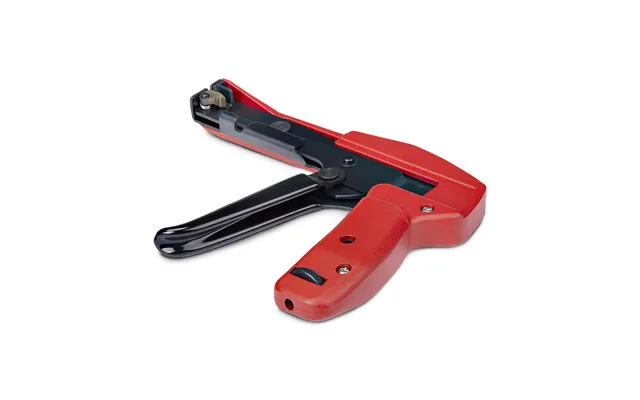
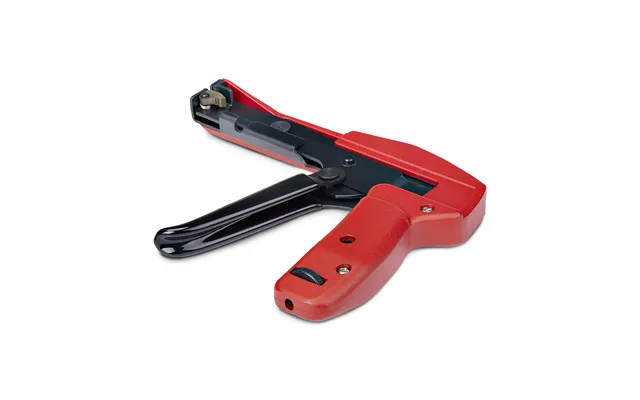
A cable tie gun is a hand tool designed to tension and trim cable ties cleanly and consistently. If you’ve ever pulled a tie by hand and snipped it with side cutters, you’ll know the pain of sharp edges, uneven tension, and messy results. A proper cable tie gun solves all that. It tensions the tie to a selected setting and then cuts off the excess flush to the head, leaving a neat bundle and a safer finish. Whether you’re wiring a home theatre, installing network racks, or sorting a workshop’s power leads, this little tool transforms chaos into order without the sore fingers.
Think of a cable tie gun as cruise control for cable bundling. With a squeeze of the trigger, you get repeatable tension that reduces wire pinch, avoids over-tightening, and prevents the dreaded razor-sharp “tie tail.” That’s not just a cosmetic win; it’s about safety and reliability. Over-tight ties can crush insulation, increase heat, and shorten component life. Under-tight ties can slip, sag, and rattle loose. A cable tie gun sits squarely in the Goldilocks zone—tight enough to hold, gentle enough to protect. The flush cut also reduces snag hazards, which is invaluable in racks, ceilings, and behind entertainment units where hands are constantly reaching in and out.
Not all cable tie guns are created equal, and that’s a good thing. Different jobs, environments, and tie materials call for different tools. From lightweight, everyday units to industrial-grade stainless steel tie tools, there’s a class of gun that fits your use case and budget. Here’s how to navigate the main types you’ll find when comparing popular offers across the UK.
Manual cable tie guns are the everyday heroes—portable, affordable, and easy to use. You slide the tie tail through the nose, squeeze the handle to tension, and the tool automatically snips the excess. Most manual models include adjustable tension so you can dial in a setting that matches your tie size and bundle sensitivity. For general electrical work, home DIY, and AV setups, a manual gun hits the sweet spot of control and value.
Almost all modern guns will cut automatically once tension is reached, but some are specifically designed to emphasize a perfectly flush cut with minimal effort. These tools shine in network cabinets and tight spaces where a protruding tail could scrape a hand or catch on clothing. If you’re installing lots of ties in awkward angles—like under desks or inside AV racks—this feature saves time and skin.
Heavy-duty cable tie guns use reinforced frames and hardened internal parts to withstand frequent, high-tension work. If you routinely apply ties with tensile strengths of 120 lb or more, a rugged metal-bodied gun helps maintain calibration and prevents wear. They’re a great choice for facility maintenance crews, HVAC installers, and auto or marine electricians who work with larger harnesses and tougher jackets.
Stainless steel cable ties are used where heat, chemicals, or UV are a constant threat. They’re common around engine bays, rooftops, plant rooms, and industrial enclosures. Because steel ties behave differently from nylon, you’ll want a tool built especially for them. Stainless tie tools offer strong tensioning, smooth feed, and clean cut-off on metal bands without mangling the strip or scuffing nearby surfaces. If your environment eats nylon for breakfast, this is your upgrade path.
When speed and volume rule, pneumatic or production-grade tie guns dominate. These tools deliver fast, consistent tension with minimal hand fatigue—ideal for assembly lines, data centre rollouts, or large commercial projects. They cost more and need air or power, but the productivity gains are real. If you’re installing thousands of ties in a week, consider mechanical assistance before your hands send you a strongly worded memo.
Choosing the right cable tie gun is like picking the right pair of shoes: get the fit wrong and you’ll feel it every day. As you weigh up popular offers, focus on features that actually change your experience in the field—accuracy, ergonomics, compatibility, and longevity.
Adjustable tension is the heart of a good cable tie gun. Look for tools with clearly marked tension settings that cover common tie strengths, typically from around 18 lb to 175 lb. A well-calibrated gun helps prevent over-tightening delicate signal cables while still cinching chunky power bundles securely. If you work across different jobs, you’ll appreciate the ability to fine-tune on the fly. Some tools also allow re-calibration, which extends usable life and ensures consistent results over the long haul.
A crisp, flush cut is the difference between a clean finish and a nasty surprise later. Quality mechanisms trim the tail right against the head, leaving no sharp edge to snag. If you’ve ever brushed against a jagged tie and earned a scratch, you’ll know why pros won’t settle for anything less. In tight racks or behind TVs, flush matters even more because it reduces clutter and improves airflow around equipment.
Good ergonomics save hands, wrists, and shoulders—period. Check for a contoured grip, a balanced centre of gravity, and a trigger that doesn’t feel like a grip-strength test. If you’ll be climbing ladders or working overhead, even a few ounces make a difference. Many pros prefer a lighter tool for repetitive installs, while others favour the planted feel of a sturdier frame. Try to match the tool to your working style and the typical length of your sessions.
Make sure the gun supports the tie sizes you actually use. Common nylon tie widths range from about 0.09 in to 0.30 in, with lengths from 4 in to 48 in. If you’re considering stainless steel ties, confirm the tool is designed for them and can handle the specific band width you need. It’s also smart to verify compatibility with releasable ties if those are part of your workflow, as some guns handle them better than others.
A cable tie gun is a long-term investment when you choose well. Look for metal components at stress points, hardened blades, and replaceable wear parts. A clear warranty is a confidence booster, but real durability shows in the field—tight tolerances, smooth feed, and a cut that stays crisp after thousands of cycles. Read product specs carefully and align the build quality with your expected workload.
Electricians, network technicians, audio-visual installers, auto and marine electricians, HVAC techs, facility managers, and DIY enthusiasts all use cable tie guns—because cables are everywhere. If you maintain server racks, a gun is practically mandatory for tidy runs and safe access. In vehicles and boats, controlled tension protects insulation from vibration and heat. Even in the home, a gun helps you turn the jumble behind a TV cabinet into a neat, labelled setup you’ll actually be proud of.
Using a cable tie gun is surprisingly intuitive, and once you’ve done a dozen ties, you’ll wonder how you ever managed without it. The trick is to pick the right tie, set the right tension, and keep your hands out of the cut path. Here’s the simple, repeatable flow that pros follow.
First, choose a tie that matches your bundle: small signal cables thrive with lighter ties, while heavy-duty power runs deserve ties with higher tensile ratings. Wrap the tie around the bundle and lightly start the head by hand so it holds in place. Next, feed the tail through the nose of the gun until it seats near the head. Set the tension on the tool to suit the tie strength and cable sensitivity. Squeeze the trigger steadily to tension; when the desired tightness is reached, the gun will cut the tail flush. Finally, give the bundle a gentle wiggle to confirm nothing is pinched and that the tie’s head sits straight.
Don’t crank every tie to the max—over-tensioning can deform insulation and introduce signal interference. Avoid mismatching ties and tools; a gun made for nylon won’t handle stainless steel bands properly. Keep fingers clear of the blade area during the cut, and don’t try to re-cut a tail that’s already been trimmed—replace the tie instead. If the cut isn’t flush, check blade condition and tension settings before you continue.
Safety starts with the cut. Always aim for a flush finish to remove sharp points, and consider gloves if you’re working quickly in dense harnesses. Route cables with gentle curves instead of sharp bends, and avoid crushing small signal wires against power lines. In dusty or overhead environments, eye protection is a smart habit. If you’re using stainless steel ties, double down on gloves and eye protection—steel edges can be unforgiving. And remember, the neatest bundle is the one you can service later, so leave enough slack to move gear without straining connectors.
A cable tie gun is the star, but great supporting cast makes the whole setup faster and cleaner. From the ties themselves to mounts, cutters, and labels, the right accessories give your installation that polished, professional finish.
Standard nylon ties cover most indoor jobs. For outdoor or high-UV areas—think rooftops and window frames—choose UV-resistant nylon to keep ties from getting brittle. Releasable ties are perfect for temporary setups or bundles you tweak often, like test benches and studio rigs. For typical home and office uses, tie tensile strengths from 18 lb to 50 lb cover a lot of ground, while heavier installs may push to 120 lb or more.
When heat, oils, or harsh cleaners are in play, stainless steel ties hold their own. They resist corrosion, shrug off sunlight, and maintain grip in challenging environments. Use a tool built for steel bands to get a clean cut without frayed edges. In areas near engines, vents, or industrial gear, steel ties provide the kind of stability nylon can’t match.
Adhesive-backed mounts, screw-down anchors, and edge clips turn uncooperative surfaces into tidy pathways. Use them to route cables along walls, inside cabinets, or along rack rails. Choose mounts sized to your tie width and rated for the surface—smooth surfaces love adhesives, while wood or metal may call for screws. A few well-placed mounts can transform a spaghetti monster into a straight-line masterpiece.
Even with a tie gun, you’ll reach for good strippers and flush cutters. Strippers prevent nicked conductors, and dedicated flush cutters handle plastics cleanly when you need manual trimming in tight spots. Keep a compact pair on your belt and you’ll move faster through oddball corners or one-off adjustments.
A tidy bundle without labels is a mystery maze. Self-laminating labels, wrap-around markers, and coloured tags save hours during maintenance. Label both ends of a run and you’ll thank yourself later. It’s a small step that pays for itself the first time you troubleshoot under time pressure.
Take care of your cable tie gun and it will outlast project after project. Wipe dust and debris from the nose and moving parts after each session. If your tool has a replaceable blade, inspect it regularly and swap it when cuts start to feel ragged. Keep an eye on tension accuracy—if ties feel too tight or too loose at known settings, it may be time for a quick calibration or a service kit. Store the tool dry and protected; even rugged frames appreciate a case that keeps them from knocking around in a toolbox. A few minutes of care can add years to your tool’s life and keep every bundle looking pro-grade.
If you’re scanning popular offers, comparing across retailers is the fastest way to gauge value. Because features and build quality vary widely, a side-by-side look helps you match the right tool to your budget without overpaying. Remember, the best deal isn’t always the lowest sticker price—it’s the tool that delivers accurate tension, a flush cut, and comfortable ergonomics over thousands of ties. Using a comparison platform like ZoneOffer to view prices, features, and promotions from multiple UK sellers can help you make a confident, informed choice without bouncing between dozens of tabs.
Entry-level manual guns sit in a wallet-friendly bracket and are perfect for light to moderate use. They’ll handle common nylon ties, typically up to around 0.19 in width, with basic tension adjustments. Mid-range tools add sturdier frames, smoother triggers, and wider tie compatibility, often reaching 0.30 in widths and higher tension ranges. At the high end, you’ll find premium manual guns with hardened internals, stainless tie tools, and production-grade solutions—ideal for professionals who use the tool daily and demand consistent, long-term performance.
Like many tools, tie guns often see promotions around seasonal sales and big shopping events. If your purchase isn’t urgent, keep an eye on pricing during year-end sales and spring renovation seasons. Bundle deals that include assortments of ties, mounts, and labels can also stretch your budget further while covering all the essentials for a new setup.
Confirm the tie sizes you’ll use most, and check compatibility with both width and material. Look for adjustable tension with clear markings and a reliable flush-cut mechanism. Consider ergonomics—if possible, choose a design that fits your hand size and the way you work. Think about environment too: indoor office work differs from outdoor or industrial jobs that demand tougher tools. Finally, weigh durability and serviceability; replaceable blades and available service kits are big pluses for long-term ownership.
In a network closet, a tie gun helps maintain straight, labelled runs with just enough tension to hold but not crush Cat cables. In automotive work, it secures harnesses away from heat and moving parts while protecting insulation from vibration. In home theatres, it keeps HDMI, speaker, and power leads separated and tidy, improving airflow around receivers and game consoles. Even in garages and workshops, a few minutes with a tie gun can turn a hazard of dangling cords into neat, safe paths along walls and benches. The tool pays for itself in saved time, fewer snags, and a professional finish that makes maintenance effortless.
If you only need to bundle a handful of cables occasionally, manual tightening with flush cutters can get you by. Hook-and-loop straps are reusable and gentle on delicate runs, making them great for temporary setups. Cord channels and sleeves hide wires while allowing rework. But when you need repeatable tension, safer finishes, and speed—especially on larger projects—a cable tie gun is the clear upgrade. Think of alternatives as complements; they’re not enemies, just different tools for different jobs.
Clean, safe, and serviceable cable management is more than a nice-to-have—it’s the foundation of reliable systems, whether you’re running a home studio or maintaining a facility. A quality cable tie gun gives you consistent tension, flush cuts, and the speed to finish jobs right the first time. Match the tool to your ties and environment, pair it with smart accessories, and maintain it well. When it’s time to buy, compare offers across the UK so you get the features you need at a price that makes sense. Do that, and every bundle you build will look sharp, perform reliably, and stand the test of time.