

Computer Starter Kits price list
Last updated Monday, 19 Oct 2026



View 5 Offers
Loading...
Last updated Monday, 19 Oct 2026
Starting from scratch with a new PC can feel like building a rocket in your living room—exciting, but a little overwhelming. That’s where computer starter kits come in. Whether you want a plug-and-play desktop for everyday tasks, a gaming-ready bundle to dive into your favorite titles, or a workhorse for creative projects, a well-chosen starter kit can save you time, stress, and money. In the UK, there are tons of deals and curated bundles that pack real value, especially when you compare offers across multiple retailers on trusted comparison platforms like ZoneOffer. Ready to skip the guesswork and find the right kit first time? Let’s dig in.
A computer starter kit is a curated bundle that includes the essential parts and sometimes the peripherals you need to get up and running quickly. Depending on the kit, that might mean a fully assembled desktop PC with a keyboard, mouse, and even a monitor, or it could be a components bundle—think CPU, motherboard, RAM, and storage—that you assemble yourself. Some kits focus on everyday computing, some target gaming, and others are perfect for content creation or compact, space-saving setups. The core idea is simple: reduce decision fatigue and deliver solid performance for a clear use case.
Starter kits are ideal if you’re new to PC building, shopping on a budget, or just want a reliable machine without spending weeks comparing individual parts. Students, home office users, first-time gamers, and families often benefit the most. Kits also make sense if you’re helping someone else get started—no need to worry about part compatibility or missing cables. If you’re after maximum customization and have specific high-end requirements, you might prefer separate components, but for most people a starter kit hits the sweet spot of simplicity and value.
Not all bundles are built the same. The best computer starter kits balance the processor, memory, storage, graphics, and power supply so you don’t end up with bottlenecks. If you’re scanning offers, pay attention to the CPU generation, RAM speed and capacity, storage type (SSD vs HDD), graphics options, and power supply wattage. Those five choices determine how fast your PC feels, how long it lasts, and how easily you can upgrade later.
Many component-based starter kits pair a modern CPU with a compatible motherboard—great news if you don’t want to decipher socket types and chipset names. For general use, recent mid-range CPUs from Intel or AMD deliver more than enough speed. Gamers should look for higher clock speeds and multiple cores, while creators benefit from extra cores and threads. The motherboard determines your future upgrade path, so check support for faster RAM, extra storage slots, and graphics cards. A kit that includes a motherboard with multiple PCIe slots and M.2 connectors gives you room to grow.
If you want your PC to “feel” fast, prioritize RAM and storage. Aim for at least 16 GB of RAM for smooth everyday work and light gaming, with 32 GB making sense for creative workloads or heavy multitasking. For storage, a solid-state drive (SSD) is non-negotiable today—your system boots quickly, apps open instantly, and file transfers feel swift. A 1 TB SSD offers a practical balance, and you can always add a larger hard drive later for extra space if you work with big media files or a massive game library.
These don’t get the glory, but they matter a lot. A good power supply (often 500 to 750 watts for mainstream kits) delivers clean, stable power and leaves headroom for a future graphics card upgrade. Look for reputable, efficient units with modern connectors. A well-ventilated case keeps your components cool and quiet, and decent air cooling is usually enough unless you’re pushing high-end parts. Prebuilt starter PCs often have tidy cable management and quiet fans—small touches that make daily use more pleasant.
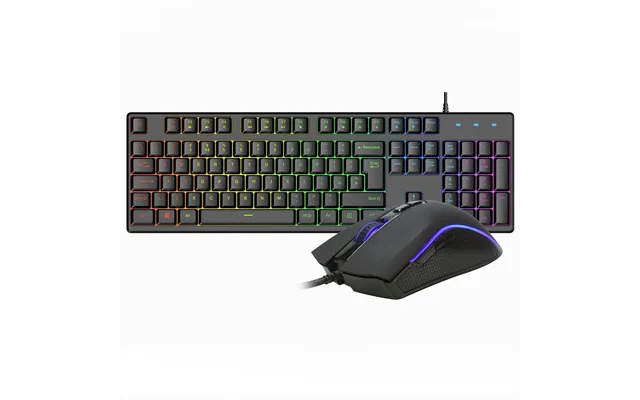
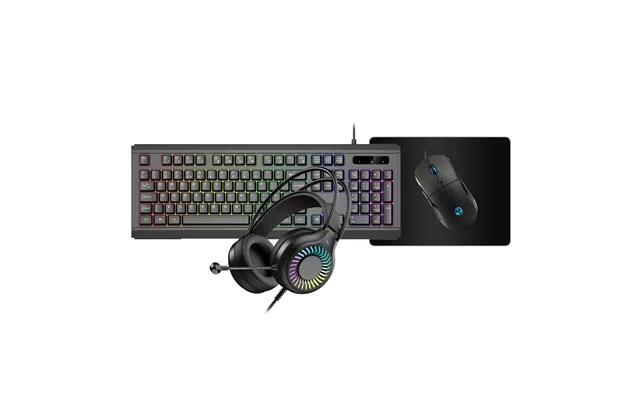
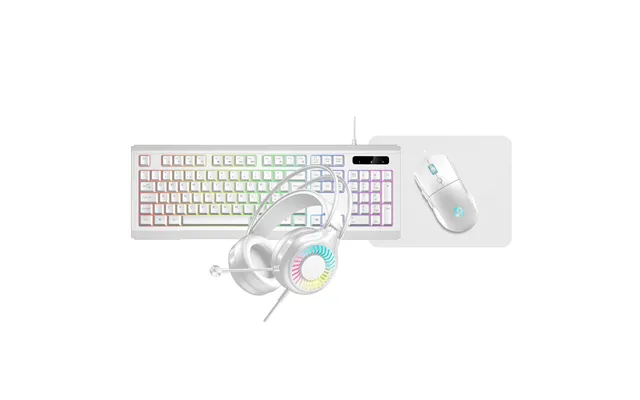
Some starter kits include a keyboard and mouse, occasionally a monitor, and sometimes Wi‑Fi and Bluetooth built in. These extras can be convenient, especially for first-timers or students setting up a desk in a dorm. If a bundle includes a monitor, check for high-definition resolution, decent color quality, and a comfortable refresh rate (gamers will want at least a 120 Hz display, while office users can prioritize clarity and ergonomics). Not all kits include Windows—factor operating system costs into your budget if needed.
You’ll see two broad categories: complete systems (prebuilt) and component bundles (DIY). There’s no single “right” answer—just the best fit for your time, comfort level, and goals. Prebuilt models deliver simplicity and faster setup, while DIY kits reward you with customization and often better upgrade paths for the money. The good news? Both routes can be budget-friendly and powerful if you choose wisely.
Prebuilt PCs come ready to plug in and go. You get a balanced configuration, tested for stability, usually with a warranty covering the whole unit. Cable management, software drivers, and operating system setup are often handled for you. The trade-offs? You might pay a small premium for assembly, and some prebuilts use proprietary cases or power supplies that limit future upgrades. Still, if you want speed, simplicity, and support in one package, prebuilt is tough to beat.
DIY kits are perfect if you enjoy learning how your PC works and want maximum control. You can tailor parts to your needs—more RAM here, a better GPU there—and often get more performance per pound. You’ll also learn skills you can use forever. The flipside? You’re responsible for assembly, troubleshooting, and compatibility checks. If that sounds exciting, DIY can be incredibly rewarding. If it sounds stressful, a prebuilt might be your best friend.
“Best” depends on what you do most. Emails and spreadsheets? Gaming and streaming? Video editing and 3D design? The right starter kit aligns with your daily tasks and your future plans. Here’s how to think about it without drowning in spec sheets.
For browsing, schoolwork, video calls, and light productivity, focus on a recent mid-range CPU, 16 GB RAM, and a 1 TB SSD. Integrated graphics are fine here. If the kit includes a monitor and peripherals, even better—you’ll avoid separate purchases and matching hassles. Look for Wi‑Fi, Bluetooth, and plenty of USB ports. A quiet case and low power draw make these kits perfect for bedrooms or small home offices.
Gamers should prioritize a capable graphics card paired with a modern CPU. Starter bundles often include mid-tier GPUs that handle popular esports titles smoothly and deliver solid performance in modern AAA games at high-definition resolution. Aim for 16 to 32 GB of RAM and a fast SSD to reduce load times. If your kit includes a gaming keyboard and mouse, that’s a bonus—but never let flashy lights distract you from the core components. Check that the power supply has headroom for upgrades, and consider cases with good airflow for cooler, quieter sessions.
If you edit photos, cut videos, or work with audio, your PC needs more cores, more RAM, and fast storage. Look for CPUs with strong multi-threaded performance, 32 GB RAM (or more if budget allows), and a large SSD for active projects. A dedicated GPU can accelerate video editing and rendering in many apps. While gaming-branded kits can work here, creator-focused bundles often include better cooling and quieter operation—details you’ll appreciate during long work sessions.
Short on desk space? Small form factor kits or mini PCs offer impressive performance in compact cases. They’re great for living rooms, dorms, and minimalist setups. Just remember: with smaller cases come tighter upgrade paths. Make sure the kit still offers enough RAM and storage now, and check for an extra M.2 slot or 2.5‑inch bay for future expansion. Quiet cooling is especially important in small enclosures.
Your hardware is only half the story. The right operating system and software choices can make your starter kit feel polished, secure, and productive from day one. Some prebuilts arrive with Windows installed, others come without an OS to keep costs down. Either way, planning your software stack in advance reduces setup headaches.
Windows remains the most compatible choice for gaming and a wide range of productivity tools. Linux is fantastic if you like customization, open-source software, and rock-solid stability. ChromeOS (or ChromeOS Flex on compatible hardware) is minimal and web-first, ideal for simple tasks and lightweight users. If you pick Linux, choose a beginner-friendly distribution with strong hardware support. If you pick Windows, keep drivers current and turn off bloatware you don’t need.
Don’t wait for a scare to set up protection. Enable built-in antivirus, keep the system updated, and use a password manager. For backups, pair cloud storage with a local external drive for redundancy. Creators should consider versioned backups so you can roll files back if needed. These small steps can save you time, money, and stress down the road, and they’re easy to set up on day one.
Prices and bundles shift constantly, especially around seasonal sales. Comparing across multiple retailers on a trusted price-comparison platform helps you spot genuine value and avoid inflated “was” prices. Don’t just chase the lowest number—compare the full spec list, included extras, and the upgrade potential. A slightly pricier kit with better parts can be the smarter buy if it lasts longer and saves you future upgrades.
Start with the essentials: CPU generation, RAM capacity, SSD size and speed, and whether there’s a dedicated GPU. Look at the motherboard capabilities, available ports, Wi‑Fi version, and the wattage and efficiency of the power supply. Scan the case for front-panel USB, room for extra drives, and airflow. If you’re getting a monitor in the bundle, check refresh rate, panel type, and mounting options. Finally, confirm the operating system situation so there are no surprises at setup.
A solid warranty can be worth its weight in gold. Prebuilts often include a single-system warranty, which simplifies support. Component bundles spread coverage across individual parts, which is fine if you’re comfortable handling manufacturer claims. Also consider software support—does the kit come with driver update tools or diagnostics? These details may tip the scales when two bundles look similar on paper.
A great starter kit doesn’t have to be a dead end. Choose a platform that lets you add more memory, drop in a stronger graphics card, or expand storage later. That way, your machine grows with your needs instead of forcing a full replacement. Paying attention to upgrade paths today can save you a bundle tomorrow.
If you start with integrated graphics or an entry-level GPU, make sure your power supply and case can handle a future upgrade. Check for a spare PCIe power connector and adequate clearance. Also consider airflow: adding a more powerful GPU raises temps, so a case with front intake and rear exhaust fans helps keep things cool and quiet. Planning now means you can upgrade later in minutes, not hours.
Games, photos, and videos can fill an SSD quickly. Look for a motherboard with extra M.2 slots to add another fast drive, and ideally a bay for a 2.5‑inch or 3.5‑inch drive. Keeping your operating system and apps on the primary SSD while moving large libraries to a secondary drive is a simple way to stay organized and maintain snappy performance.
It’s easy to get dazzled by flashy case lighting or a big “discount” banner. Slow down and sanity-check the build. Overspending on one component while skimping on another can leave you disappointed. The best starter kits balance CPU, RAM, storage, and GPU so the whole system sings, not just one part.
DIY buyers should check CPU socket compatibility, RAM speed support, and physical clearances for coolers and graphics cards. Make sure your power supply has the right connectors and enough wattage. If the bundle includes a compact case, double‑check the maximum GPU length and cooler height. A few minutes verifying specs can prevent hours of frustration on build day.
Buying top-tier gear “just in case” is tempting, but it can waste money. If you’re a student or casual user, focus on a fast SSD and at least 16 GB of RAM; you can upgrade later if needed. Creators benefit from extra memory and CPU cores more than ultra‑premium GPUs, unless your apps specifically use GPU acceleration. Gamers should aim for a balanced CPU/GPU mix rather than overspending on one side.
Before your kit arrives, plan your workspace. Have a power strip ready, clear your desk, and set aside time for setup without distractions. If you’re building, watch a few current build guides for your case type. Keep drivers handy on a USB stick, and make your first task a round of updates. Then install your everyday apps, set up cloud sync for important files, and create a restore point. You’ll hit the ground running.
You don’t have to buy everything at once. Start with the kit, then add quality-of-life upgrades over time: a better monitor for eye comfort, a mechanical keyboard for typing feel, a larger SSD when your library grows, or a comfy chair to save your back. Focus on the upgrades you’ll notice every day. This staggered approach makes your setup feel fresh without breaking the bank.
Modern components are more efficient than ever, and smart choices can cut your energy bill. Efficient power supplies, right‑sized GPUs, and well‑tuned power plans reduce waste and heat. Dust filters and clean airflow help fans run slower and quieter. If you’re running your PC for hours each day, these small differences add up over time, both for your wallet and the planet.
Computer starter kits take the mystery out of building or buying your next PC. Pick a bundle that aligns with your real needs, check the spec balance, and make sure there’s room to upgrade later. Compare prices across multiple retailers using a trusted comparison platform to find the best deal at a glance. Do that, and you’ll land a fast, reliable, and future‑ready machine without the stress. Whether you’re gaming, studying, creating, or just getting things done, the right starter kit can be your launchpad—simple, powerful, and ready to roll.