

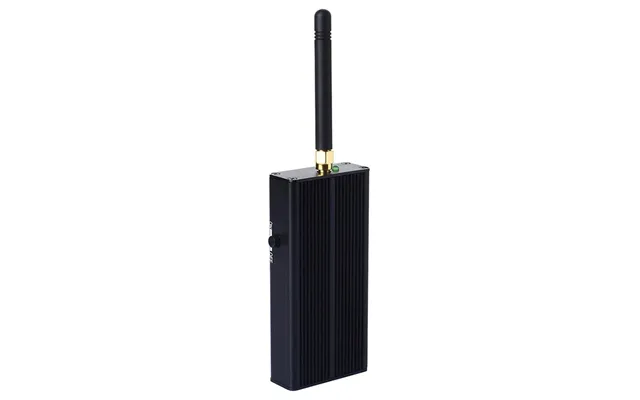
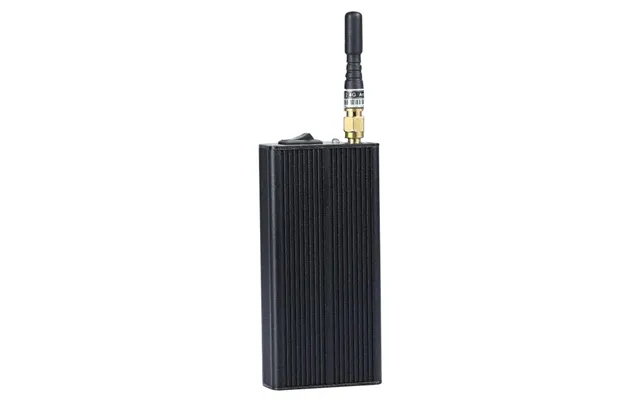
GPS Jammers price list
Last updated Monday, 19 Oct 2026



Loading...
Last updated Monday, 19 Oct 2026
Heard the term GPS jammer and wondered what the fuss is about? In simple terms, a GPS jammer is a device designed to interfere with satellite positioning signals so a receiver can’t determine where it is. That might sound straightforward, but the reality is complicated: you’re dealing with radio interference, safety concerns, and strict laws. If you’re browsing popular offers for GPS jammers online, it pays to know what they claim to do, what they actually do in the real world, and the serious legal boundaries surrounding them.
Think of GPS like a quiet conversation between satellites and your device. A jammer is the loud talker that butts in, making it hard for your phone, tracker, or navigation unit to “hear” the satellites. Different models advertise features like portable sizes, ranges measured in feet, and switchable modes. But here’s the catch: usage is heavily restricted or illegal in many places, including the UK. So before you even compare products, start with what’s allowed, who’s authorized, and where safer alternatives fit your needs.
Let’s address the elephant in the room. In the UK and many other regions, using or selling most GPS jammers is illegal. Why? Because interference can reach far beyond your devices. It can impact nearby vehicles, emergency services, and critical infrastructure. Even an “innocent” test can cause unintended disruption. That’s why law and industry bodies treat this tech with a firm hand. If you’re researching products, do it with compliance front and center—and look closely at lawful tools that protect privacy without breaking the rules.
GPS isn’t just for maps—it underpins logistics, fleet management, emergency response, and timing for financial networks. Interfering with those signals, even briefly, can be like turning the streetlights off in a busy neighborhood. It risks safety and reliability. That’s the rationale behind strict penalties, device confiscations, and even prosecution. Bottom line: any comparison of popular offers must be framed by compliance. Don’t let marketing hype tempt you into ignoring the consequences.
There are narrow, controlled scenarios—laboratories, shielded rooms, or licensed environments—where specialists test signal-interference behavior. Those teams follow tight rules and use professional-grade equipment. If you’re not operating in an authorized setting, steer clear of live jamming. For everyday users concerned about tracking, there are safer, legal alternatives that protect privacy without stepping into a gray area—or worse, a red line.
Browsing popular offers can feel like a maze of bold claims. Some listings emphasize broad coverage, long runtimes, or small “pocketable” designs. Others tout multi-band capability. A smart approach is to treat these pages as informational, not a shopping list. Scrutinize the wording, verify seller legitimacy, check local regulations, and read real user feedback. And remember: a comparison site is there to help you evaluate options and alternatives—not to endorse illegal behavior.
You’ll often see range described in feet, with portable devices claiming effective radii ranging from a few feet to a few dozen feet under ideal conditions. Size info may mention compact bodies around 3 to 6 inches, with weights of a few ounces to a pound. Runtime is usually given in hours, and heat control might be highlighted for continuous operation. Treat everything as theoretical. Real-world obstacles—walls, car bodies, and interference—usually knock those numbers down a notch (or three).
When a listing looks too good to be true, it probably is. Claims of massive effective range or ultra-discreet silence often overlook basics like battery drain, heat buildup, and signal leakage. Think of it like a flashlight: the beam might look great on paper, but fog, distance, and beam spread reduce the actual effect. If you’re concerned about privacy, you’ll likely get better, legal results by exploring shielding accessories and tracker detection tools, which don’t carry the same risks.
While GPS jammers are restricted, people still search for information about their features—partly to understand how alternatives stack up. When comparing product pages, the big categories are coverage, power/runtime, and size/weight. Evaluating these helps you think critically about what you really need. Want discreet protection in your pocket? Lightweight and compact may be your priority. Want peace of mind during long drives? Reliable runtime and safe heat management become more important.
Range figures—say, 10 to 60 feet—are often measured under perfect lab conditions. In the real world, vehicle panels, building materials, and even body placement reduce effectiveness. A device might cover a small room, but struggle through thick walls or a car chassis. If you see ranges quoted in tidy round numbers, assume it’s a best-case scenario. With legal shielding tools, the concept is simpler: a well-made Faraday pouch will close tightly and block signals for the item sealed inside, without guessing coverage outside that boundary.
Portable units typically promise a few hours of operation on a charge. Continuous operation can increase heat, especially in compact housings. Look for clear heat-dissipation design cues like venting or a larger surface area. If a device claims long runtime but looks tiny, that’s a red flag. With legal alternatives, your goal is simpler: a good pouch or case doesn’t need a battery at all, while a tracker detector or RF scanner with a decent battery should comfortably run for several hours between charges.
“Pocketable” often means something in the neighborhood of 4 to 6 inches long, 2 to 3 inches wide, and around 1 inch thick, weighing a few ounces. That’s practical for a glove box or backpack. If the form factor looks bulky—say, over a pound or more than 8 inches long—you’re dealing with a less discreet device. With alternatives, slim Faraday sleeves can be roughly the size of a phone, while larger cases accommodate tablets or key fobs without feeling like a brick.
If your aim is privacy or anti-tracking security, you don’t need to walk the line. There are several legal, highly effective tools that reduce your digital footprint without interfering with public airwaves. Shielded cases, Faraday pouches, GPS tracker detectors, and smart privacy settings can work together like a layered security system. You get control and confidence—without the legal headache.
Faraday accessories use conductive materials to create a mini “quiet zone” for your device. Seal your phone or key fob inside, and signals can’t flow in or out. High-quality models close snugly at the seams and fit easily in a pocket or bag. For everyday carry, look for phone pouches around 7 inches tall and 4 inches wide, with a secure fold-over or magnetic closure. For cars, a small key-fob pouch—about 3 inches by 5 inches—can help block relay attacks on modern keys.
Don’t want to be tracked? Instead of jamming, consider finding and removing the tracker. Consumer-friendly detector wands and handheld RF scanners can help you locate suspicious devices hidden in cars, bags, or luggage. The best models have clear LED indicators, audible tones, and adjustable sensitivity so you can sweep a vehicle interior, under seats, and trunk spaces with confidence. Many are compact—think flashlight-sized—and light enough to carry day to day.
Software and device settings are underrated privacy tools. Location permissions, per-app controls, and temporary airplane mode give you fine-grained control without any special gear. Some privacy-first phones and cases add hardware kill-switches for radios and cameras, strengthening your protection at the flick of a switch. Don’t overlook the basics: audit your apps, disable location for anything that doesn’t need it, and log out of services you rarely use.
Search trends tell the story: drivers, travelers, and business owners want control over data. But the right answer isn’t to overpower signals; it’s to prevent unnecessary transmission or to detect and remove unwanted trackers. Consider how your needs translate into practical tools you can legally use—tools that respect both your privacy and the critical systems around you.
Businesses sometimes look at GPS jammers to hide driver locations. That’s a risky move with legal and operational downsides. A smarter path is transparent, policy-driven tracking with strict data access, retention limits, and consent-based practices. For high-value assets, pair approved telematics with tamper-evident seals, lockable cases, and regular physical inspections. If you suspect illicit trackers on your vehicles, use professional inspections and RF detection sweeps rather than interference devices.
When you want to go low-profile during a weekend escape, you don’t need to block signals across a radius. Drop your phone into a Faraday pouch, use airplane mode, or travel with a privacy-oriented secondary device. If you’re worried about being tagged by a hidden tracker, periodic sweeps with a compact detector—plus a quick look in common hiding spots—can give you peace of mind without affecting anyone else’s service.
With so many listings vying for your attention, a comparison site makes life easier by organizing options, surfacing popular offers, and highlighting competing products you might otherwise miss. That’s especially helpful when your goal is to avoid restricted gear and choose protective tools that match your budget and use case. You can scan prices, skim specs, and identify top-rated alternatives—all in one place.
Deals fluctuate. A product that’s pricey today might dip next week, sometimes with bundles that add extra pouches or accessories. Look at price history when it’s available, then dive into verified reviews for real-world performance notes. Does the shielded case close cleanly after months of use? Does the tracker detector’s battery still last several hours? Those nitty-gritty details matter more than glossy product shots.
Instead of opening ten tabs, create a shortlist of legal privacy tools and compare them side by side. Consider size (does that pouch fit a phone with a case?), weight (under half a pound for daily carry is ideal), and runtime (several hours per charge for detectors). You’ll quickly see which options align with your routine—commuting, road trips, or occasional sweeps.
Buying privacy gear isn’t just about picking the trendiest listing. Quality materials, reliable closures, and clear support make the difference between “good in theory” and “great every day.” Prioritize products that are built to last, with transparent specs and credible documentation. If you’re on the fence, start with an affordable pouch and a basic detector, then upgrade as you learn what you actually use.
For Faraday pouches and cases, look for multi-layer shielding, rugged stitching, and closures that don’t loosen with time. A solid, reinforced flap or zipper often beats a flimsy magnetic tab. Tracker detectors should feel sturdy in the hand, with clean seams and tactile buttons. A clear warranty—preferably at least a year—signals confidence from the manufacturer, and responsive support is a big plus.
Measure your everyday carry. If your phone is on the large side, a pouch that’s at least 7 inches tall allows a comfortable fit. For travel, a slim wallet-sized shield for key fobs—about 3 by 5 inches—slips easily into a coat pocket. Detectors around 6 to 8 inches long feel like a flashlight, fitting glove boxes and center consoles without hogging space. Keep weights under a pound where possible for comfort.
Safety isn’t negotiable. Unauthorized signal interference can put you and others at risk. If you’re experimenting with privacy tech, pick gear that doesn’t broadcast anything at all—like Faraday enclosures—or gear designed to detect, not disrupt. Keep devices cool, charge them properly, and store them thoughtfully so they’re ready when you need them.
Any device with a battery and radio parts can get warm. Don’t leave electronics baking in a car on a sunny day. Follow the maker’s charging guidance, and avoid crowded pouches that trap heat. For detectors, moderate sensitivity settings can extend runtime and keep temperatures comfortable. With passive shielding, there’s no radio transmission and no battery—one reason those solutions are both simple and safe.
You can verify a Faraday pouch easily: call or message your phone while it’s sealed and see if anything gets through. For tracker detectors, practice in a safe, private space with devices you own, so you learn how the indicators behave around known sources. The goal is confidence and competence—without creating interference that could affect nearby people or systems.
Privacy tech keeps evolving, and the best ideas are often the most elegant. Expect more compact shielding accessories that look like everyday wallets and sleeves, plus smarter detectors that balance sensitivity with fewer false alarms. As consumers get savvier, product pages are also getting clearer—showing realistic runtimes, honest sizing, and better user guides.
New handheld units are improving user feedback with clearer displays and better audio cues, helping you distinguish ordinary background chatter from suspicious signals. Expect longer runtimes measured in hours and refined ergonomics that feel natural in the hand. The best part? They put the power back in your hands without risking interference penalties.
From sleek phone sleeves to stylish key-fob wallets, modern shielding accessories blend into daily life. You might see dual-compartment pouches—one shielded and one open—so you can choose when you’re offline and when you’re connected. Look for tight closures, durable fabrics, and sizes that match your actual devices, not just a generic template.
Navigating GPS jammers and popular offers starts with one simple principle: stay legal, stay safe. While jammers might sound like a quick privacy fix, they carry serious risks and restrictions—especially in the UK. Fortunately, you have excellent alternatives that respect both your privacy and everyone else’s connectivity. Faraday pouches, tracker detectors, and smart device settings deliver practical control without the fallout. Use a trusted comparison site to weigh your options, set a budget, and shortlist the gear that fits your life. With the right tools—and the right approach—you can protect your privacy confidently and responsibly.