All categories
Business & Offices
Electronics & Media
Fashion & Accessories
Groceries & Essentials
Health & Personal Care
Home & Living
Kids & Family
Sports & Outdoors
Search in ZoneOffer
Loading...
Hunting for the best marine electronics without getting lost at sea? You’re in the right harbor. The “Marine Electronics – Other” category brings together the overlooked essentials that make boating safer, smoother, and more fun—from AIS and VHF to radar, sonar, networking, and more. Below, you’ll find a friendly, jargon-light guide that helps you compare features, spot value, and decide what actually suits your boat, your waters, and your style of cruising in the UK.
Think of this category as the toolkit behind every confident skipper. It’s where you find the devices that help you navigate, communicate, detect hazards, and connect your boat’s brain. We’re talking GPS chartplotters, fish finders, VHF radios, AIS transceivers, marine radar, autopilots, emergency beacons like EPIRBs and PLBs, network backbones like NMEA 2000, cameras, sensors, power management gear, and more. It’s the glue between your helm and the horizon.
If engines are the heart of your boat, marine electronics are the nervous system. They reduce guesswork, improve safety, and ultimately save time and money. Whether you’re day-sailing close to shore or hopping between marinas along the UK coast, the right electronics deliver clearer visibility and quicker decisions. You don’t need everything, but the right combination makes every trip feel like a calm-weather cruise.
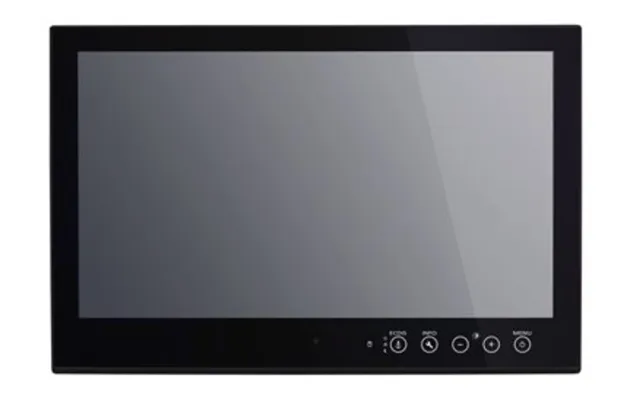
Chartplotters are your digital charts and navigation brain in one. MFDs take it up a notch by combining charts, radar, sonar, AIS, and engine data on a single screen. You can start with a compact 7-inch display and scale up to larger helm-friendly sizes. The sweet spot for many skippers blends sunlight-readable screens, quick redraws, and simple menus, so you’re not fumbling when weather turns moody.
When comparing chartplotters, prioritize clarity, responsiveness, and expandability. Can you overlay radar on your charts? Add AIS targets? Mirror the display on a tablet? Check chart options for UK waters, the ease of route planning, and how quickly the device acquires GPS position. A tidy interface with logical icons is worth its weight in peace of mind when you’re threading a tight channel.
If you navigate anywhere beyond familiar moorings, a chartplotter is a no-brainer. Cruisers benefit from route planning and tide overlays. Anglers love combining chart data with sonar. Even day boaters appreciate a clear, always-on map. And if your helm space is tight, a smaller unit mounted on a bracket or flush-fitted can still deliver big performance without dominating your dash.
Fish finders aren’t just for anglers—they’re underwater eyes. Sonar shows bottom contours, obstacles, and bait schools, which helps anyone navigate more confidently. Modern units often blend with chartplotters, giving you an all-in-one view. It’s like switching on the lights below your keel so you can cruise with fewer surprises.
Traditional sonar sends a single frequency pulse. CHIRP sweeps across a range like a studio-grade echo, delivering better target separation and more detail. If you want to pick out individual fish or discern structure just off the bottom, CHIRP is your friend. The result? Clearer returns and fewer “what was that?” moments as you motor along a rocky shoreline.
Down imaging gives you a tight picture directly beneath the boat, handy for checking depths around moorings or spotting structure. Side imaging scans wide on both flanks so you can spot schools, wrecks, or ledges beyond your wake. If you fish, side imaging is like turning a flashlight sideways—it reveals hotspots you’d otherwise glide right past.
VHF radios are your lifeline on the water. From weather alerts to hailing marinas and calling for help, a fixed-mount VHF at the helm is essential. Pair it with AIS (Automatic Identification System), and suddenly you can see nearby vessels, complete with names and heading info. It’s like giving your boat a set of eyes that never blink.
DSC (Digital Selective Calling) is a must. With a GPS feed, one button can transmit your identity and location, cutting through chaos in an emergency. Even for routine calls, DSC lets you directly hail another vessel without cluttering the channel. It’s not just convenience; it’s a safety multiplier that makes every call clearer and faster.
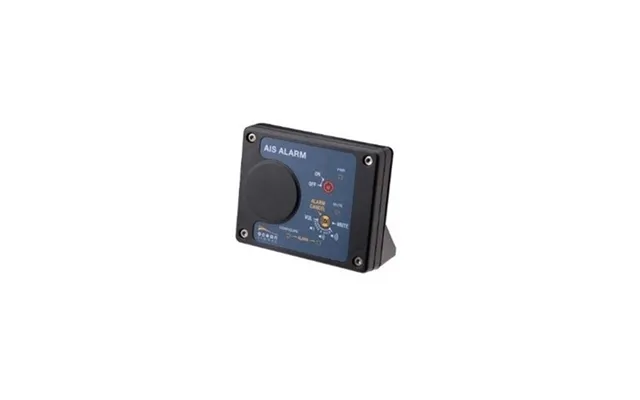
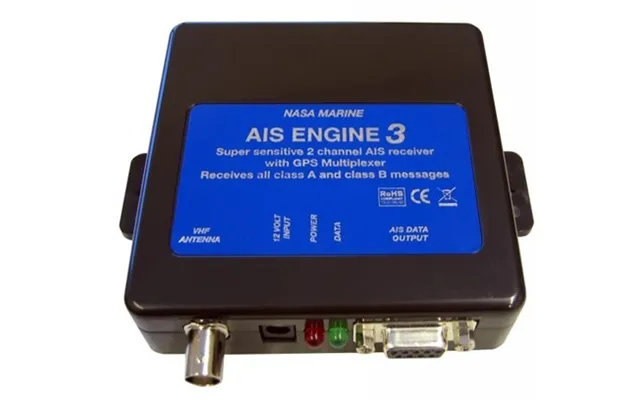
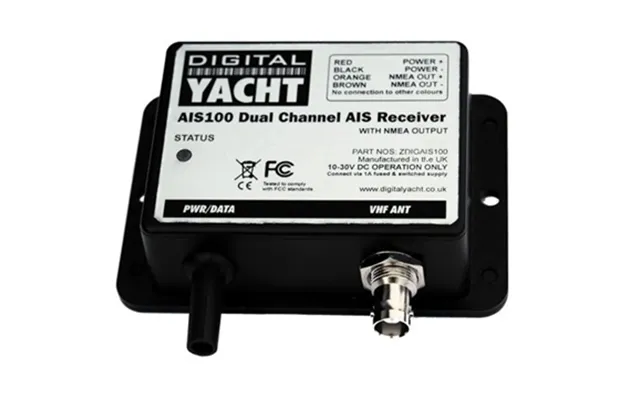
An AIS receiver lets you see other AIS-equipped vessels. An AIS transceiver does both: you see them, and they see you. If you run in traffic or tight weather windows, a transceiver adds real presence on the water. You’ll show up on bridge displays, larger ships’ screens, and other recreational plotters, which helps everyone keep a respectful distance.
Radar helps you “see” through fog, rain, and darkness. It draws shorelines, ships, and squalls on your screen, giving you awareness when visibility drops. Autopilots, meanwhile, hold a steady course while you trim sails, check lines, or sip that hard-earned tea. Together, they chill the demanding parts of passage-making and free your attention for the bigger picture.
Solid-state radar typically spins up fast, sips power, and paints targets with crisp edges even at close range—great for small boats and weekenders. Magnetron units still have fans for long-range punch, but for many UK boaters, solid-state hits the sweet spot of clarity, simplicity, and compact size. If your budget allows, radar overlay on charts is a game-changer.
Autopilots rely on sensors like compasses and gyros to hold a heading or track a route. For the best performance in chop, look for rapid sampling and smart course correction. When integrated with your plotter, you can steer to a waypoint, follow a track, or maintain a wind angle on sailboats. It’s like having a steady-handed mate who never blinks.
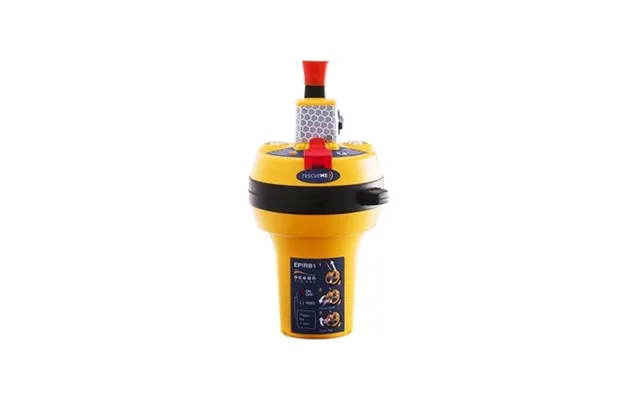
Emergency beacons are the safety net you hope you’ll never need. EPIRBs are designed for the vessel and typically activate in the water or on command, broadcasting your distress to global networks. PLBs are personal units you carry, ideal for singlehanders or crew. SART devices help rescuers home in on your position. In poor visibility, they’re a lifeline you can rely on.
Properly registered devices help authorities reach your emergency contacts quickly, so they can confirm details and speed up response. Keep an eye on battery service intervals and test your beacon according to the manual. Stash it where it’s easy to grab, and train your crew so everyone knows what to do. Preparation is boring—until it isn’t.
Modern boats are floating networks. NMEA 2000 lets devices share data on a tidy backbone, so your plotter, engine, sensors, and autopilot speak the same language. Add a Wi‑Fi gateway, and you can view live data on a tablet at the cockpit or in the cabin. Simple, smart, and shockingly powerful for troubleshooting and planning routes.
Plan the network backbone like a trunk with short branches to each device. Keep runs neat, label everything, and avoid sharp bends or stress points. Power consumption varies across units, so consolidate displays where it makes sense, dim screens at night, and switch off what you don’t need. Small habits add up to longer, quieter cruising between charges.
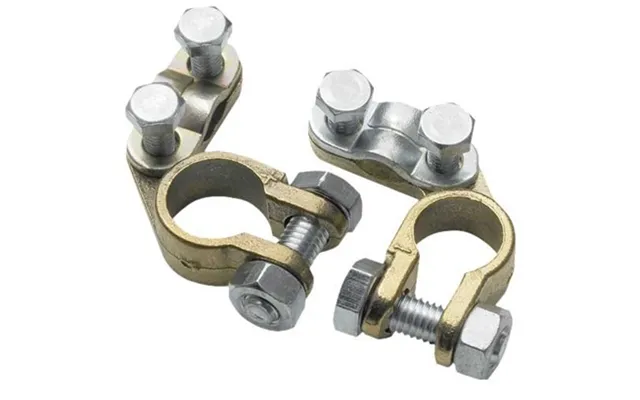
Electronics are only as reliable as the power behind them. A quality marine charger, a smart monitor, and tidy wiring go a long way. Add solar with a controller if you want a quieter life on the hook. Protected terminals, clean crimps, and well-sized cabling prevent gremlins that show up as flickers, random reboots, or dead screens just when you need them most.
If you need household-style outlets for laptops or camera chargers, a marine inverter keeps things humming. Look for clean output that sensitive electronics appreciate, and mount it with airflow in mind. A neat installation means fewer phantom issues and a longer life for everything from your VHF to your chartplotter.
Marine cameras give you a second set of eyes—on the cockpit, engine room, or swim platform. Some units offer low-light enhancement so you can see at dusk without extra lighting. Thermal cameras spot heat signatures, which helps in fog or at night. Add alarms for bilge, battery, or intrusion, and your boat watches itself while you enjoy the voyage.
Low-light cameras amplify existing light for a natural picture—great at dawn or dusk. Thermal cameras detect heat, picking out boats, buoys, or even wildlife against cold water. If you cruise after dark or in patchy visibility, thermal can be a dramatic upgrade in awareness. If you mostly day-cruise, low-light may offer the best bang for your buck.
Good gear deserves a good install. Mount displays where your eyes naturally land, route cables away from steering or throttle linkages, and always use marine-grade connectors. A clean layout makes troubleshooting faster and reduces failures caused by vibration, moisture, or corrosion. The time you spend now pays you back when weather turns stubborn.
Antennas like height and clear sightlines. Space your VHF, GPS, and AIS antennas to reduce crosstalk and avoid mounting near radar arrays or high-current cables. Tidy coax runs and quality connectors preserve signal strength. On sailboats, masthead mounts buy you range; on powerboats, a sturdy arch or roof mount keeps things clear of metal clutter.
Use gaskets, boots, and drip loops to keep water out. Seal penetrations carefully, and keep desiccant packs handy for lockers that trap humidity. Periodically check mounting hardware, clean contacts, and update software so fixes and new features land on your helm. Treat your electronics like you treat your hull—regular attention beats emergency repairs.
From wind and depth to temperature and barometric pressure, sensors feed your displays with context that makes decisions easier. A tidy network lets you view true and apparent wind on one page, then flip to depth trends on another. Even casual cruisers enjoy seeing patterns: when you know what “normal” looks like, you spot trouble early.
Sailors lean on wind angles, laylines, and polars; powerboat skippers watch fuel flow and engine data. The beauty of modern systems is how easily you can tailor pages for your style. Set up cruising pages, docking pages, and fishing pages, each with the data you need at a glance. It’s your dashboard—make it feel personal.
Marine stereos, speakers, and remotes keep morale high on long runs, and modern units integrate with plotters or phones for easy control. Remote monitoring systems alert you if the bilge rises or batteries drop while you’re ashore. A quick check on your phone can turn a bad surprise into a minor chore before it snowballs.
Pick audio gear designed for marine life—UV-resistant grilles, sealed controls, and robust mounts. For remote monitoring, choose sensors you can actually install neatly, then test alerts before you rely on them. Less time tinkering means more time enjoying a glassy morning start or a sunset mooring with your favorite playlist.
Comparing marine electronics can feel like decoding a storm chart. Start with your must-haves: navigation, communication, and safety. Then add nice-to-haves: sonar views, radar overlay, remote control via tablet. Use reputable comparison platforms like ZoneOffer to cross-check pricing, features, and warranty coverage from multiple sellers without guesswork or pressure.
Sticker price is just the beginning. A mid-range chartplotter that integrates with your existing radar or autopilot may beat a cheaper unit that forces adapters or upgrades. Consider mounting costs, cables, and sensors you’ll need. Value is a full picture: performance now, flexibility later, and support when something goes sideways.
Electronics live rough lives at sea. Prioritize brands with strong UK support, accessible manuals, and active user communities. Keep receipts and serial numbers handy, and register your gear so updates and recall notices find you. When storms roll in, you’ll be glad you picked a setup backed by helpful people, not just glossy specs.
Weekend cruiser? A compact MFD with built-in sonar, a fixed VHF with DSC, and an AIS receiver is a solid core. Inshore angler? Add side imaging and a transducer tuned for your target depths. Coastal cruiser? Consider radar and a smart autopilot. The trick is matching gear to your boat’s size, power budget, and the waters you love most.
Buy with a plan. Pick a chartplotter that can talk to radar later, choose a VHF that accepts GPS, and build your NMEA 2000 backbone with a spare tee or two. Today’s “good enough” becomes tomorrow’s “still great” when you install with expansion in mind. Small choices now make big upgrades painless down the line.
When a screen freezes or an instrument drops offline, start simple: power cycle the device, check fuses, and inspect connectors for corrosion. Swap in a known-good cable to isolate the fault. If a network device misbehaves, unplug it and see if the rest stabilizes. A patient, step-by-step approach beats guesswork every time.
Routine checks are your cheapest insurance. Update software during the off-season, tug on mounts after bumpy trips, and keep a small kit with spare fuses, connectors, and a basic tester. A clean, labeled install turns every future fix into a short story, not a saga.
Marine electronics don’t need to be a maze. Start with safety and navigation, then add tools that fit how you actually boat. Compare features, think about integration, and plan for growth. When your chartplotter, VHF, AIS, radar, and sensors work together, you get more than gadgets—you get confidence. And confidence, mile after mile, is the best upgrade you’ll ever buy.
| Marine Electronics - Other | Price | |
|---|---|---|
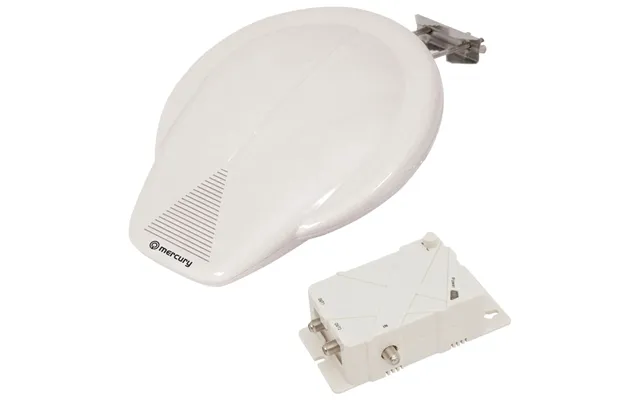
| Mercury Outdoor Amplified Freeview Hdtv Aerial For Caravans & Boats | £ 35,89 | |
| Warhammer 40,000 Space Marine 2 - Season Pass 1 2 | £ 46,99 | |
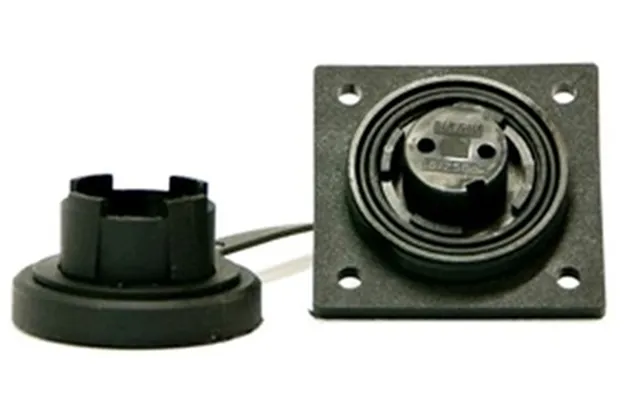
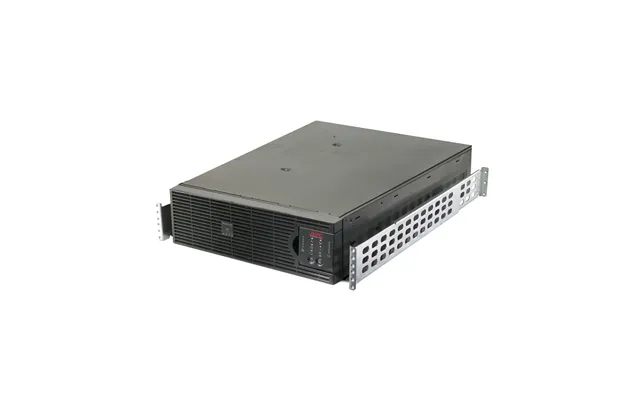
| Apc Smart-ups Rt 3000va 230v - Marine | £ 3.170,77 | |
| Apc Smart-ups Rt 3000va 230v - Marine | £ 3.170,77 |