

Marine Radar price list
Last updated Saturday, 17 Oct 2026
| Marine Radar | Price |
|---|---|
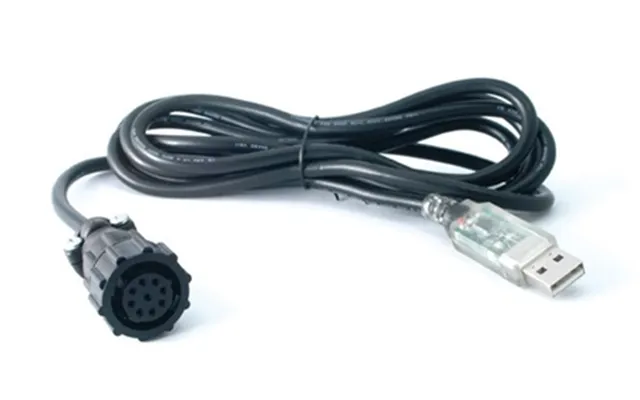
| Digital Deep Sea Pilot Plug & Usb Cable | £165.10 |
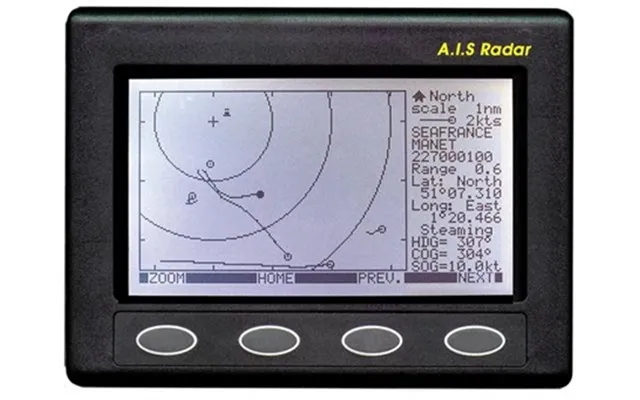
| Nasa Clipper Ais Radar Receiver | £365.21 |




View 6 Offers
Loading...
Last updated Saturday, 17 Oct 2026
| Marine Radar | Price |
|---|---|
| Digital Deep Sea Pilot Plug & Usb Cable | £165.10 |
| Nasa Clipper Ais Radar Receiver | £365.21 |
Marine radar is your extra pair of eyes when the sea plays hide-and-seek. Fog rolls in, night falls, rain blurs the horizon—yet a good radar keeps painting a clear picture of nearby vessels, shorelines, markers, and weather cells. Think of it like switching on the high beams for your boat, except the beam reaches far beyond your eyesight. Whether you captain a small day boat or a long-range cruiser, radar becomes the safety net you hope to never need but are always grateful to have.
Safety is the obvious benefit, but it’s not the only one. Radar helps you make better decisions under pressure: picking clean lines through crowded channels, tracking weather edges, or spotting flocks of birds that might hint at bait and game fish. Pair it with your chartplotter for overlay, and you get a smarter, more confident read of your surroundings. It’s like upgrading from a paper map to a living, breathing situational awareness tool that never blinks.
Radome and open array units are the two big families you’ll see everywhere. Radomes are compact domes, usually around 18 to 24 inches, well-suited for small to mid-size boats. They’re lighter, easier to mount on arches or masts, and often more budget-friendly. Open arrays, by contrast, use a rotating bar that can be 3 to 6 feet long. That extra length narrows the beam, giving you sharper target separation and better performance at longer ranges. If you regularly navigate offshore, spot distant weather, or demand the best target definition, an open array is hard to beat. If you’ve got a smaller vessel or limited mounting space, a radome offers a smart balance of performance and practicality.
Traditional magnetron radars have been trusted for years, especially for long-range punch. Solid-state systems, however, have surged ahead thanks to fast warm-up, excellent short-range clarity, lower power draw, and clever signal processing. They’re especially good at distinguishing small targets near the boat, where it matters most in tight harbors. If you want sharp target resolution and instant-on convenience, solid-state is an attractive choice. For the longest-range demands, some captains still lean toward open array units that emphasize extended detection, though many modern solid-state open arrays now deliver exceptional range as well.
Doppler-based target coloring is a game-changer. It shows which objects are moving toward or away from you at a glance—often using intuitive color schemes. Picture a cluttered harbor where every blip is competing for attention. With Doppler highlighting, the genuine threats practically wave their hands at you. It’s situational awareness without the squinting.
Pulse compression helps modern radar squeeze every drop of clarity from each rotation. The result? You can see small buoys, kayaks, and channel markers at close range while still maintaining useful range offshore. It’s like adjusting a camera lens to keep both foreground and background in focus, without constantly fiddling with the settings.
Dual range allows your radar to display a near view and a far view at the same time. One screen shows the immediate area—great for busy marinas—while the other scans farther ahead for weather or traffic. If you regularly run in varied conditions, this feature saves you from switching modes and hoping you didn’t miss something important.
MARPA or ARPA tracking locks onto targets and estimates their courses, speeds, and closest points of approach. Add AIS overlay, and named vessels with transponders appear right on your radar display. Now you’re not guessing what that blip is. You can identify it, predict where it’s going, and decide whether to alter course or speed. It’s like having a friendly navigator that taps your shoulder when a situation needs attention.
Overlaying radar returns directly onto your chartplotter blends real-world echoes with charted features. When the chart says “buoy here” and radar says “echo here,” your confidence goes up. Purpose-built modes—for harbors, offshore, or weather—fine-tune the radar to match your environment. You get cleaner images with less fiddling and more driving.
Range numbers look impressive on paper, but real-world performance depends on height, sea state, and target size. Mounting height matters because radar sees line of sight; the higher the mount, the farther the horizon. That’s why a dome on a flybridge might show contacts you’d miss on a low arch. Also remember that short-range clarity can be more critical in tight channels than extreme long-range detection. Choose the balance that matches your waters and your style of boating.
Beamwidth is the secret sauce for resolving two close targets as distinct objects. Narrow beams (common with longer open arrays) deliver sharp separation, which helps you tell a small boat from a marker or separate two vessels running side-by-side. Wider beams (common with compact domes) prioritize size and ease, but can blur closely spaced targets. If you often squeeze through busy fairways or fish near fleets, narrower beams bring calm to the chaos.
Open arrays typically come in lengths like 3, 4, or 6 feet. Longer arrays improve resolution and range but add weight and windage. Radomes are usually around 18 to 24 inches across—small enough for hardtops and radar arches without dominating the profile. Pick the size that your mounting surface, aesthetics, and performance goals can comfortably handle.
Modern radar connects to your multifunction display (MFD) over marine Ethernet or brand-specific networking. Many setups draw power from your 12V or 24V supply and route a single data cable back to the MFD or network switch. Keep wire runs as short and clean as possible, use proper fusing, and secure every connection to withstand pounding seas. Connectivity is the bloodstream of your system—treat it like critical infrastructure.
Radar and MFDs usually play best within the same brand family. Garmin radars pair smoothly with Garmin displays. Raymarine radars pair neatly with Raymarine MFDs. Simrad and Lowrance live in the same wider family, and B&G brings sailing-focused features to the mix. Furuno systems are a staple on serious cruising and commercial boats. Can you mix and match? Sometimes, but plug-and-play reliability is strongest when you stay within the ecosystem designed to work together.
Garmin’s Fantom lineup is known for fast target acquisition, Doppler target coloring, and strong close-range performance. The user interface is intuitive, which is handy when conditions change quickly. If you already run Garmin MFDs, Fantom often slots in seamlessly, from compact domes to larger open arrays for more range and tighter beamwidth.
Raymarine’s Quantum family emphasizes sharp imaging, low power draw, and easy installation. The systems are light, which makes them ideal for arches and smaller hardtops. If you use Raymarine Axiom MFDs, the integration is straightforward, and the learning curve is gentle. It’s a solid choice for skippers who value clarity and simplicity.
Simrad Halo radars are a favorite among anglers and performance boaters. Expect rapid start-up, Doppler features, and advanced modes that adapt to nearshore or offshore runs. The open array models in particular are well-regarded for their combination of range and resolution. If your dash wears Simrad, Halo is a natural partner.
Furuno is a legend in the radar world, and the NXT and DRS families carry that reputation with pride. Commercial operators and serious cruisers often choose Furuno for its robust build and consistent performance. If your priorities include reliability on long passages and professional-grade features, Furuno offers a compelling path.
Lowrance caters to anglers who want radar for safety and practical fishing applications, while B&G adds sailing-centric tools like sail-steer integration. Both share a broader ecosystem with Simrad, making network setup familiar and flexible. If you fish wrecks or chase schools, radar can help you find working birds and stay safely oriented when the weather turns.
On compact boats, an 18 to 24 inch dome often hits the sweet spot. You’ll get reliable target detection, light weight, and a clean install. Look for Doppler highlighting for quick threat assessment in busy waterways, and prioritize short-range clarity for harbor work. If you trailer your boat, a dome keeps windage low and mounting simple.
For longer passages, consider stepping up to a larger dome or a shorter open array. You’ll appreciate better separation in crowded approaches and stronger range when scanning for weather edges. Sailors will want low power draw and instant start-up, especially on overnight runs, plus integration with sailing data on the MFD for smart decision-making without cluttering the helm.
If you chase pelagics or run offshore regularly, an open array pays dividends. The narrow beam helps you pick birds at distance and separate targets when fleets gather over structure. Dual-range viewing lets you watch the near zone for safety while scanning the horizon for the next promising patch of water. Pair radar with sounders and charts, and you’ve got a full spread of intel that stacks the odds in your favor.
Mount high for better range, but avoid shadowing by masts, towers, or radomes stacked too close together. Keep the antenna level, with a clear view forward and minimal obstructions. On sailboats, mast mounts are common; on powerboats, hardtops and arches are typical. Mind radar beam safety—avoid mounting where crew spend time directly in front of the scanner.
Use appropriately sized cables and fuses, keep runs tidy, and route wiring away from high-interference sources. Any deck penetrations should be sealed thoroughly to keep water out. If you need to extend cables, follow brand guidelines and use approved connectors. Corrosion is the enemy—heat-shrink, dielectric grease, and tidy looms go a long way toward trouble-free seasons.
After installation, run through the setup wizard on your MFD. Calibrate bearing alignment so the radar’s “straight ahead” matches your boat’s heading. Fine-tune sea clutter and rain clutter controls—modern auto modes are impressively good, but a little manual adjustment can make a great image even better. Save your favorite settings for quick adjustments when conditions change.
Entry-level radomes deliver reliable safety and navigation support at a friendly price. Midrange models add features like Doppler highlighting and dual range. Premium units—especially open arrays—focus on peak resolution, longer reach, and advanced tracking tools. The trick is matching features to your reality. Do you truly need top-tier range every weekend, or will a smart radome cover 95% of your runs with less cost and complexity?
Prices and bundles can swing based on promotions, seasonal sales, and what’s included in the box. Use a trusted comparison site like ZoneOffer to quickly scan offers from multiple retailers, check what accessories are bundled, and see which kits best fit your boat. A little research can uncover deals on network cables, mounting brackets, or extended warranties that add real value without inflating your budget.
Rinse salt spray from the scanner regularly, and do a light wipe with fresh water and a soft cloth. Inspect cables and connectors for corrosion each season. Give the radome or array a quick visual check for cracks or loosened hardware. A few minutes of care prevents little issues from turning into lost weekends.
If your radar image looks noisy, verify power supply and ground first, then check clutter settings. If the overlay doesn’t line up with your chart, revisit bearing alignment and heading sensor calibration. If targets fade or drop out, look for obstructions or loose connectors. Most problems trace back to simple causes—address those before assuming a major fault.
Confirm your mounting location and height. Match the radar brand to your current MFD for painless integration. Decide whether a compact radome or a longer open array fits your use and space. Prioritize features: Doppler highlighting, dual range, MARPA/ARPA, and chart overlay are high on many skippers’ lists. Plan your network path and cable lengths in feet, and gather fuses, glands, and sealant for a clean install. Finally, compare offers to make sure you’re getting the right bundle, not paying extra for parts you don’t need.
Imagine pushing through a foggy inlet at dawn. Your eyes catch a hint of wake, but the radar confirms two small boats angling across your bow. MARPA plots their courses, Doppler colors show which one is getting closer, and you adjust speed with confidence. Or picture a choppy afternoon offshore: radar picks up a tight cluster of birds, and your crew sets lines over promising water. These aren’t “nice to have” moments—they’re the payoffs that justify the radar in the first place.
Don’t chase specs you won’t use. A well-installed radome on a modest boat is often worth more than a high-end array you can’t mount properly. Stay within brand ecosystems whenever possible for smoother updates and better support. Keep your manuals handy on your phone or tablet, and practice with the radar on clear days so you can read returns like a pro when visibility drops. If you’re comparing multiple models, make a simple chart of must-haves versus nice-to-haves—then let price and bundle extras tip the scale.
Marine radar isn’t just for big yachts—it’s for anyone who wants safer passages, clearer decisions, and more confident navigation when visibility tanks. Start by choosing between a compact radome and a performance-focused open array, weigh the benefits of solid-state tech and Doppler features, and make sure it integrates cleanly with your current MFD. Then compare offers to find the best bundle for your boat. Pick wisely, install well, and you’ll wonder how you ever cruised without it.