All categories
Business & Offices
Electronics & Media
Fashion & Accessories
Groceries & Essentials
Health & Personal Care
Home & Living
Kids & Family
Sports & Outdoors
Search in ZoneOffer

Loading...
Optic accessories are the unsung heroes of photography and videography. They’re the small tools, add-ons, and protective bits that elevate your lens performance, expand your creative options, and help you work smarter in tough shooting conditions. Think about lens filters, hoods, adapters, cleaning kits, teleconverters, extension tubes, and more. Each one solves a practical problem—glare, dust, reach, close focus, or simply protection—while unlocking fresh creative possibilities.
If you’ve ever wondered how some creators achieve razor-sharp subjects, silky skies, or perfectly controlled highlights straight out of camera, the answer often lies in the optic accessories they choose. In the UK, popular offers on these accessories appear frequently, and comparison platforms make it simple to scan a price list quickly and find a great deal without compromising on quality.
Let’s be honest: your camera and lenses do the heavy lifting. But optic accessories fine-tune the result. They manage light before it even touches the sensor, reduce flare, tame reflections, and keep your gear safer on location. A great filter can save a shot in harsh midday sun. A sturdy lens hood can block stray light and prevent unwanted contrast loss. A good cleaning kit avoids smears that would otherwise ruin sharpness.
Accessories also help your lenses do more. Teleconverters stretch your reach for wildlife or sports without needing another telephoto lens. Extension tubes bring you closer to tiny subjects without investing in a dedicated macro lens. Adapters broaden compatibility across lens mounts, giving you access to classic glass with modern bodies. When chosen wisely, optic accessories offer huge value for money—and many of the best options are regularly discounted in the UK if you know where to compare.
Filters are the first line of defense and creativity. UV or clear protective filters guard the front element against scratches, spray, and dust. Circular polarizers (CPL) cut glare on water, glass, and shiny leaves, while deepening skies and boosting color saturation—perfect for landscapes and travel. Neutral density (ND) filters reduce light, letting you use slower shutters for dreamy motion blur or wider apertures for shallow depth of field in bright conditions.
Common filter diameters usually sit between about 2 inches and just over 3 inches across, with popular sizes around roughly 2.05 inches, 2.28 inches, 2.64 inches, 2.83 inches, 3.03 inches, and 3.23 inches. When you shop, match your lens’s filter thread to the filter diameter. If you own lenses of different sizes, consider one premium filter in your largest diameter and use step-up rings to fit it on smaller lenses. This saves money while keeping optical quality high.
Lens hoods block stray light that causes flare and reduces contrast. They also add a physical buffer if your lens bumps into something—like a little crash helmet for your glass. Petal hoods are common on wide lenses, while telephoto hoods are typically deeper. Keep your hood on whenever possible; it’s one of the simplest upgrades you can make to image quality and lens safety.
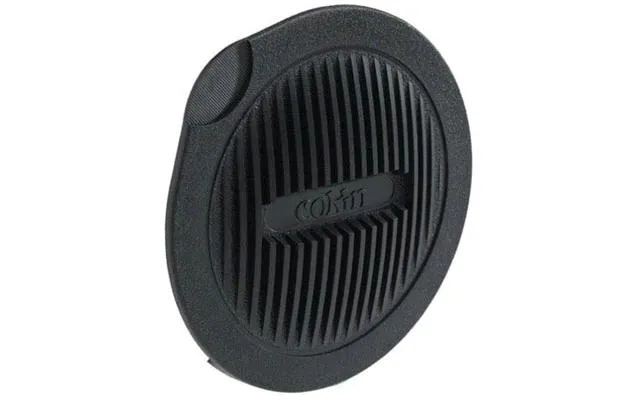
Front and rear lens caps are small but crucial. Front caps protect the most vulnerable surface, and rear caps keep dust out of the lens interior when it’s off the camera. Lose a cap once, and you’ll never underestimate their value again.
Adapters bridge the gap between different lens mounts, letting you pair classic or third-party lenses to your current camera body. Some adapters preserve autofocus and electronic aperture control; others are purely mechanical but prized for simplicity and reliability. They can be a brilliant way to explore legacy optics without a full system switch.
Step-up rings let you use a larger filter on a lens with a smaller thread, such as adapting a filter of about 2.28 inches to a lens that’s closer to 2.05 inches. This one accessory can dramatically cut costs by standardising your filters around one larger size. Step-down rings are less common, as they risk vignetting, but can work for telephoto lenses where the image circle is tighter.
Teleconverters increase your focal length, giving you extra reach for wildlife, sports, and airshows. A 1.4× model adds a noticeable boost without too much compromise, while 2× teleconverters deliver serious magnification in exchange for more light loss. The key is compatibility: some lenses and cameras work beautifully with matched teleconverters, delivering sharp results and reliable autofocus. When matched right, you’ll feel like you added a new lens to your bag without adding the pounds.
Pro tip: use a solid tripod collar or lens support with bigger telephoto lenses to maintain balance and reduce strain on your camera mount. It’s a small addition that pays off in sharper shots and safer handling.
Extension tubes reduce the minimum focus distance of your lens, letting you capture macro-like images with lenses you already own. They contain no glass, so they don’t alter optical quality—though they can reduce light and depth of field. Pair them with a fast prime for dreamy, close-up detail on flowers, food, and textures.
Close-up lenses (also called diopters) screw onto the front of your lens, functioning like a magnifying glass to bring subjects closer. They’re portable, affordable, and great for travel when you don’t want to carry a dedicated macro lens. Look for multi-element versions for better edge-to-edge sharpness.
Smudges, dust, and salt spray are the silent assassins of image quality. A basic cleaning kit with a blower, soft brush, microfiber cloths, and lens-safe solution will keep your optics pristine. For on-the-go creators, a pocket-sized blower and a few pre-moistened lens wipes can be a lifesaver.
Consider protective extras like lens cases, padded pouches, and weather-resistant covers. A good case keeps your lens snug, reduces impacts, and organizes your bag. Screen protectors safeguard your camera display from scratches, and they’re cheap insurance compared to the cost of a repair.
While not strictly optical, these accessories make shooting more comfortable and reliable. A tempered screen protector keeps your display clear and scratch-free. Eye cups and viewfinder extenders improve comfort, block ambient light, and help you compose more precisely. If you wear glasses, a diopter correction eyepiece can make a world of difference in achieving fast, accurate focus by eye.
If you shoot in bright daylight, a well-designed eyecup can be the difference between guessing at a composition and nailing it. Small accessory, big impact.
Long lenses can be front-heavy, making them awkward and unstable on a standard mount. Tripod collars and replacement lens feet improve balance by shifting the pivot point to the lens itself. This setup reduces strain on the camera mount and steadies your shot—especially when panning or tracking fast-moving subjects.
Combine a sturdy collar with a quick-release system to move swiftly between handheld and tripod work. Your shoulders, wrists, and keeper rate will thank you.
Start with your lens’s filter diameter. It’s usually printed as a symbol followed by a number on the front or side of the lens. While many photographers think in metric, you can also think in inches: common diameters range from about 2 inches for small primes to just over 3 inches for wide and telephoto workhorses. If you plan to standardise, buy your filter in the largest diameter you own—say roughly 3.03 inches—and use step-up rings to adapt it to smaller lenses without vignetting.
For teleconverters, extension tubes, and adapters, check the exact lens and camera compatibility. Autofocus performance, stabilisation, and aperture control may vary based on the pairing. When in doubt, look for manufacturer-matched accessories or well-reviewed third-party options built specifically for your mount. Reliability here isn’t negotiable; if a connection fails, the shoot stops.
In the filter world, names like Tiffen, Hoya, B+W, Breakthrough Photography, NiSi, and PolarPro are often praised for consistent coatings, color neutrality, and durable glass. Some excel at robust, scratch-resistant coatings; others focus on ultra-low color cast or anti-reflection tech. For creative filters—mists, streaks, or soft FX—look for brands with a cinematic pedigree and reliable sample images to judge the effect before you buy.
For teleconverters and extension tubes, camera-brand options usually offer the cleanest integration with autofocus and stabilisation. However, third-party manufacturers produce excellent mechanical extension tubes and high-quality adapters at sharp prices. Cleaning gear and protective accessories are where budget-friendly brands shine—just don’t skimp on cloth quality or cleaning fluid safety. A poor wipe can do more harm than a little dust ever would.
Spend on anything that directly touches image-forming light. Filters with poor coatings can add flare, reduce contrast, or introduce color shifts. A good CPL and ND will outlast several camera bodies, so treat them as long-term investments. The same goes for teleconverters; a cheap one can cripple image quality, while a well-matched option can feel seamless.
Save on accessories that don’t influence the optical path as much: caps, cases, pouches, and even some mechanical adapters. That said, don’t buy ultra-cheap rings that can get stuck on your lens. Look for solid metal construction with clean threading so you’re never wrestling gear mid-shoot.
Landscape photography thrives on CPL and ND filters. A CPL tames glare on lakes and wet rocks, delivering truer color and richer contrast. An ND lets you drag the shutter to blur water and clouds, turning a windy day into a painterly scene. Add a sturdy lens hood to keep flare at bay when the sun skims the frame.
Portraits benefit from protective filters and lens hoods for consistency and contrast. If you’re chasing a specific look, diffusion or mist filters can soften highlights and roll off contrast for a dreamier aesthetic. Keep a microfiber cloth handy—skin tones reveal every smudge in harsh light.
Wildlife and sports favor teleconverters and proper support. That extra reach can be the difference between a full frame of action and a tiny subject lost in the background. A well-balanced setup on a monopod or tripod collar keeps shots sharp and movements smooth, so you can track action with confidence.
Good habits make great results. Use a blower before touching glass to lift grit that could scratch coatings. Follow with a soft brush if needed, then gently wipe with a clean microfiber cloth. For stubborn spots, use a lens-safe solution sparingly and with light pressure. Always cap both ends of the lens when it’s off the body to keep dust out.
Store filters in padded cases and organise them by size and type. If you’re using step-up rings, keep them stacked on the lens so you’re ready to mount a single filter across multiple lenses. Avoid leaving filters on in damp conditions; give everything a quick dry before sealing your bag to prevent fogging or fungus.
Deals on optic accessories come and go quickly, especially during seasonal sales and product refresh cycles. Comparison platforms in the UK, including sites like ZoneOffer, help you explore popular offers and check a live price list across multiple retailers at once. That means less guesswork, clearer savings, and more time behind the camera.
Before you click “buy,” read recent user reviews, confirm size and mount compatibility, and compare total value—not just the headline price. A slightly pricier filter with better coatings often pays for itself in fewer ruined shots and more reliable color.
Stack filters cautiously. A CPL plus a strong ND can be powerful, but too many stacked rings can cause vignetting, especially on wider lenses. If you need to stack, prefer slim frames and high-quality glass to keep optical penalties to a minimum.
Mind your angles with polarizers. Rotating a CPL changes its effect; the strongest polarization happens roughly 90 degrees from the light source. If the sky looks uneven, ease off the effect or recompose to keep the gradient natural. It’s a dance between physics and taste—practice makes perfect.
Premium optic accessories are a long-term investment. Unlike bodies that are upgraded every few years, great filters, hoods, and adapters can last through multiple system changes. By choosing durable coatings, robust housings, and reputable brands, you reduce waste and save money over time. It’s kinder to your wallet and the planet.
When you outgrow gear, consider second-life options. Quality accessories hold value well, and circular economies in the UK make it easy to buy and sell used kit. Just inspect threads, coatings, and hinges carefully before you commit.
Optic accessories might be small, but their impact on your images is massive. From filters that tame light to adapters that expand your lens choices, these tools help you create more, protect your gear, and shoot with confidence in any condition. Ready to upgrade your kit? Compare popular offers in the UK, scan a price list for the best value, and choose accessories that match your workflow, not just your wish list. With the right selections, your lenses will deliver everything they’re capable of—and then some.

| £ 5.494,18 |
| Pa5 Lens Motorised Long 3.92-7.5 1 | £ 6.334,55 |