All categories
Business & Offices
Electronics & Media
Fashion & Accessories
Groceries & Essentials
Health & Personal Care
Home & Living
Kids & Family
Sports & Outdoors
Search in ZoneOffer

Loading...
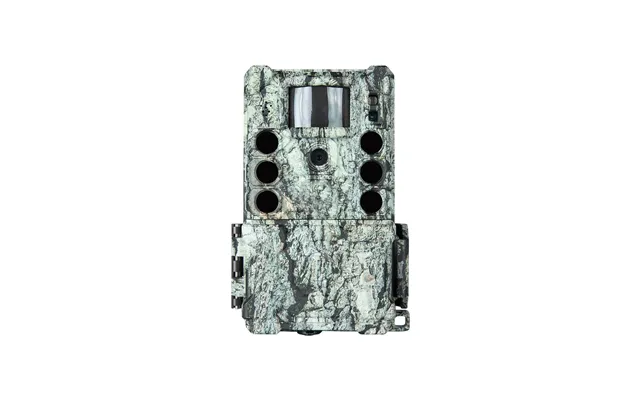
Trail cameras are outdoor, motion-activated cameras designed to capture wildlife and monitor remote locations without you being there. Think of them as your silent, all-weather scouts. Whether you’re tracking foxes along a hedgerow, curious about who visits your garden at night, or securing a farm gate, a trail camera keeps watch and records it all. The best part? They run for weeks on batteries, withstand rain, and snap crisp photos or video whenever movement or heat is detected.
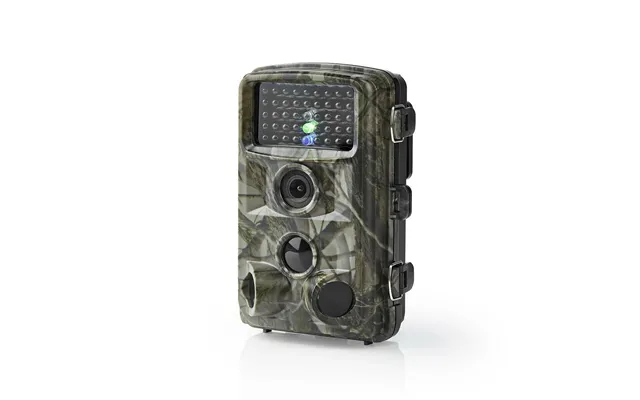
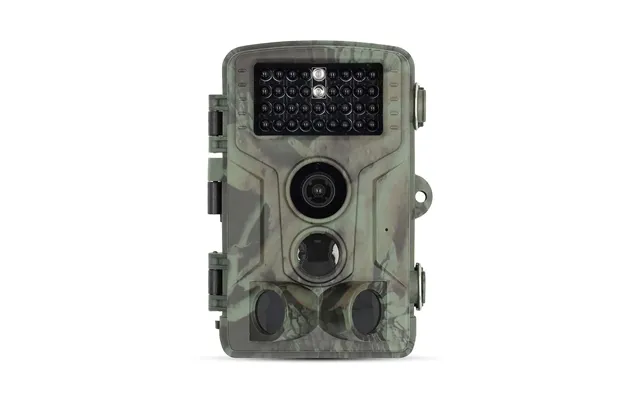
Inside every trail camera, a PIR (passive infrared) sensor watches for changes in heat and movement. When something warm—like a deer or a person—moves across the detection zone, the camera wakes up, focuses, and records an image or video. Many models add infrared LEDs for night vision, a time-lapse mode to monitor food plots or garden beds, and settings like burst photos, scheduled hours, and adjustable sensitivity to dial in results for your exact location and goals.
Choosing the right trail camera can feel overwhelming, but it boils down to a handful of core specs. Resolution shapes detail, trigger speed catches fast action, detection range affects how far the camera “sees,” and night vision determines how useful your camera is after sunset. Then you’ve got battery life, weatherproofing, storage, and add-ons like cellular connectivity. Nail these basics, and you’ll pick a trail camera that performs day in, day out.
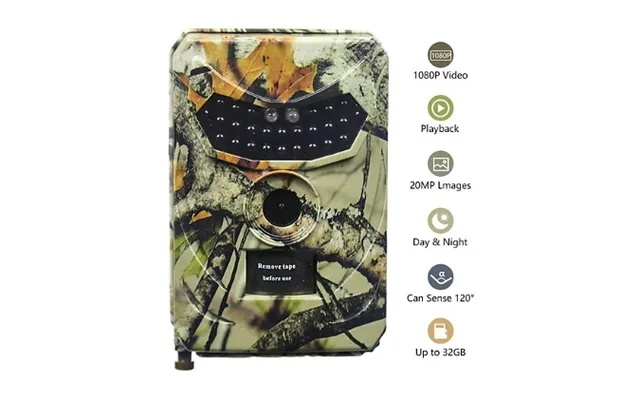
Higher megapixels help with detail, especially when you crop images to identify smaller animals. Many modern trail cameras claim 20MP or more, but sensor quality and image processing matter as much as the number. Look for clear daytime shots with minimal blur and realistic color. For video, 1080p is a solid baseline, and 4K models deliver gorgeous detail if you need cinematic clips or want to future-proof your setup.
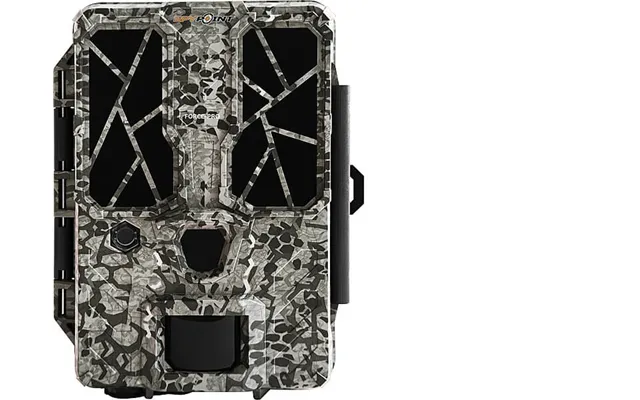
Trigger speed is how fast your camera starts recording after detecting motion. If you’re watching quick animals or narrow trails, look for speeds around 0.35 seconds or faster. Recovery time—how quickly the camera is ready for the next shot—matters just as much. A fast recovery keeps you from missing a second animal traveling a few feet behind the first or repeated passes across a feeding area.
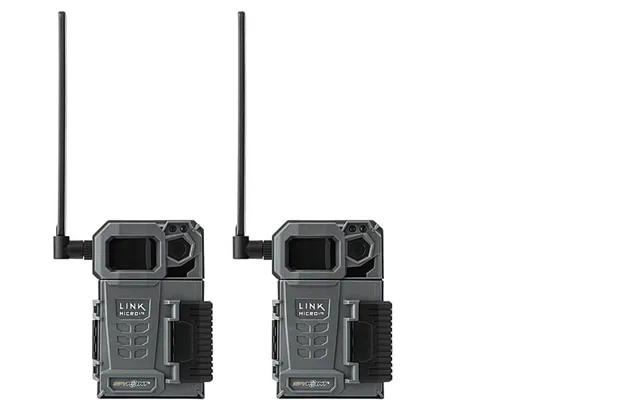
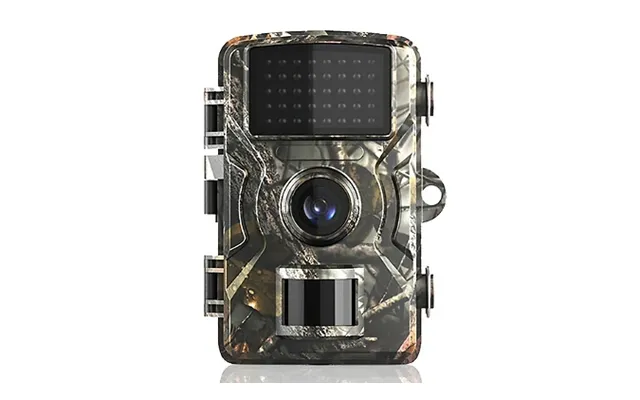
Detection range tells you how far the sensor can notice movement and heat, often quoted around 60 to 100 feet. Field of view affects how wide the scene appears—wider views cover more area, but you may sacrifice distant detail. For a woodland path, a moderate field of view with a strong range is ideal. For open lawns or farm tracks, go wider to catch activity across a broader scene.
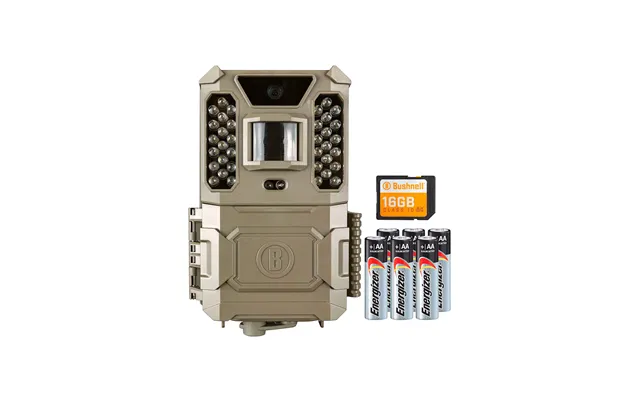
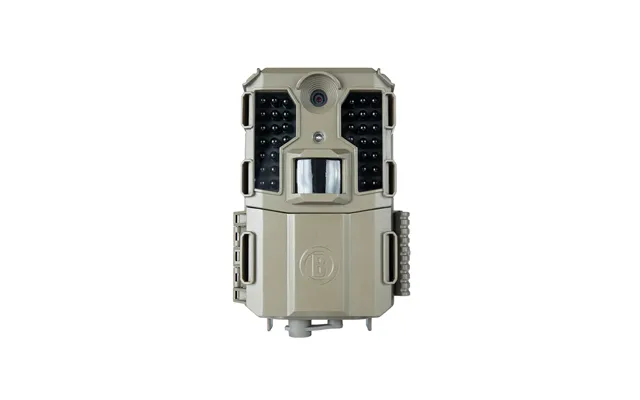
Most wildlife in the UK gets busy after dark, so night performance is huge. Infrared LEDs illuminate scenes without producing visible light, while white flash provides full color at night with the trade-off of visibility. If your aim is discreet observation, stealthy IR is your friend; if you want detailed color, white flash can be a winner for specific use cases like ID at close range.
No-glow (often called “black infrared”) uses LEDs that don’t emit visible light to the human eye. That makes them ideal for farm security, urban gardens, or areas with wary wildlife. The trade-off is slightly softer night detail compared to low-glow. If your priority is to remain unnoticed, especially in shared spaces or along boundaries, no-glow is often the smartest pick.
Low-glow LEDs produce a faint red shimmer if you look directly at the camera in the dark. They generally deliver brighter night images than no-glow, helpful for detailed ID. White flash goes further—full-color night photos—but can startle animals and is unsuitable for covert setups. Use white flash sparingly, ideally at shorter distances and for specific research or ID needs.
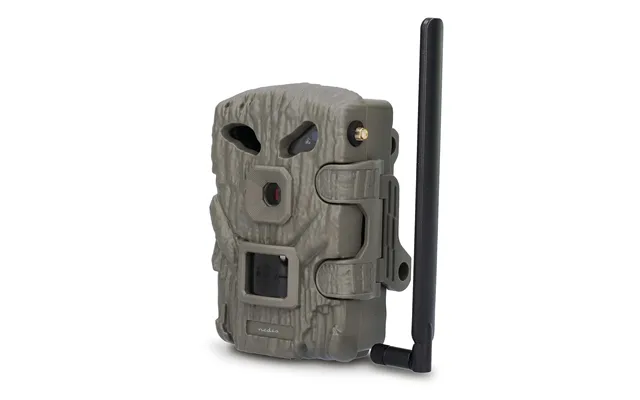
Cellular trail cameras send photos and clips to your phone or email via mobile networks. That means you see what’s happening without visiting the camera—perfect for remote woodlands or busy schedules. Standard models save to an SD card, which keeps costs low and battery life high. Your choice depends on how often you want updates and how far you are from the camera’s location.
If the site is hard to access, or you want near real-time alerts for trespass or livestock movement, cellular is a game-changer. You’ll pay for data and the camera costs more up front, but the convenience can be huge. For wildlife enthusiasts tracking seasonal movement, the instant insight helps you adjust camera placement and settings without constant trips.
Most cellular trail cameras accept standard SIM cards and work with major networks. Pick a plan with enough data for the number of images you expect per month. Optimize by using photo delivery for quick alerts and saving higher-quality video locally to the SD card. Pro tip: set upload schedules, limit false triggers with better placement, and select lower night resolutions to reduce data use.
Battery life decides how long your trail camera stays in the field without attention. AA batteries are common and affordable, lithium AAs last longest, and external packs or solar panels extend runtime dramatically. Big picture? Use efficient settings—sensible video lengths, streamlined night LED intensity, and smart sensitivity—to stretch power without missing key moments.
Alkaline AAs are fine for testing, but lithium AAs excel in cold weather and deliver steadier power. If your site is busy, an external 6V or 12V pack can carry you for weeks. Balance cost against workload: if your camera records hundreds of clips a day, a higher-capacity power solution quickly pays for itself in fewer trips and fewer missed events.
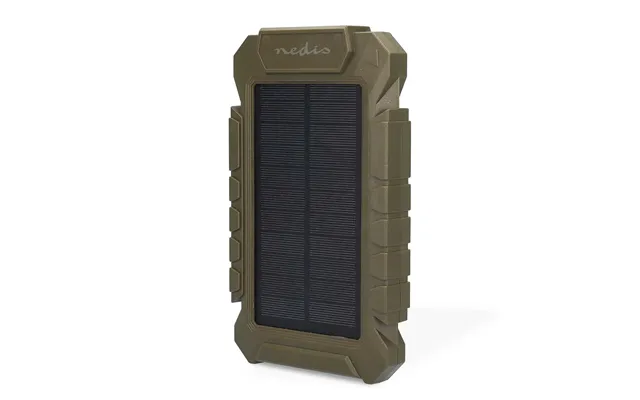
Solar panels connected to rechargeable packs can keep a camera running almost indefinitely, especially in open areas. Mount panels facing south with no shade and angle them for your latitude. Keep cables snug and weatherproofed, and test the system for a few days before leaving it unattended. In winter or heavy canopy, pair solar with lithium AAs as a fallback.
Trail cameras generate a lot of content—thousands of photos and dozens of clips add up fast. A reliable SD card with the right speed class keeps your camera responsive and reduces corrupted files. Once you’ve got the footage, organize, back up, and label it so you can spot patterns in animal behavior and make sharper decisions on camera placement.
Look for branded, Class 10 or UHS-I cards sized for your needs. For photos and short video, 32GB to 64GB is a practical sweet spot; heavy video users may go larger. Format cards in the camera before deployment, and carry a spare in your pocket. Avoid microSD adapters unless your camera supports them reliably—full-size SD is generally more dependable.
Create folders by location and date, and tag standout events—like a fox at 2:00 AM or a herd crossing at dusk. Use a spreadsheet or a simple notes app to record camera settings and placement details. Regularly back up to an external drive or cloud. This small habit pays off when you’re comparing results and tweaking your trail camera strategy over weeks and months.
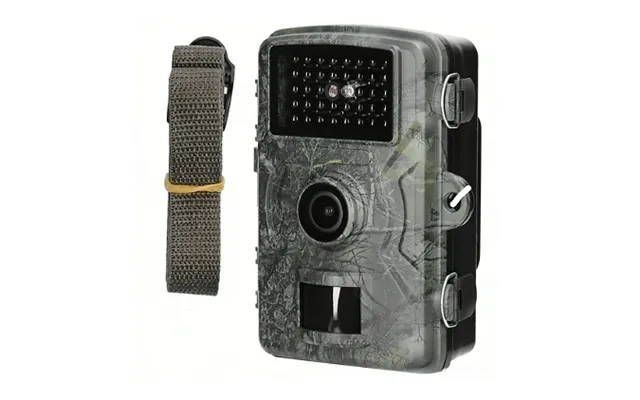
The UK’s weather can swing from blustery rain to bright sun in one day, so a sturdy housing and tight seals matter. Look for solid latches, robust hinges, and a gasketed door. Many cameras claim ratings like IP66, signaling resistance to dust and water jets. Quality housings protect against knocks, curious badgers, and the general rough-and-tumble of outdoor life.
Check the operating range—many trail cameras run from about -4°F to 140°F. In cold stretches, lithium batteries keep performance steady. Keep the lens and PIR sensor clean; a quick wipe removes moisture spots and pollen that can cause soft images or false triggers. Ensure the door closes flush, and after rain, inspect for moisture inside before it becomes a long-term problem.
Placement is where the magic happens. Height, angle, and distance determine how crisp your captures look. You’re trying to intersect movement, not guess it. Watch for game trails, funnel points like gaps in hedges, and edges of clearings. Think like water: animals choose the path of least resistance. Then mount the camera to cover that flow without pointing into the sun.
For medium wildlife like foxes and badgers, mount around 24 to 36 inches from the ground and aim slightly downward. For deer, go a touch higher. Place the camera 15 to 25 feet from where you expect action. Angling the camera across the trail (not straight at it) gives the sensor more time to detect movement, boosting your odds of sharp, well-framed shots.
In shared spaces or along boundaries, a lockable security box is a smart insurance policy. Add a Python-style cable lock to anchor the camera to a tree or post. Camouflage helps too—break up the outline with natural brush or choose a pattern that blends with local bark. Avoid obvious sightlines from footpaths to minimize attention from passersby.
Great results don’t always demand top-dollar gear. Budget trail cameras can deliver crisp daytime images and decent night shots if you place them well. Mid-range models add stronger night vision, faster trigger speeds, and better weatherproofing. Premium cameras pile on high bitrate 4K video, no-glow LED arrays, cellular connectivity, and long battery life—ideal for demanding wildlife projects and serious security setups.
Budget models often emphasize resolution but may compromise on night clarity, trigger speed, or build quality. If you’re testing the waters, start here and learn placement fundamentals. Choose a camera with adjustable sensitivity, a reliable latch, and a sensible interface. Pair it with a quality SD card and lithium batteries, and you’ll be surprised how capable even entry-level units can be.
Premium cameras tend to offer no-glow night vision with brighter, cleaner results, sub-0.3 second triggers, near real-time cellular alerts, better audio, and stronger housings. If you’re monitoring valuable assets or running long-term wildlife studies, these advantages justify the price. Bonus extras like smart app control, scheduling, and advanced time-lapse give you fine control without constant trips to the site.
Trail cameras shine in all sorts of British settings. From suburban gardens with hedgehogs and foxes, to rural hedgerows crawling with deer, to barn entrances where you need to spot movement at night, there’s a model for every job. They’re also brilliant for conservation projects, school nature clubs, and documenting the secret lives of the creatures living right under our noses.
Want to know who’s stealing the birdseed or visiting the pond at 2:00 AM? A carefully placed trail camera reveals it all. Use burst mode to capture sequences, and time-lapse to monitor seasonal changes. Teachers and nature groups can gather incredible footage for lessons and surveys. It’s like having a silent field assistant, working day and night, rain or shine.
Farm gates, fuel stores, outbuildings, and woodland entrances benefit from discreet coverage. No-glow cellular cameras send alerts so you can act quickly. Place them 10 to 20 feet from the target area, angled to catch faces and number plates as people move across the scene. Combine with signage where appropriate, and always respect privacy laws when surveying shared boundaries.
Small add-ons can transform your trail camera results. Adjustable mounts help you fine-tune angles, while metal security boxes protect your investment. Solar panels and external packs extend runtime, and card readers speed up your workflow. These accessories aren’t flashy, but they remove friction—and when you remove friction, you get better footage, more often.
A simple USB or phone-compatible card reader lets you review footage on the spot. Adjustable mounts or trail camera posts help when trees aren’t in the right place or angles are awkward. For ground-level wildlife, a low-profile stake mount can be a game-changer, keeping the camera steady at 18 to 30 inches high without hacking at branches or wrestling with uneven bark.
If theft or tampering worries you, consider a decoy unit in a visible spot, with your real camera concealed nearby. For sensitive wildlife, minimize scent—handle cameras with gloves and avoid strong-smelling repellents near the lens. You don’t have to be a stealth expert; just think like a fox and reduce anything that screams, “New object!” in their world.
When you browse a trail camera price list or a comparison page, don’t get dazzled by megapixels alone. Scan for trigger speed, no-glow vs low-glow, detection range in feet, battery life claims, and real sample footage. Weigh what matters for your location. A solid price is great, but the best value comes from features you’ll actually use, not just big numbers on a spec sheet.
Start with night vision type, trigger speed, detection range, and power options. Then check video resolution, bitrate, audio quality, and recovery time. Confirm SD card support and recommended sizes. Look at housing quality and latch design—it’s not glamorous, but it prevents heartbreak. Finally, read notes on app performance and cellular reliability if you’re considering a connected model.
True deals line up with strong specs and good reviews. If a camera touts extreme megapixels but lacks trigger speed data or night samples, be cautious. Check what’s included—mount, strap, and cables—so you’re not nickel-and-dimed later. Seasonal sales and bundle offers with SD cards or locks can be excellent value, especially if they match your planned setup right out of the box.
Even great trail cameras need an occasional tweak. Blurry night images? Adjust the angle, reduce distance, or switch LED settings. Empty frames? Refine sensitivity and clear waving branches. Short battery life? Lower video length, increase delay, or add external power. Treat troubleshooting like tuning a guitar: a few small adjustments and you’re back to crisp, reliable performance.
Wind-blown branches, tall grass, reflective water, and heat shimmer can all trick the PIR sensor. Trim foliage within 10 to 15 feet, avoid pointing at busy backgrounds, and position the camera slightly above expected movement, aiming down. Reduce sensitivity a notch and add a short delay between triggers. These micro-changes cut noise while keeping the important action.
Night blur usually means the subject is too close or moving too fast for the exposure. Move the camera back to 20 to 30 feet, angle across the trail, and use burst mode to increase the odds of a sharp frame. Clean the lens and IR window, and avoid pointing directly at reflective surfaces like metal gates that can bounce back IR light.
Trail cameras are powerful tools, so use them responsibly. Respect private property, secure consent where needed, and avoid pointing cameras at neighbors’ windows or shared paths without good reason. For wildlife, minimize disturbance—place cameras off main nesting spots, and avoid bright white flash at night unless you’re working a specific identification project where it’s justified.
Before you mount a camera, ask: would I mind being recorded here? If the answer feels sticky, find a better angle. Stick to monitoring your land or locations where you have permission. Use no-glow where discretion is important, and add signage for security setups. Ethical use isn’t just about rules; it builds trust with neighbors and keeps your projects welcome and sustainable.
Trail cameras open a window into the hidden world around us—quiet, persistent, and incredibly revealing. By understanding key features, choosing the right night vision, and fine-tuning placement, you’ll capture the moments that matter, from shy hedgehogs to property visitors at midnight. Compare offers with a cool head, focus on the specs that fit your goals, and build a kit that works as hard as you do outdoors.
| Trail Cameras | Price | |
|---|---|---|
| Nedis Wildlife Surveillance Camera Mount Steel Black | £ 3,42 | |
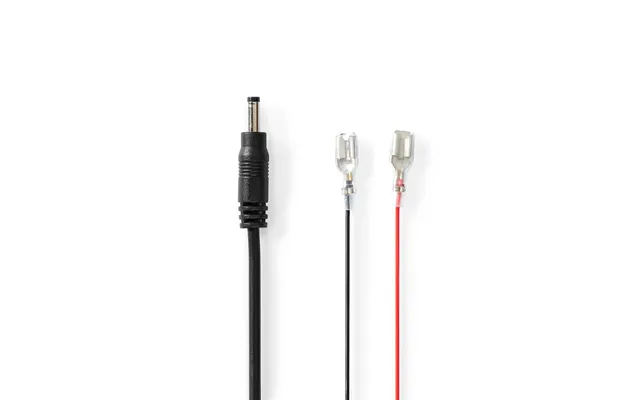
| Nedis Power Cable Dc Female F1 Straight Straight Copper 2.00 M Round Pvc Black Gift Box With Euro Lock | £ 7,83 | |
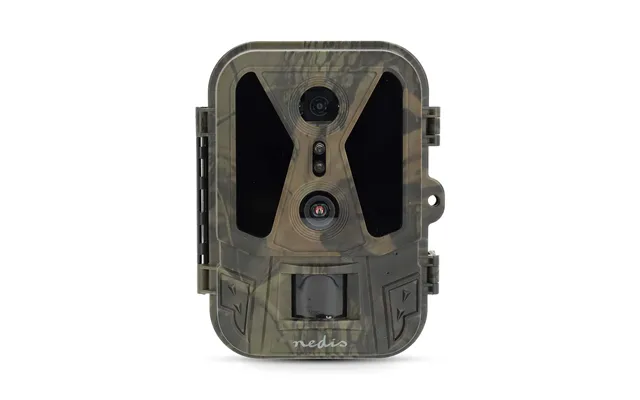
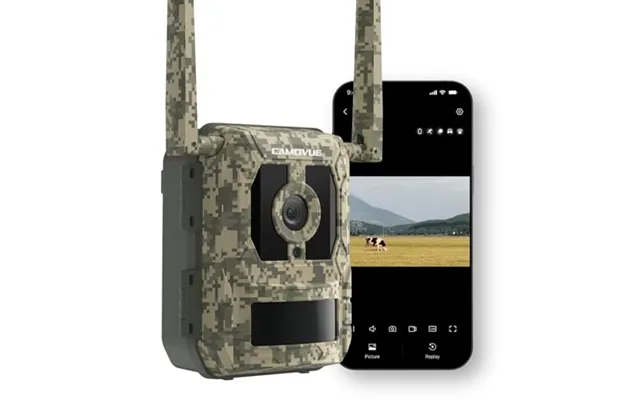
| Wifi Trail Camera - 4k Hd Night Vision, Ip66 Waterproof, Remote Monitoring & Motion Detection | £ 30,40 |